For owners of luxury motor yachts, few decisions are as personal or as impactful as choosing whether to take the helm yourself or engage a professional skipper.
# Taking the Helm: Owner-Operated versus Skippered Yacht Cruising
For luxury motor yacht owners, few decisions shape a voyage quite like choosing whether to command the helm yourself or hand it over to a professional skipper. Each path offers genuine rewards, yet they pull in opposite directions.
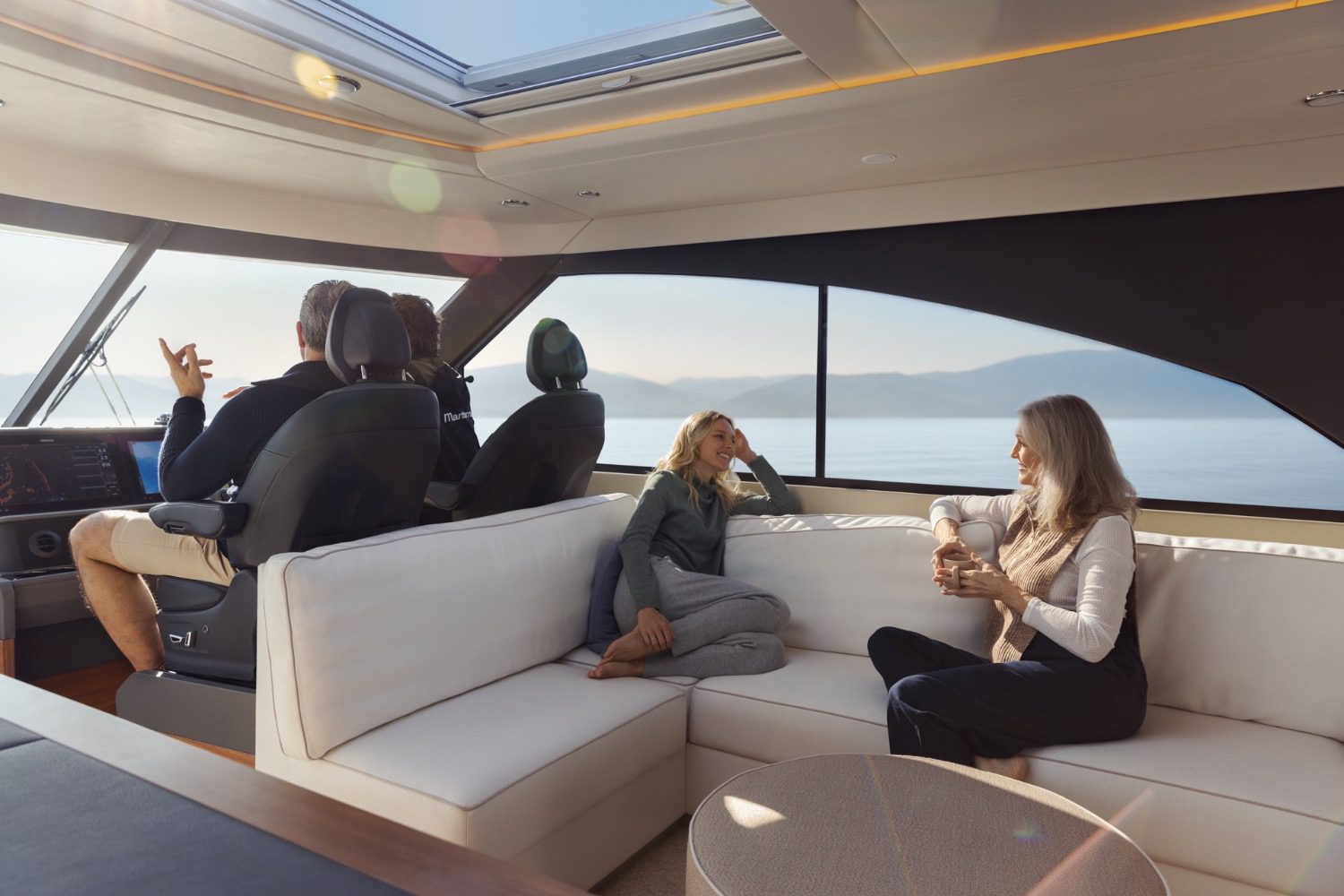
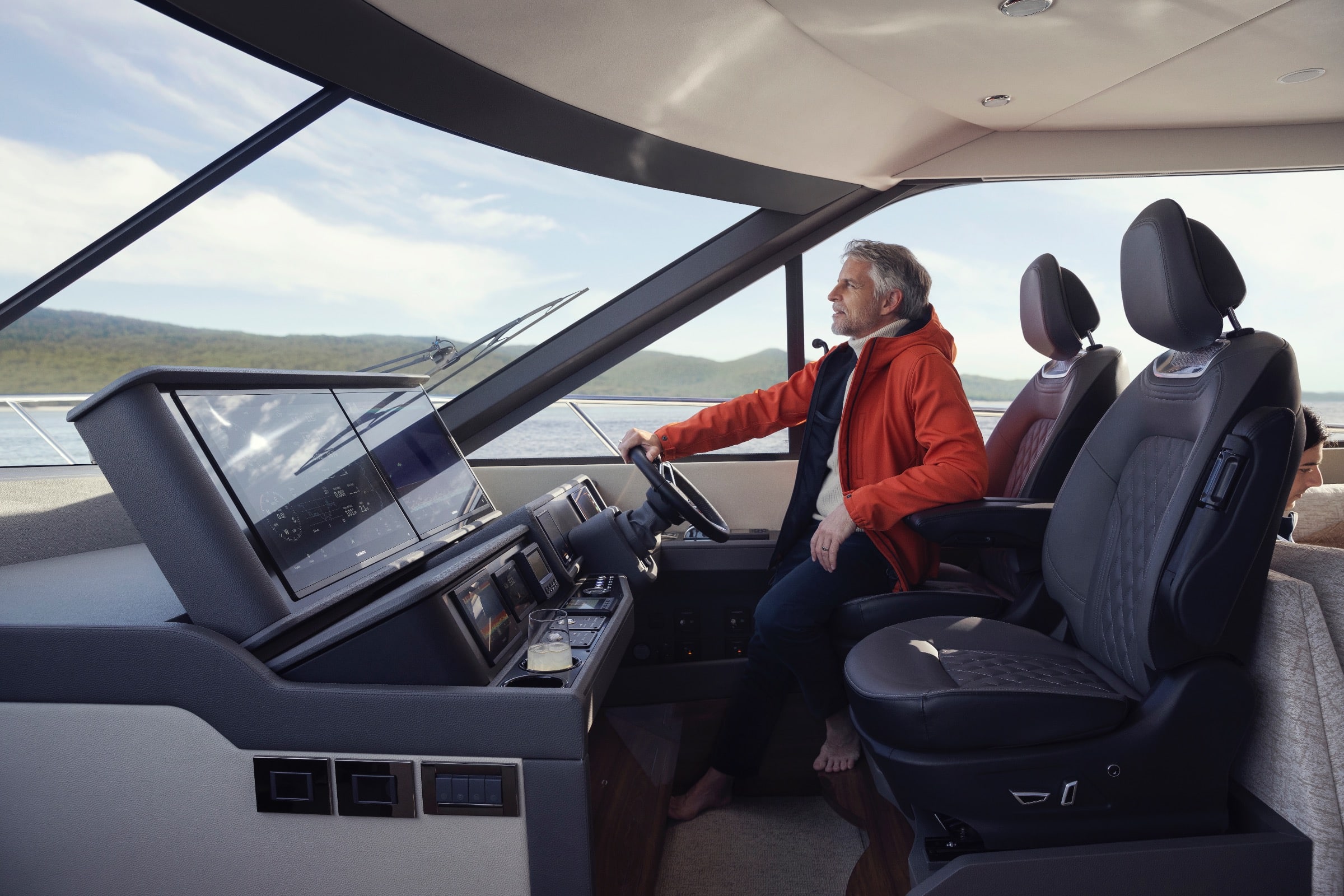
Owner-operation suits those who crave complete autonomy. You depart when you choose, anchor where you wish, and stay as long as the mood takes. The financial advantage is real too—no skipper fees means lower running costs, particularly valuable for owners planning extended trips through familiar waters. For many boaters, the tactile rewards matter more: mastering your vessel’s systems, refining your navigation skills, and building that deep, almost meditative connection that comes from hours at the wheel. Solo operation works best for experienced skippers handling shorter passages close to home or owners keen to develop their capabilities over time.

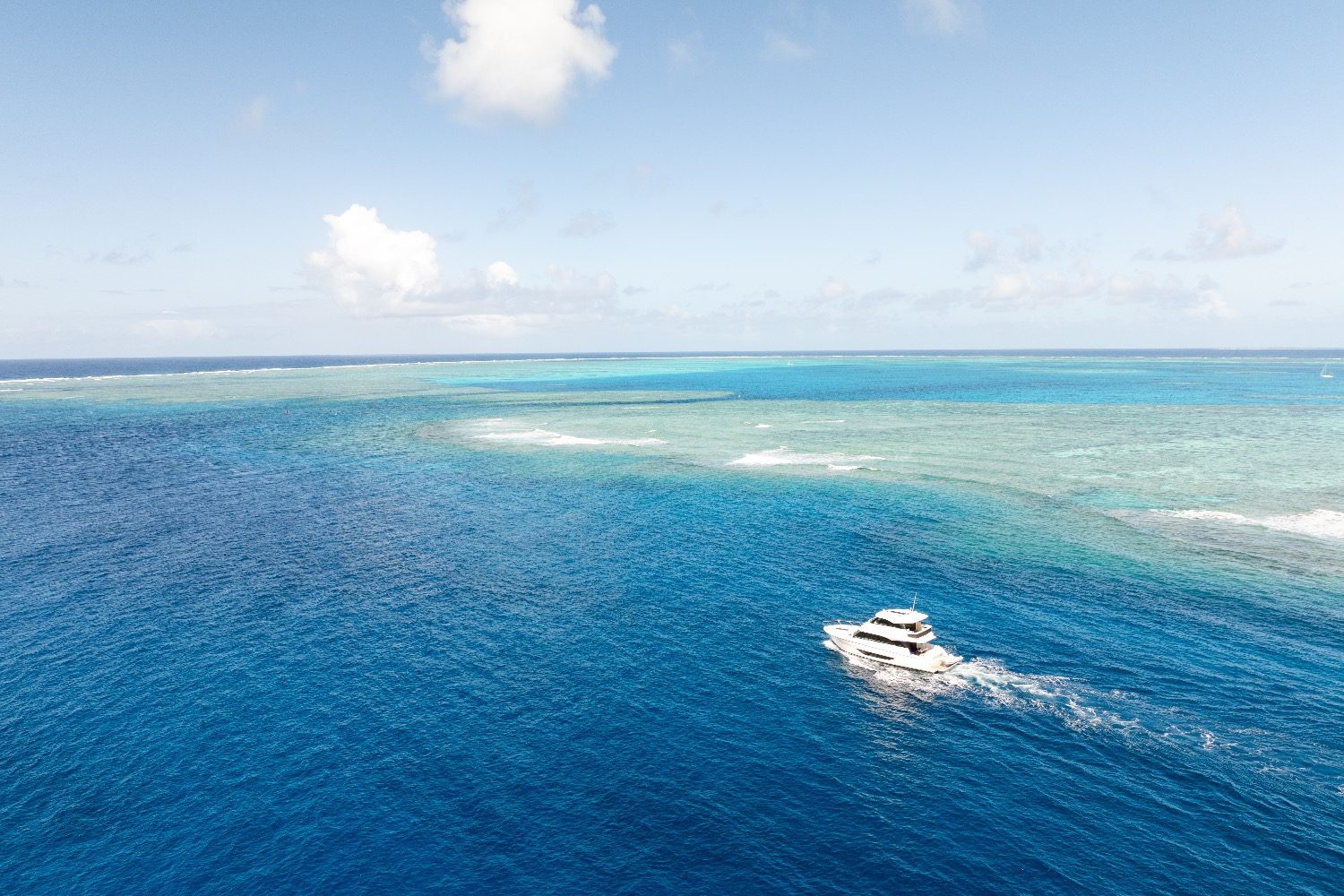
But owner-operation carries weight. Navigation planning, weather assessment, port clearance, and safety responsibility all fall squarely on your shoulders. In less familiar cruising grounds—particularly across Asia’s varied waters—unfamiliar regulations, local customs, and complex tidal patterns can complicate matters. Longer passages demand physical and mental stamina that not everyone finds sustainable.
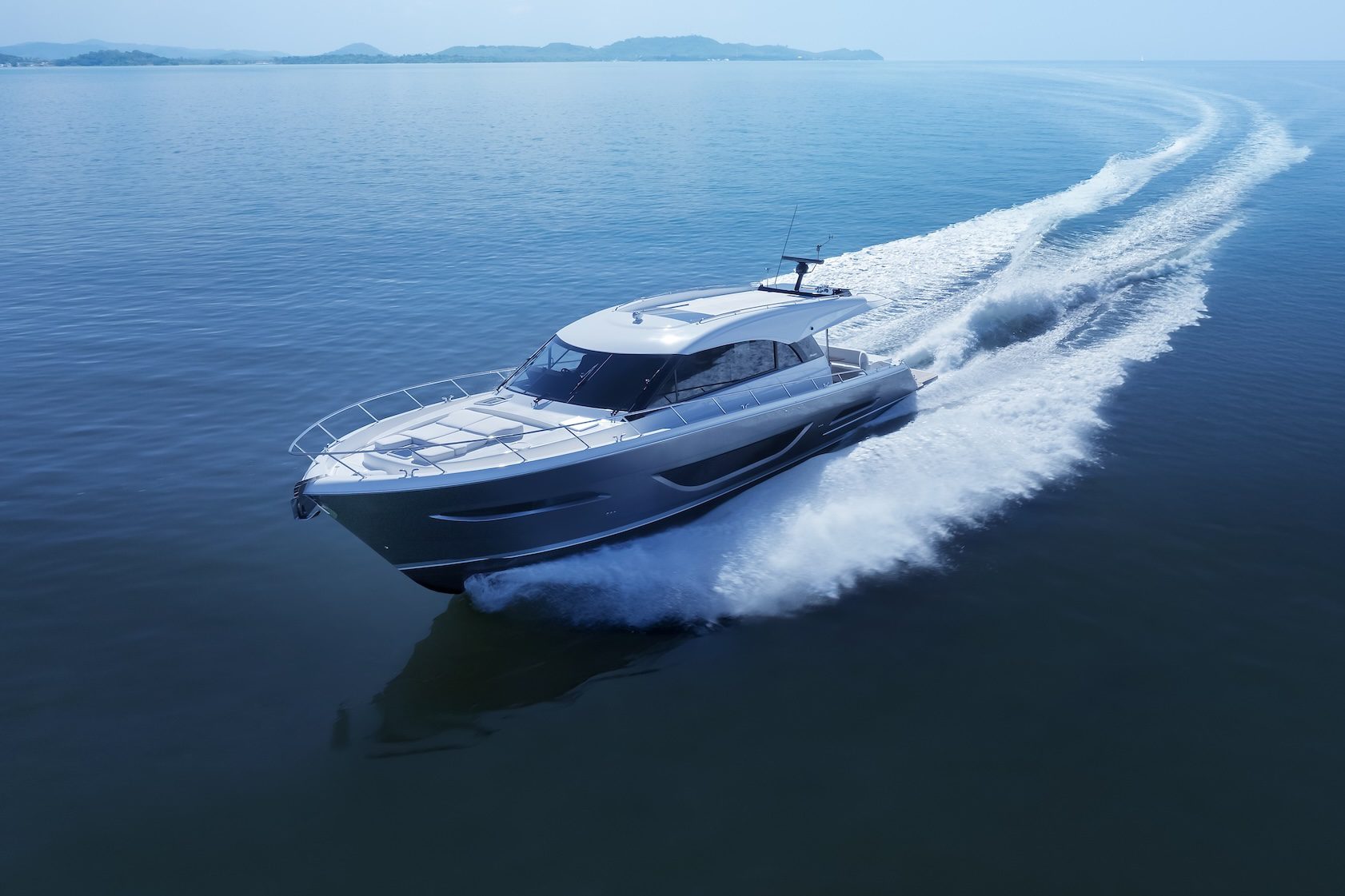
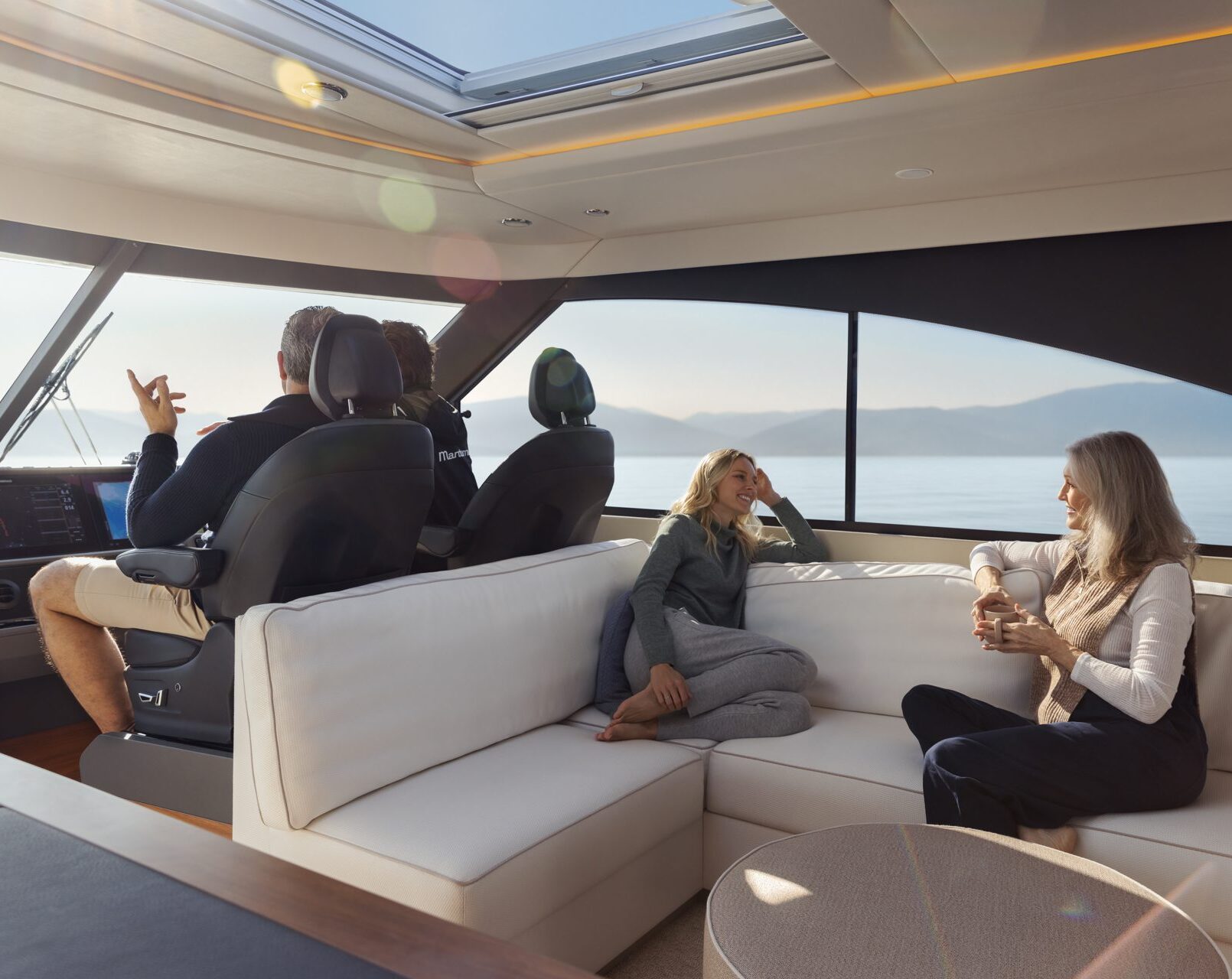
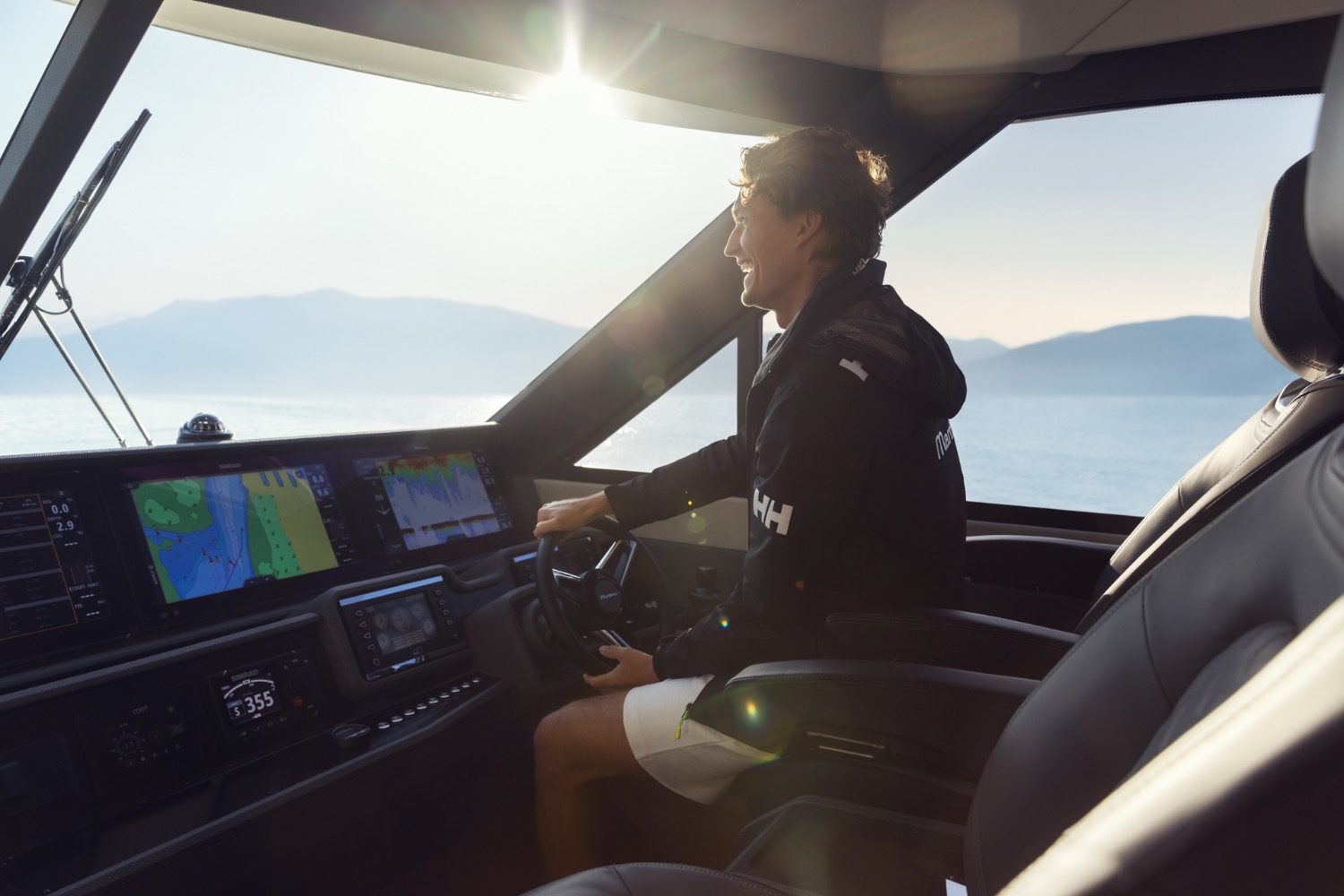
Hiring a professional skipper flips the equation. A good skipper brings local knowledge that no chart or guidebook quite captures: where to anchor safely in rough weather, how to navigate shallow approaches, what paperwork actually matters at remote ports. The psychological shift is equally valuable. You’re free to savour the journey, entertain guests, and simply be present without the constant weight of operational responsibility. For owners new to larger yachts or cruising into uncertain waters, that peace of mind carries real value.
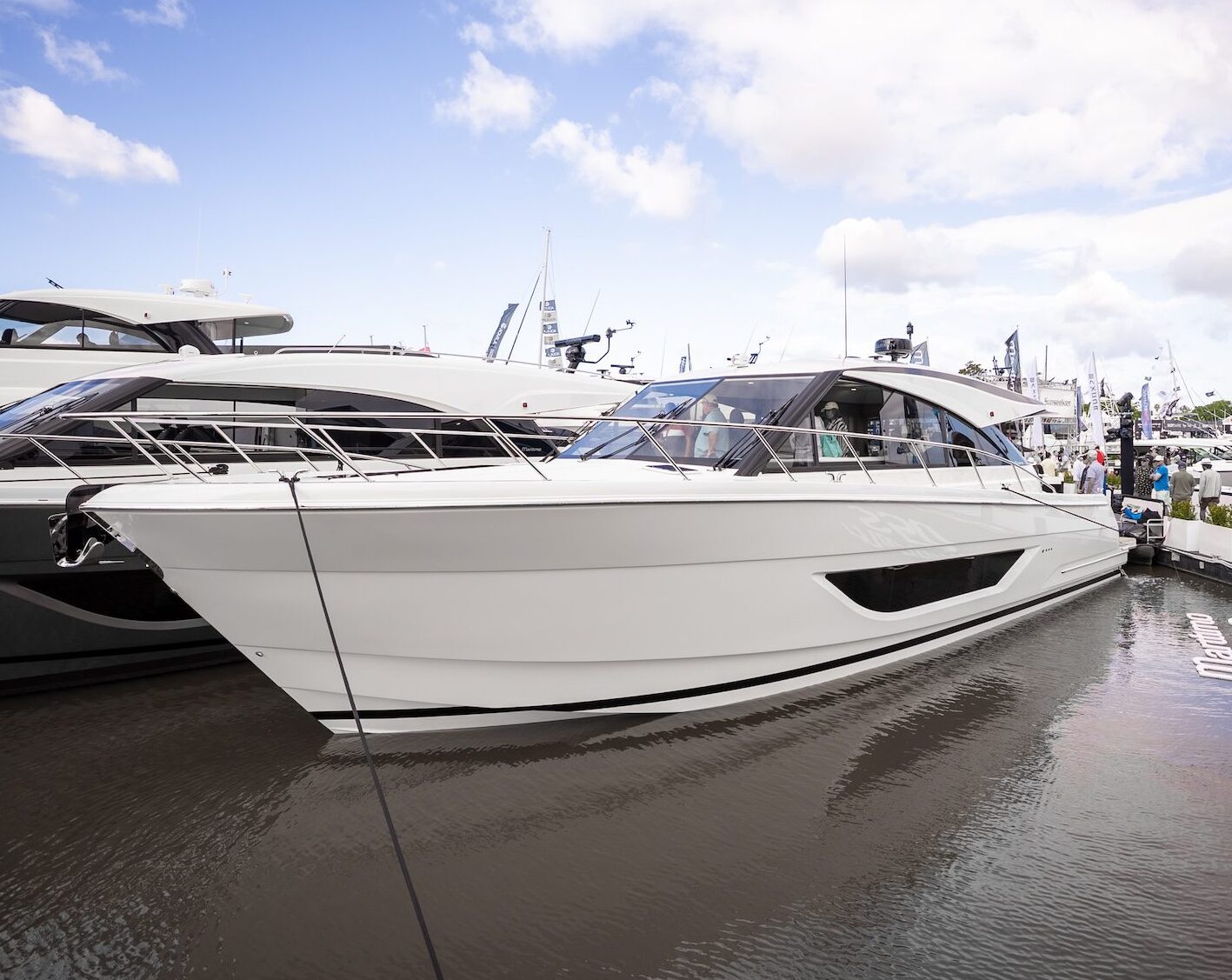
The drawback is straightforward: cost. Skipper fees, accommodation, and provisioning all add up. The dynamic aboard changes too—shared living quarters aren’t for everyone.
Many experienced owners adopt a hybrid approach: hiring professional guidance for unfamiliar regions or initial voyages, then transitioning to self-operation as confidence builds. This blends expert mentorship with growing independence, offering the best of both worlds without forcing an either-or choice. Your approach should reflect your experience, the voyage’s complexity, and what actually matters to you on the water.