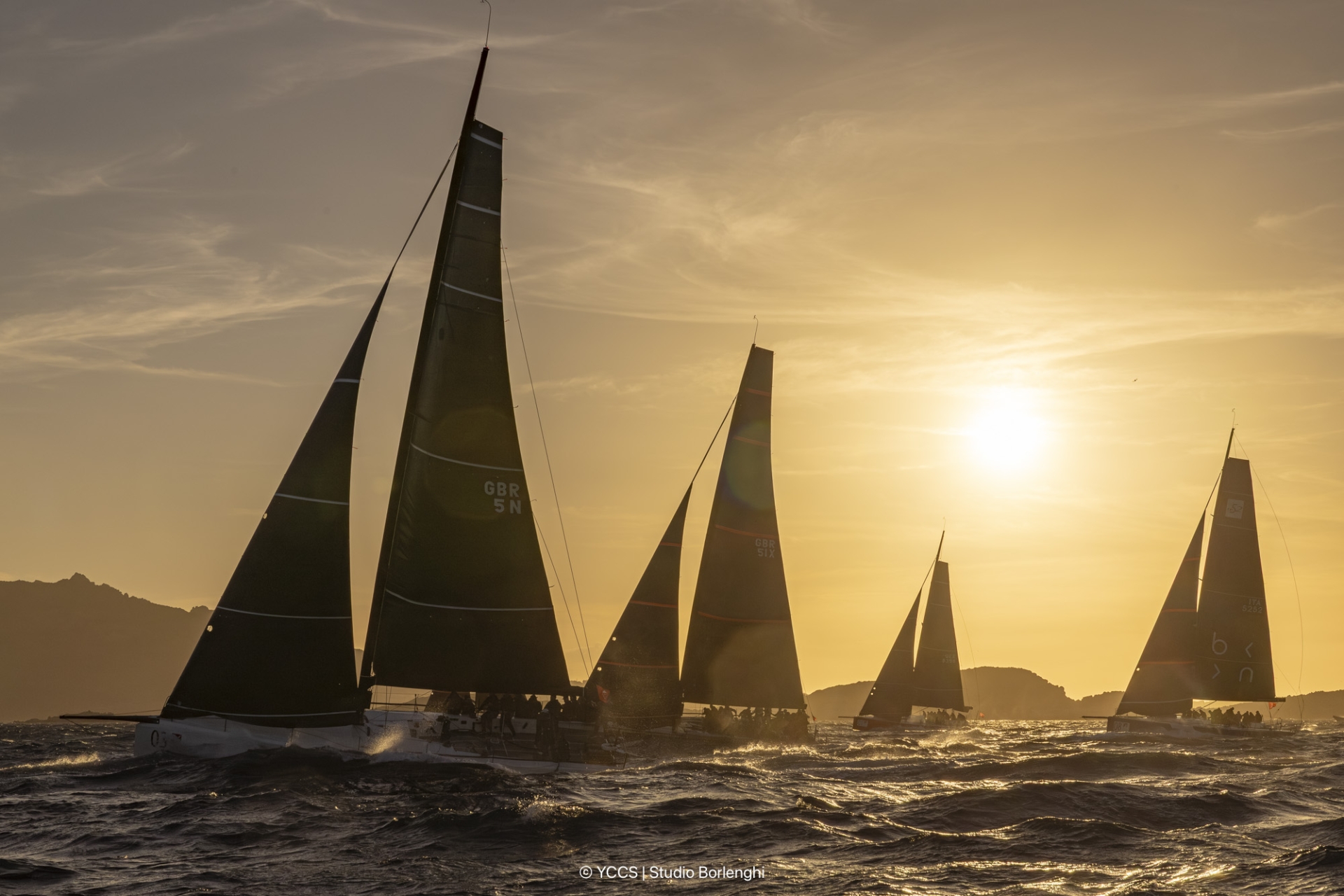
Sardinia’s winter racing season came alive this week when Mistral winds forced organisers to gamble on an evening start for the Range Rover Sardinia Cup offshore race. That decision paid off handsomely, producing exactly the kind of demanding 130-mile test that separates competent crews from exceptional ones.
The Royal Ocean Racing Club’s Ino Veritas, skippered by Dean Barker, won SC1 after a night of hard racing that began at dusk off the Li Nibani islands and finished near Porto Cervo as dawn broke. The yacht’s SC2 counterpart, the Swedish GP42 Garm, also took line honours in their division. Both boats handled what Barker described as a complex course with remarkable precision, executing manoeuvres flawlessly through the night as the wind settled from Mistral strength into a more manageable 18 to 20 knots.
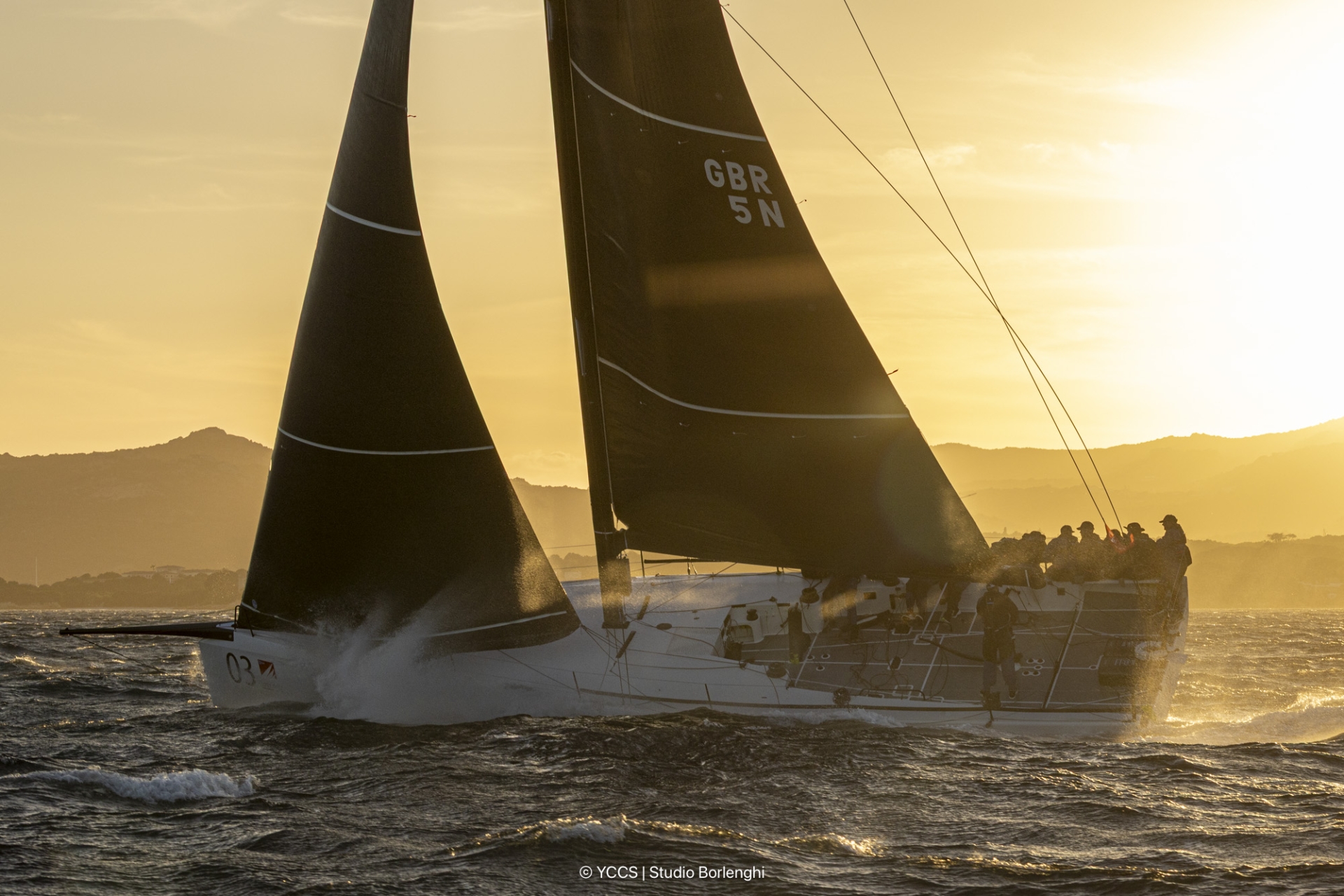
Barker’s assessment cut to the heart of why this race matters. “In such a complex race, that’s the best you can hope for,” he said after crossing the finish line. The Sardinia Cup course twisted through narrow passages past Mortorio and Soffi islands, pushed boats 35 miles offshore to a Range Rover waypoint, then forced them back inshore again. It’s the kind of track that rewards preparation and precision rather than raw boat speed. The committee’s decision to postpone from the original 3 p.m. start, waiting for the Mistral to drop below 30 knots, gave crews that chance.
Italian sailor Gabriele Olivo, racing aboard Ino Veritas, brought historical perspective to the victory. He’d won a previous edition of the Sardinia Cup and came back for this one to rediscover what makes it special. “The Sardinia Cup has to be a complete challenge, requiring preparation, primed crews and boats that can compete even in strong winds,” he said. That philosophy shaped how he viewed the night’s racing, with its strong conditions and extended offshore legs. The race wasn’t meant to be pretty. It was meant to be thorough.

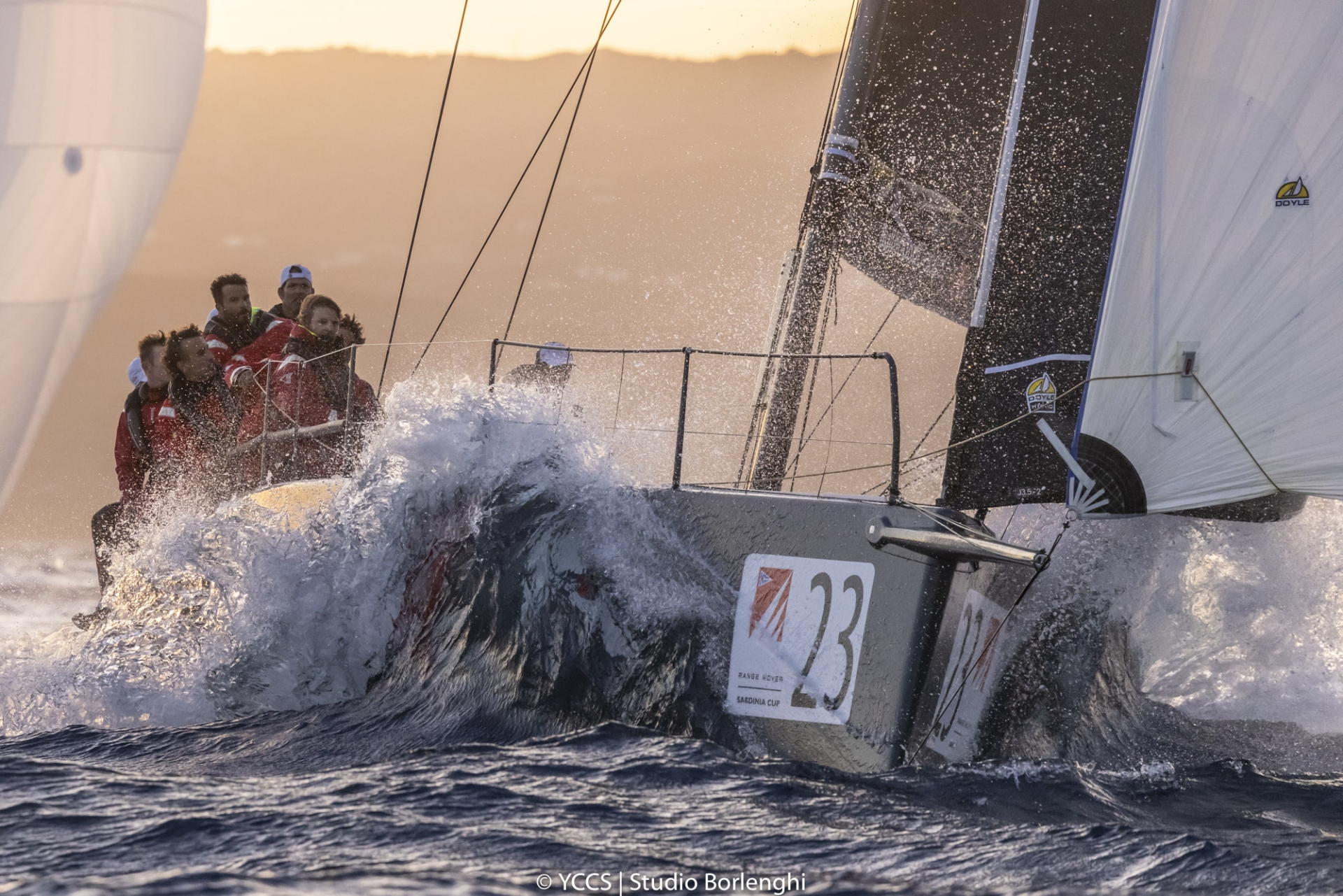
Garm’s owner Per Roman, taking his first crack at the Sardinia Cup, offered a newcomer’s wonder at what he’d just experienced. His Swedish crew secured the first-ever victory for a Swedish yacht in the regatta’s history. “This is one of the most beautiful regatta courses I have ever seen,” Roman said, still processing the win. His father had raced here in previous editions, adding a thread of family connection to the moment. Roman’s crew clawed ahead of the rival Swedish yacht Ran during the first downwind leg and never eased up, grinding through to the finish with the kind of single-minded focus that wins offshore races.
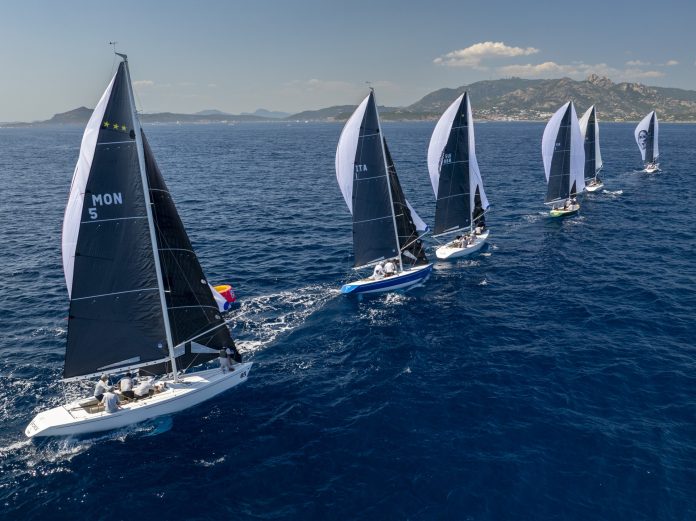
The results reshaped the overall standings. The RORC now leads the team competition, though the Yacht Club Costa Smeralda’s Django team sits in second place thanks to podium finishes from Django WR and Django JP. With windward-leeward racing scheduled for today and conditions expected to stay around 20 knots, those gaps could shift rapidly.
What lingers from the offshore race, though, isn’t the standings. It’s the image of yachts leaving the harbour at dusk, heading out into open water, and the crews who spent the night proving they belonged there. That’s when sailing reveals itself as something more than organised speed. That’s when it becomes a test.