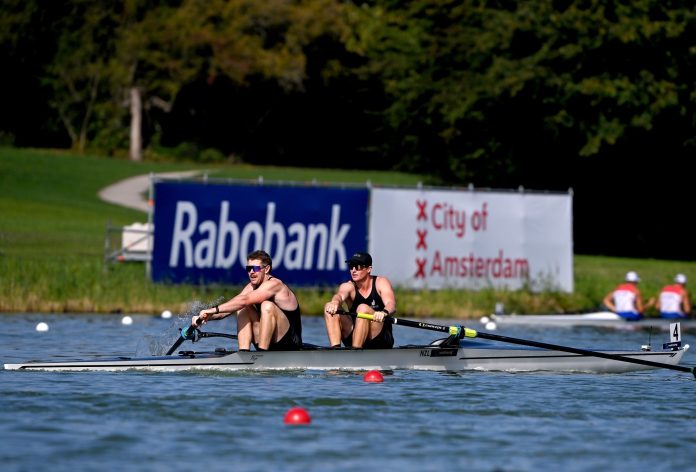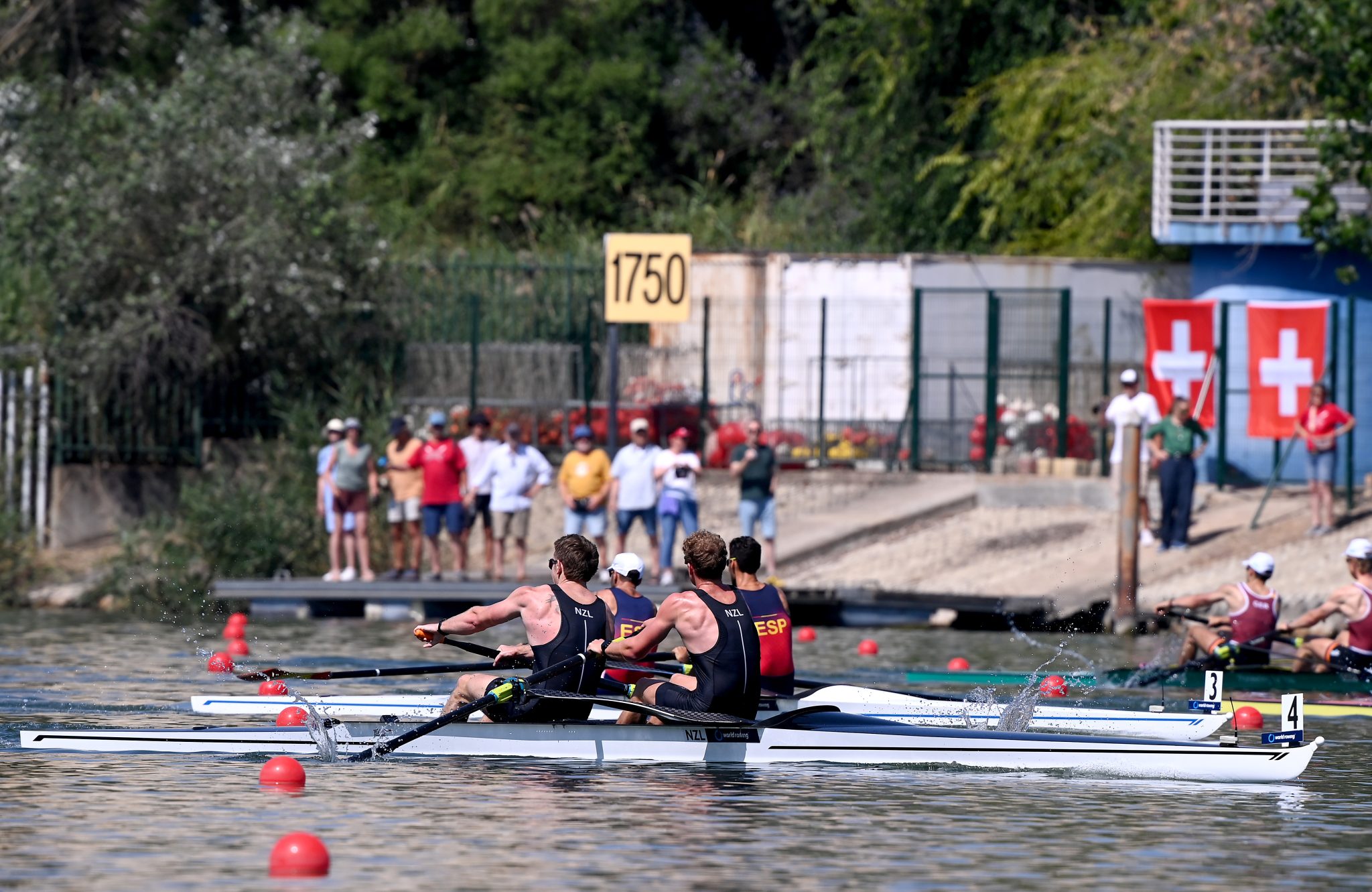
Ben Taylor and Oli Welch reckon they’ve never been in better shape. The world champion rowers arrive at tonight’s Men’s Pair final in Seville with the confidence of two athletes who’ve spent the past year building on an already dominant platform, and they may have just enough to hold off a resurgent Romanian crew that’s been quietly closing the gap.
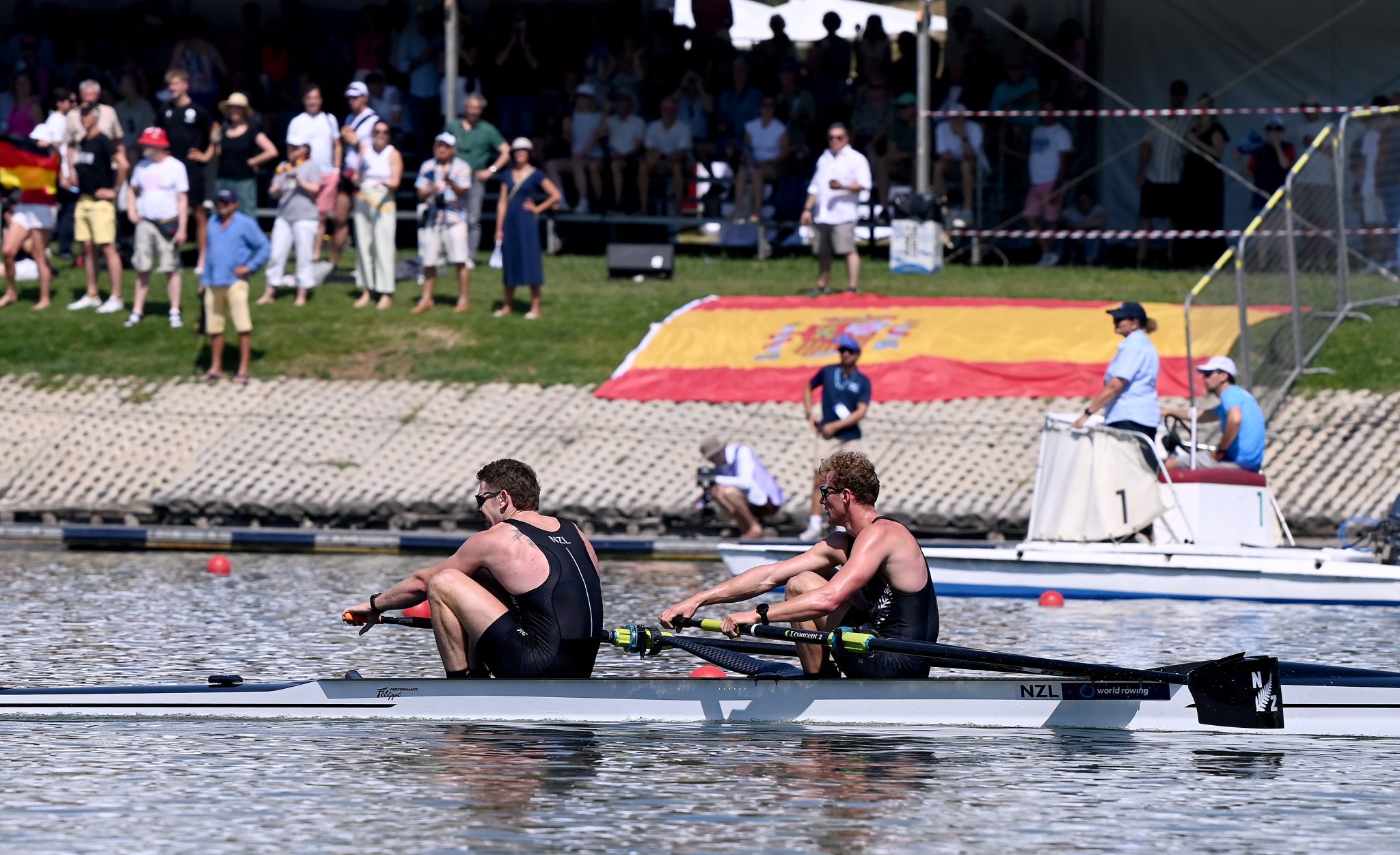
New Zealand’s pair qualified with a 6:27.76 effort in their semifinal, while Romania posted 6:23.37. Oli knows the margin is tight. “If we have our best race we’re in a good position,” he says. “The semi probably wasn’t our best race, we’ve got a few things to work on, but it’s not far off.” The Romanians made crew changes after their silver medal at last year’s world championships, yet they’re moving faster. “They seem to be going as quick or even quicker,” Oli reflects. “But it’s hard to say since we haven’t raced them yet.”
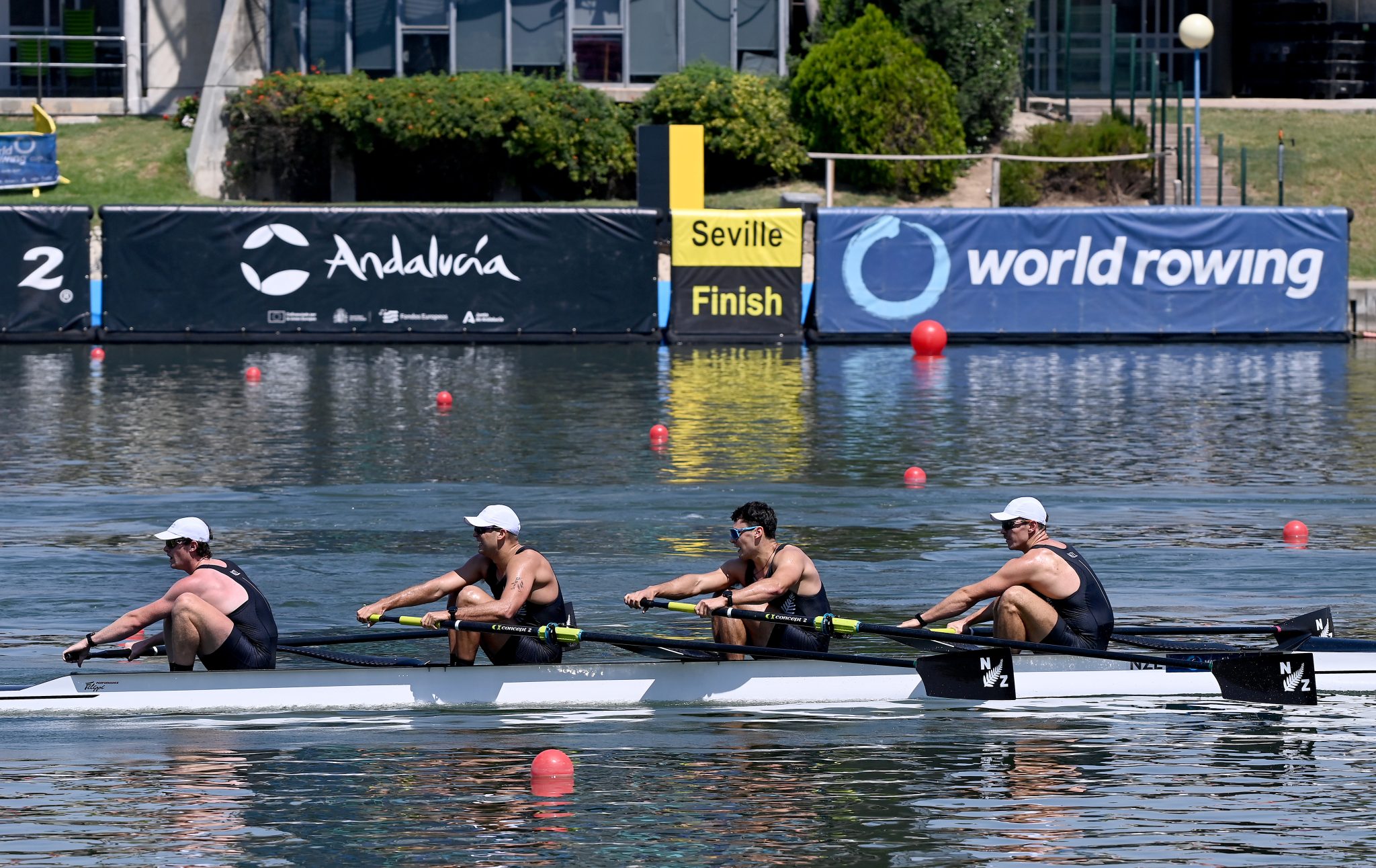
What separates Taylor and Welch from twelve months back is measurable: longer preparation time, stronger erg scores, sharper gym work. They got together as a pair in April last year. This summer, they’ve had a full squad cycle. “Fitter, faster, stronger,” Oli says simply. That sounds like confidence built on actual work.
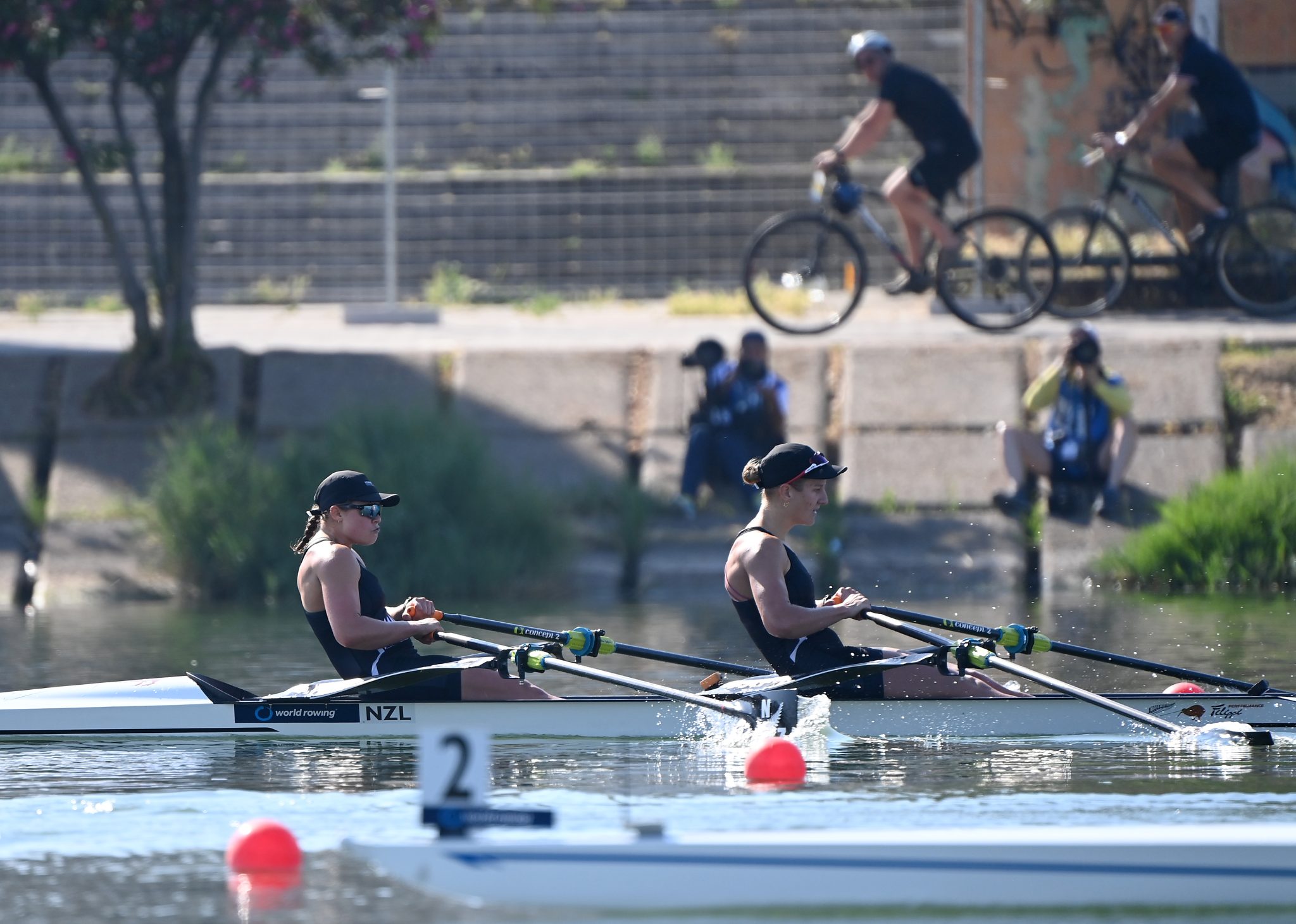
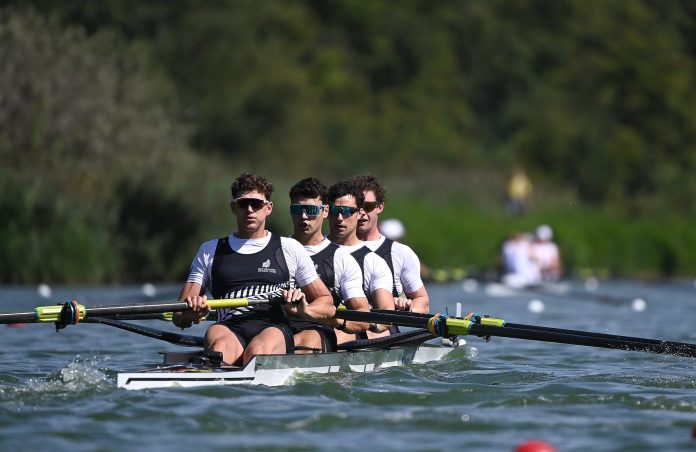
The Men’s Four has earned its shot at glory despite being barely off the water together. Fred Vavasour, Campbell Crouch, Harry Fitzpatrick and Josh Vodanovich qualified for tonight’s A Final in just their second race as a crew. For Vavasour, the jump from stroking the U23 Eight to silver last year straight into an Elite Four is disorienting but he’s found freedom in obscurity. “There’s not so many expectations around our performance, which is quite nice,” he says. “You can just row to the best of your ability without having a heap of pressure.” They clocked 5:59.05 in the semifinal, behind the Netherlands and France.

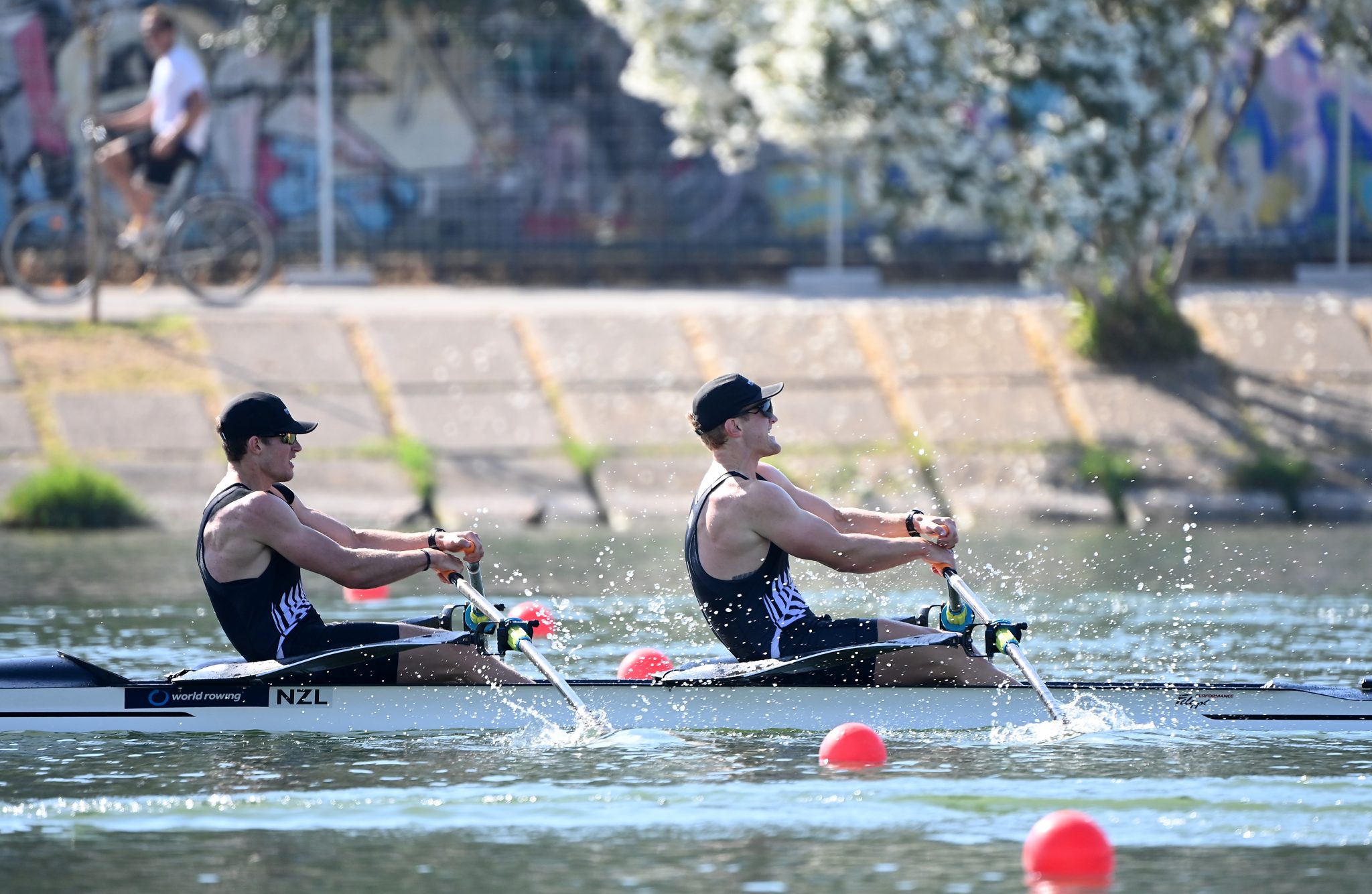
Not everything went to plan. Eva Hofmans made her senior debut in the Women’s Double with Sophie Egnot-Johnson, and their C Final result was complicated by Seville’s bridges. GPS trackers went haywire when they passed underneath at 250 metres and 1250 metres, giving their coach Tom Stannard a scare. What looked like disaster on the tracker was actually contact racing. Hofmans and Egnot-Johnson finished second in 7:18.40, four seconds behind France. The journey back has been long for Hofmans since winning at Junior Worlds in 2019, but she’s proven to herself that New Zealand rowing is where her talent lives.
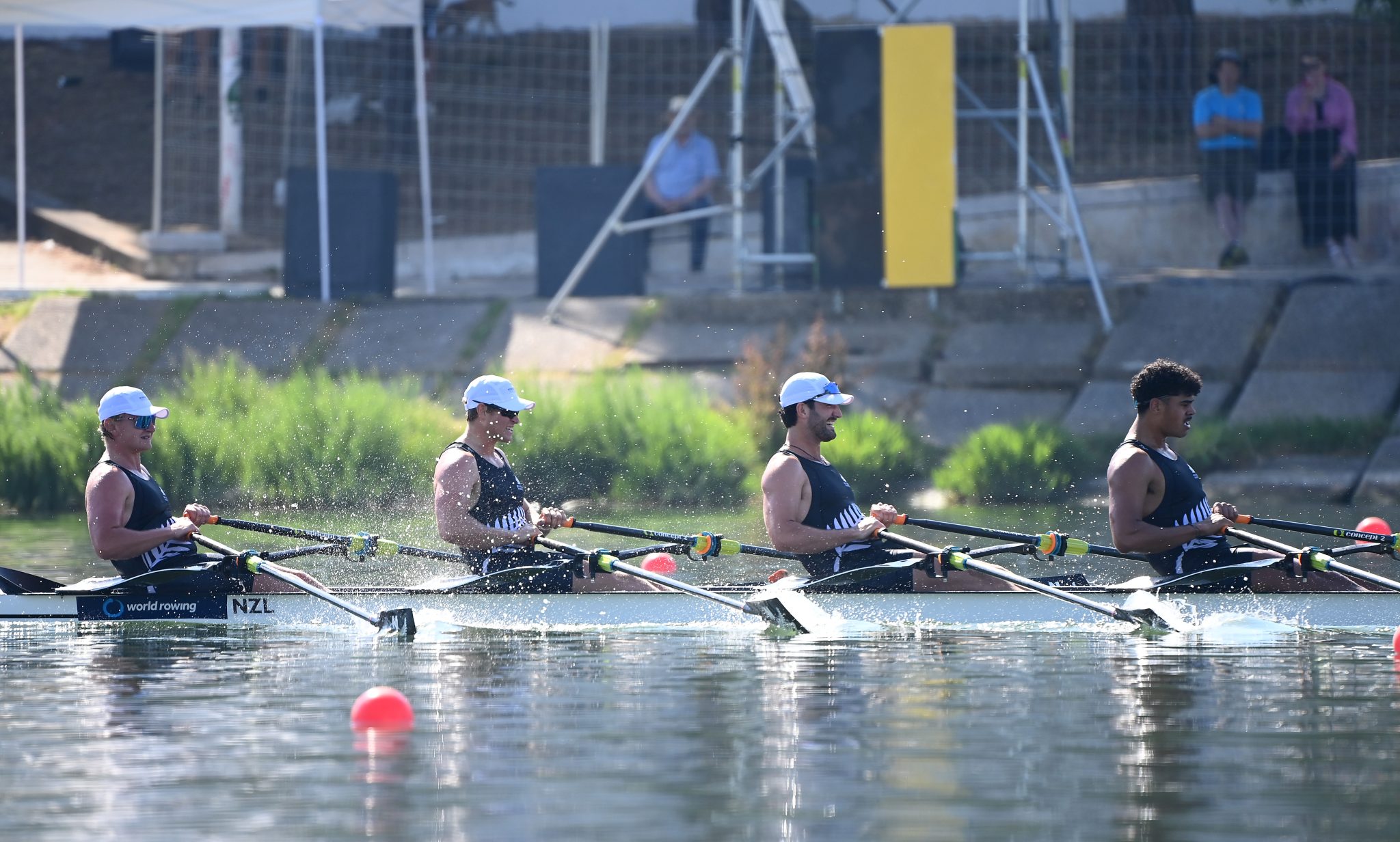
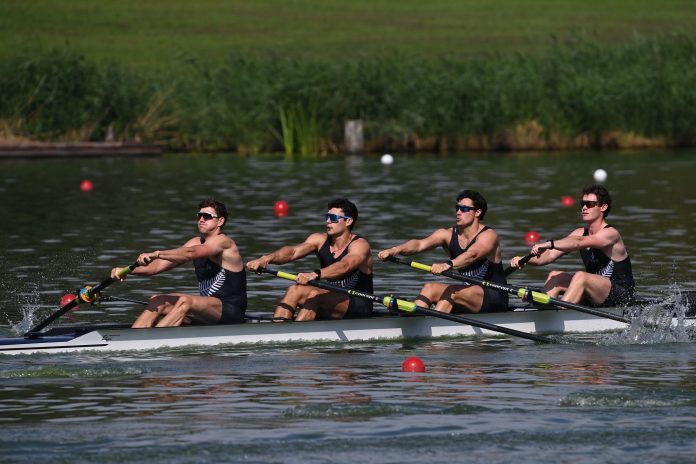
Ben Mason and Finn Hamill landed in the C Final of the Men’s Double after missing the semifinals, a reminder of how unforgiving the sport has become. Former Olympic champions Valent and Martin Sinkovic from Croatia faced the same fate. Mason understood the lesson clearly. “The standard’s really high so you have to be perfect,” he said after finishing fourth in 6:31.30. “We medalled in two World Cups last year and then this year we’re in a C Final and not much has really changed.”
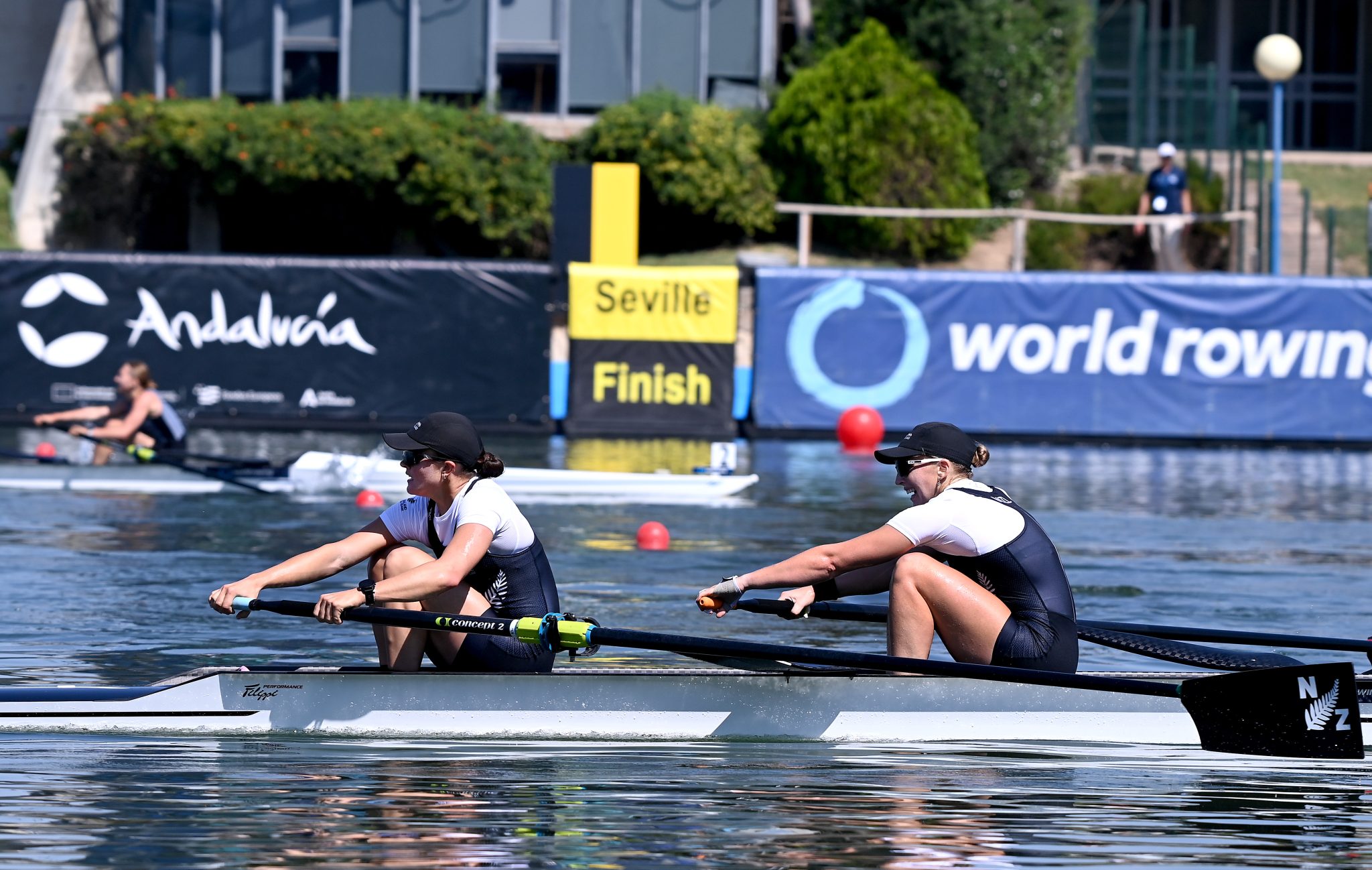
The Men’s Quadruple Sculls of Arie Magasiva, Callum Tutbury, Oscar Ruston and Ben Olifiers went out hot in their heat, burned matches they couldn’t afford. In the C Final, they did the same thing but learned to settle. “Once we got the boat moving, we kind of just let it sit there and then took it down into our race rhythm,” says Magasiva. “We were just trying to be more efficient, getting the same speed but with a lot less effort.”