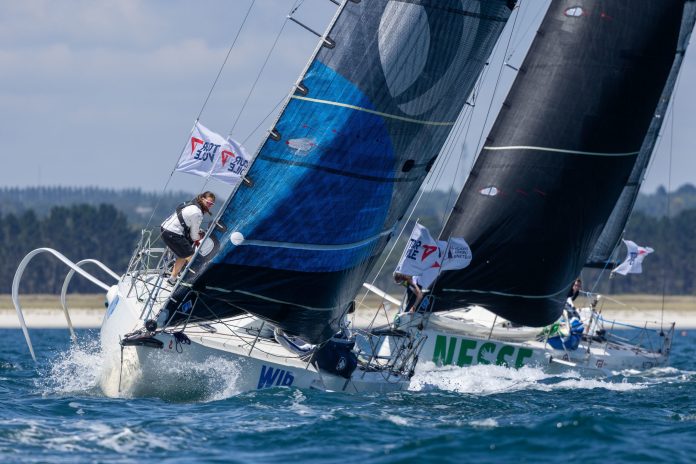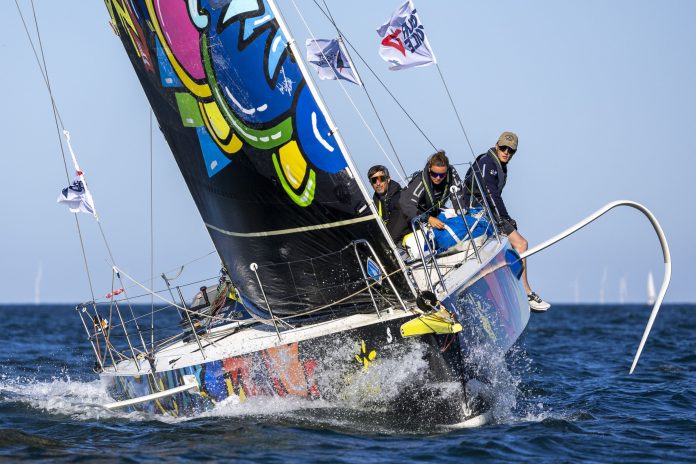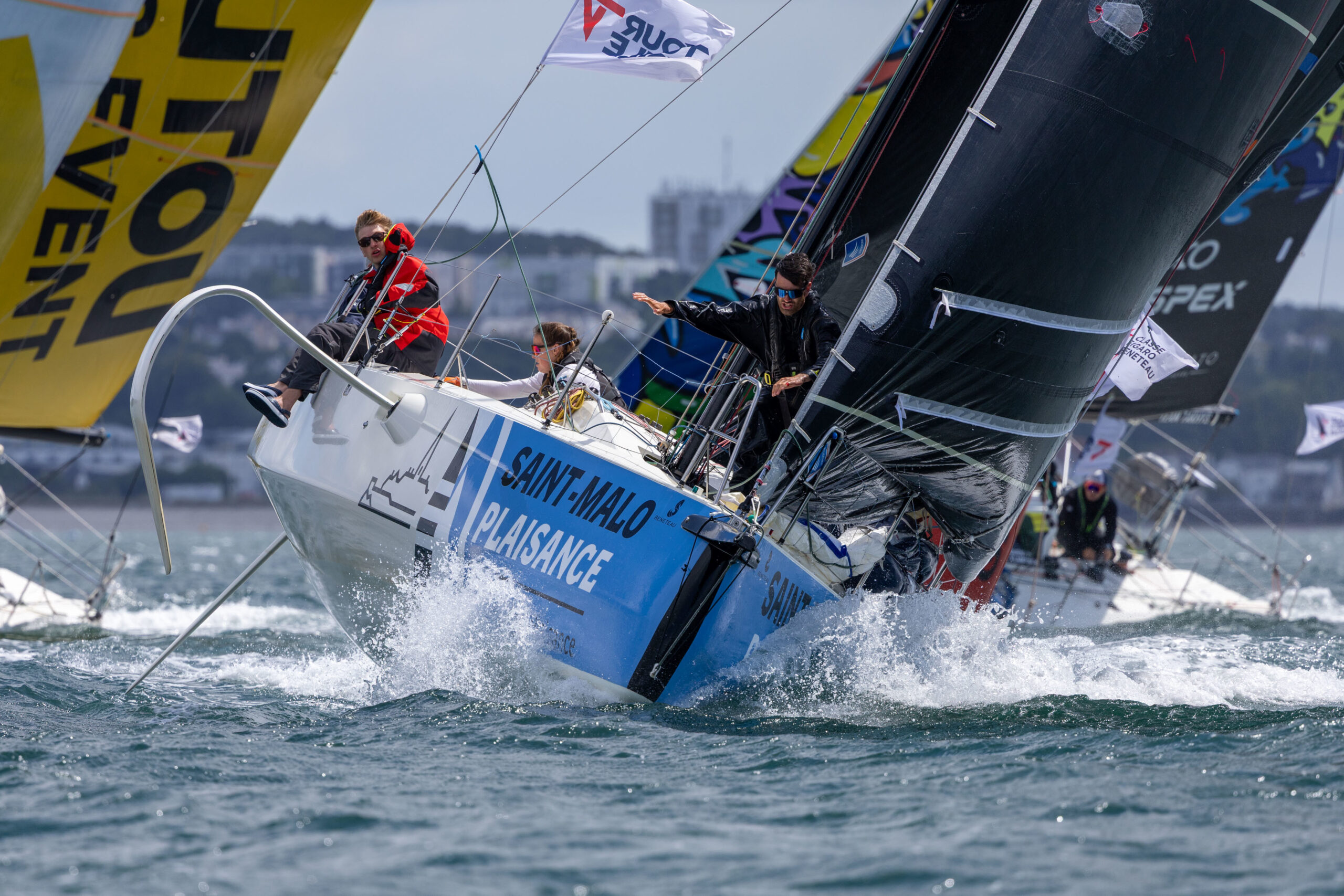
The Tour Voile offshore sailing event returns this summer as a proving ground for developing maritime talent. Running from 24 June to 12 July, the 47th edition will see nine crews and approximately 90 sailors compete across a gruelling circuit that stretches from Cherbourg-en-Cotentin to Larmor-Plage, touching Saint-Malo, Plérin, and Camaret-sur-Mer along the way. But behind the stage wins and final placings lies something more enduring: an institutional commitment to sailor development that has defined the event for decades.
For generations of French ocean racers, the Tour Voile has functioned as a finishing school—a place where day and night sailing, tactical decision-making, meteorology, and crew integration are learned at accelerated pace. Young sailors who arrive as newcomers to offshore racing leave as seasoned practitioners. The 2026 field illustrates this dynamic vividly: of the registered sailors, many are under 26 years old, embarking on their first extended time at sea.
Experience Meets Ambition
The race format mandates crew diversity. Each four-person team must include at least one woman and two sailors under 26, creating structural conditions for mentorship. Pierre Leboucher, who holds the Jules Verne Trophy alongside Thomas Coville, will share a boat with relative newcomers. Charlotte Yven, reigning French Elite Offshore Racing champion, lines up alongside Jules Ducelier, fresh from winning the Normandy Channel Race in Class40. A substantial cohort of competitors are transferring directly from the Solitaire du Figaro Paprec—Paul Loiseau, Lola Billy, Tiphaine Ragueneau, Joss Creswell, Pierrick Letouzé, Paul Cousin, Arthur Meurisse, Arno Biston, Tom Goron, and Paul Morvan among them. On the Figaro Beneteau 3, single-handed performance becomes team performance, and individual ambition must align with collective coordination.

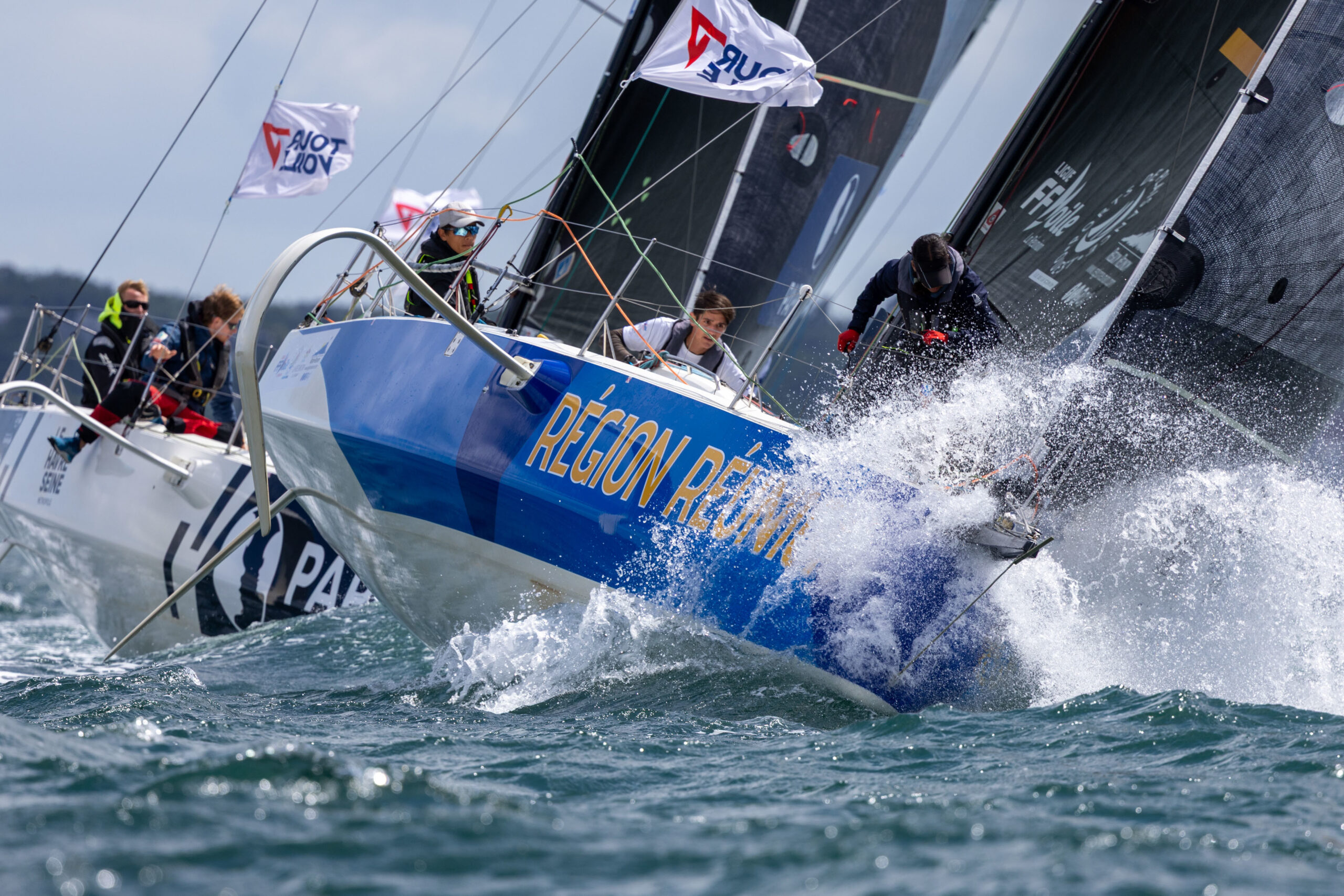
The Filière d’excellence Région Bretagne – CMB’s return to the event after a 12-year absence exemplifies this philosophy. Skipper Victor Le Pape, assembling a squad that pairs experienced navigators with emerging talent, sees both competitive and developmental opportunity: “We know the competition will be fierce and there will be very strong crews at the start. But I believe we have a collective built to win, and I’m very satisfied with the team we’ve assembled. There’s also a strong transmission aspect to this project. We have experienced skippers alongside younger profiles.”
Inclusion and Women in Leadership
The 2026 edition reflects broader shifts in competitive sailing. Women now occupy leadership and decision-making roles as standard rather than exception. Two are leading their own projects: Tiphaine Ragueneau with APCC Centre de Formation and Marie-Adélaïde Le Gué with LGC Sailing – Bretagne Plaisance.
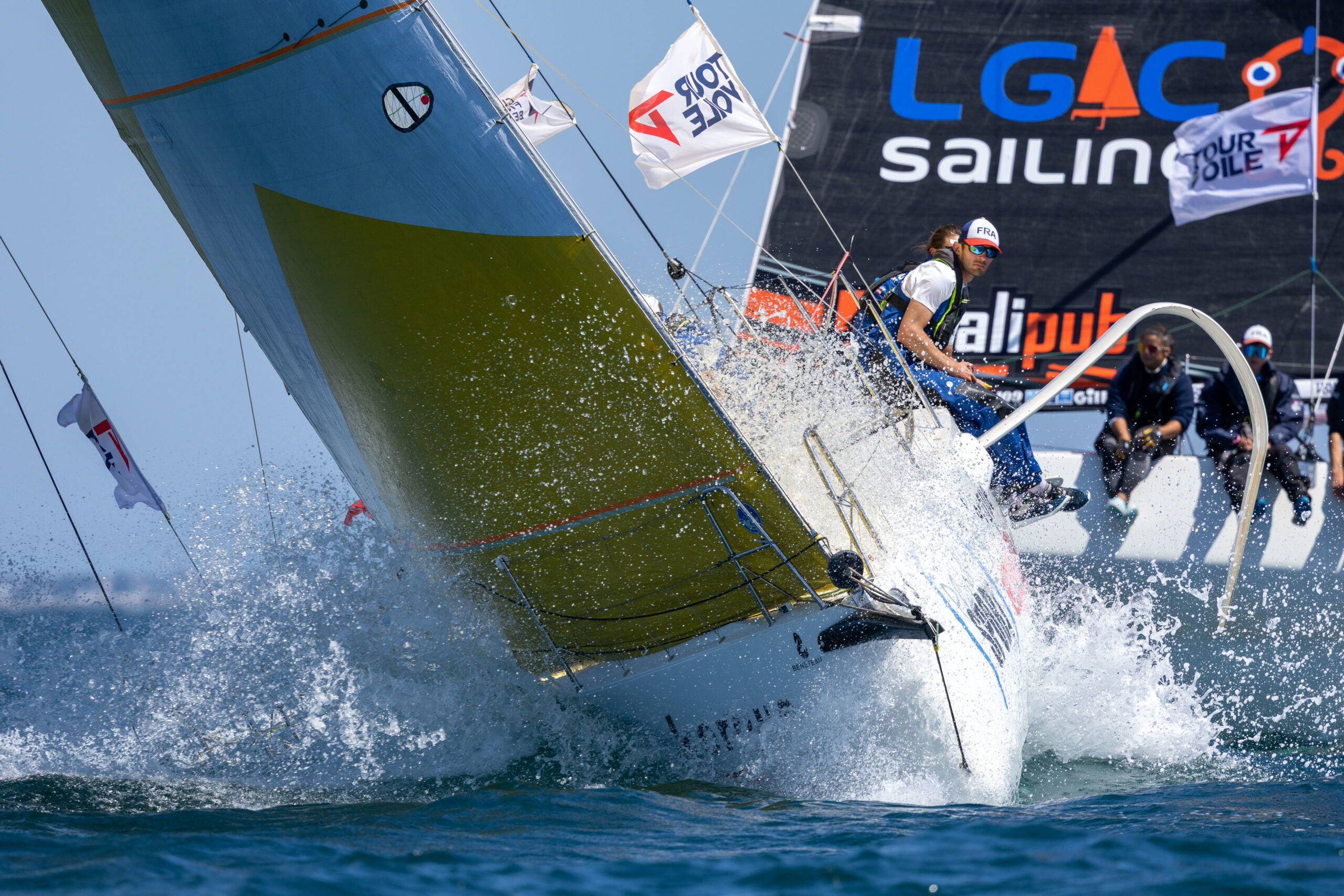
A landmark innovation concerns accessibility. For the first time, race officials are permitting a fifth crew member with a disability on coastal races and technical courses. LGC Sailing – Bretagne Plaisance benefits from this change through Noah Guichoux, a 17-year-old Breton who uses a wheelchair ashore following a stroke at age 14. Last year he became the first disabled sailor to compete in the Tour Voile on a Figaro Beneteau 3. He operates on deck without modifications—his choice—demonstrating that inclusion in what many perceive as an elite, demanding discipline is entirely feasible.

“We advocate for people with disabilities in sailing, often seen as elitist and very demanding,” Le Gué explains. “Noah navigates the boat without special arrangements. He wants to show he can sail under the same conditions as everyone else. His participation last year went very well, and it inspired the Figaro Beneteau class to bring other disabled sailors aboard.”
When a crew finally lifts the trophy at Larmor-Plage on 12 July, the rankings will tell only part of the story. For nearly three weeks, these sailors will have learned, progressed, shared, and grown together. Some will discover offshore sailing; others will confirm their potential. All will have built something larger than themselves. That distinctive quality—the ability to reveal talent while actively constructing it—remains the Tour Voile’s defining strength after decades of operation.