Five Days of Celebration to Mark the Arrival of the First 100% Mixed-Crew IMOCA Transatlantic Race
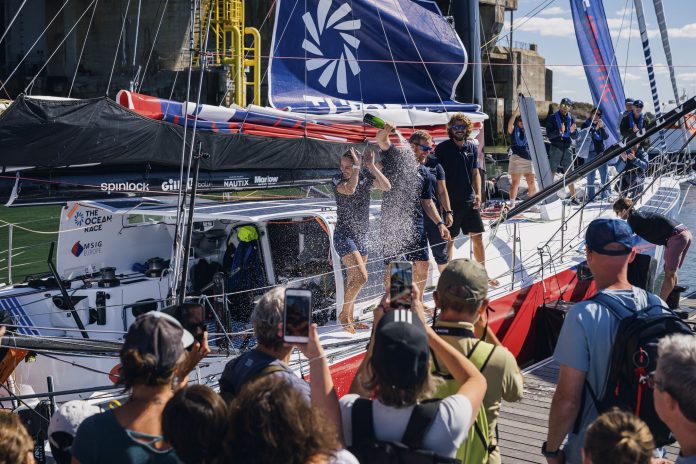
Six IMOCA teams are about to cross the Atlantic under a rule that’s never been tried before in ocean racing: perfectly balanced mixed crews. When they arrive in the French port of Lorient in early September, the city will throw open its doors for five days of celebration that promises to be as much about the ocean’s future as the racing itself.
The Ocean Race Atlantic is the first transatlantic event to mandate two women and two men on every boat, plus an On Board Reporter. It’s a deliberate statement from race organisers that competitive sailing at the highest level should reflect the broader world, and so far six teams have committed to the format, fielding sailors from more than ten nationalities across two hemispheres.
New Zealand’s Conrad Colman is among them, representing MSIG Europe alongside French co-skipper Paul Meilhat. Colman is something of a fixture in Lorient by now, though he hardly springs from its maritime traditions. Boris Herrmann’s Team Malizia will fly the German flag, while Japanese sailor Kojiro Shiraishi leads DMG Mori, supported by British offshore veteran Samantha Davies and Swiss sailor Nicolas Lunven. Swiss skipper Oliver Heer will sail with Marie Riou, a Brest native and rising force in IMOCA racing. American Francesca Clapcich, sailing under Italian and American colours, has recently relocated her team base to Lorient itself.

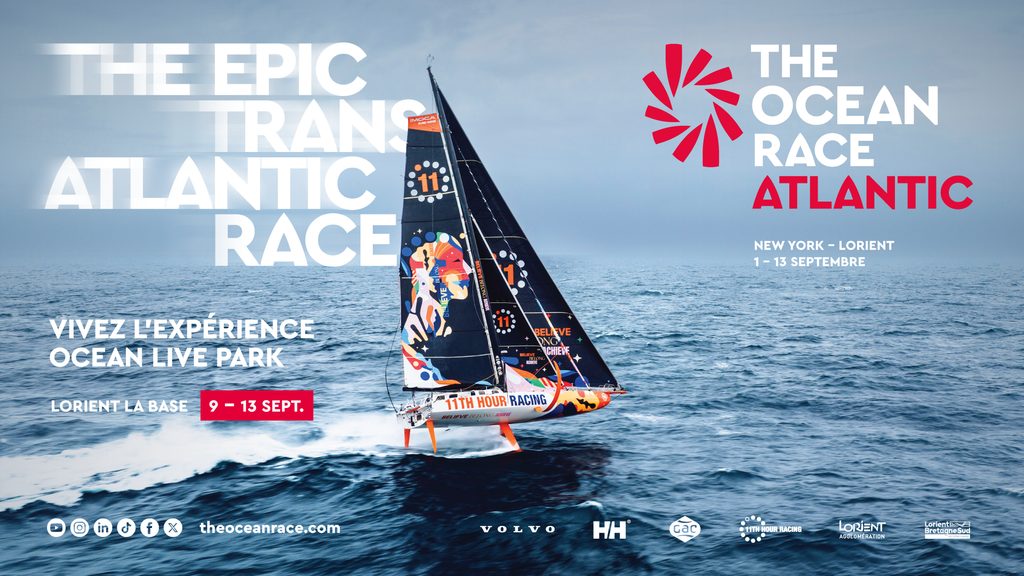
The fleet departs New York on 1 September, racing along the storied transatlantic route where ocean records are chased and made. Nine days later, the first boats should be crossing the finish line in Lorient, where offshore racing forms the backbone of the local economy and culture. The city has welcomed The Ocean Race three times before, but this arrival will carry different weight: it marks a genuine shift in how the sport thinks about itself.
Organisers have designed five days of events around the finish, with a free-entry race village called The Ocean Live Park opening its gates from 9 to 13 September. Beyond the inevitable meet-and-greets and merchandise stalls, the programming includes workshops, dinghy sailing taster sessions, and a Race Cockpit Experience featuring a full-scale replica of an IMOCA cockpit. Educational sessions for local schoolchildren and youth groups will focus on offshore racing, marine science, and ocean conservation.
The schedule includes two days of speed runs in the Courreaux de Groix on 11 and 12 September, where crews will line up for a final competitive test after weeks at sea. That Friday, the prize-giving ceremony takes place on the main stage at Lorient La Base, with three free concerts following each evening: Brooklyn post-punk on the 10th, Breton rock classics the next night, and hip-hop on the 12th. The week closes on Sunday with a Fan Day that brings together local sports clubs and elite sailors to celebrate mixed-gender teamwork and inclusion.
What’s striking about this event is how deliberately it’s been framed as something larger than the race itself. The Ocean Race has explicitly centred its messaging around sporting excellence, innovation, ocean health, and public engagement. Whether that translates to meaningful change in how women are valued in offshore sailing remains to be seen. But sending six teams across the Atlantic with gender balance written into the rules, not negotiated reluctantly around the edges, is a starting point that previous generations of ocean racers didn’t have.

Colman and Meilhat face strong competition. Herrmann comes with proven IMOCA pedigree, while Shiraishi’s DMG Mori team includes two world-class racers in Davies and Lunven. Riou has impressed observers in her short time at the highest level. The nine-day sprint will sort out who’s prepared and who’s hoping luck favours the fast. But in Lorient, whatever happens on the water, there’s already something worth watching unfold on shore.