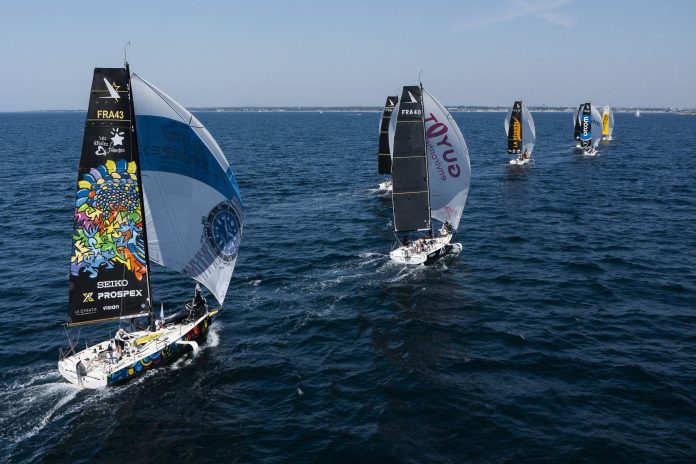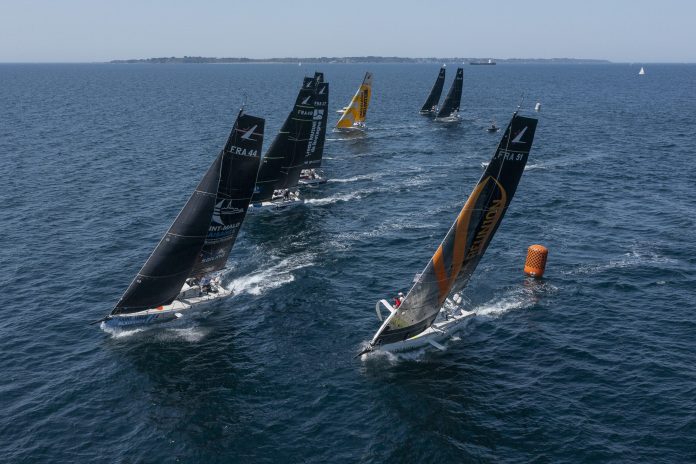
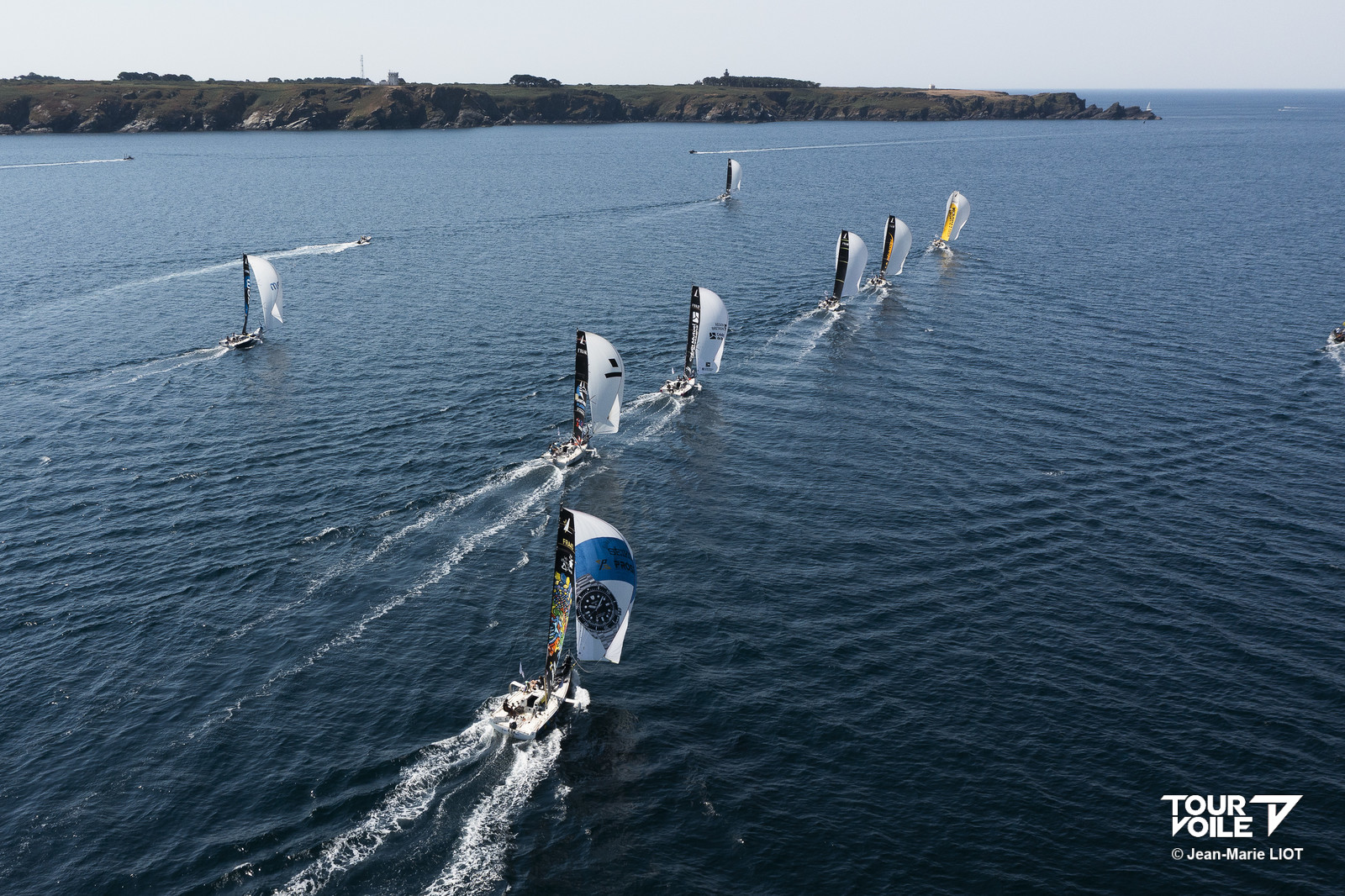
The 47th edition of Tour Voile 2026 wrapped up Sunday in Lorient with the same sharp competition that had run all week since the start in Cherbourg-en-Cotentin. Northeast winds between 8 and 15 knots pushed the fleet through two structured courses and a 12-nautical-mile coastal race on the final day—three legs that made clear just how evenly matched the Figaro Beneteau 3 fleet really was. No one got comfortable out there.
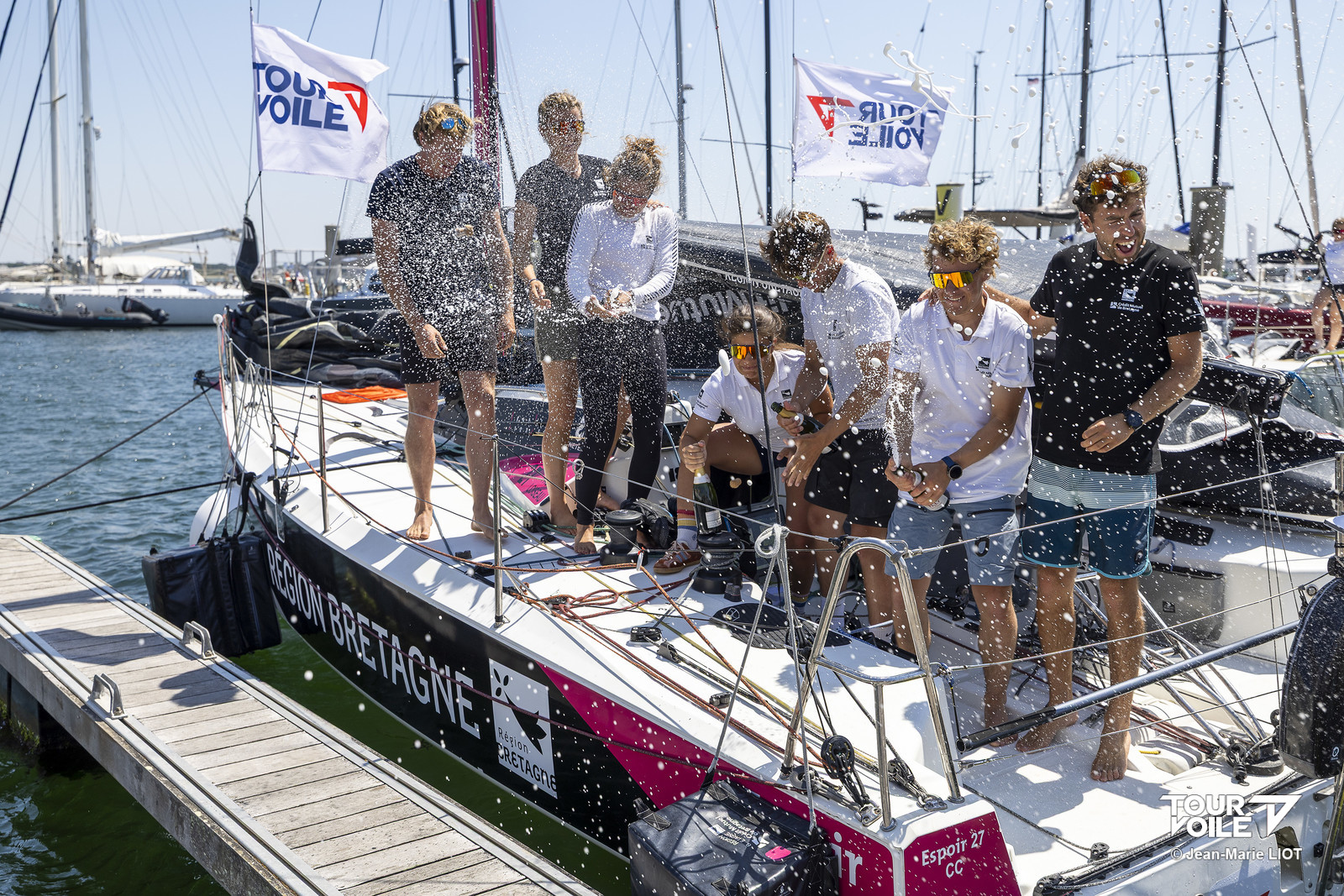
Région Bretagne – CMB Espoir and Dunkerque-Kiloutou had already wrapped up first and second earlier in the week. The real drama came down to third. PAPREC by Normandy Inshore Program and La Réunion were separated by half a point going into Sunday, and PAPREC held on through defensive racing that needed flawless execution to stick.
Half a Point Separates Everything
The final battle between PAPREC by Normandy Inshore Program and La Réunion defined what made this edition distinctive. Both crews knew that one slip could drop them off the podium entirely. The racing played out like a high-speed game of chess—marking, attacks, counter-attacks, laser focus on the boat metres away.
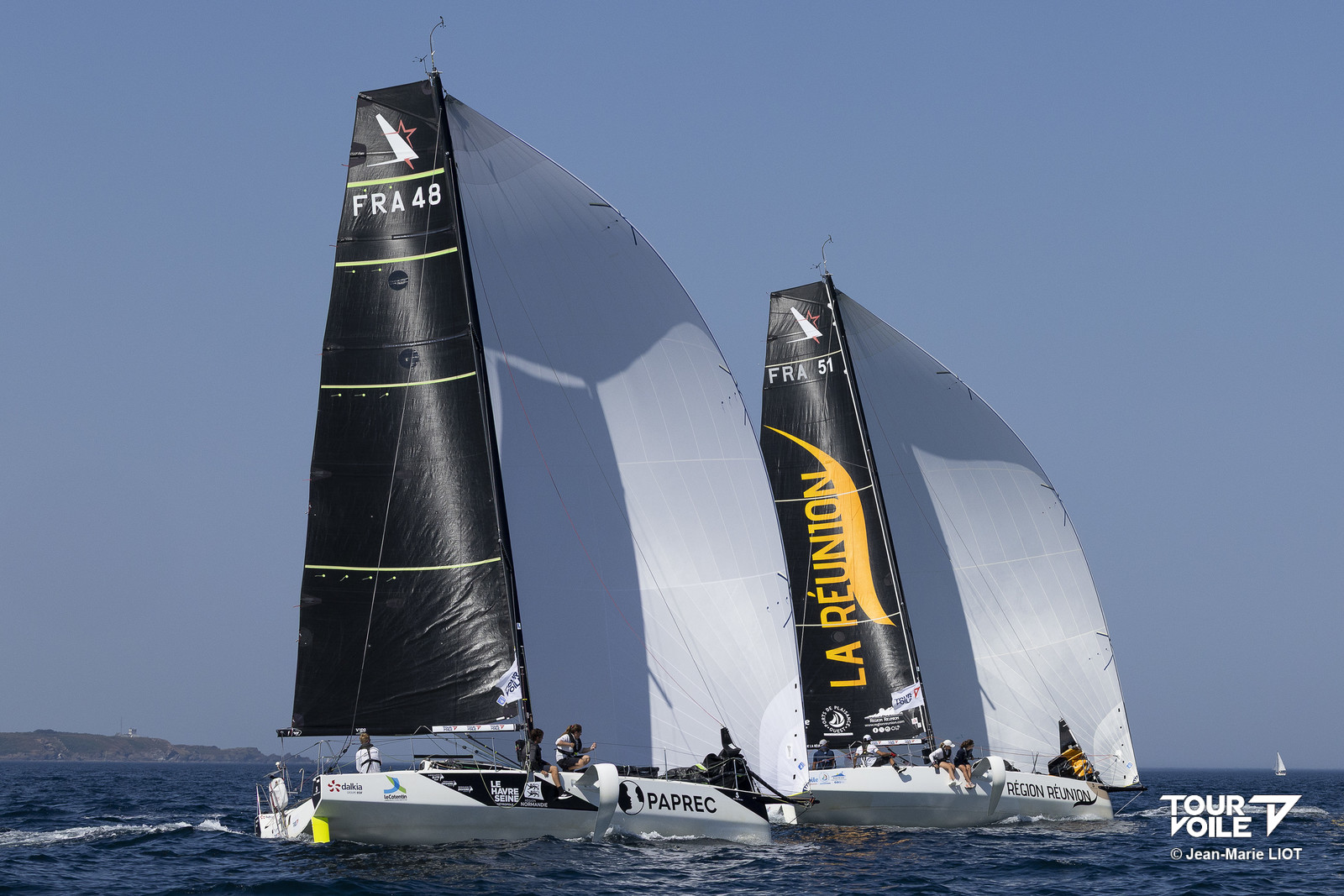

Noa Geoffroy, sailing third place across the line, felt the relief when it ended. “The first race gave us a little breathing room,” he said. “Then Normandy came back. Before the coastal race, everything was still up in the air. We had two match-racing specialists on board who handled the contact situations perfectly. That’s what got us across the line in third. We’re mostly just relieved.”
La Réunion’s Aurélien Barthélemy took the loss hard. His crew had clawed back from a slow start and mounted real pressure down the stretch. “We finished that coastal race knowing we’d given everything,” he said. “The disappointment is enormous, but it’s not from today. It comes from the beginning. We took too long to get going. We’ve sailed very well for the past week, but Tour Voile is the full event, not just the last few races.”
Dominance That Didn’t Feel Dominant
Région Bretagne – CMB Espoir showed up Sunday with the race already won. Nine race victories and three Grand Prix titles had locked up the overall crown. Yet the appearance of dominance didn’t match what happened on the water, according to Paul Loiseau.



“The results look clean when you scan the standings,” he said. “You might think we sailed away from everyone. But out there, it was always tight. Winners kept changing. We had to stay completely focused every single race.”
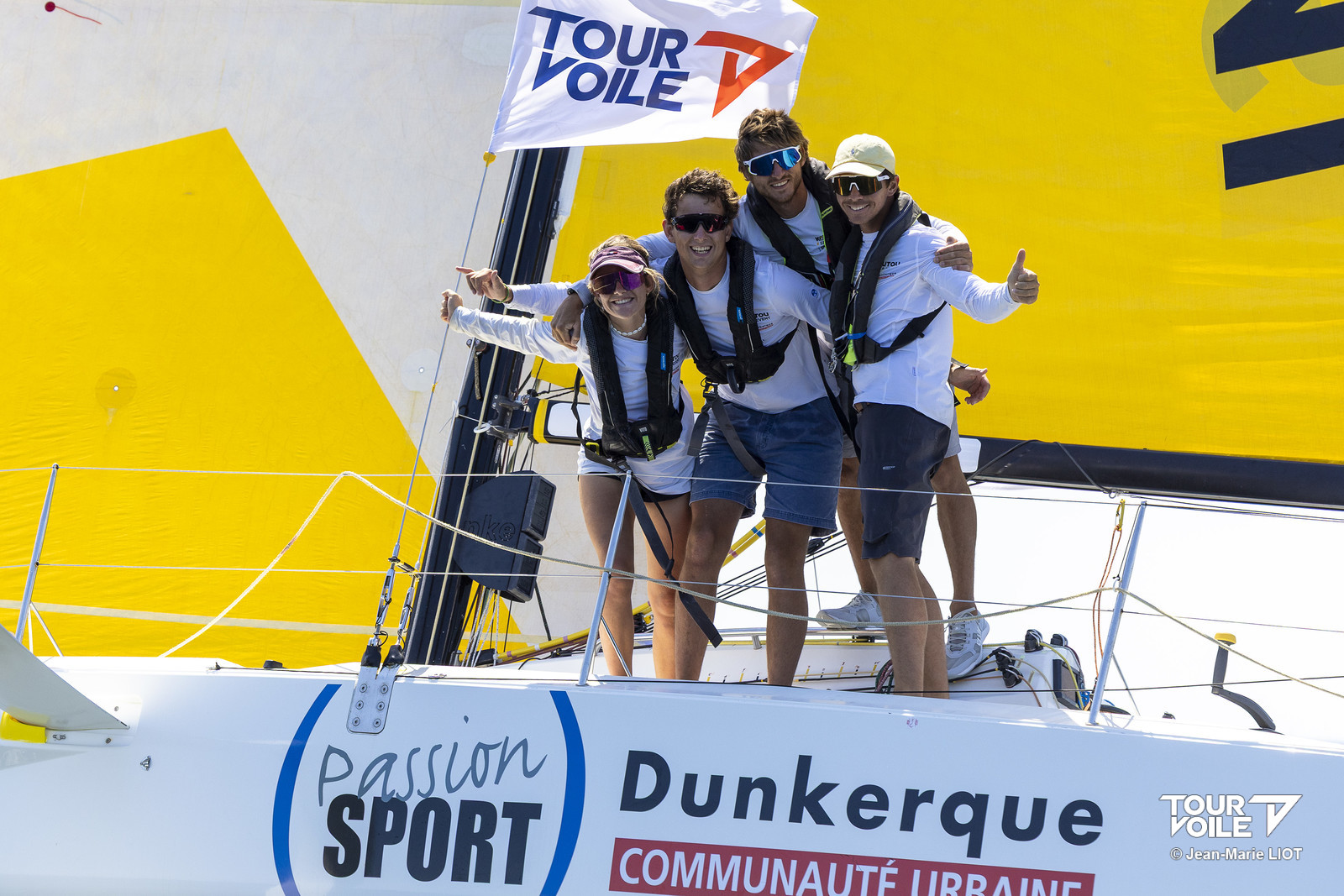
What really won it was consistency—the ability to be fast in any condition, across both structured races and coastal rallies, with a crew that had only come together weeks before the start. The Breton team kept their edge through crew work and adaptability. They never gave the fleet an opening.
The Format Works
CER – Ville de Genève took the final Grand Prix with two wins on Sunday, a fitting punctuation mark. Théo Gonin savored the finish: “To end like that is really excellent. The wind finally showed up and it felt good. We won the first structured race, then the coastal race—perfect.”
But beyond the standings, sailors kept coming back to the same point: Tour Voile 2026 pushes crews to places they don’t usually go and speeds up their development. Arthur Meurisse, whose Dunkerque-Kiloutou team finished second for the second straight year, had a pitch for anyone thinking about showing up next time.
“There was genuine racing right to the end. We had a blast on the water and I think everyone learned from everyone else. We ran 32 legs and the smallest mistake could cost multiple spots all the way to the final race. To every Figaro sailor reading this—come. It’s a fantastic event. It’s hyper intense and everyone leaves with a smile and having made enormous progress.”