The seventh and final day of North Sails Cowes Week brought the kind of racing that separates memorable regattas from forgettable ones. With titles decided across multiple fleets and the pressure of competition reaching its peak, competitors took to the waters off the Isle of Wight for one last chance to stake their claims.
The conditions on the last morning offered little mercy. Wind patterns shifted unpredictably, forcing tacticians to make split-second decisions as boats jostled for position on crowded racecourses. Some crews had already secured their overall victories and sailed with the freedom that comes from knowing the placings won’t change. Others were locked in tight battles, fighting for every boat length that might move them up a place or two in the final standings.
What unfolded across the day told different stories depending on which class you watched. In the faster fleets, tactical nous mattered as much as boat speed. Sailors who had spent the week reading pressure patterns and understanding how the wind bent around the Solent’s geography found themselves rewarded. Slower, smaller craft had to rely on pure consistency, and those who had maintained steady performances throughout the week typically crossed the finish line in good order.
The variety of boats competing at Cowes Week has long been one of its strengths. From sleek IRC racing machines to traditional wooden vessels, from high-octane one-design fleets to amateur boats crewed by friends, the regatta accommodates everyone. This breadth means the final day delivers drama across the board. A win in one fleet might come down to a photo finish. Elsewhere, a boat that had been struggling all week suddenly found the conditions to suit its design and finished strong.

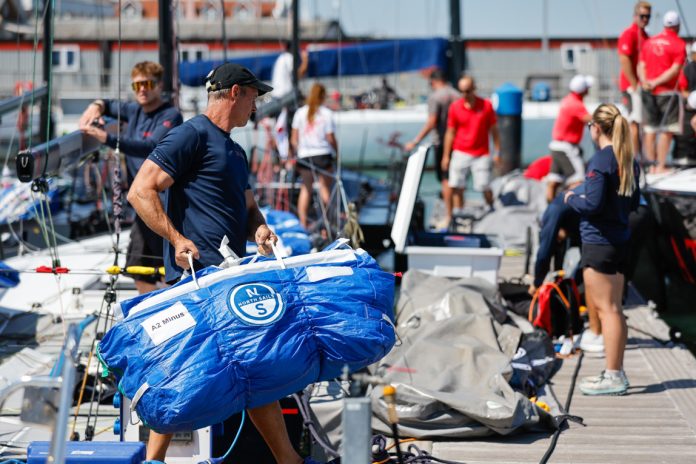
By late afternoon, the racing had wrapped and the first boats were heading back to their moorings. Crews gathered on pontoons and in bars around the harbour, recounting the day’s events and swapping stories from the week. Some were celebrating wins. Others were already thinking about next year, mentally noting what they’d do differently.
Cowes Week’s reputation rests on more than just the racing itself. The regatta draws sailors from around the world, many of whom return year after year. For New Zealand competitors especially, making the journey across the Tasman to race in British waters carries real significance. The standard of competition is unforgiving, the conditions demand respect, and the history embedded in these waters runs deep.
The final day of any major regatta carries weight. Winners are crowned, performances are assessed, and sailors depart with either satisfaction or determination to return stronger. At Cowes, that tradition continued as it has for decades. The boats were packed away, the crews dispersed, and the Solent returned to its quieter rhythms. But for everyone who competed, the week would linger in their minds through the months ahead.