A British sailing charity has handed out 200 free introductory sessions to young people during Cowes Week, marking a significant milestone for youth engagement at the Isle of Wight’s famous offshore racing festival.
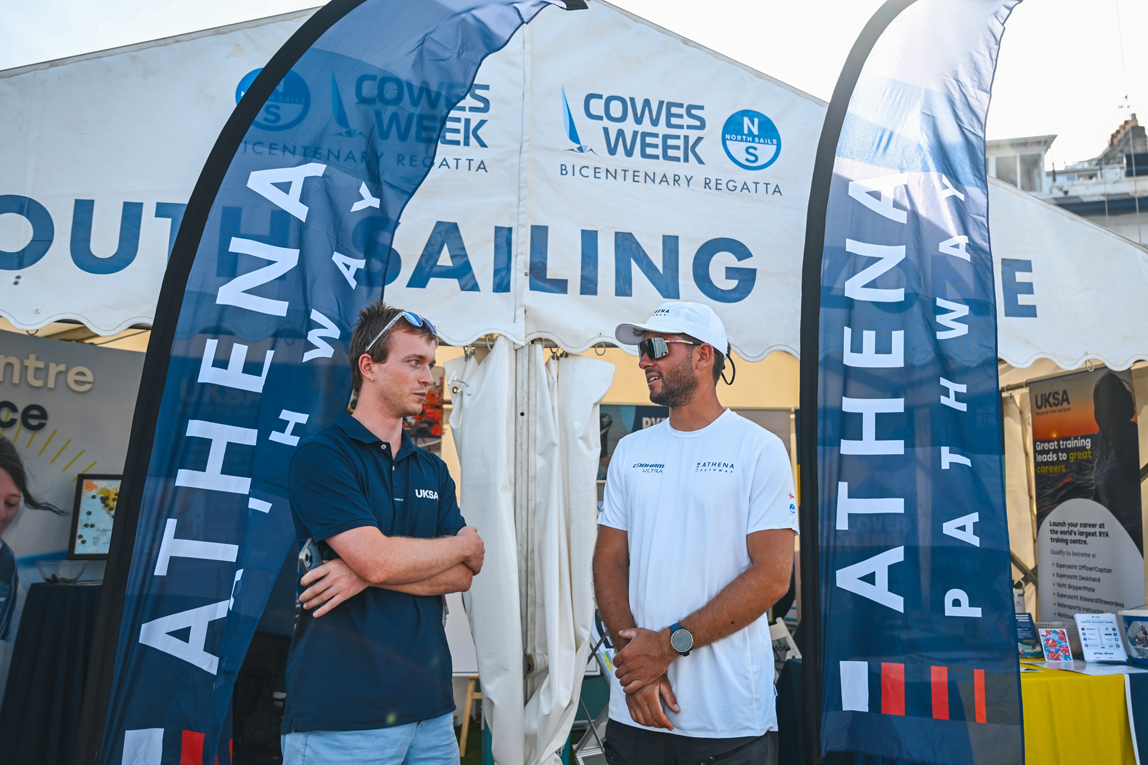
The UK Sailing Academy, operating its Youth Sailing Zone from the Parade at Cowes, set the ambitious target as part of celebrations around the event’s 200th anniversary. Staff and volunteers reached that number this morning, with two days still remaining before the festival closes on Friday evening. Each of the 200 participants will get time on the water with UKSA instructors, gaining their first taste of sailing without cost or prior experience required.
What makes the scheme work is its simplicity. Young people simply turn up, and within minutes they are either in a boat or watching from close quarters as instructors take them through the basics. There is no application form, no waiting list, no requirement to own equipment or know anything about sailing. For teenagers and younger children growing up away from regular sailing opportunities, this remove-the-barriers approach proves effective.
The Gosling Foundation backs the initiative, recognising that access to water-based activity remains uneven across the UK. Sailing has a reputation for being exclusive, expensive, and tied to family connections or private clubs. UKSA’s pop-up zone challenges that assumption directly. Over two weeks at Cowes Week, 200 young people now have a concrete memory of being on the water and the possibility of returning to sailing later in life.

Cowes Week itself attracts thousands of competitors and spectators annually. The race course fills with keelboats, dinghies, and larger yachts competing across various classes, drawing serious offshore sailors from across Europe and beyond. Against this backdrop of elite competition, the Youth Sailing Zone operates on a different frequency entirely, focused not on lap times or trophies but on opening doors.
Reaching the target matters partly because it demonstrates demand. Youth organisations often struggle to quantify interest in sailing without actually testing it. UKSA’s data here is clear: 200 young people wanted to participate during a two-week window at a major sailing event. That suggests untapped appetite for the sport among the younger population.
The remaining hours of Cowes Week offer a final window for other young people to join the programme. Weather, tide, and volunteer availability permitting, more sessions could still run through Friday. Either way, the zone has already delivered on its bicentenary commitment.