# ARTICLE OUTPUT
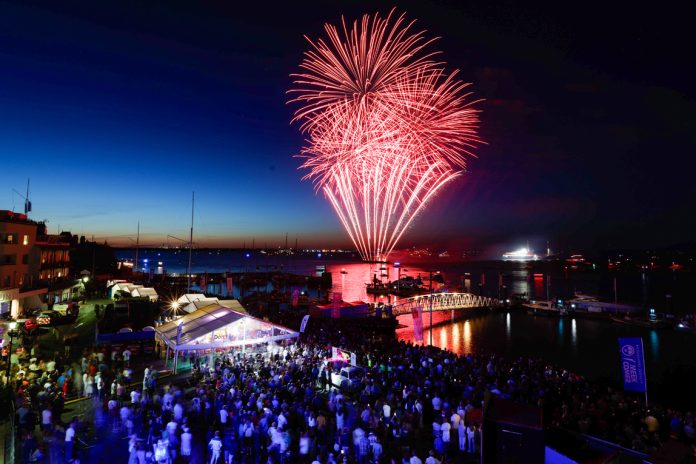
The Solent in August remains one of sailing’s most intoxicating testing grounds, and North Sails Cowes Week continues to prove why. With hundreds of yachts converging on the Dorset coast each year, the event has become the world’s longest-running annual regatta, a fixture that draws competitors from across the globe who treat the racing with the same intensity they’d apply to Olympic or world championship campaigns.
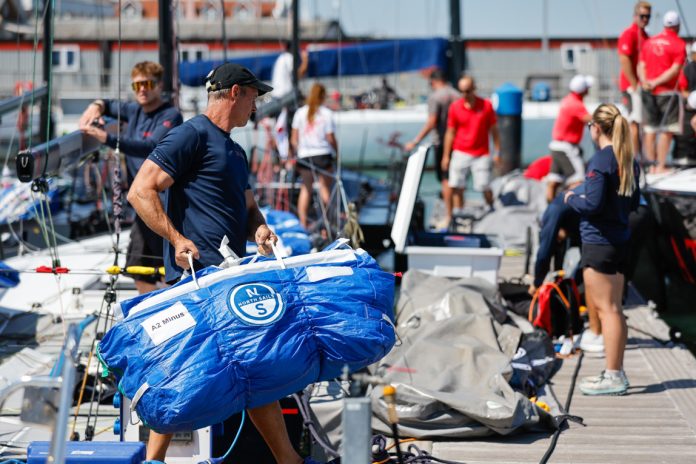
What makes Cowes Week remarkable is its refusal to rest on tradition. Recent editions have worked hard to broaden participation beyond the old guard of keelboat racing, recognising that the sport needs fresh blood and new perspectives to remain relevant. Women’s Day, now a cornerstone of the week’s programme, represents more than a token gesture. It sends a clear signal: sailing at this level belongs to everyone willing to put in the work.
The scale of what unfolds across the Solent each August is genuinely impressive. Racing spreads across multiple classes, from the elegant and competitive IMS divisions through to one-design fleets where equipment matters far less than tactical awareness and crew work. The starting lines stretch across the water in seemingly impossible complexity, yet race officers manage the logistics with the kind of precision that would make a military operation look haphazard by comparison.
For New Zealand sailors, Cowes Week holds particular appeal. The offshore racing heritage that defined NZ’s nautical culture translates directly here. Kiwis understand the fundamentals that separate winning from participating: reading conditions on the water, anticipating competitor moves several legs ahead, and executing manoeuvres with minimal wasted motion. Several NZ crews have competed at Cowes over the years, and the experience typically sharpens their competitive edge for domestic campaigns.
What separates Cowes from other major regattas is the week-long commitment it demands. Single races don’t define outcomes. Instead, consistency across the schedule sorts out who truly belongs near the front. This format rewards sailors who manage fatigue, maintain focus across multiple days, and stay composed when conditions turn challenging or frustrating results pile up.
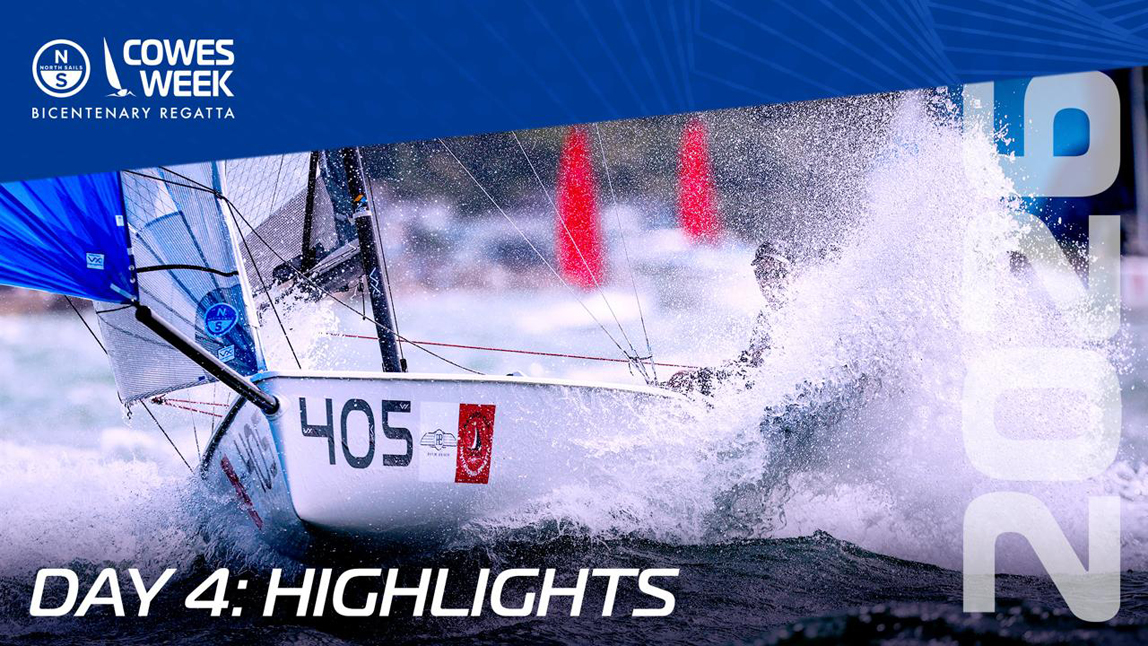
The video coverage that accompanies modern Cowes Week reporting offers genuine value for sailors unable to attend. Watching how other crews approach familiar tactical scenarios, seeing how top skippers read wind shifts and position themselves in fleet racing, and observing how professionals manage the pressure of competitive racing provides education that training sessions rarely match. The production quality has improved considerably, making the racing accessible rather than obscure.
For anyone serious about understanding how top-level keelboat racing functions, Cowes Week remains essential viewing. The combination of traditional reverence for the sport and willingness to evolve with the times keeps it fresh. Women’s Day in particular signifies that this venerable event understands the future belongs to the sport’s ability to welcome anyone with genuine passion and competitive drive.