Discover how Maritimo’s luxury motor yacht hulls are crafted through composite construction, combining engineering precision, skilled craftsmanship and enduring quality.
# The Hidden Foundation: Inside Maritimo’s Hull Construction Philosophy
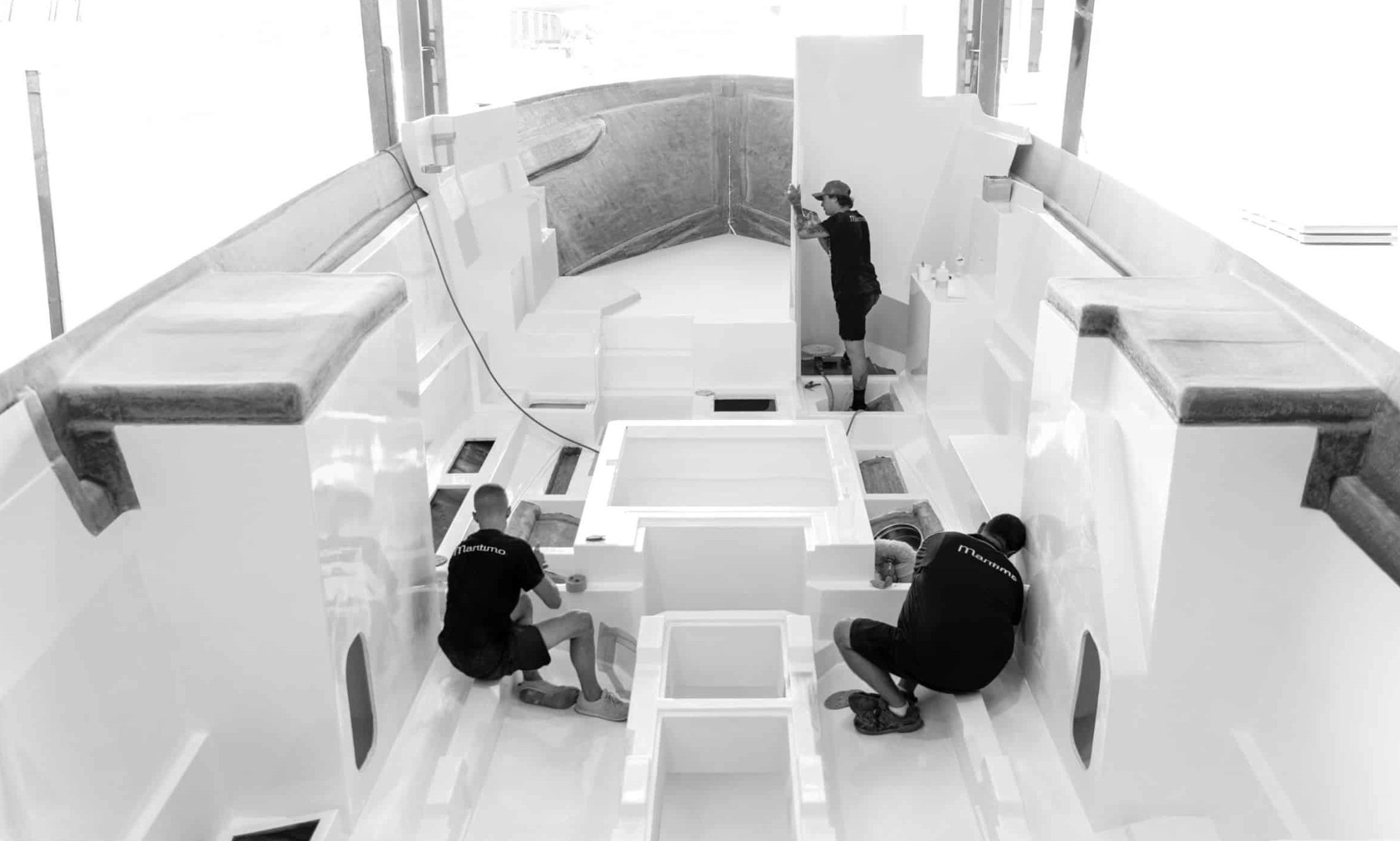
Long before a Maritimo motor yacht sees water, before its engines are fired up or its interior fitted out, the real craft begins. Deep within a Queensland factory, skilled laminators are building the structural foundation that will define everything that comes after, yet most owners will never witness this critical stage. It happens in silence, hidden beneath the gleaming white gelcoat that becomes synonymous with the brand’s reputation.
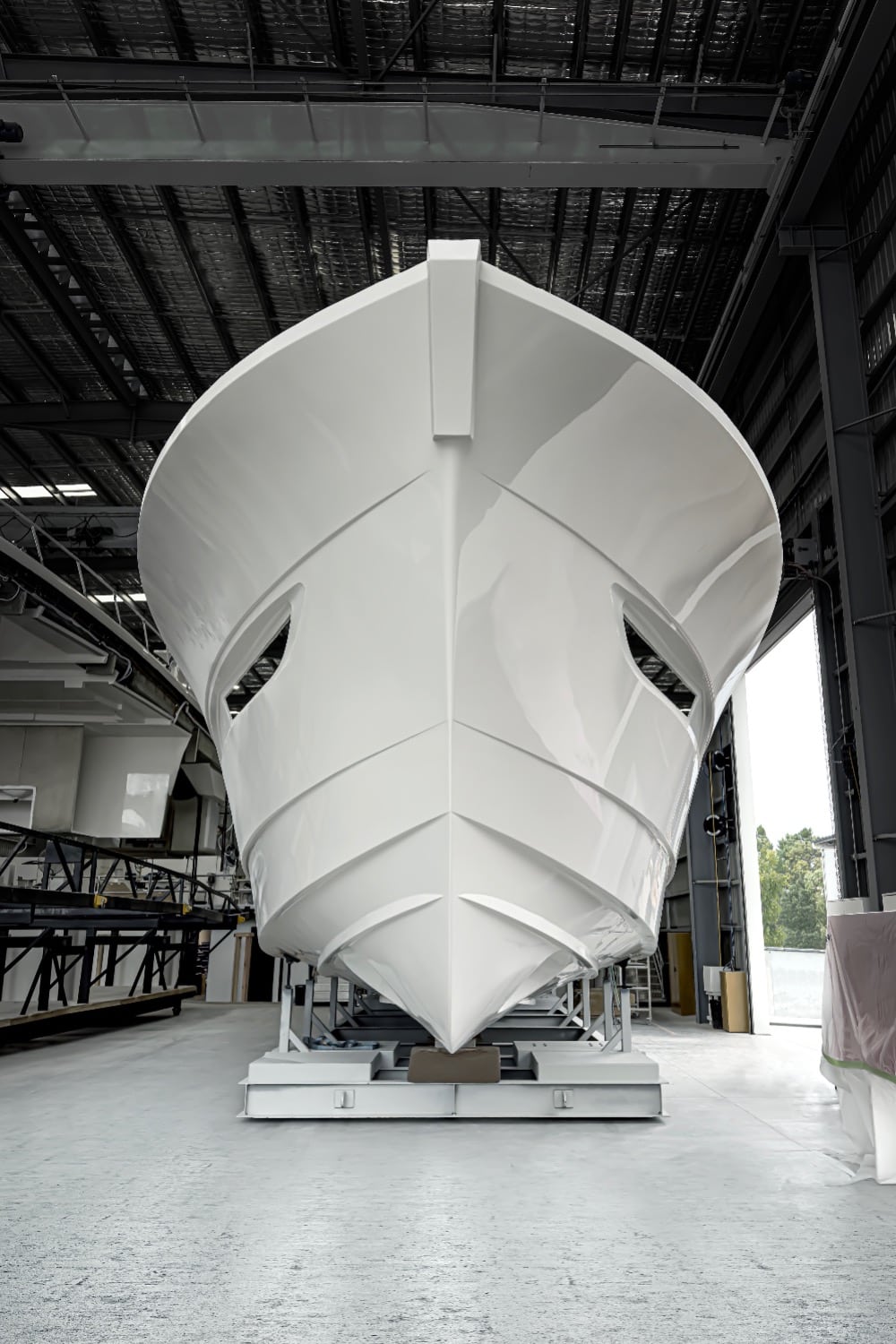
Chris Reeve has spent more than two decades in composite construction, and he’s never lost his fascination with the work. As Maritimo’s Head of Lamination, he oversees a process that sits at the intersection of chemistry, engineering and sheer human skill. “I fell in love with it immediately,” Reeve explains. “Once I realised what was involved, I just wanted to learn everything as fast as I could.”

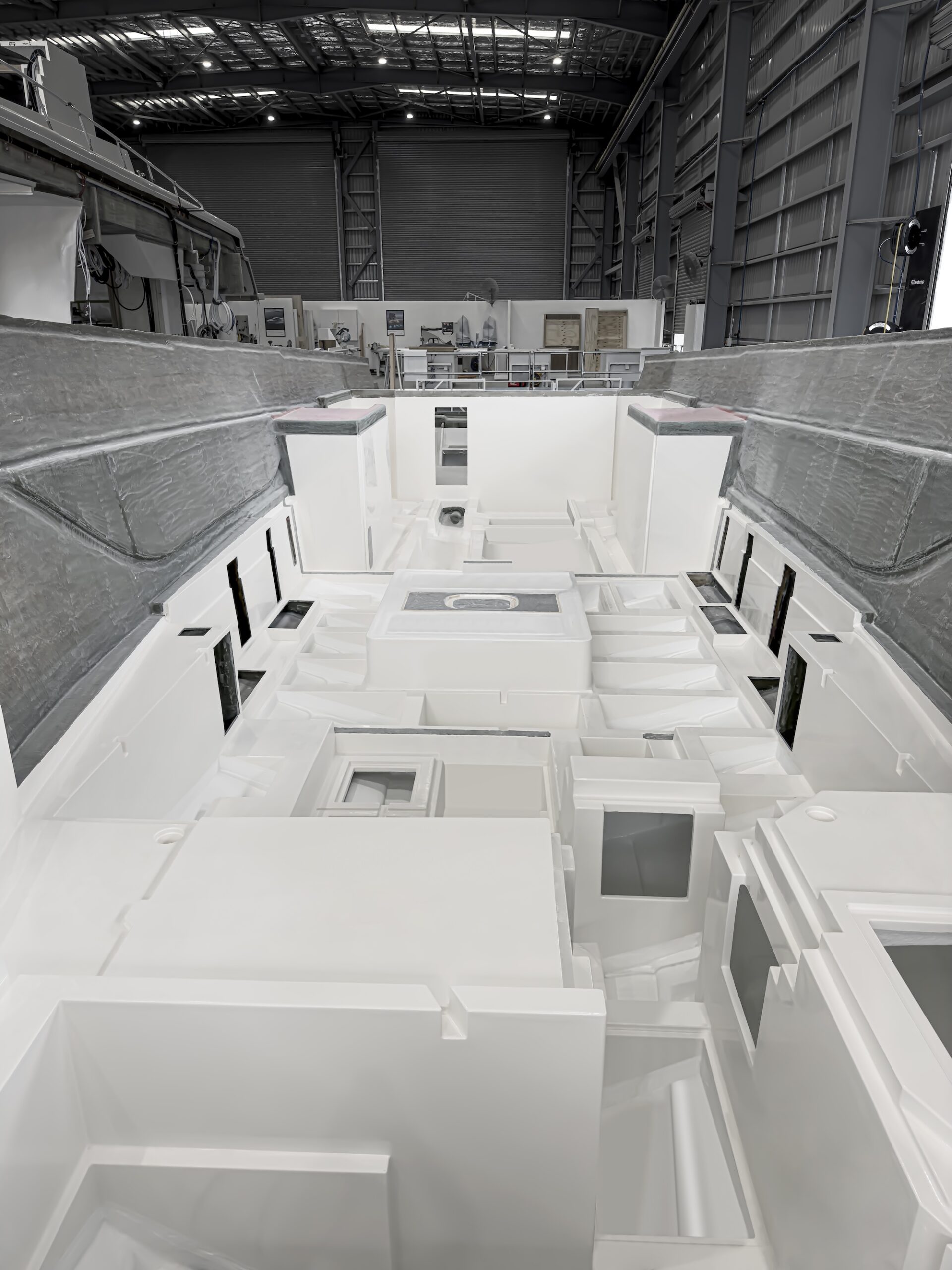
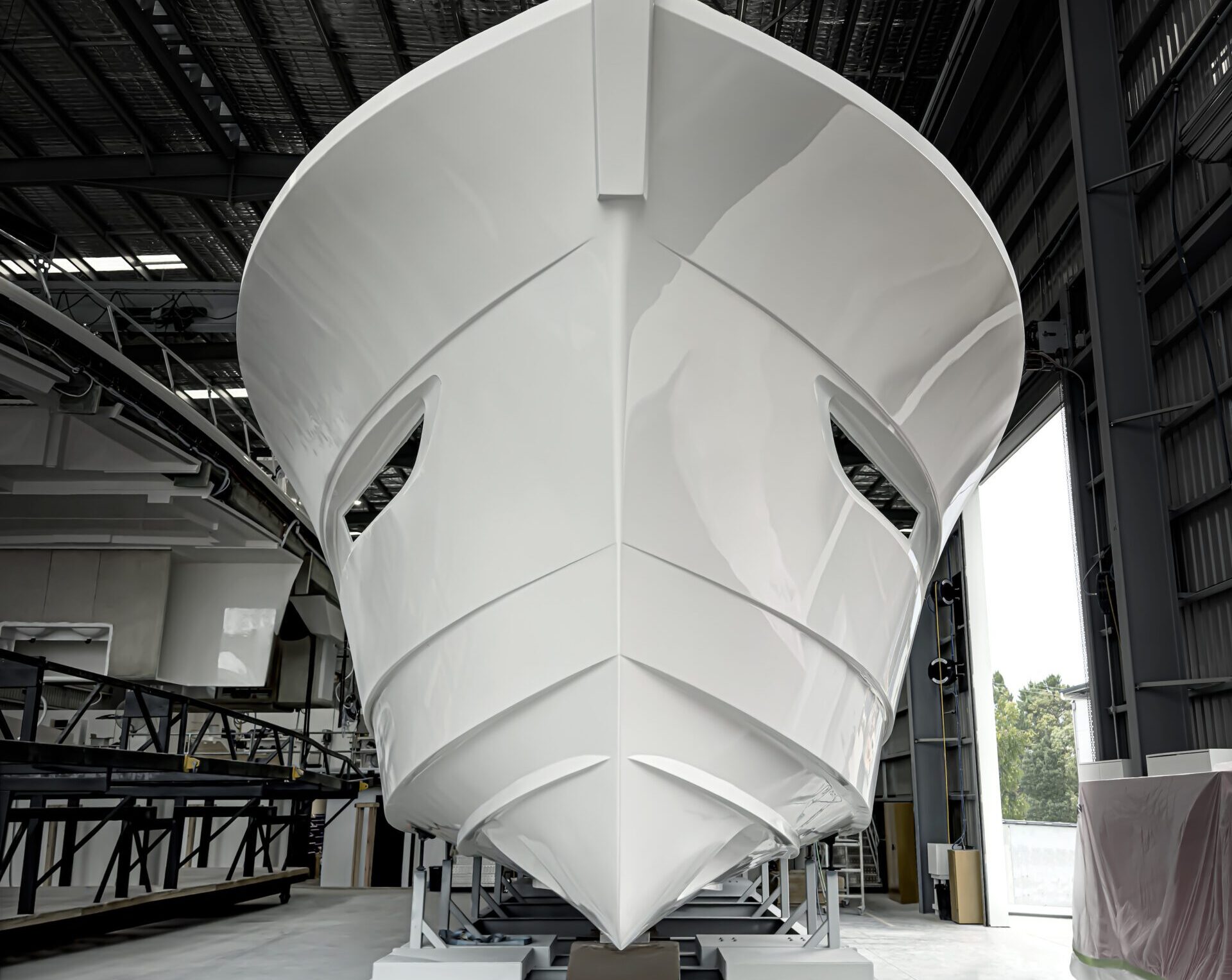
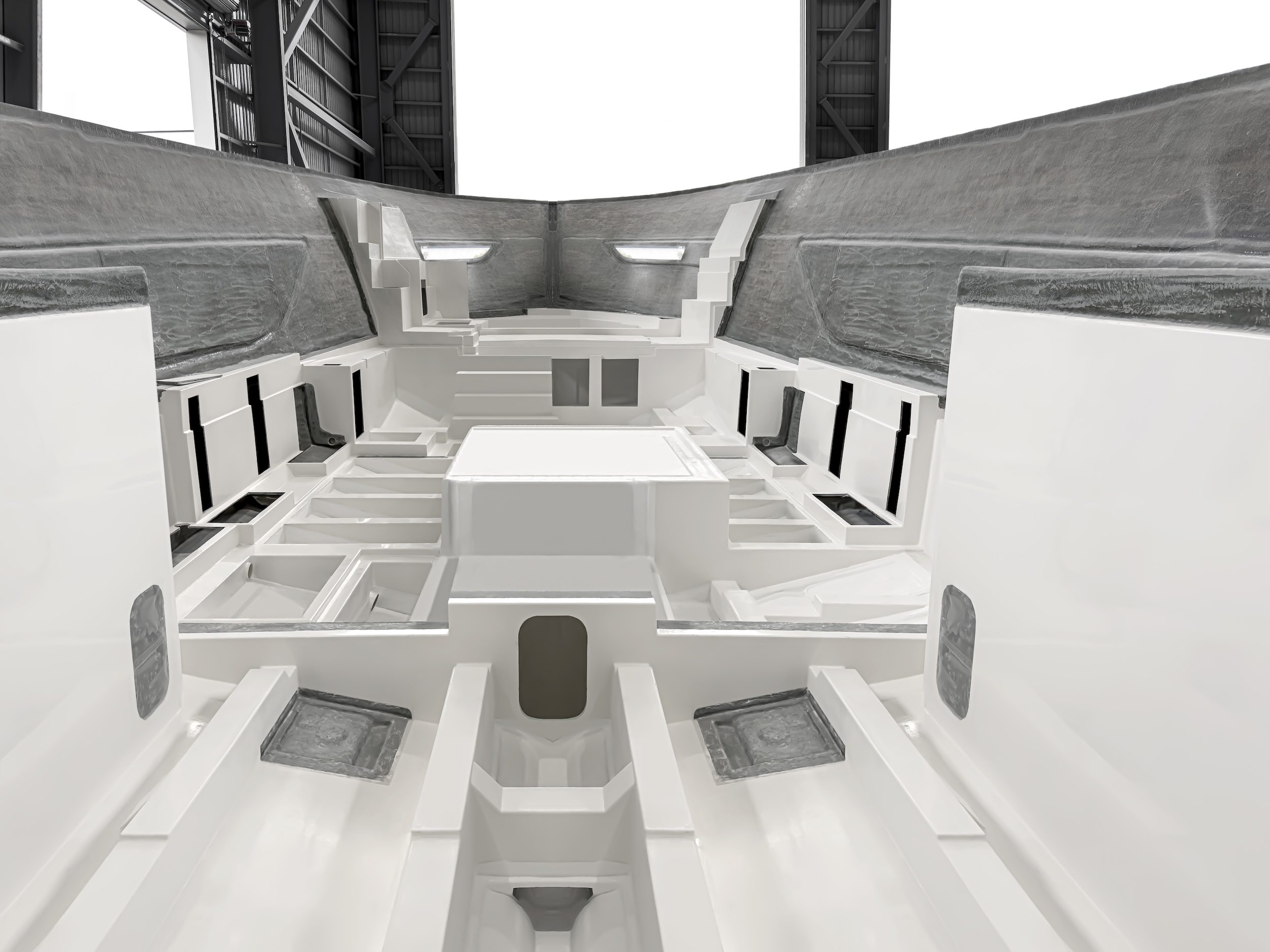
What begins as a carefully prepared mould receives its first coat of pristine white gelcoat, which will eventually become the hull exterior owners admire. From there, successive layers of fibreglass reinforcement and precisely formulated resins are applied in a strictly controlled sequence. Each laminate schedule has been refined over years of engineering work, balancing weight, strength and durability to deliver the performance expected of a long-range offshore cruiser.
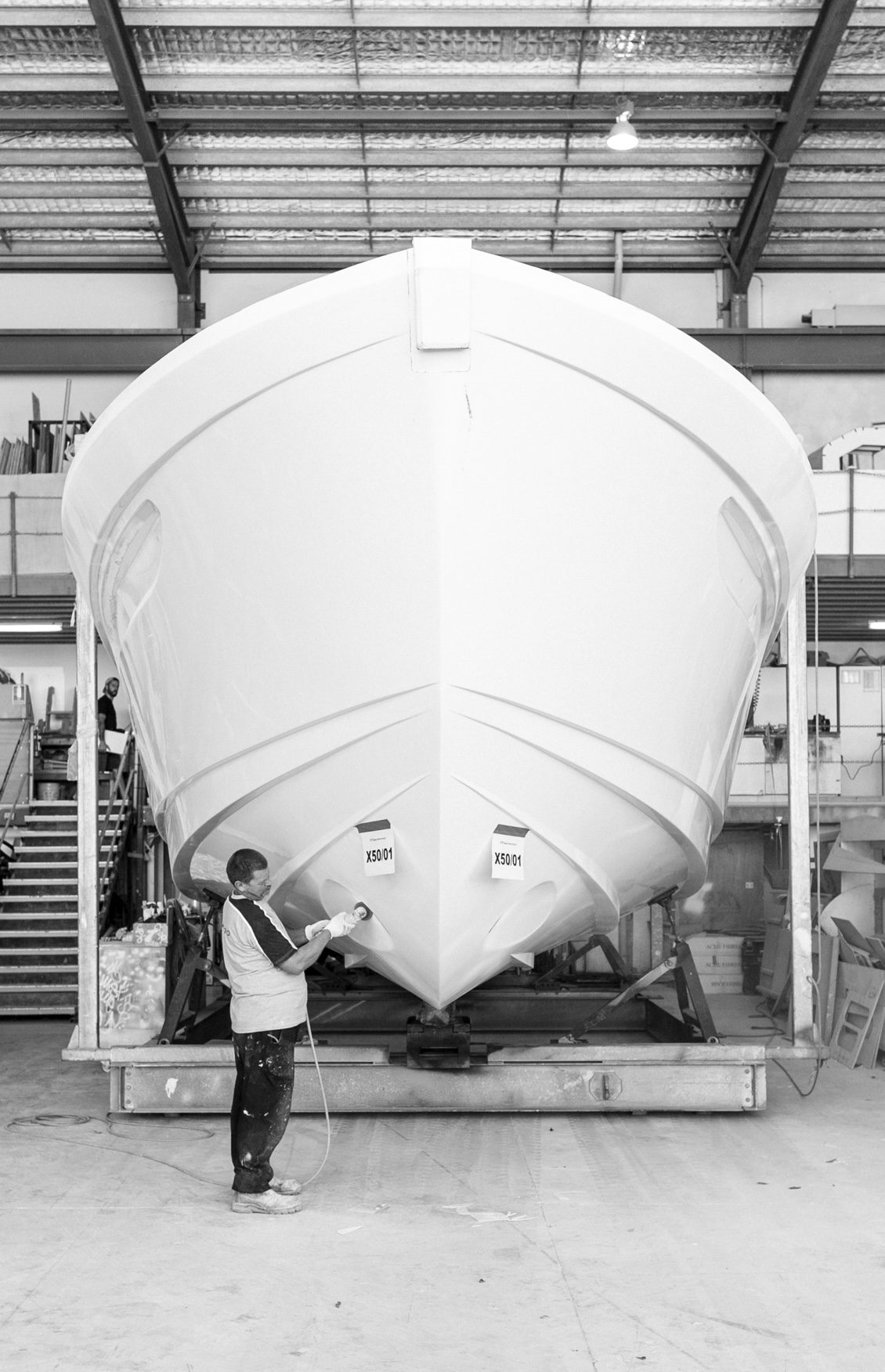
The work demands an almost obsessive attention to detail. Unlike other manufacturing processes where minor flaws can be hidden later, composite construction offers few shortcuts. Every layer performs a specific structural function. Every stage depends entirely on the previous one being executed flawlessly. Temperature, humidity and atmospheric conditions influence how resins cure, requiring constant vigilance throughout the process. “It’s so susceptible to weather changes,” Reeve notes. “You’ve got to be your own weatherman.”
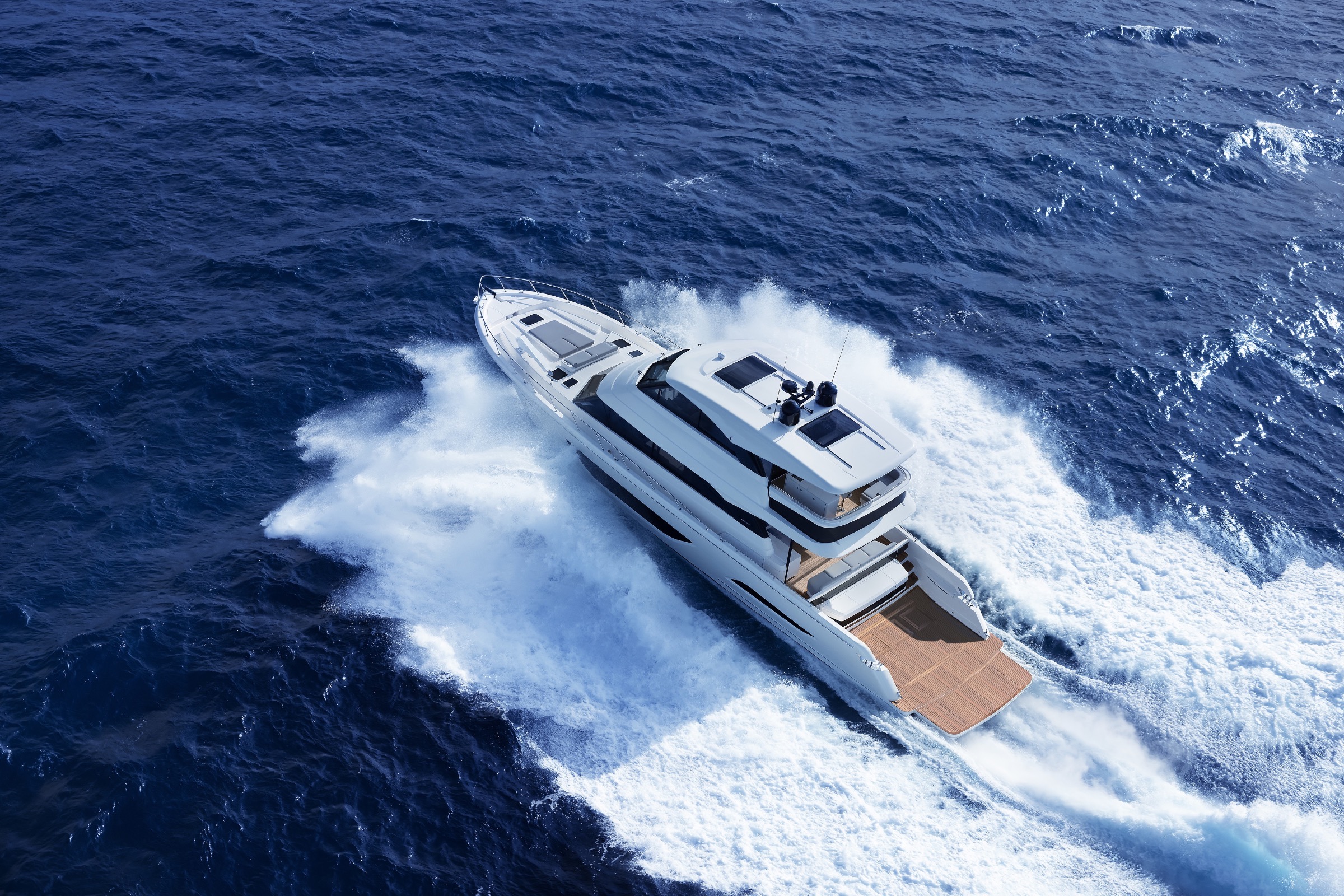
Rather than forcing production schedules around arbitrary deadlines, Maritimo adapts timing to environmental conditions. Major laminating operations in Queensland often begin before sunrise during summer months to avoid extreme heat. Winter schedules shift to take advantage of warmer afternoons. This flexibility reflects a deeper philosophy: the timetable serves the process, not the other way around.
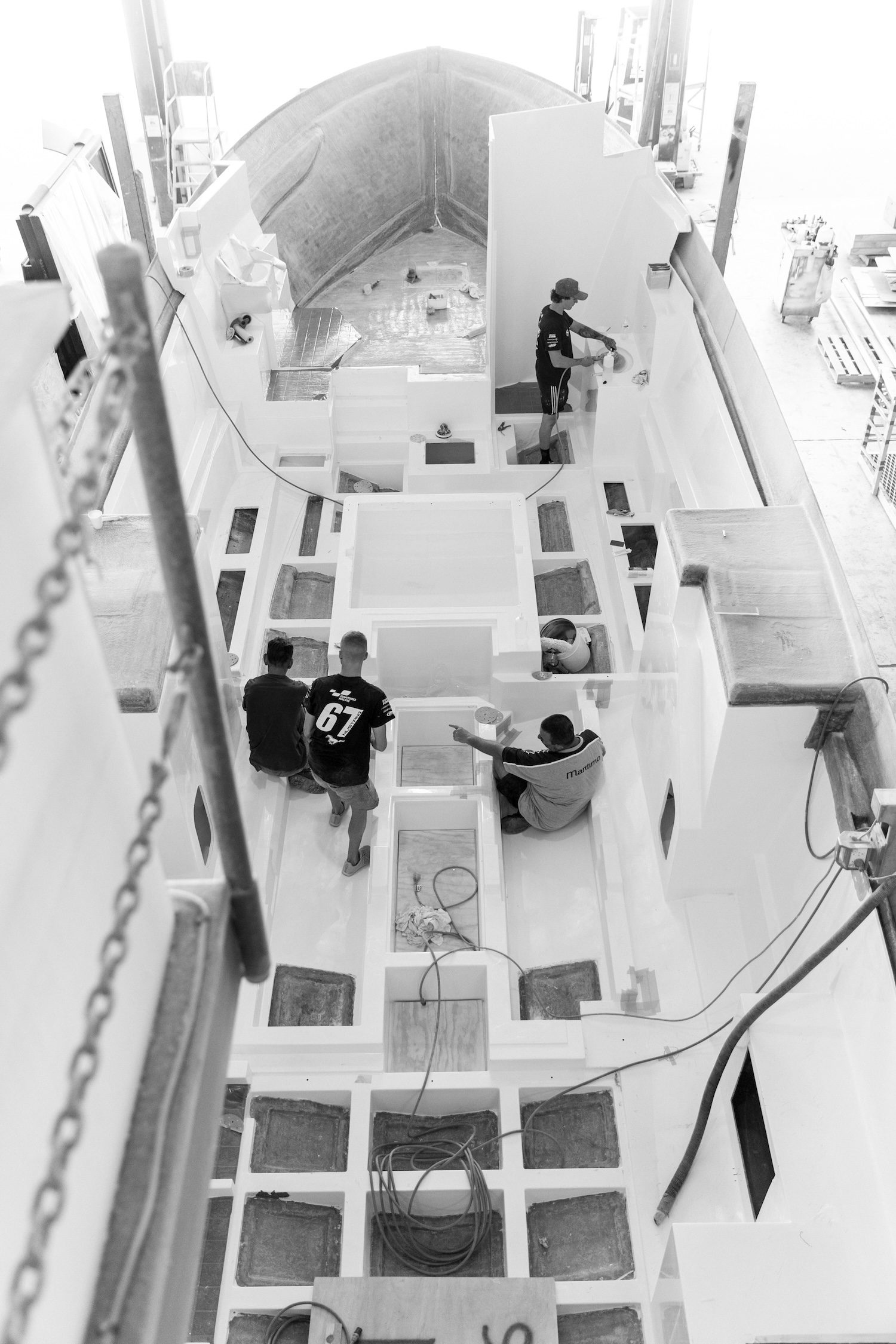
What sets Maritimo apart is how laminators remain closely involved with each component throughout the build. They develop an intimate understanding of how individual moulds behave, where critical stress points emerge, and how different geometries present unique challenges. That knowledge cannot be programmed into machinery. It comes from years of observation, refinement and hands-on experience.
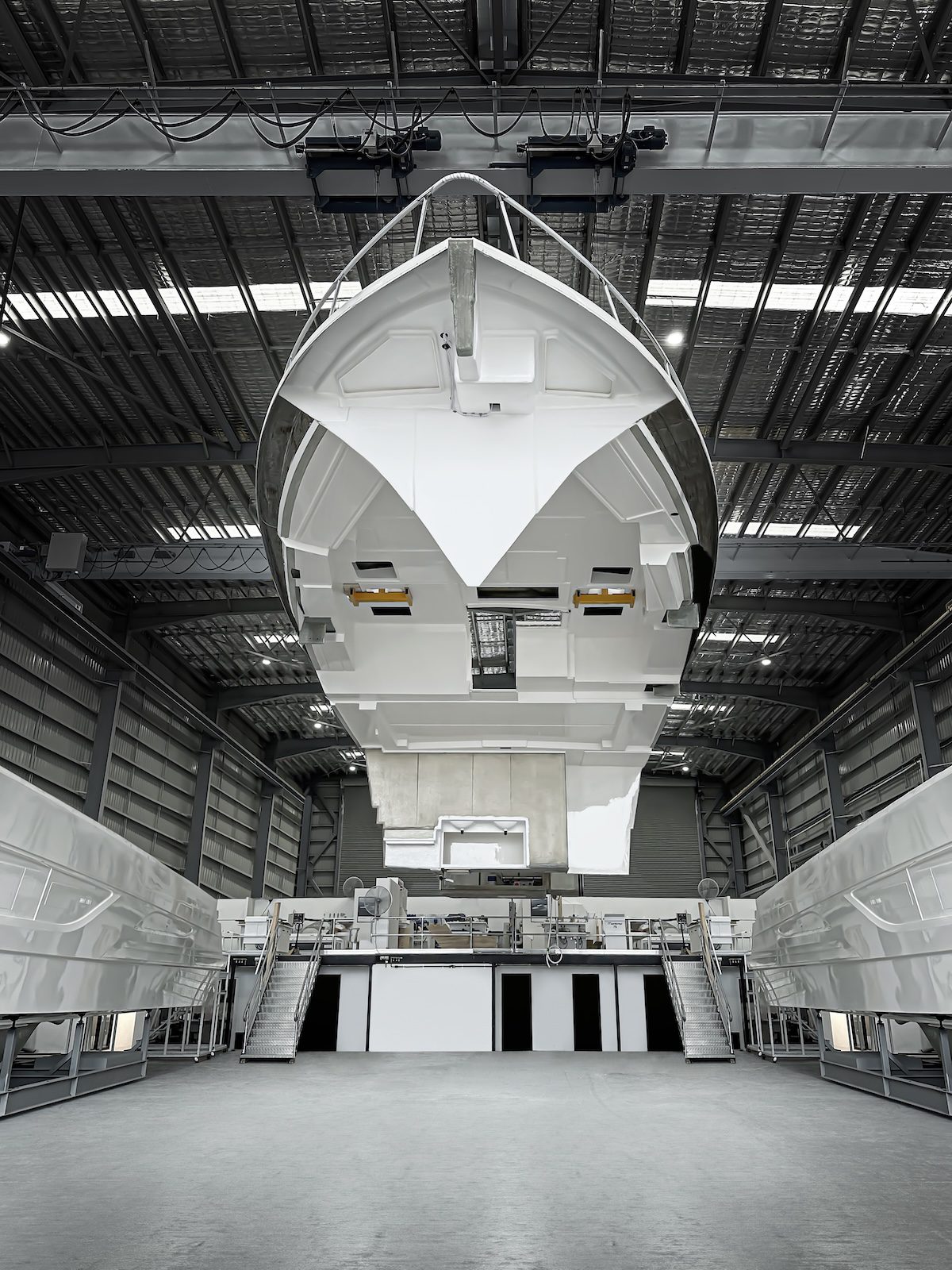
Reeve describes the moment when a completed component emerges from its mould as genuinely rewarding. “You get to hook up the cranes and pull the product out. I used to get a little buzz every time, and you know what, I still do today,” he says. It’s that combination of anticipation and satisfaction, watching weeks of meticulous work reveal itself as a complete structural element.
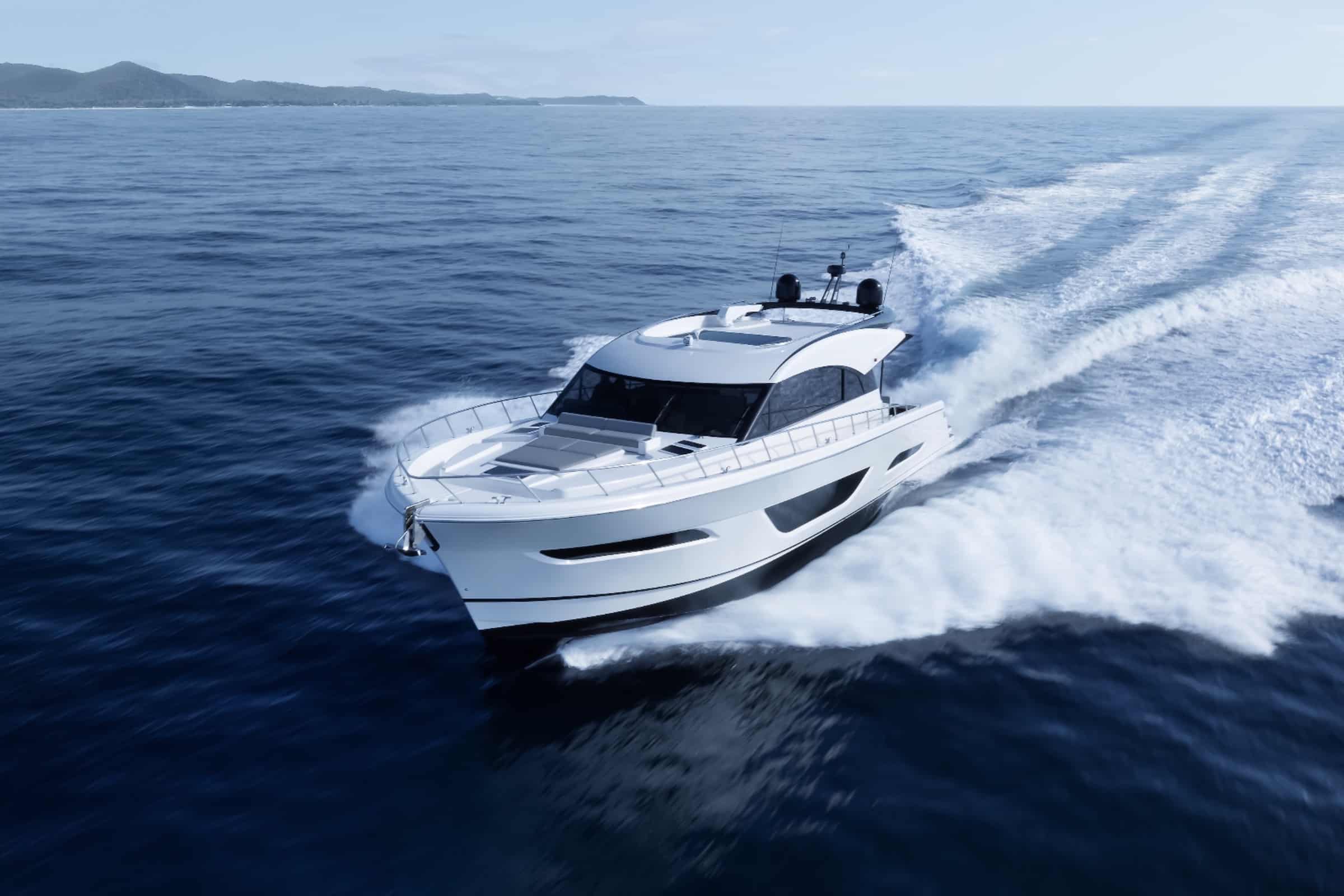
Luxury is often measured by the details owners never consciously notice but instinctively appreciate. In composite construction, those details begin with foundations built by craftsmen who take genuine ownership of their work, who understand that quality cannot be rushed, and who believe the process itself matters more than any deadline ever could.