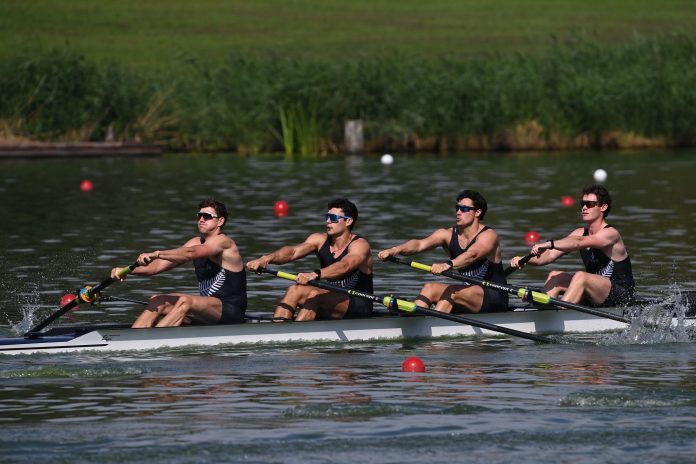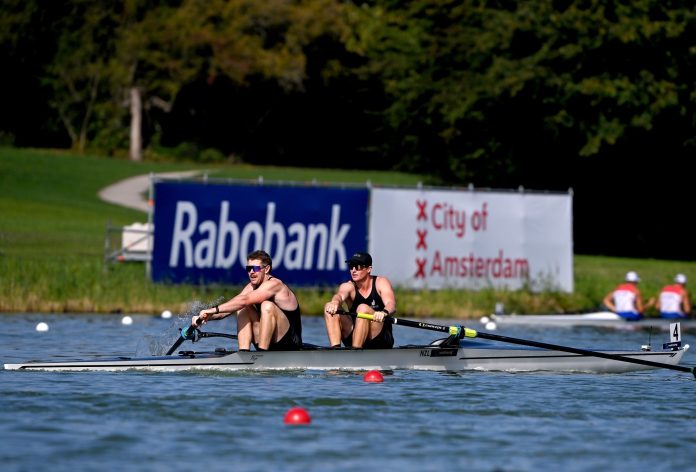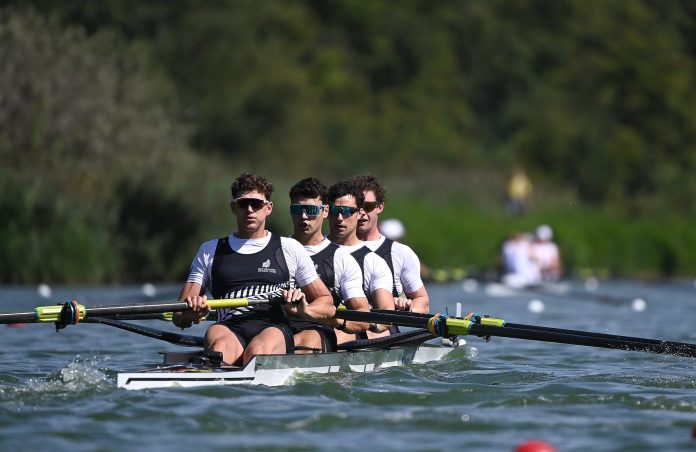
Four New Zealand umpires are proving that an on-water officiating career can rival the rower’s experience itself. From first-time World Championships debuts to Olympic appearances, they’re reshaping what it means to stay competitive in rowing beyond the athlete’s seat.
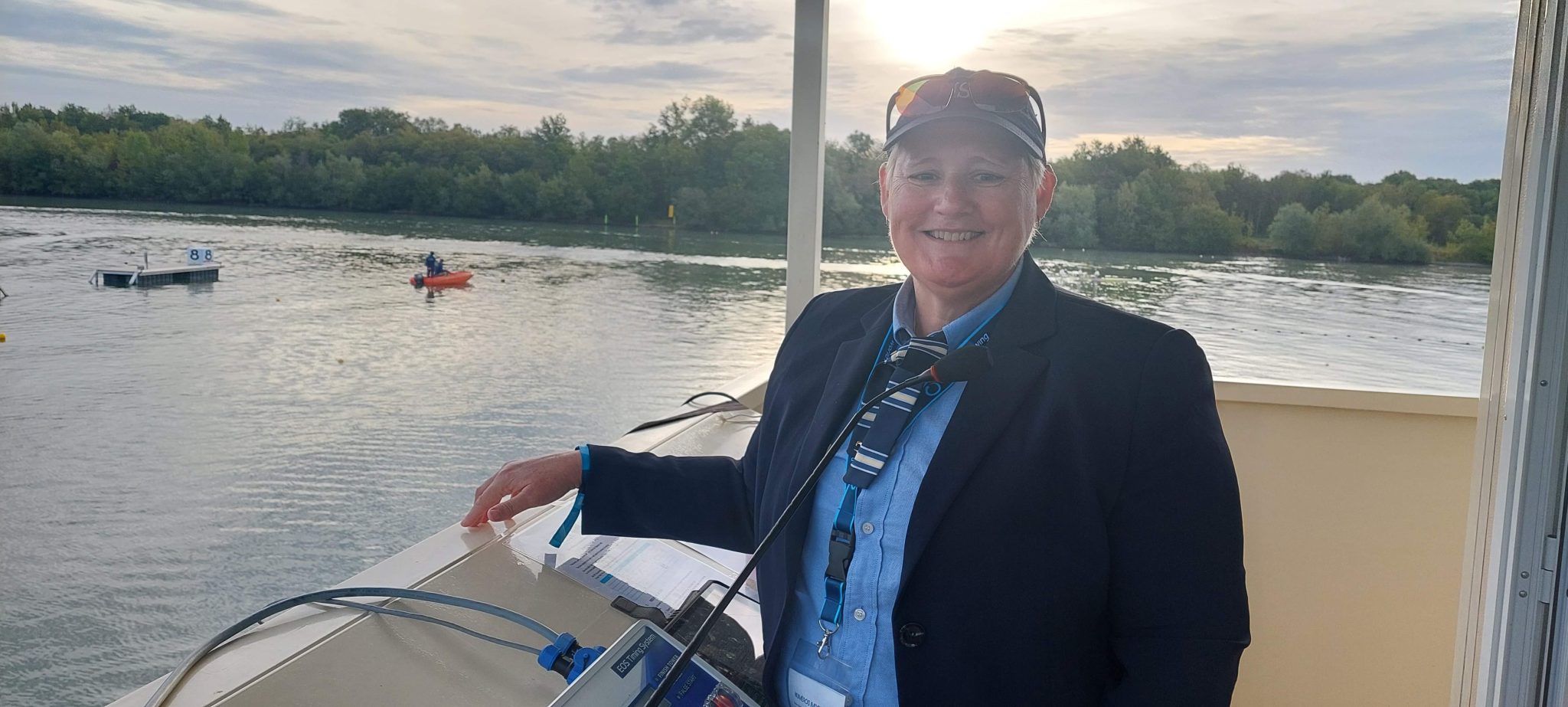
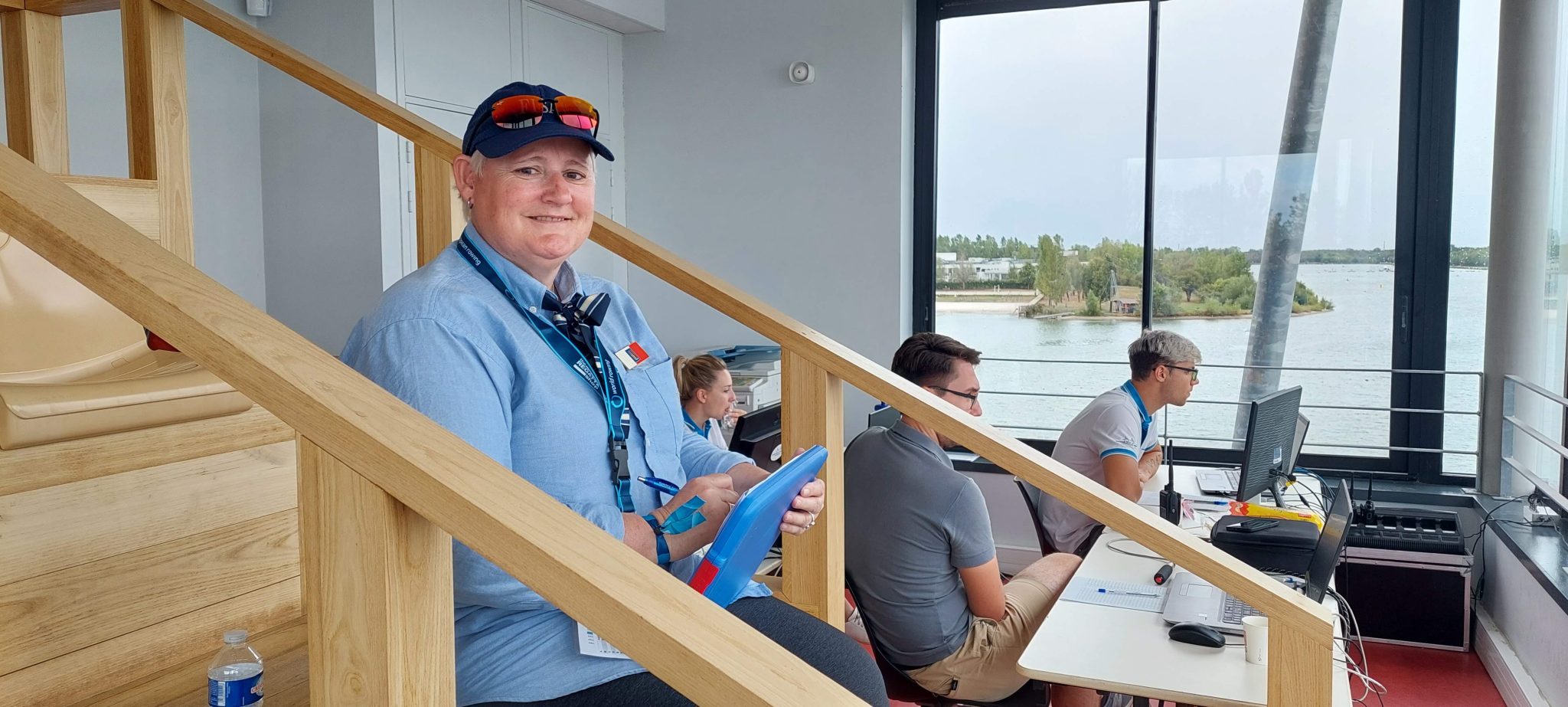
Vanessa McIver never had the rowing credentials to make the Olympics as a competitor. At 1.6 metres tall, she knew early on that elite performance was out of reach. But the dream of standing on Olympic soil remained. When a contact at a Dunedin club suggested she train as an official in the 1990s, she saw a different door opening. After earning her international certificate in Indonesia in 2011, McIver made her World Cup debut in Munich the following year. For the past 14 years, she’s worked the international circuit steadily, building the profile required for selection. This week, she arrives in Amsterdam for her World Championships debut, a moment she describes as both humbling and lucky. “To be at a World Championships is what I need to be considered for selection for the 2028 Olympics,” she says. “I would love to be the first female New Zealand umpire at an Olympic Games.”
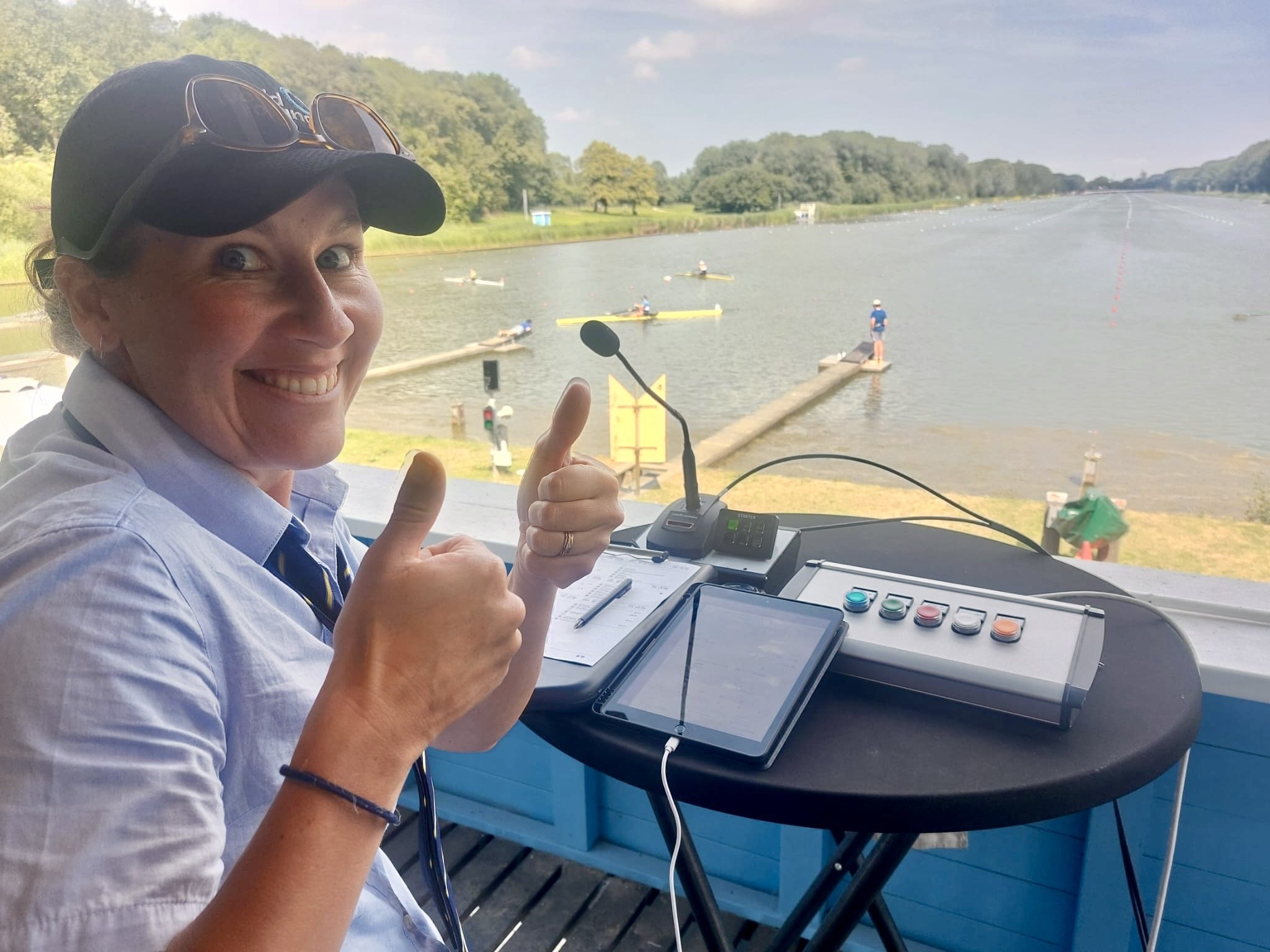
McIver takes the responsibility seriously. When World Rowing once told her that New Zealand umpires need to match the standard of the nation’s rowers, it crystallised her approach. “I never want to let Rowing NZ down or embarrass anyone,” she explains. At 54, she’s in the middle of her career, and Los Angeles 2028 remains within reach.
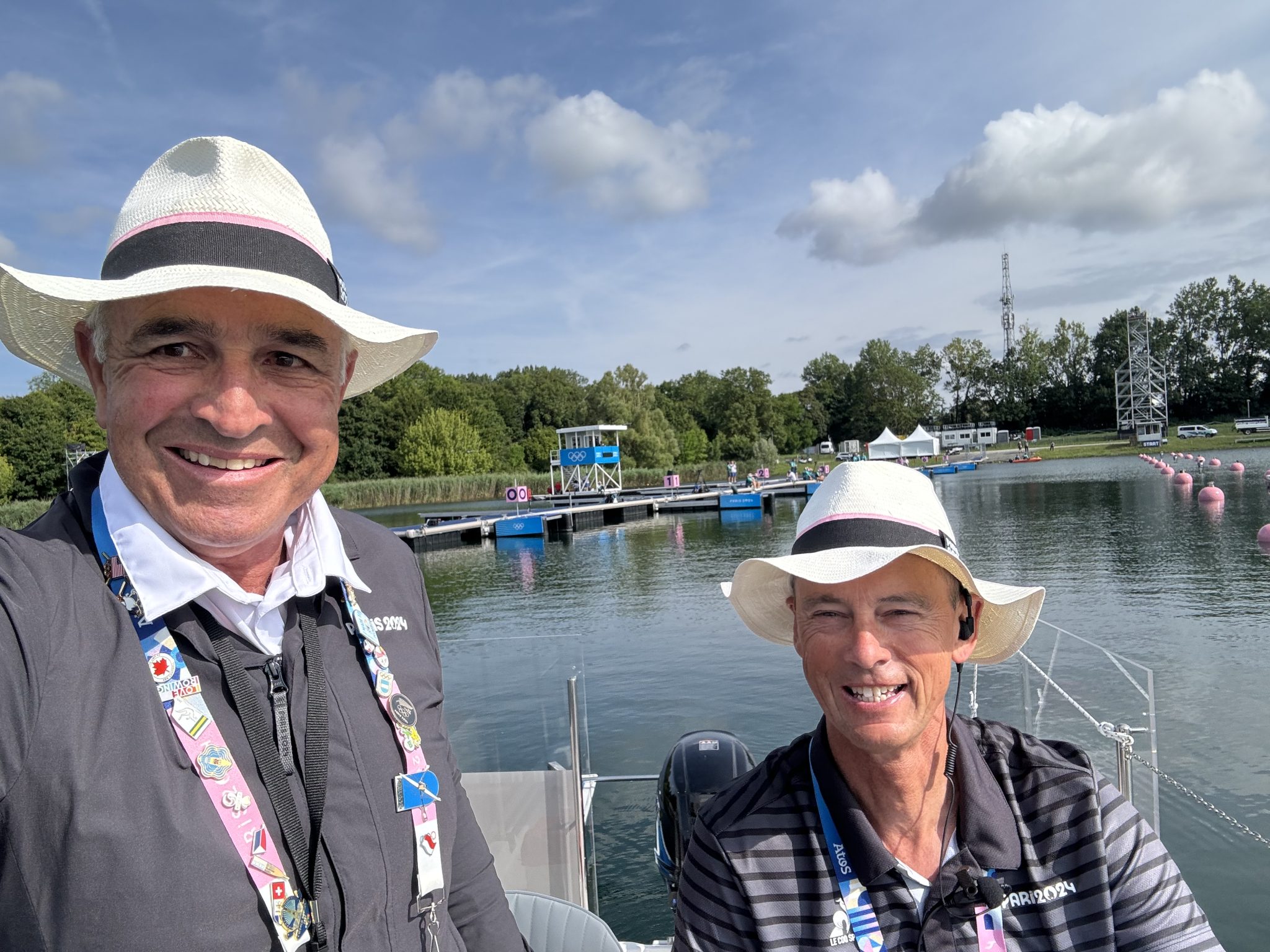
Simon Walker’s entry into officiating came from a different place. After watching the New Zealand men’s eight win gold in Munich in 1972, he took up rowing himself, eventually capturing the Maadi Cup as a schoolboy. When his son rowed for Whanganui Collegiate decades later, Walker found himself at the riverbank with little to do. Boat driving followed, then umpiring. That first World Cup in Munich—the same city where his rowing journey began—held particular weight. “It was special being in Munich because watching our eights crew win gold there at the 1972 Olympics was what started my journey in the sport,” he says.

Over 16 years, Walker has worked more than 20 international regattas. The pinnacle came at Paris 2024, where he umpired the Women’s Eight final. Yet he remains pragmatic about what the role offers. “It is a lot less time-consuming than being a coach and it is a fantastic way to continue to be a part of the sport,” he reflects. Reaching the age limit of 70 for jury duties soon, he plans to continue as an umpire domestically.
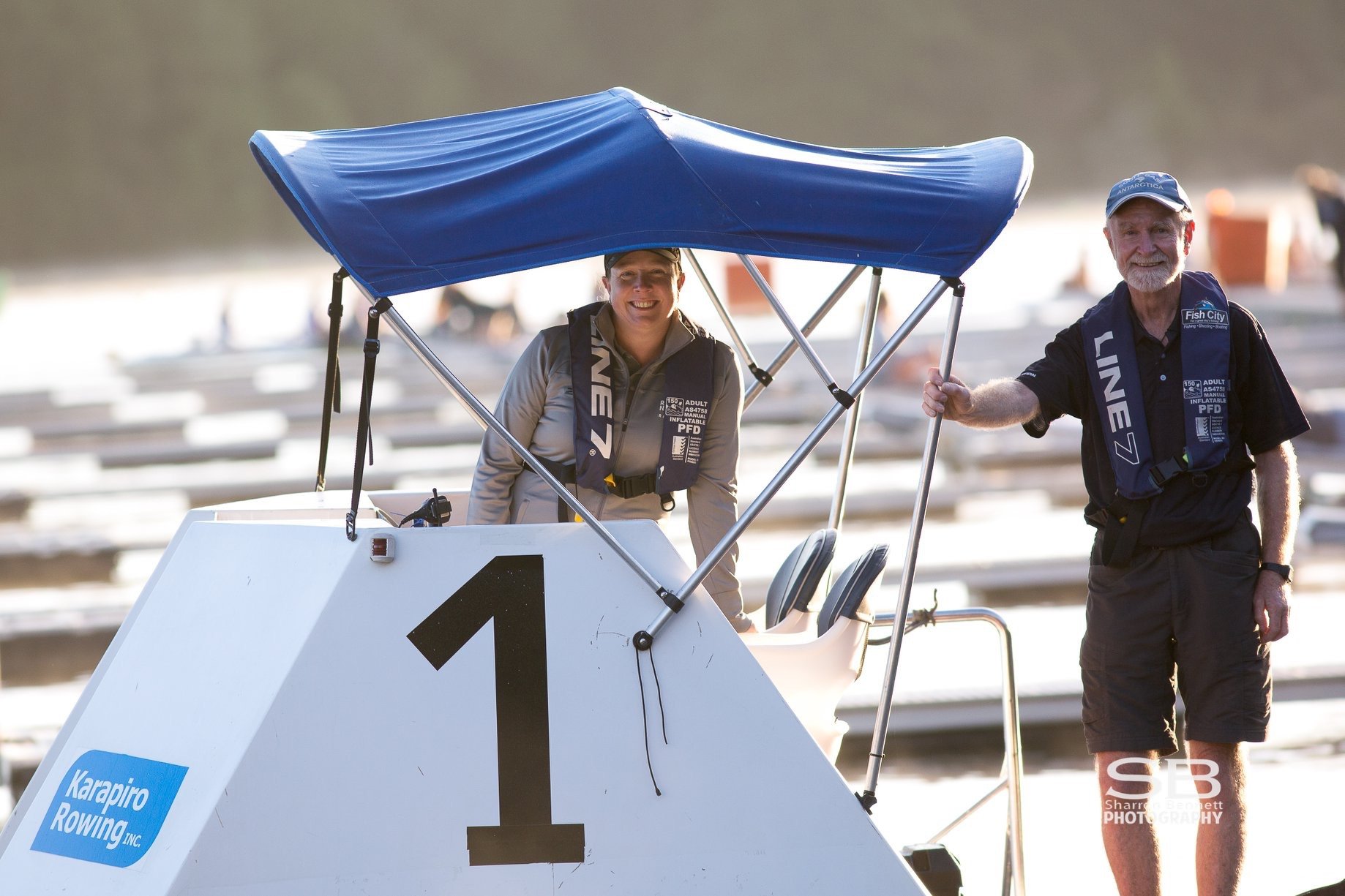
What draws Kiwis to this pathway? Travel, friendship, and the chance to represent New Zealand at the sport’s highest level all feature. But there’s something else too. The variety matters. No two regattas present identical challenges. Some days you start races. Others you adjudicate finishes or work with broadcast crews. The sport itself stays fresh, even when you’re not the one pulling the oars. For those willing to commit to the pathway, the world really does open up.