Canterbury jetboaters are spearheading efforts to preserve a unique and historic piece of New Zealand’s boating and backcountry heritage.
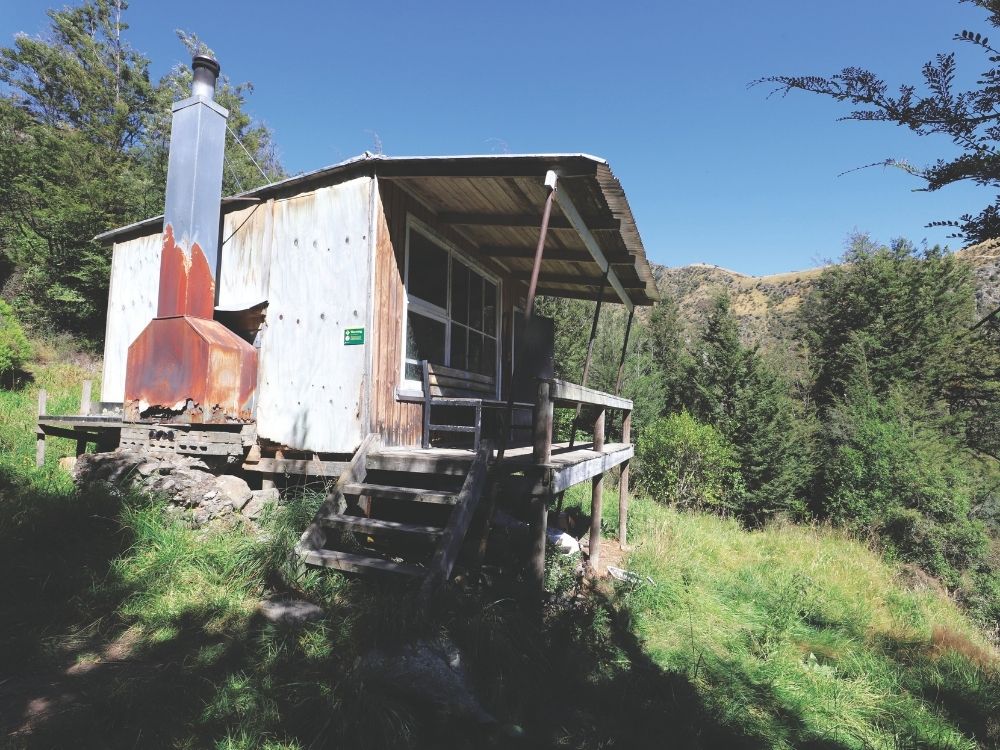
Two small huts hidden along the banks of the rugged Waimakariri River, inside the gorge, are being brought back to life by volunteers from the Canterbury Branch of Jet Boating New Zealand (JBNZ). Built in the early 1960s when jetboating was in its infancy, these huts are steeped in both jetboating and backcountry history – but until recently, both were at risk of being lost forever.
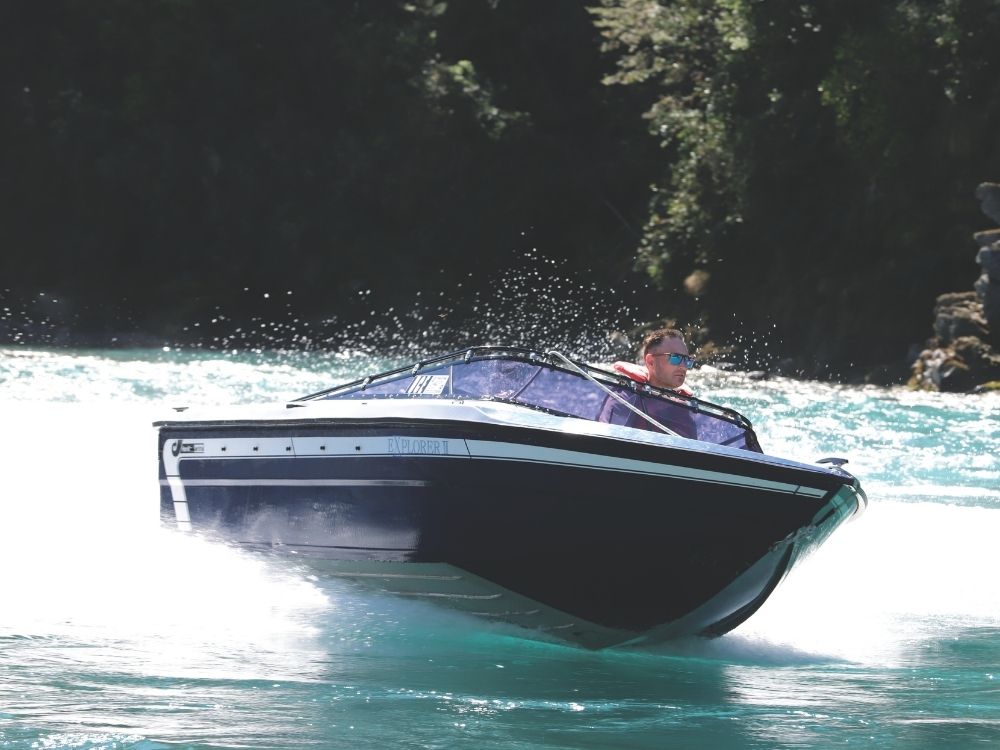
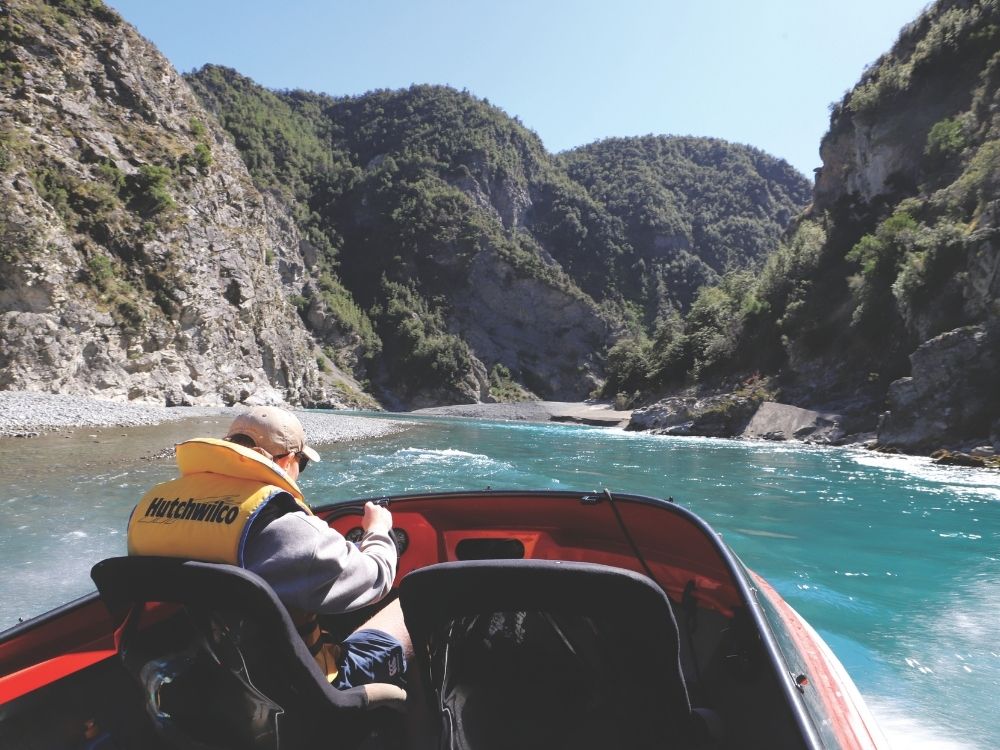
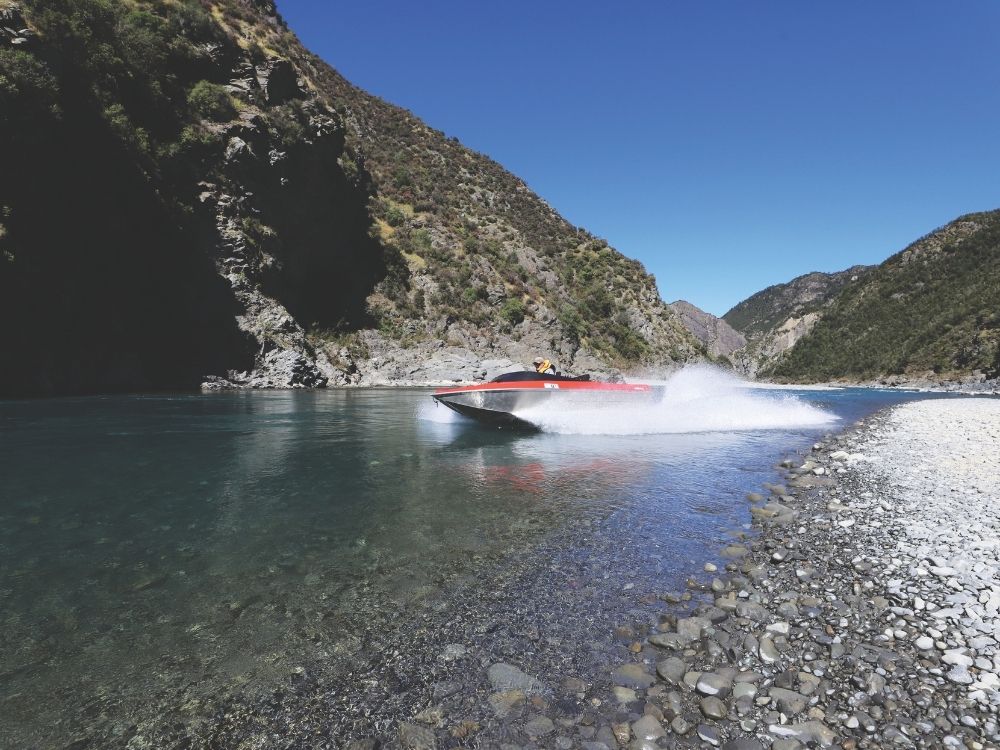
Stretching over 150 kilometres from the Southern Alps to the sea, the Waimakariri River holds a special place in jetboating history. While the jetboat itself was developed at Irishman Creek Station in the Mackenzie Basin, much of Sir William (Bill) Hamilton’s ongoing testing and development took place on the ‘Waimak’, particularly in the gorge upstream from the popular Woodstock Station boat launching site.
Located deep in the gorge, Walker’s Hut – roughly 30 minutes upstream by boat – and Hamilton Hut, a further 40 minutes beyond that, were originally built by a small group of keen early jetboaters who also enjoyed fishing, hunting and spending time in the backcountry.

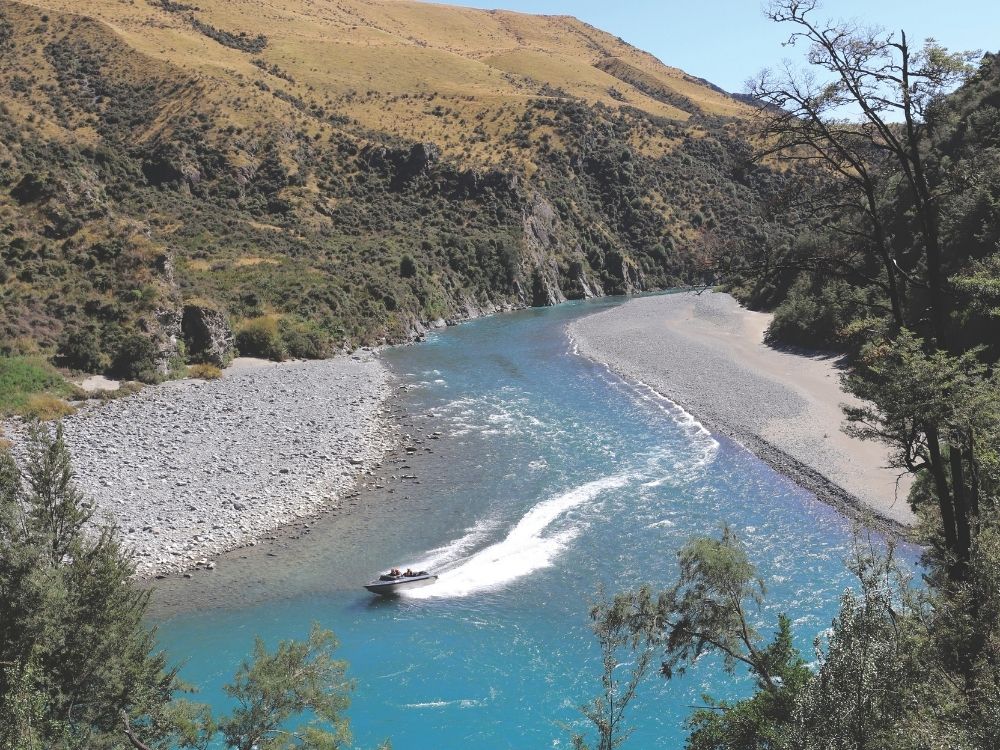
JBNZ had long been aware of the two huts, but as they slowly fell into disrepair and talk emerged from authorities about potentially removing them, the organisation decided it was time to act. A community agreement was signed with the Department of Conservation (DOC), with JBNZ taking responsibility for maintaining the huts and making them available for public use. Jetboaters, hunters and local farmers undertook some ongoing basic maintenance and there was a more concerted effort to undertake remedial work on Walker’s Hut in 2013.
Enter Rangiora-based builder and keen jetboater Grant Allott. He joined JBNZ in 2019 and at a committee meeting in early 2020 heard discussions about the deteriorating condition of the huts. He volunteered to visit the gorge, assess the huts and report back.
“When I went up there to investigate, they were very smelly, heavily-infested with rats and mice, and had leaky roofs and it was clear there was going to be a lot of work involved in getting them back up to scratch,” he recalls.
When he presented his findings, Grant was promptly elected to the committee and handed responsibility for the huts’ project.

“Even though I was taken a bit by surprise, I was happy to get involved,” he says with a laugh.
After all, Grant brought valuable experience to the role. He’d helped build the new Casey Hut in Arthur’s Pass National Park during the Covid19 era and worked on constructing five new bridges on the Heaphy Track in Kahurangi National Park – projects that provided crucial experience working in remote, challenging environments.
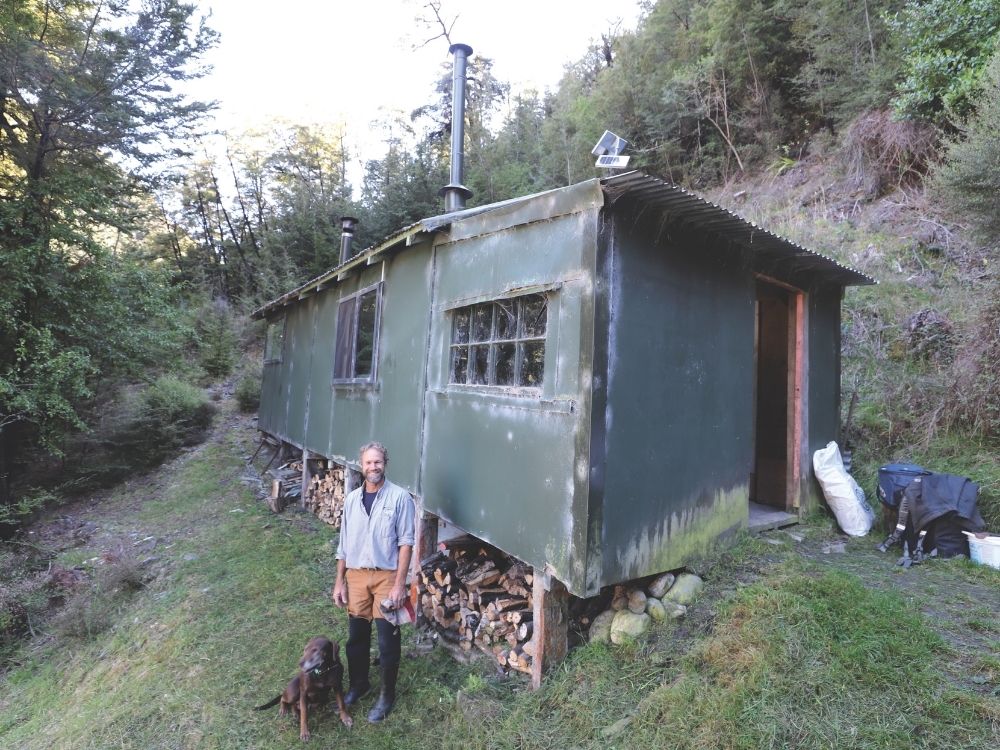
JBNZ decided to focus its efforts first on Walker’s Hut, due largely to its accessibility. Located about 30 minutes upstream from Woodstock Station, it sits beside a large backwater that allows easy boat mooring.
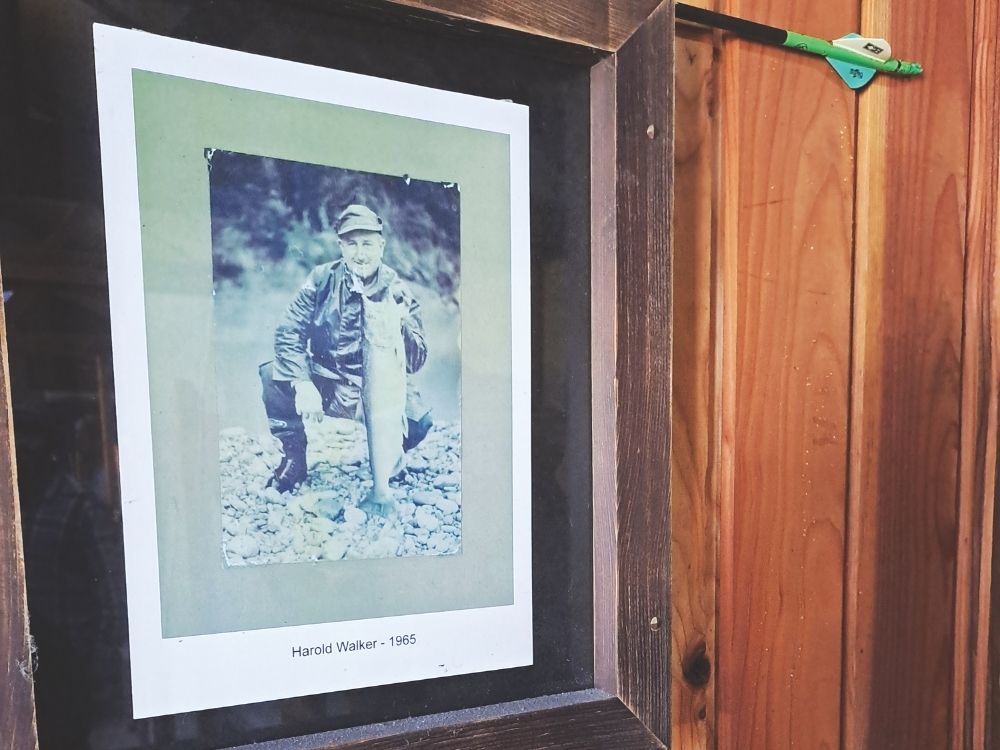
Believed to have been built in the early 1960s by Harold Walker, Tom Ferguson and Claude Belcher, the hut was used for many years by the Jenkins, Daniels, Belcher, Walker and Ferguson families.
Grant and volunteers initially undertook several working bees focused on hygiene and pest control; overflowing long drop toilets were backfilled, vegetation cleared, rubbish removed, and an extensive trapping programme was put in place to deal with rodents.
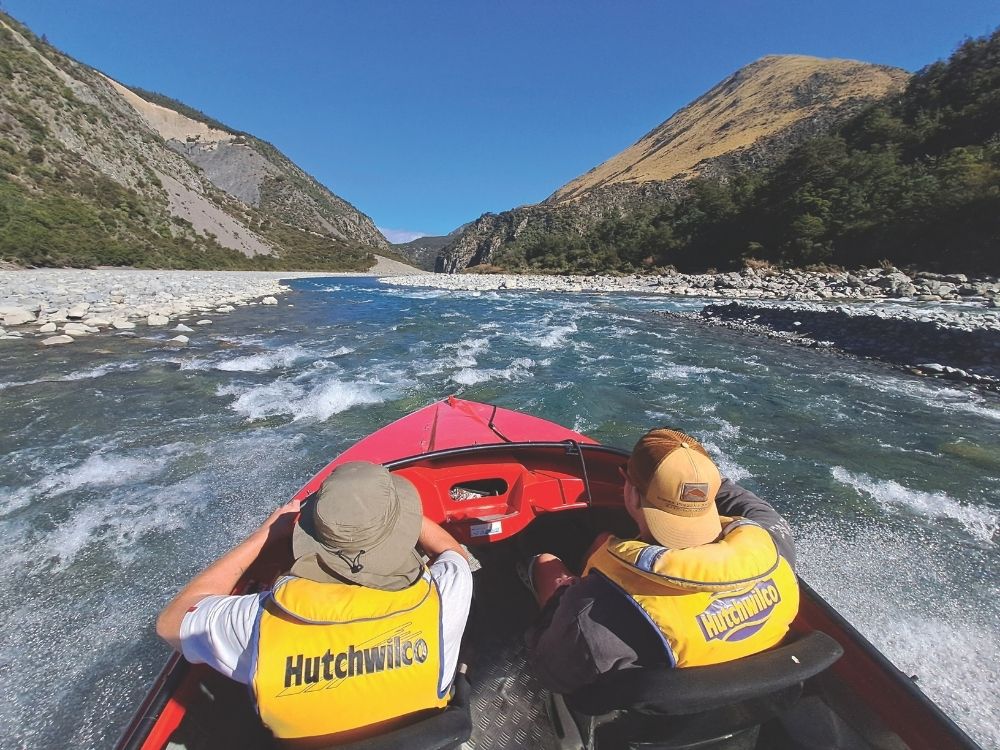
Grant then began the major renovation alongside fellow Rangiora builder and friend Alex Stewart. In the first year alone, Grant made 17 trips upriver, hauling materials in his older Hamilton 151 jetboat, Old Blue.
The work was extensive.
“We installed new roofing iron and underlay, ridge capping, and flashings around the two chimneys, along with new cladding,” Grant says.
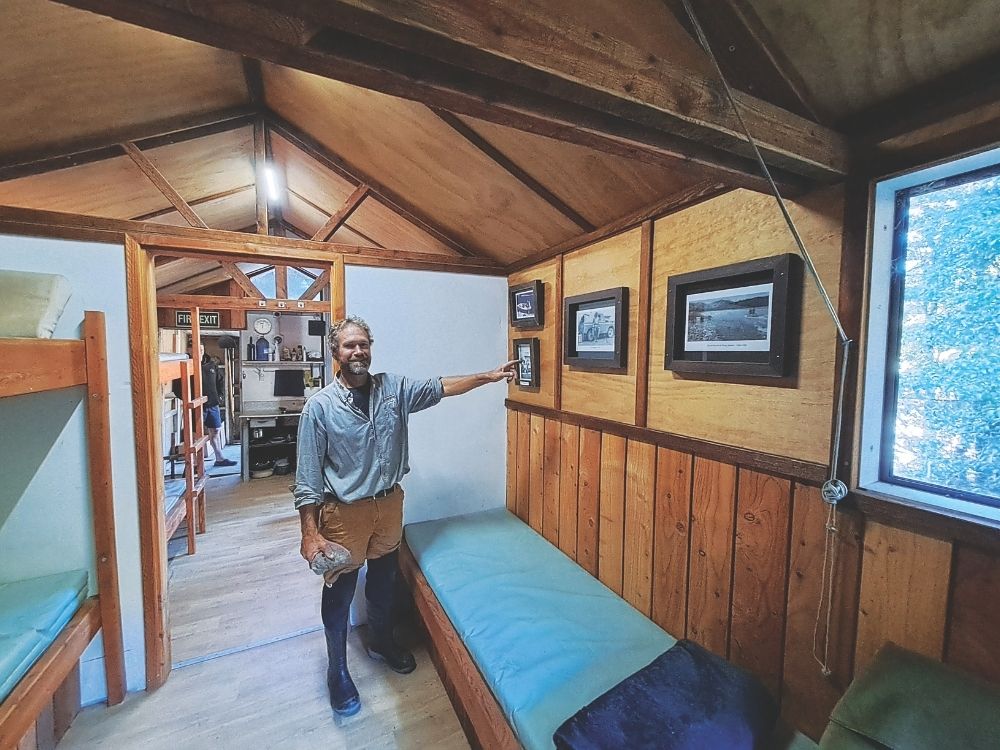
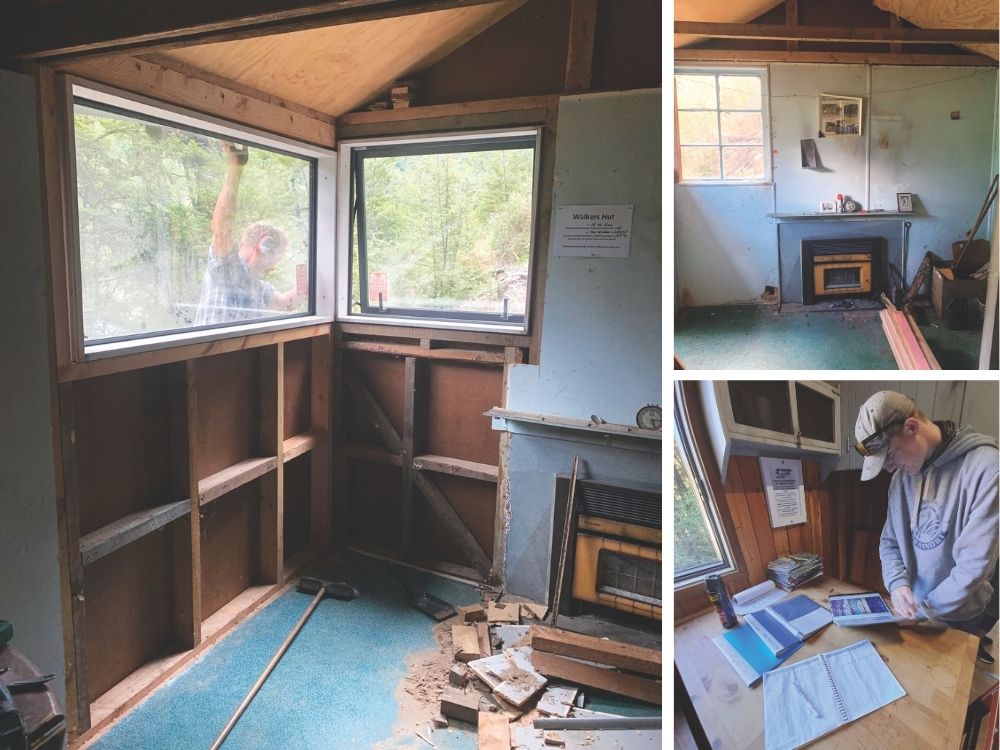
“All the ceiling and wall linings were removed, new ceiling insulation installed, and LED lighting wired in. We also added three exposed timber trusses to improve strength for snow and wind loading.”
Three new aluminium double-glazed windows were fitted, along with approximately 200 metres of tongue-and-groove wall lining and new plywood throughout. New bunk sets and a single bed were built, fresh lino laid, and old ground-level cupboards removed.
“It’s got such a strong connection to the history of jetboating in New Zealand…”
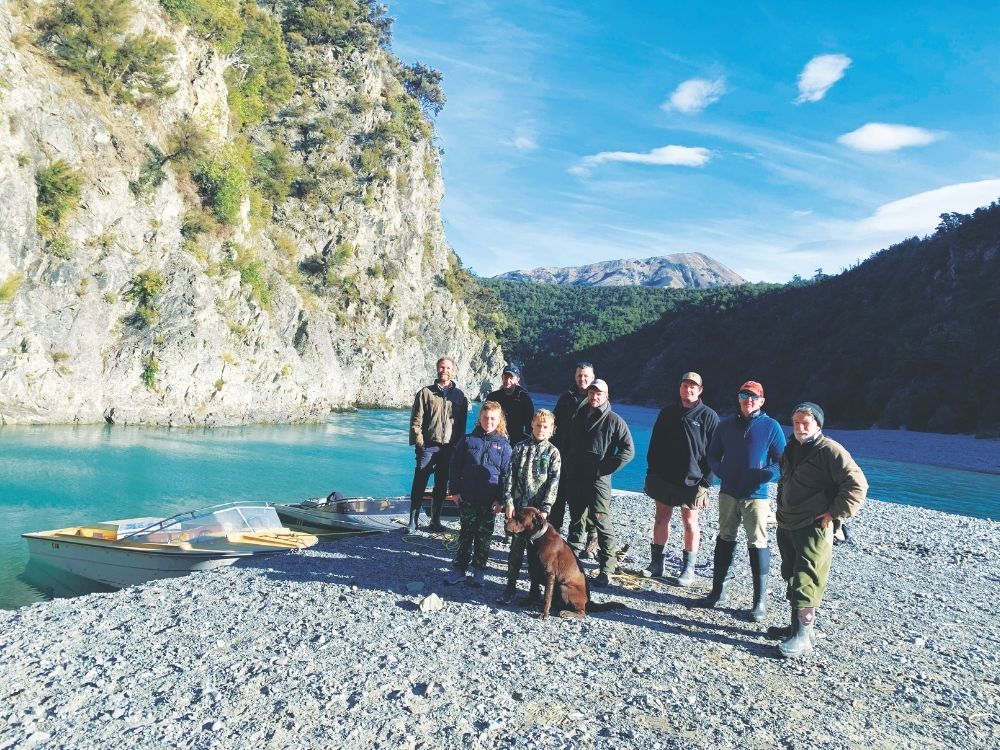
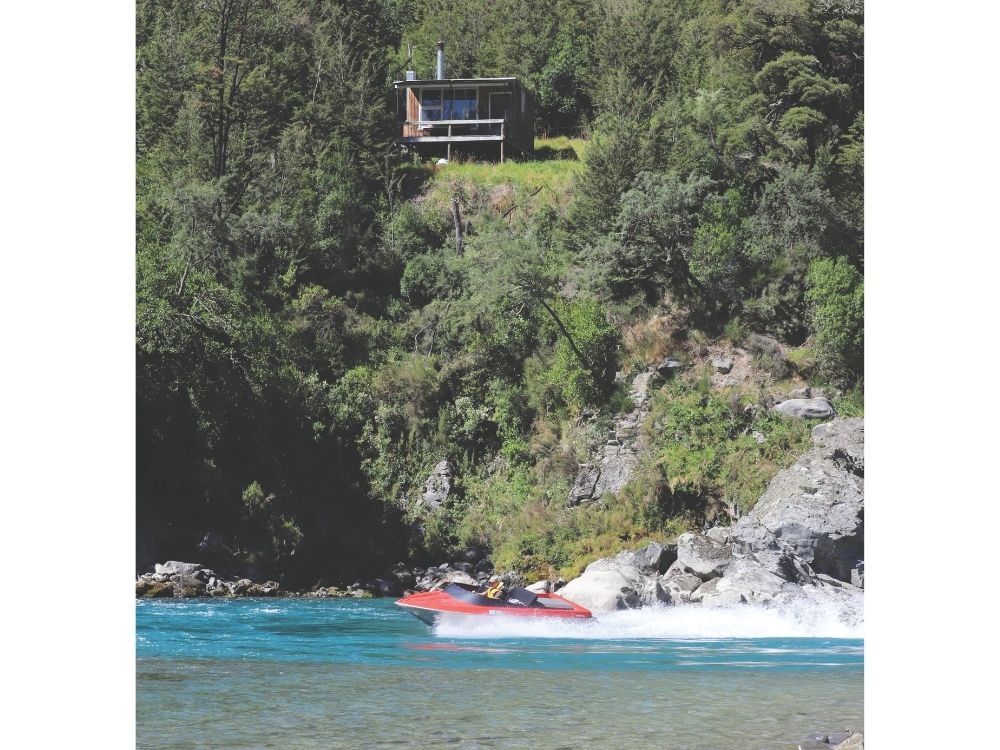
Above, left & below: Building materials enroute; Hamilton Hut watches over all river users; Waimakariri Gorge.
Opposite page: Original rundown condition of Walker’s Hut (below) and the hut during refurbishment; Angus Fraser looking at historic photos in Walker’s Hut.
Grant and Alex built new furniture – including a storage seat, wood box, kitchen table and bench seating – at home, then transported them upriver as flat-pack units.
To improve fire safety and ensure compliance with building codes, baby corrugated iron and folded steel plate were installed around both the inbuilt and freestanding wood burners.
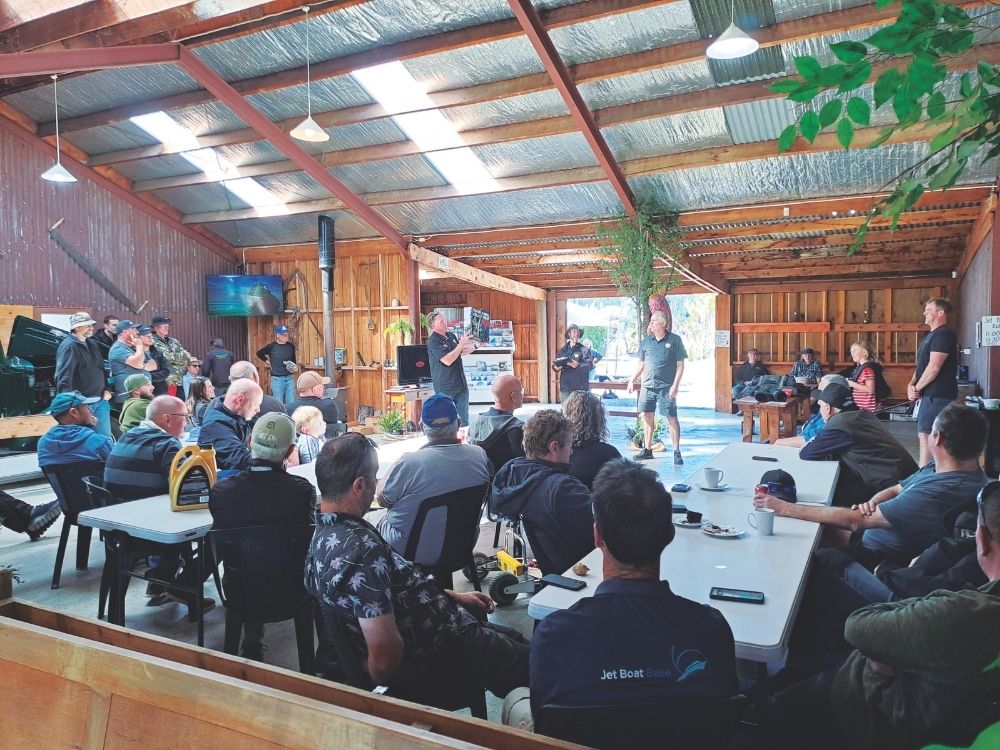
In total, the Walker’s Hut renovation involved around 360 volunteer hours and 600 professional builder hours. JBNZ funded more than $8,000 in materials, with an additional $8,000 donated by builders and suppliers. Support came from numerous local businesses and individuals, including Loburn Sawmill, Fairview Concepts, PGG Wrightson, and many others.
With Walker’s Hut now complete, use has surged, and attention has turned upstream to what many consider the crown jewel, Hamilton Hut.
Situated about an hour’s boat ride from Woodstock Station, the hut was built in 1960 after Bill Hamilton received permission from Mount White Station to construct it on its current site. His earlier hut further downriver had been destroyed by fire.
Hamilton is believed to have paid for the materials himself, with plans drawn by George Davison and the bulk of transport and construction carried out by Alf Dick, assisted by Hamilton Jet staff. The hut became a popular gathering place for workers and their families and was even visited by Sir Edmund Hillary and Tenzing Norgay in 1971.
Over time, however, the harsh alpine environment took its toll, and use of the hut declined. For Grant, the opportunity to now lead efforts to restore the hut to its former glory is particularly meaningful.
“It’s got such a strong connection to the history of jetboating in New Zealand, but when you look at it from a builder’s perspective, you do wonder how it survived as long as it has,” he says.
“But it’s still standing, and that in itself is impressive.”
While only basic maintenance has been carried out at Hamilton Hut so far, plans are now well-advanced for a full restoration. Fund-raising and budget planning is underway, with the aim of undertaking the work next year within a six week window. In line with the wishes of JBNZ and the JBNZ Heritage Trust, retaining as much of the hut’s original character as possible is a top priority.
This includes preserving the rimu tongue-in-groove flooring and ceiling, the distinctive front façade, and the large timber-framed window that offers sweeping views across the gorge.
Major structural work will include replacing the foundations, joists and bearers to meet current building standards, along with new cladding and ply. The rear window will be replaced with double-glazed aluminium joinery, corrugated cladding added to the back wall, and a new roof installed. Inside, character will be retained where possible, while new compliant fire systems, water collection, and basic lighting will be added.
“It’ll be a much bigger job than just ripping it down and starting again,” Grant laughs.
“However, I’m incredibly lucky to have the immense support from the JBNZ committee as well as volunteers and suppliers and I know that together, we can create something special that not only respects the past but protects the future.”
Joe Daly, Chairperson of the Canterbury Branch of JBNZ, says that as well as holding historical significance, Walker’s and Hamilton’s huts play a vital role in river safety and access and the organisation is thrilled to be driving the initiative.
“There’s been a few mishaps up the gorge over the years, and from reading the hut logbooks, you can see how grateful people have been to have shelter,” he says.
“These huts aren’t just for jetboaters – they’re used by a host of river users, including rafters, kayakers and even a few hardy trampers. The members of the Canterbury Branch of JBNZ are proud to be doing our part to ensure these fantastic resources remain useful and viable for decades to come.”
For local jetboaters, the project stands as a reminder that preserving heritage is not just about museums and archives – it’s about getting your hands dirty, honouring the past, and keeping history alive. BNZ
ANYONE INTERESTED IN SUPPORTING THE HUT RESTORATION PROJECT – WHETHER AS AN INDIVIDUAL, A GROUP, OR A BUSINESS – IS ENCOURAGED TO CONTACT: GRANT ALLOTT ON 021 238 3353.