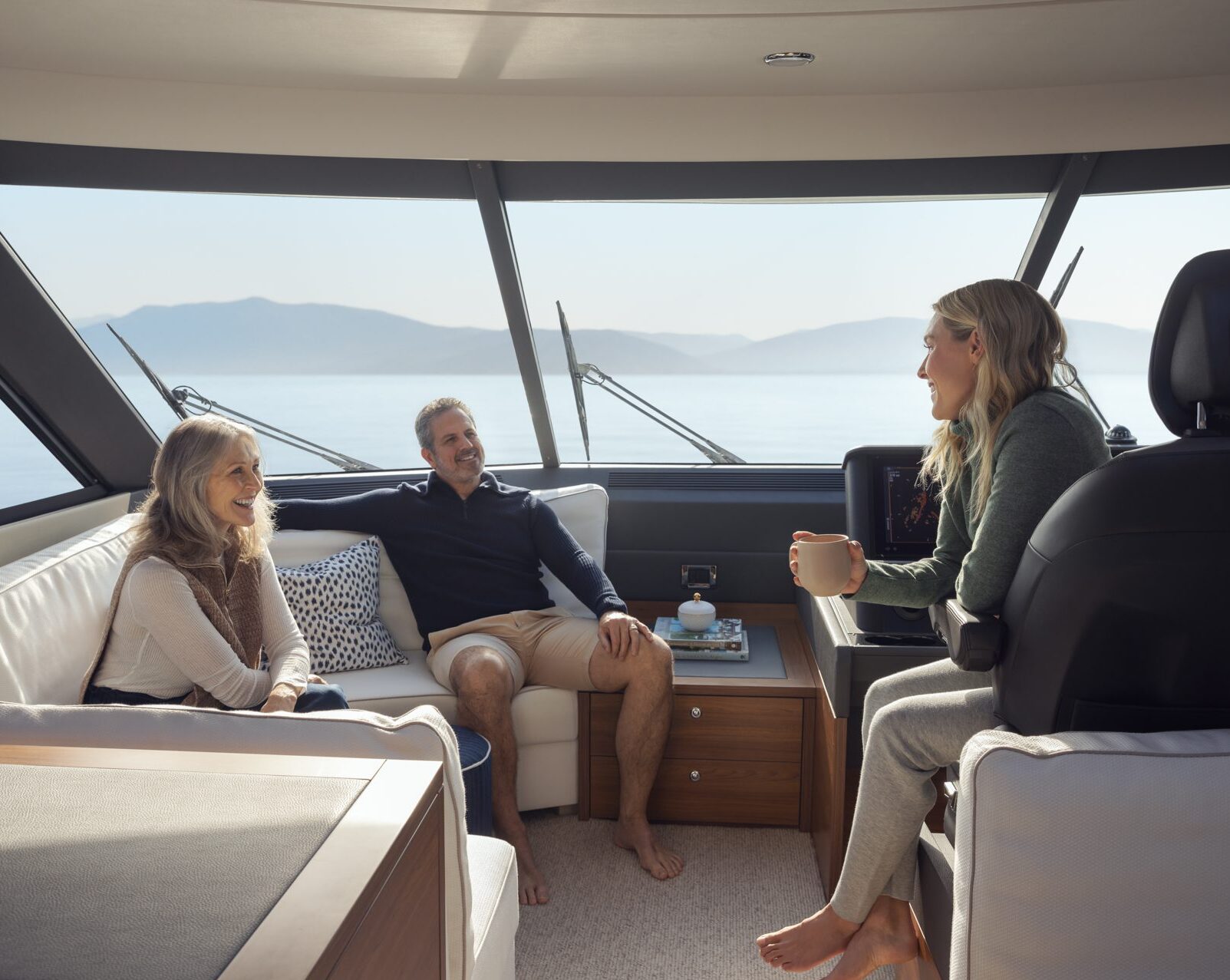
For more than two decades, Maritimo’s signature enclosed flybridge has evolved from an elevated helm into a refined second living space.
# The Long Game: How Maritimo Refined the Enclosed Flybridge
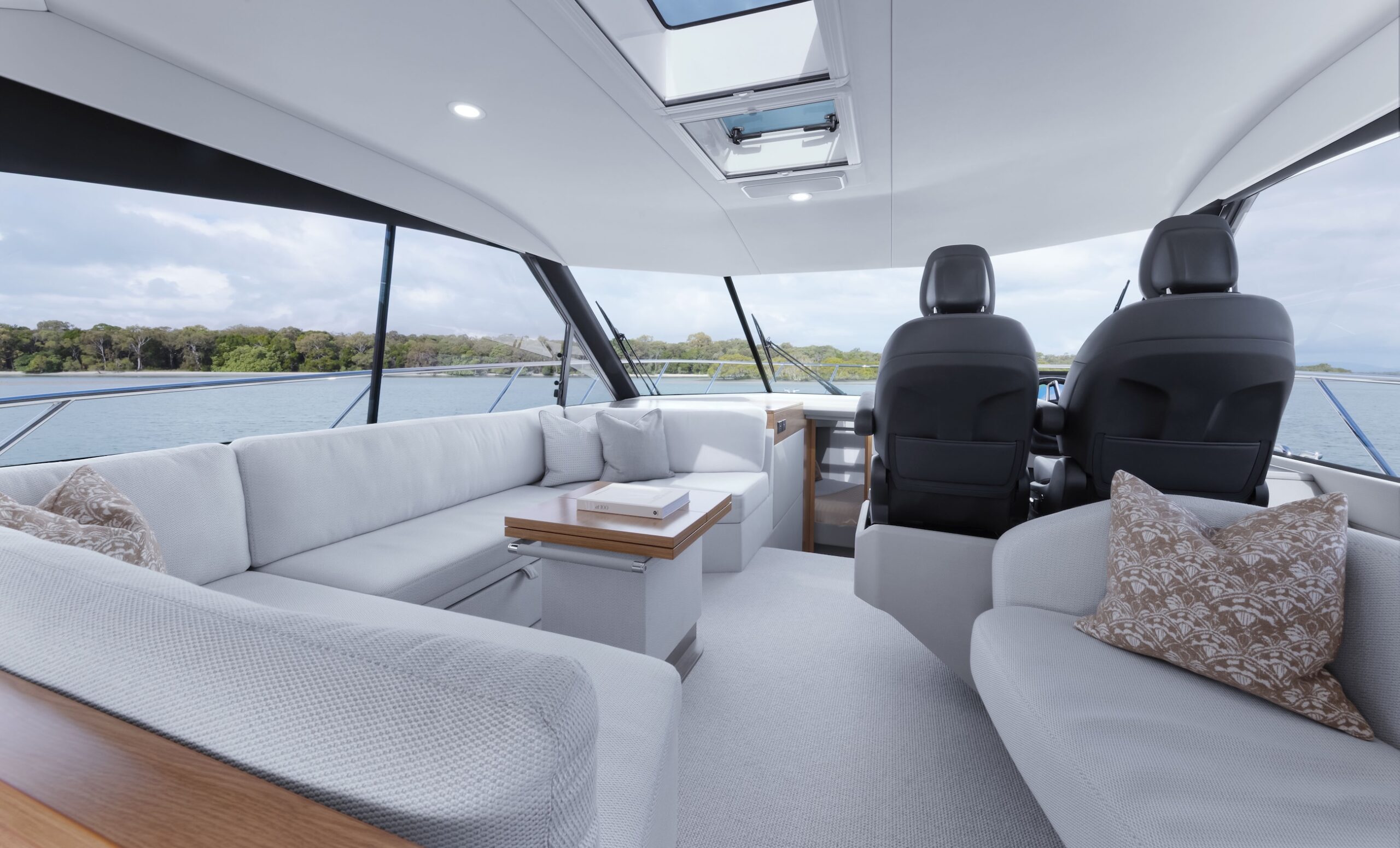
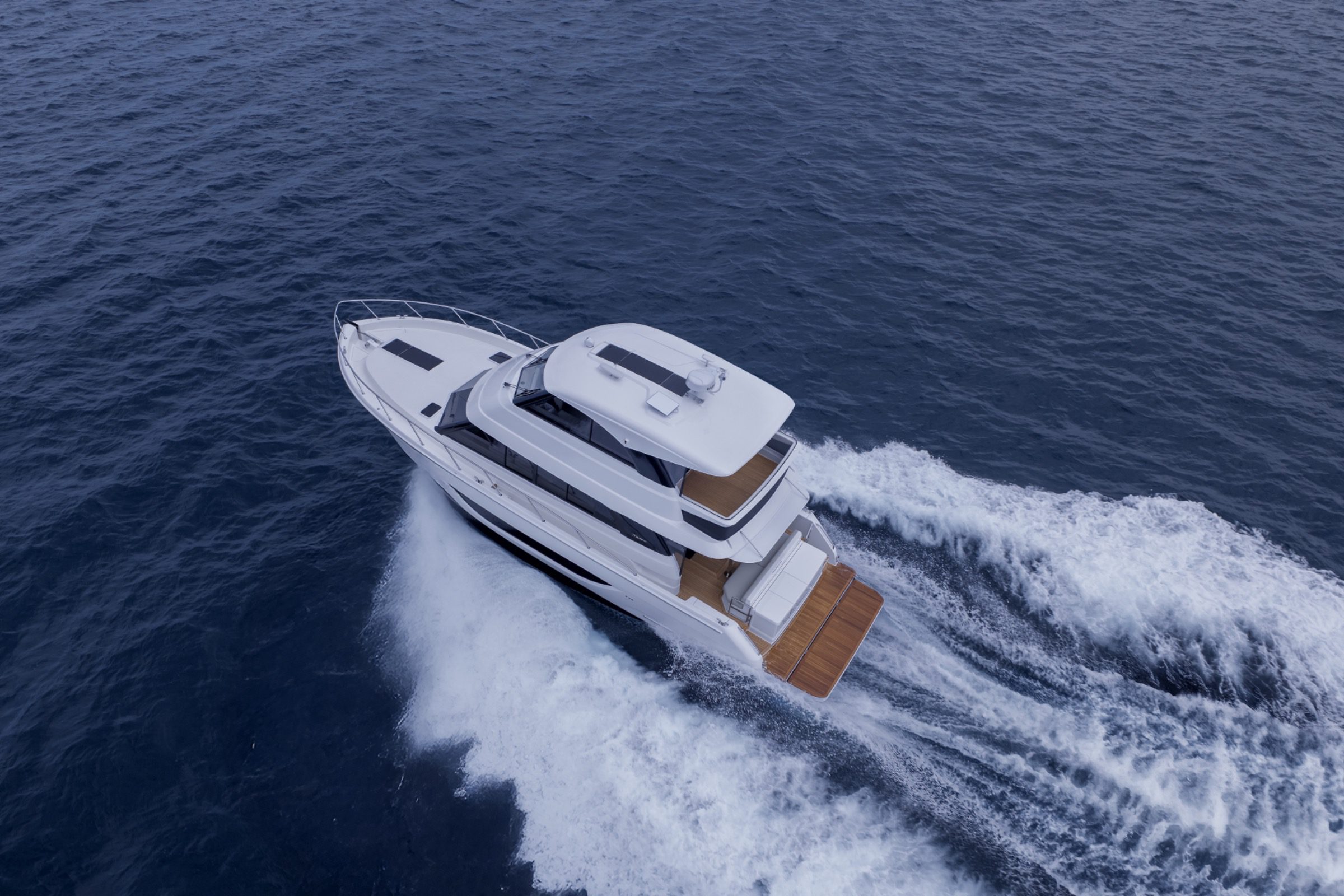
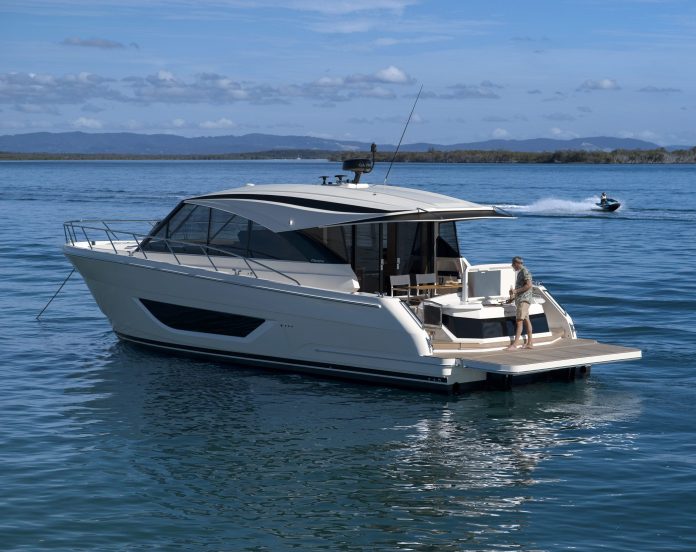
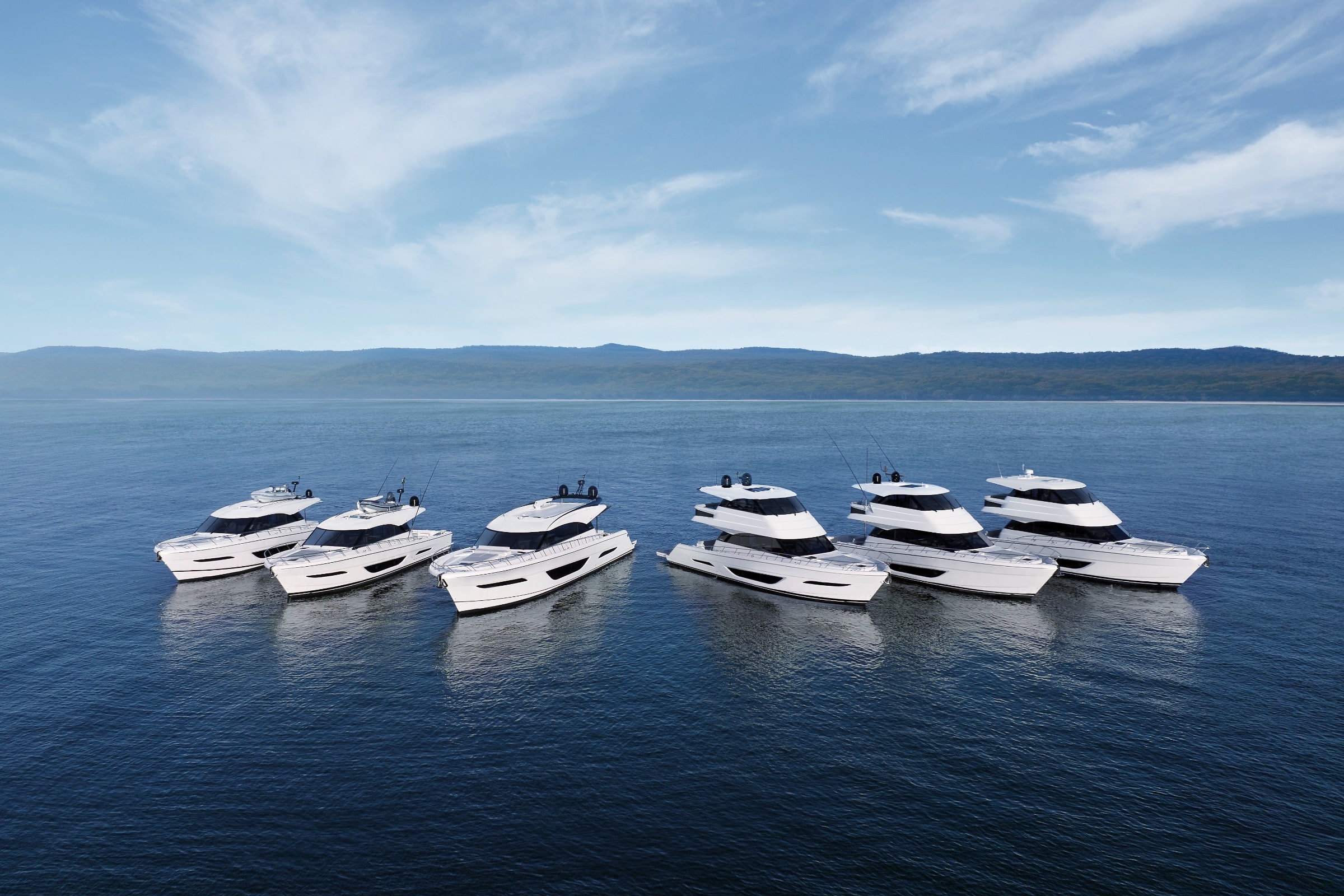
Over more than two decades, Maritimo’s enclosed flybridge has evolved from a practical helm station into something altogether more ambitious: a fully climate-controlled second living space that rivals the comfort and sophistication of the main saloon. The journey from concept to today’s M75, M60, M55 and M50 models tells a story less about reinvention and more about disciplined refinement of a good idea.
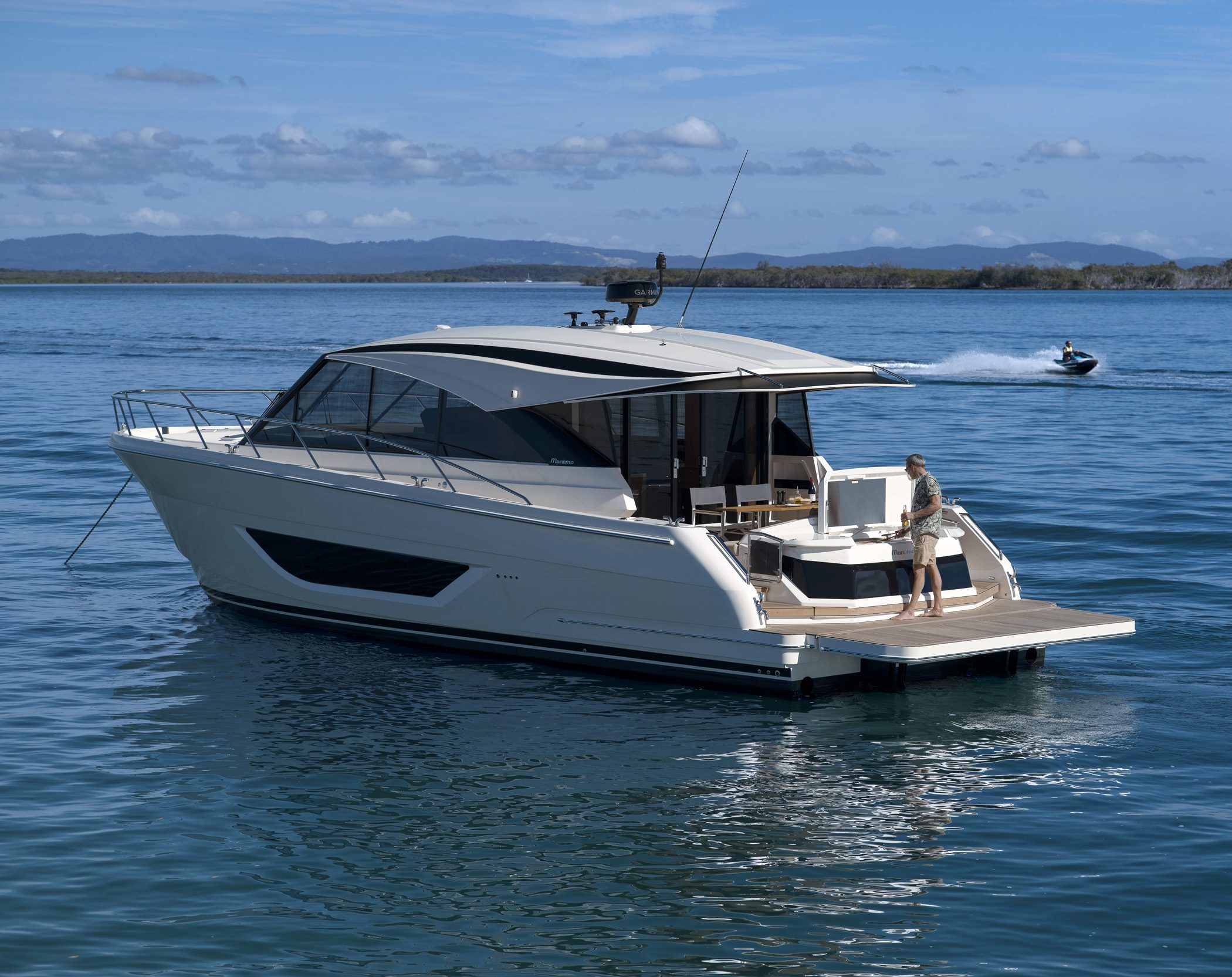
When Bill Barry-Cotter founded Maritimo, the fully enclosed flybridge was far from standard in motor yachts. Most builders offered three-sided protection at best. What set Maritimo apart was seeing potential where others saw an elevated helm console. “It was about recognising the value of the upper flybridge area,” explains Phil Candler, Operations Manager and veteran of Maritimo’s design evolution. “It’s another potential cabin for overflow, another entertaining area, one that’s as comfortable and styled as the rest of the boat, and whilst it is on another level, keeping it connected to the rest of the boat.”

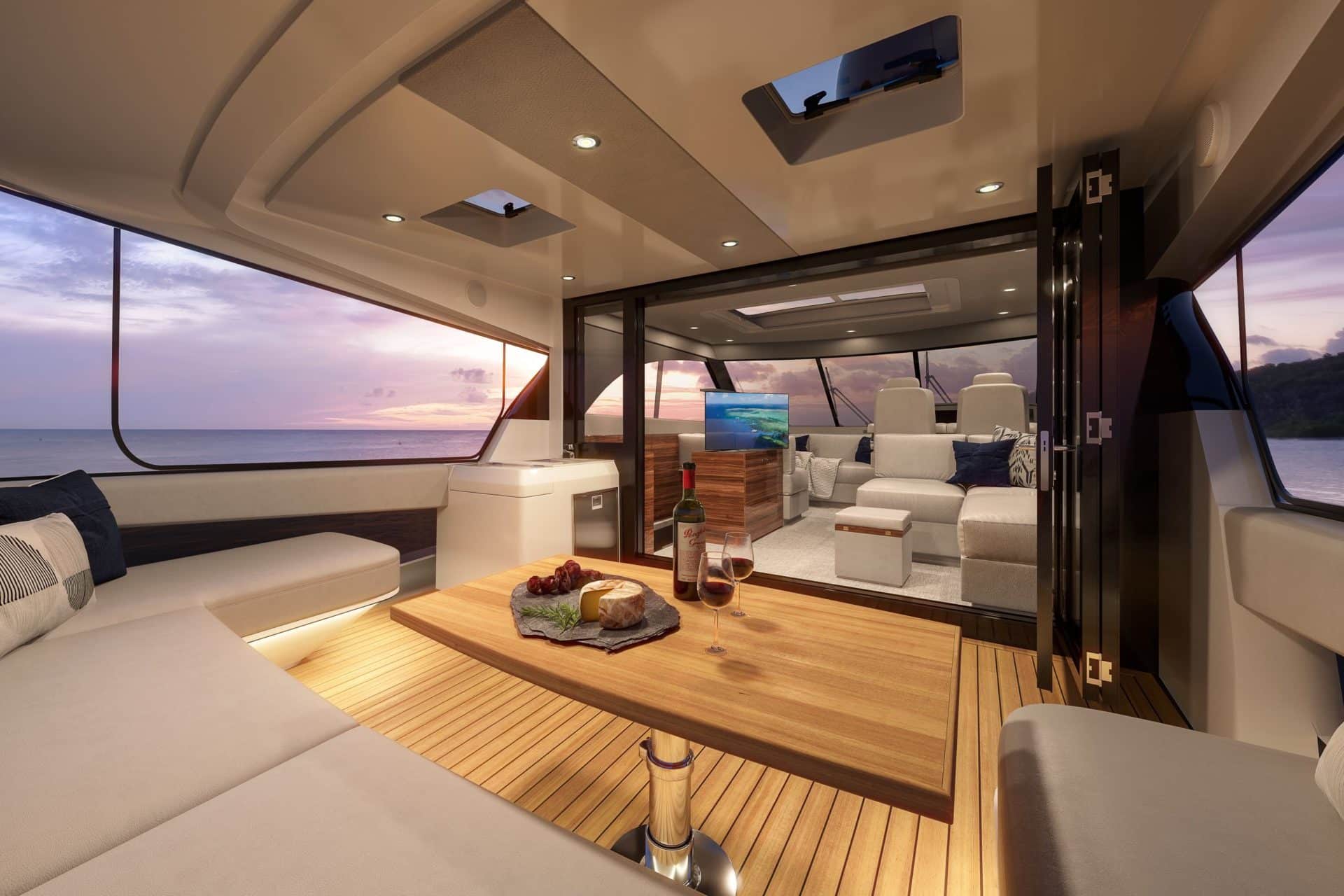
That philosophy threads through every generation. The original design priorities remain intact: safe, easy movement around the vessel, practical cruising in variable weather, and usable space at every level. But the execution has transformed dramatically.
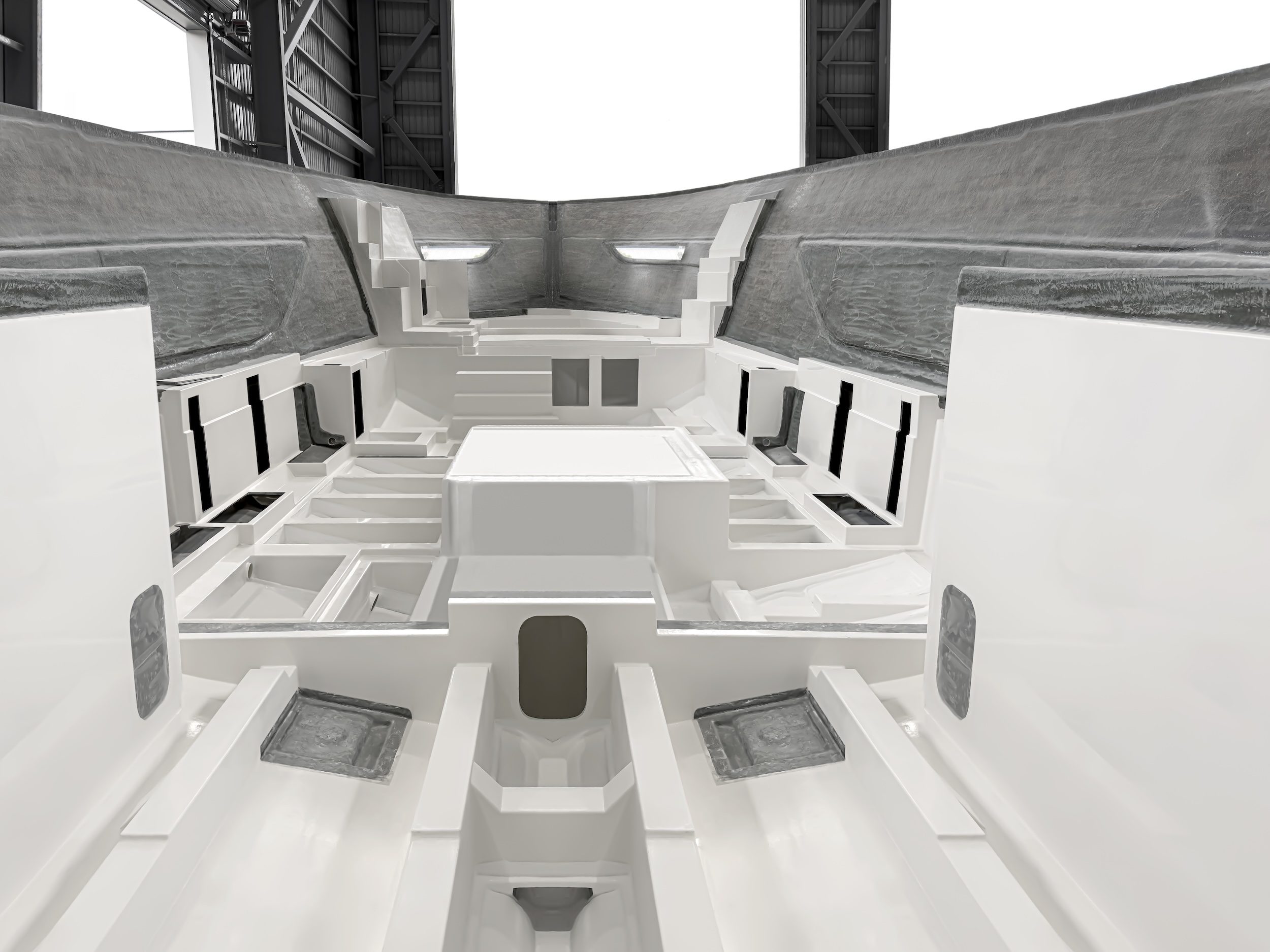
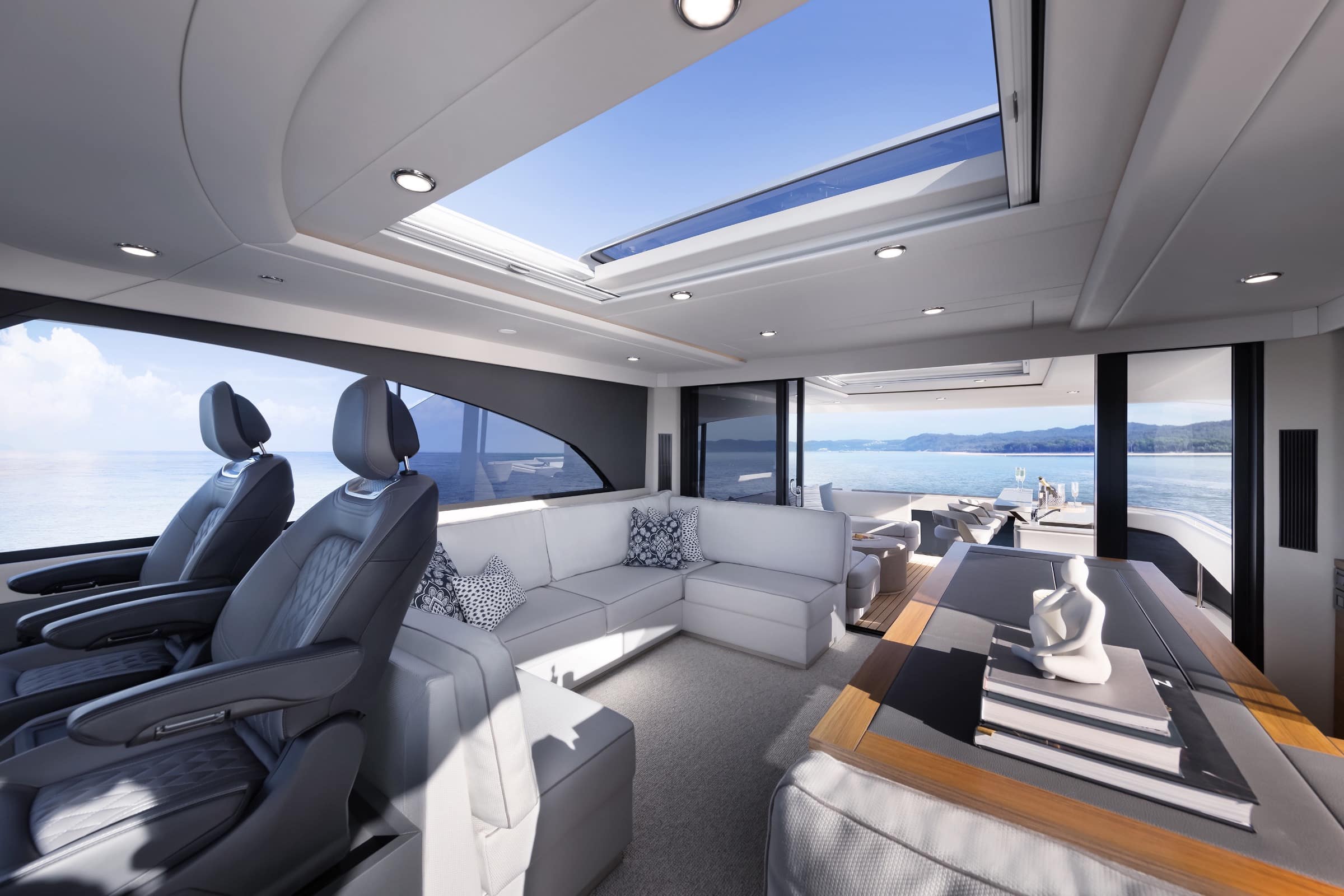
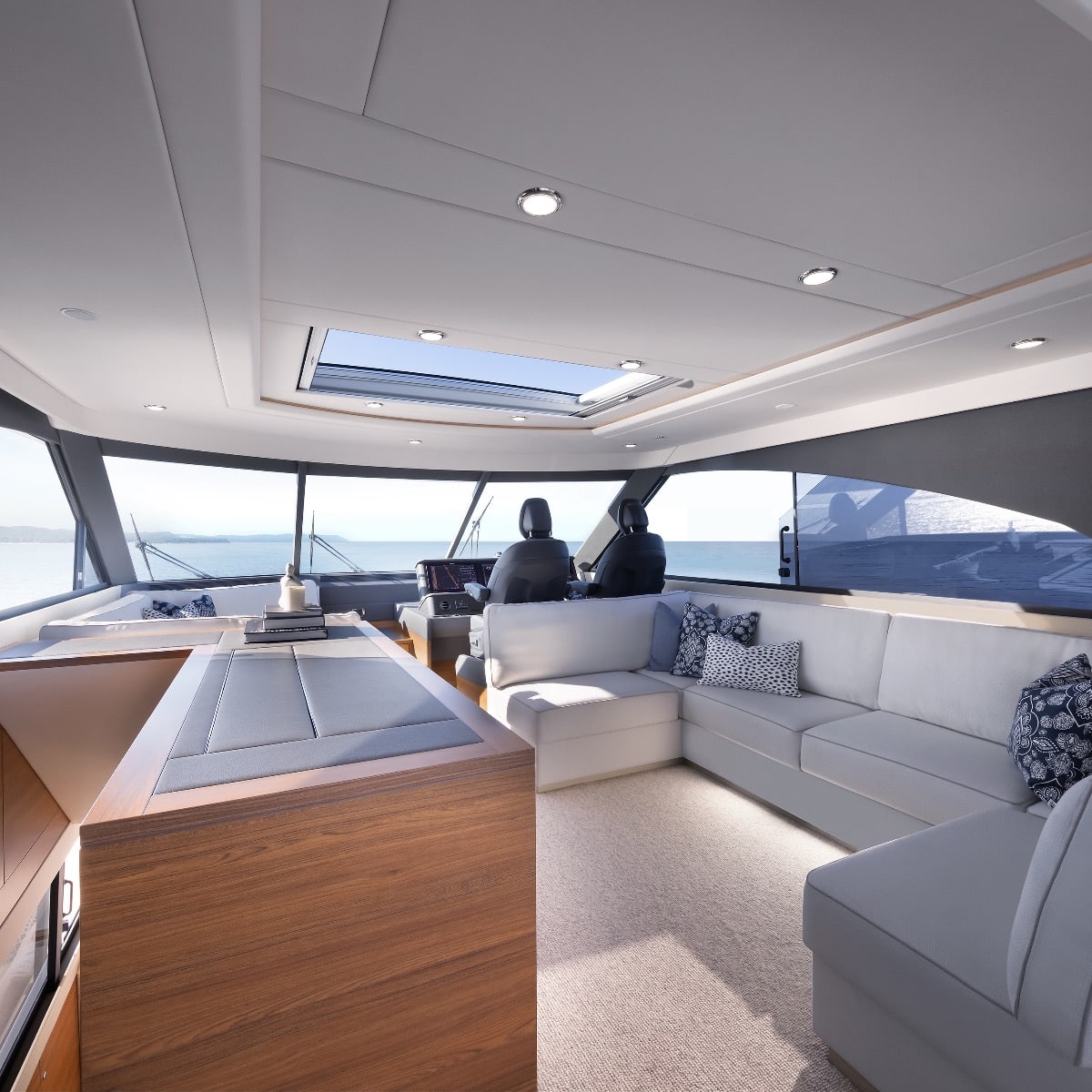
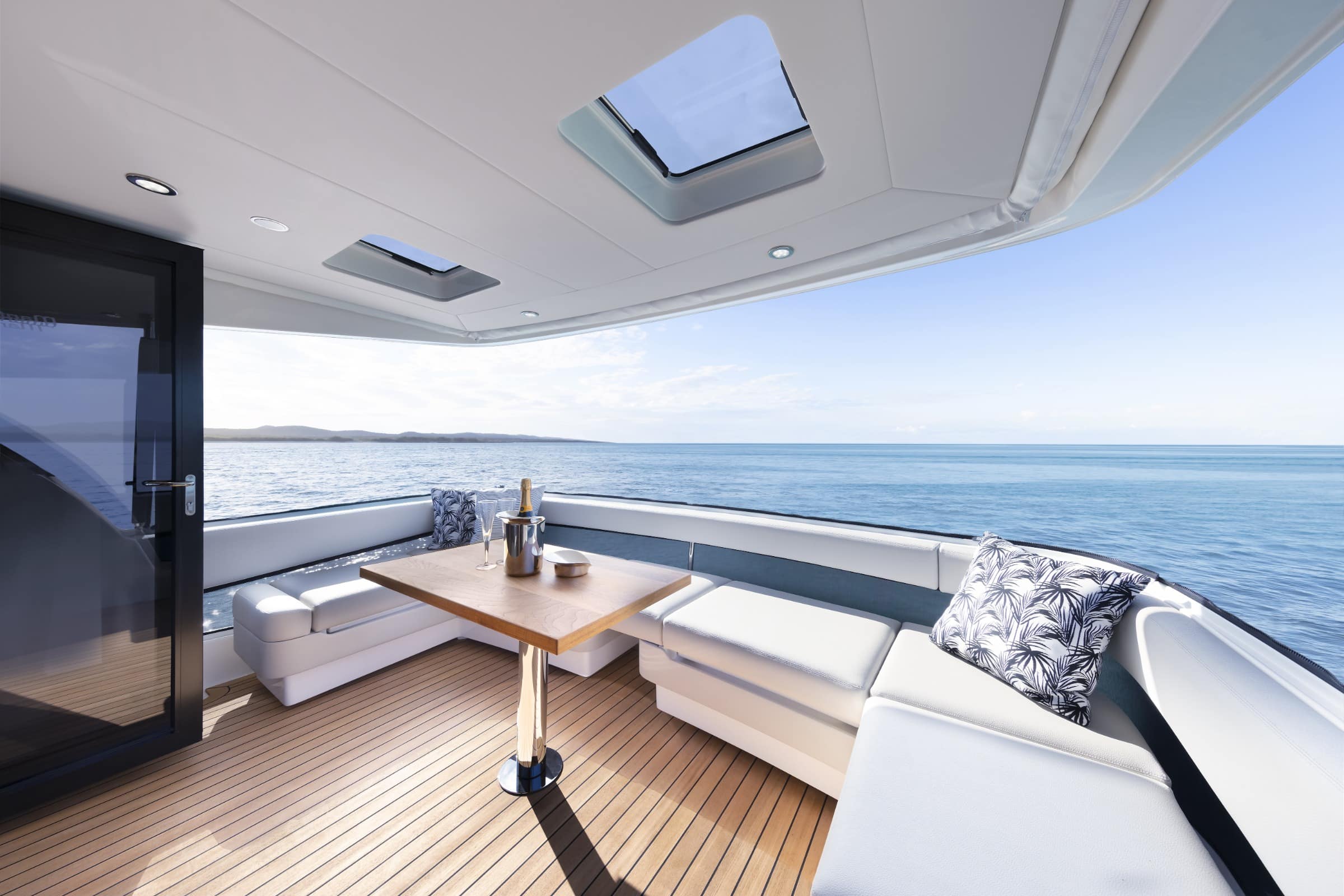
Consider the current M60. It shares a name with the original version conceived in the early 2000s, yet the comparison is instructive. Today’s model offers 20 per cent more flybridge volume, incorporating an internal staircase, fully enclosed Skylounge, and an expansive protected balcony deck. When interior and exterior flybridge spaces combine, owners gain roughly 25 square metres of usable area. The original? Barely quantifiable by modern standards.
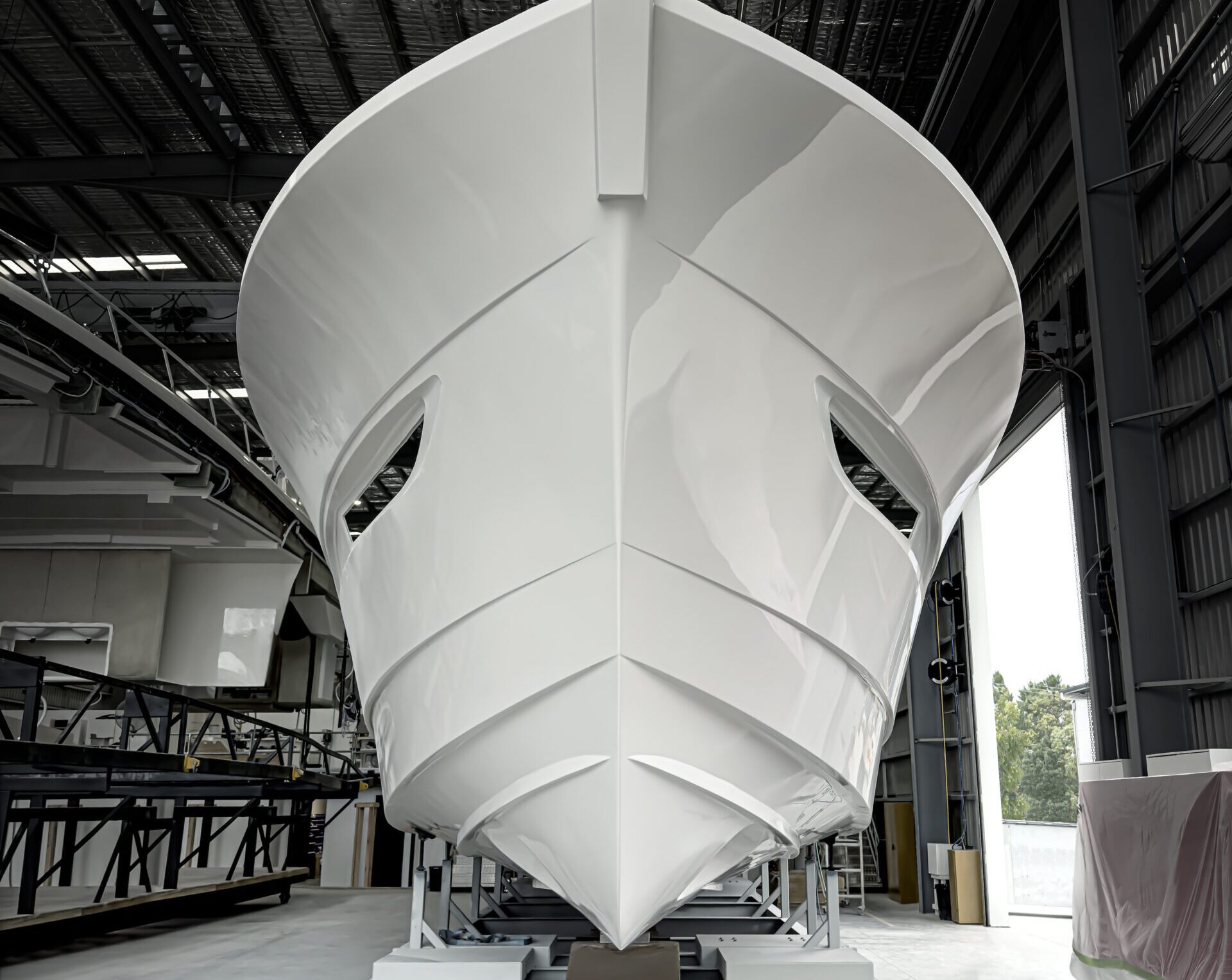
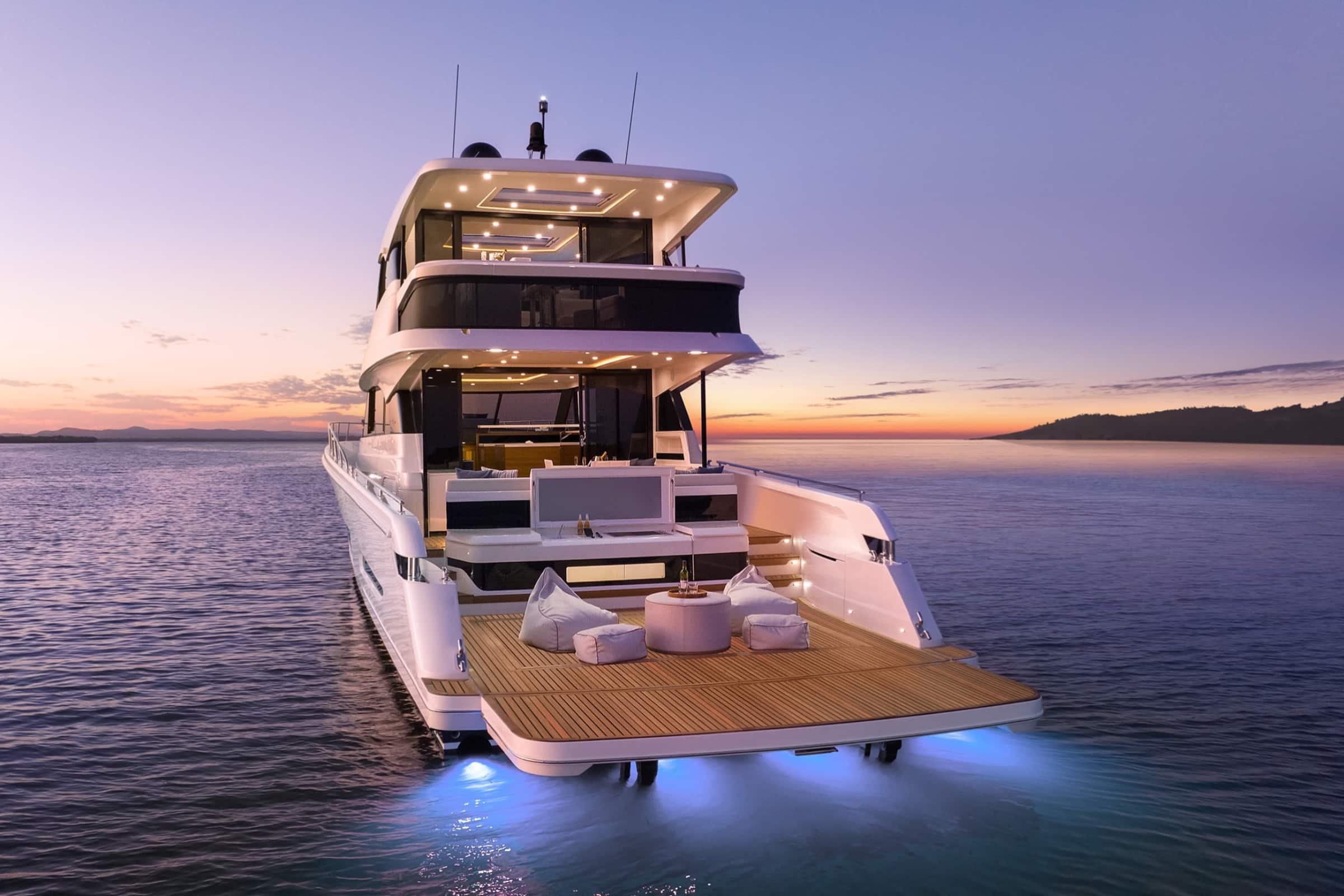
Much of this expansion came not from making the flybridge larger, but from understanding how every millimetre could work harder. The evolution of the flybridge overhangs and wings, originally conceived for safety and shade, became integral to interior spatial design. “We utilised that interior function and made the flybridges much larger on the inside,” Candler notes. The internal staircase proved equally significant, improving accessibility whilst allowing the flybridge to integrate naturally with the main saloon rather than feeling like a separate realm.
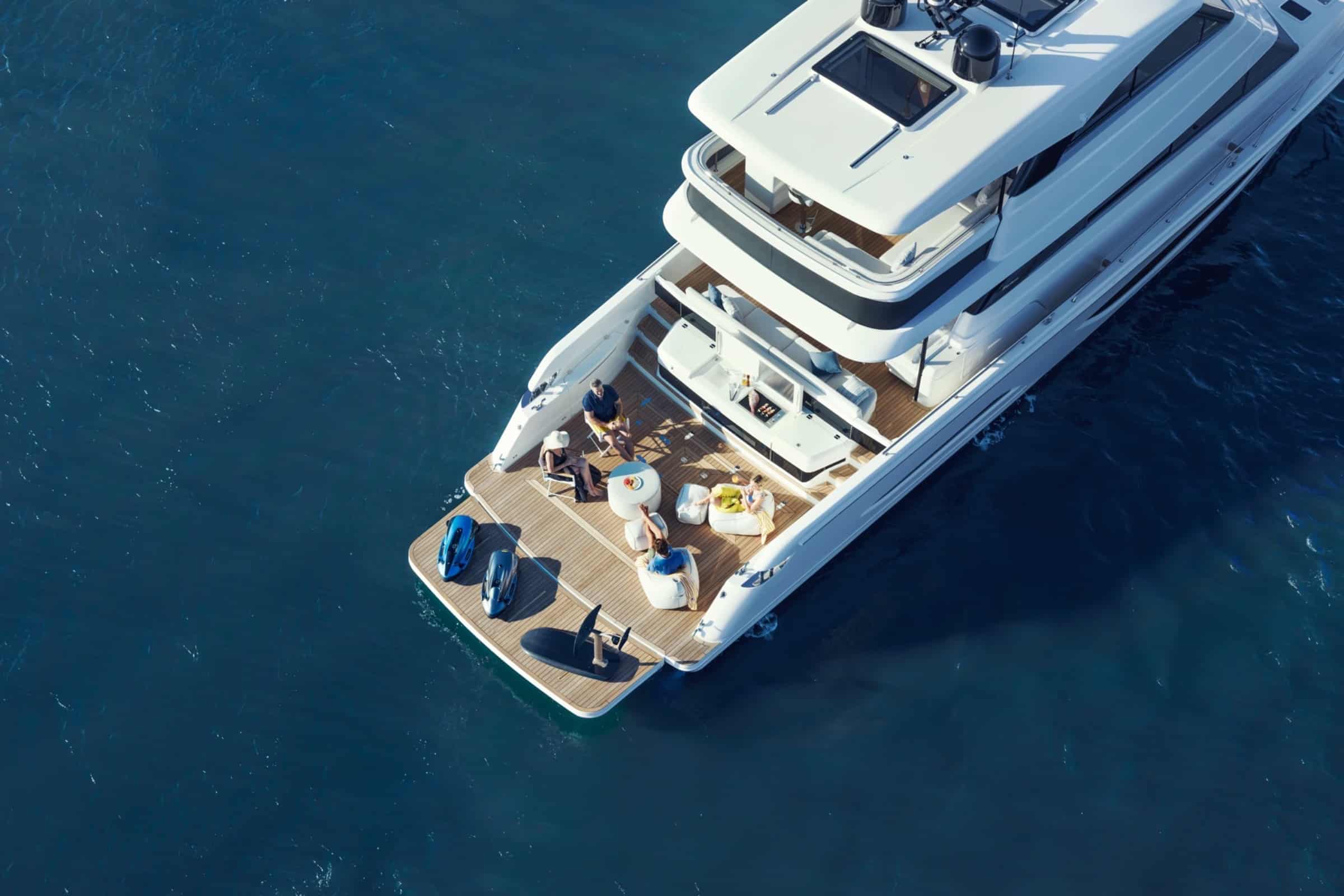
Technology transformed the experience. Early Maritimo boats lacked the expansive glazing now central to the brand’s visual identity. Modern bonding technology enabled larger windows and varied configurations, fundamentally changing how daylight and views interact with the space. Televisions, refrigeration, sophisticated climate control and increasingly refined systems now operate in spaces where such amenities were never contemplated twenty years ago.

What’s striking is Maritimo’s restraint. The company hasn’t chased every trend or attempted to predict technological futures. Instead, Candler describes a process of continuous evaluation where new developments prove their genuine value before integration. “We’re not trying to be ahead of it. We’re not trying to break the sound barrier,” he explains. “But we’re conscious that we need to be in the trends that are moving while sticking true to the foundations of our company.”
That approach, informed by decades of owner feedback and manufacturing advances, means today’s Maritimo owners inherit not just a comfortable second living space, but the product of over twenty years of disciplined thinking about how people actually live aboard.