[cmsmasters_row][cmsmasters_column data_width=”1/1″][cmsmasters_text]
Trampers with a maritime bent should consider a visit to the Cape Brett Lighthouse in the Bay of Islands. It’s a fairly demanding hike, but the views – and the history – are more than worth the effort.
Erected in 1910, the 14m lighthouse is perched 155m above sea level at the end of the Cape Brett peninsula – a reassuring beacon that guided mariners arriving at/leaving the Bay of Islands for nearly 70 years. Though the original tower remains (complete with its intricate internal workings) its light has long been asleep.
Instead, the warning wink mariners see today is a much more modest (and automated) light installed just alongside the tower in 1978, when the original lighthouse was decommissioned. With the swap came a change to its ‘signature’. The original tower emitted two white flashes every 30 seconds {Fl (2) W 30s} with a range of 29 nautical miles. The smaller replacement flashes once every 15 seconds {Fl W 15s} and has a range of 17 nautical miles.

The 111-year-old edifice holds a special place in the legacy of New Zealand lighthouses – it was the first to use the then innovative mercury bath technology. This saw the heavy clockwork mechanism floating in a bath of mercury, a technique that made for a near-frictionless operation. Earlier lighthouses used ball-bearings for the mechanism’s movement.
It rotated smoothly around the light – initially a kerosene lamp, later swapped (in 1955) for an electric bulb powered by a diesel generator. In 1968 the lighthouse and the cottages were connected to the national grid, bringing, one could safely assume, great jubilation to the long-suffering keepers and their wives. A real fridge would have been high on the shopping list.
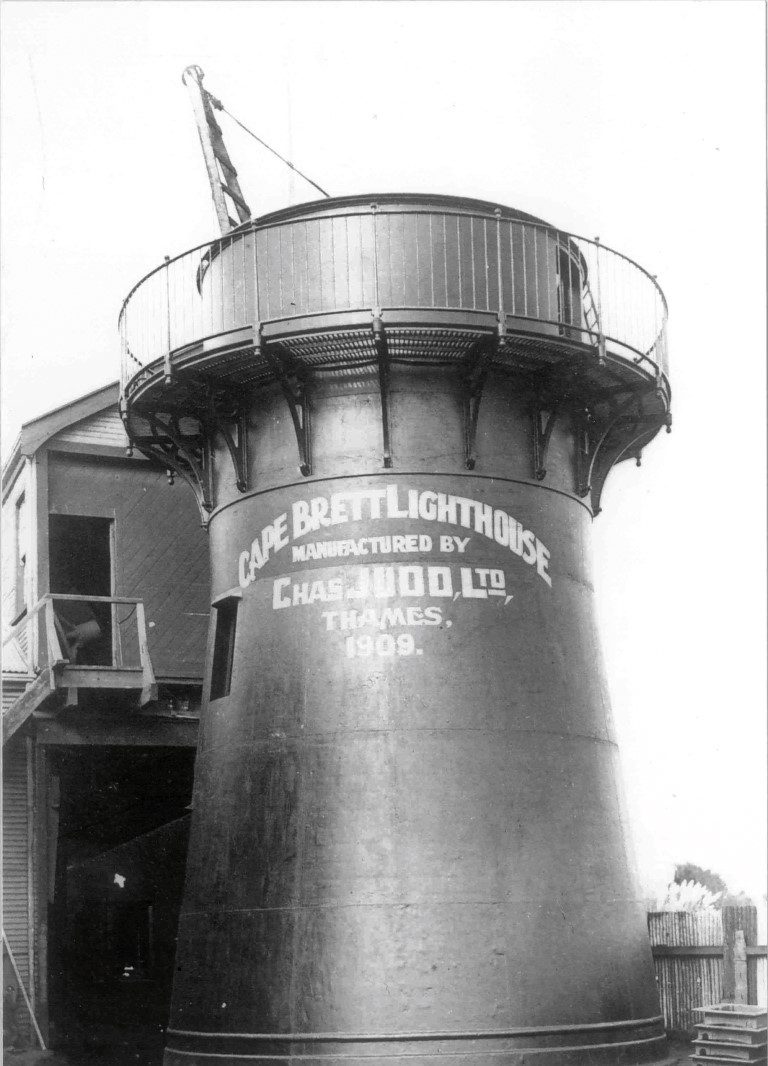
A Thames foundry – Chas Judd Ltd – manufactured the tower from iron plates and bolts at a cost of £11,237 (roughly $1.8m in today’s money). A bit like a jig-saw puzzle, it was first assembled at the foundry yard to make sure it all fitted together correctly. It was then disassembled and shipped to Cape Brett on the steamer Hinemoa. There the pieces were craned ashore and dragged uphill to the site (along a purpose-built tramway) for reassembly.
Today the old lighthouse is listed as a Category 1 Historic Place and is managed by DOC. It’s in remarkably good condition – largely thanks to regular maintenance over the years. This schedule included a major refurbishment project in 2007 which saw some 60 layers of paint stripped away to bare metal before the fresh coating was applied.
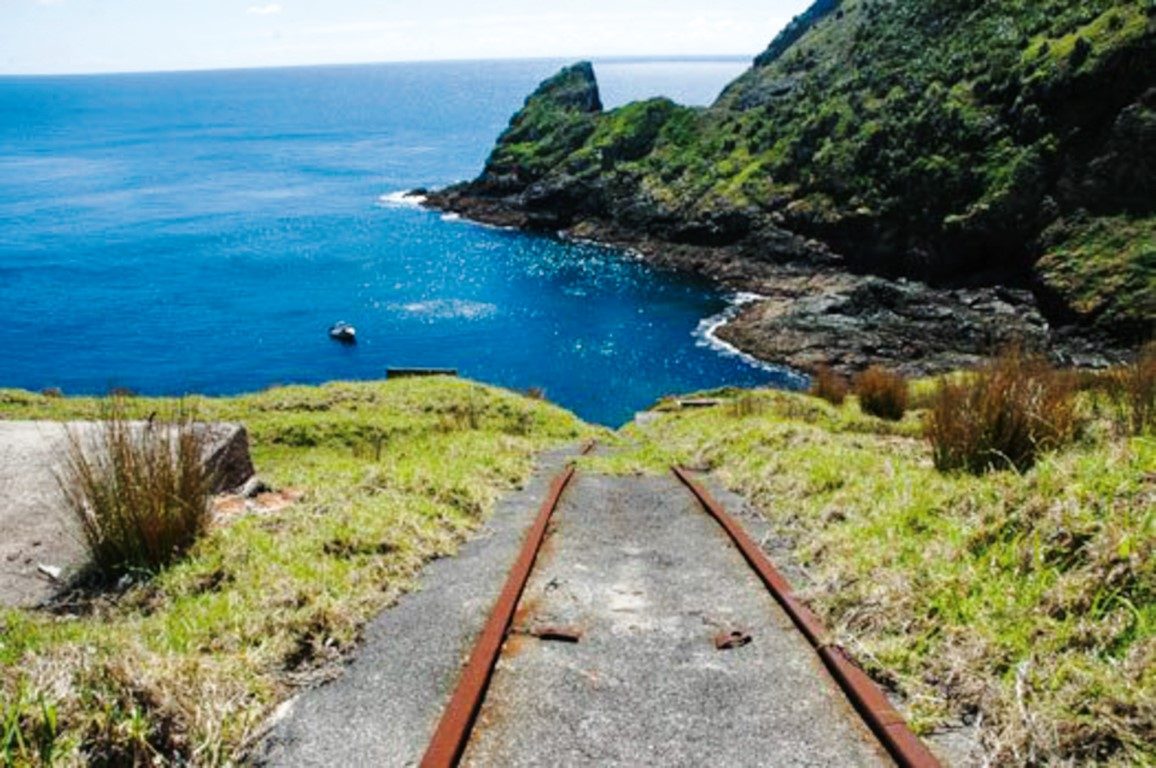
All of New Zealand’s lighthouses are automated these days, but a visit to Cape Brett gives you an inkling of what it was like being a lighthouse keeper at a windswept, lonely outpost. Some 100 different families served here as lighthouse keepers until 1978, when the new light was installed and automated.

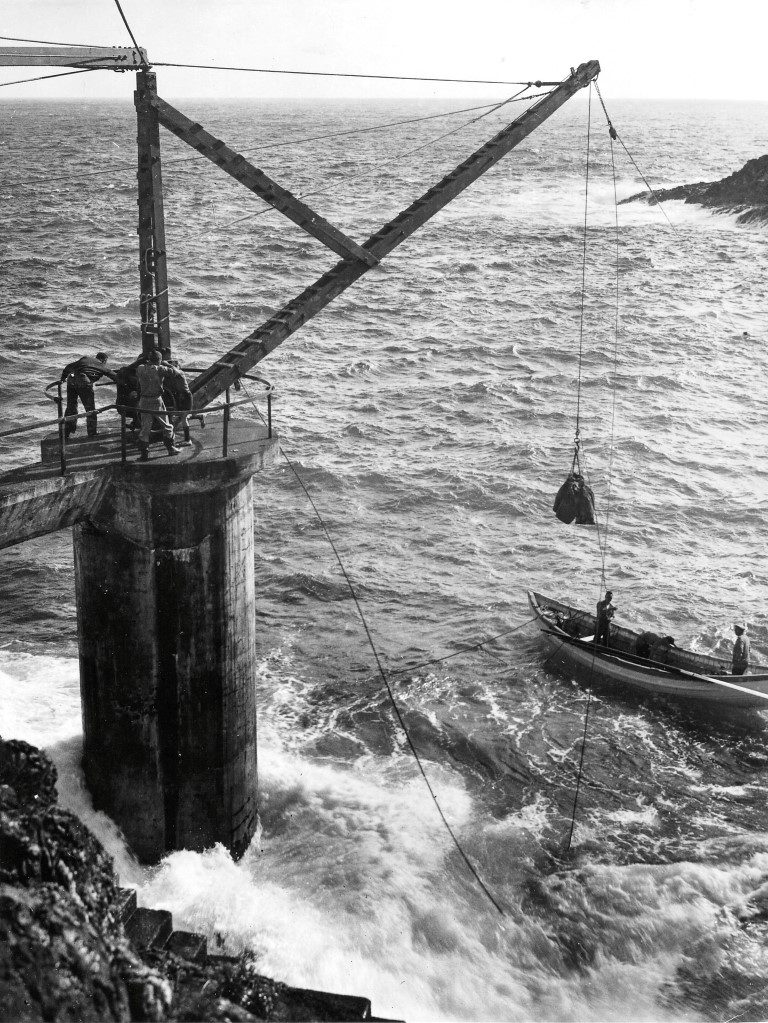
It’s worth noting that in addition to tending the light, keepers were required to be jacks-of-all trades – responsible for general repairs, providing weather forecasts, maintaining a garden for fresh veges and tending the farm animals.
You gain an even better notion of what it was like living and working there by visiting the DOC hut a little further down the peninsula. It’s the only survivor of three ‘homes’ from of the original settlement built in the early 1900s. The single hut now functions as accommodation for the hardy trampers who can spend the night there before tackling the return journey (and believe me, an overnight rest is highly recommended).
The Hike
How hard?
Well – let’s put it this way. Around 45 years ago I did National Service and even as a fairly fit 20-year-old basic training was pretty gruelling. This hike brought back quite a few memories…and I did it the “easy” way! Admittedly, at 65 I’m not as fit as I once was.
DOC maintains the 16.5km track (33km in total) and classifies it as ‘Advanced’. That’s DOC code for a track that’s “mostly unformed and may be rough and steep.” The tramp will take fit hikers about eight hours each way. In addition to the distance, note that the elevation changes constantly (lots of up- and downhills). The highest point is about 350m above sea level.
Stalwarts (carrying backpacks) begin the trip at Rāwhiti, a small settlement about 31km from Russell, and spend the night at the DOC hut at the end of the peninsula, heading back the next morning.
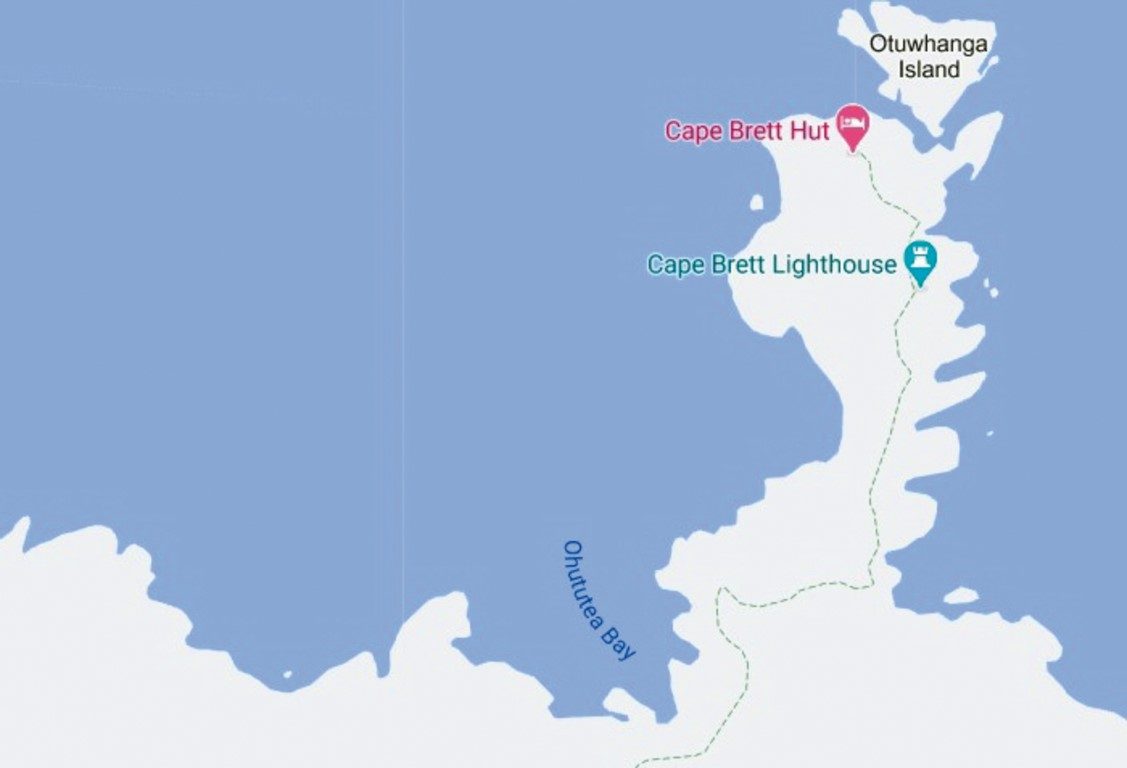
For the more faint-hearted (like me), an easier, more sensible option is to hop aboard a water taxi/shuttle at Paihia/Russell. It drops you at Deep Water Cove, (where the frigate Canterbury has been sunk as a diving destination). From there it’s a 5.5km hike to the lighthouse (about two hours each way). We used the Sea Shuttle Bay of Islands service (www.seashuttleboi.co.nz) – very punctual.
For something in between (and if you don’t want to stay overnight in the hut), you can also elect to do the hike one-way from Rāwhiti and then walk back to Deep Water Cove to catch the water taxi. Note that there is no fresh water along the track – take plenty with you to prevent dehydration.
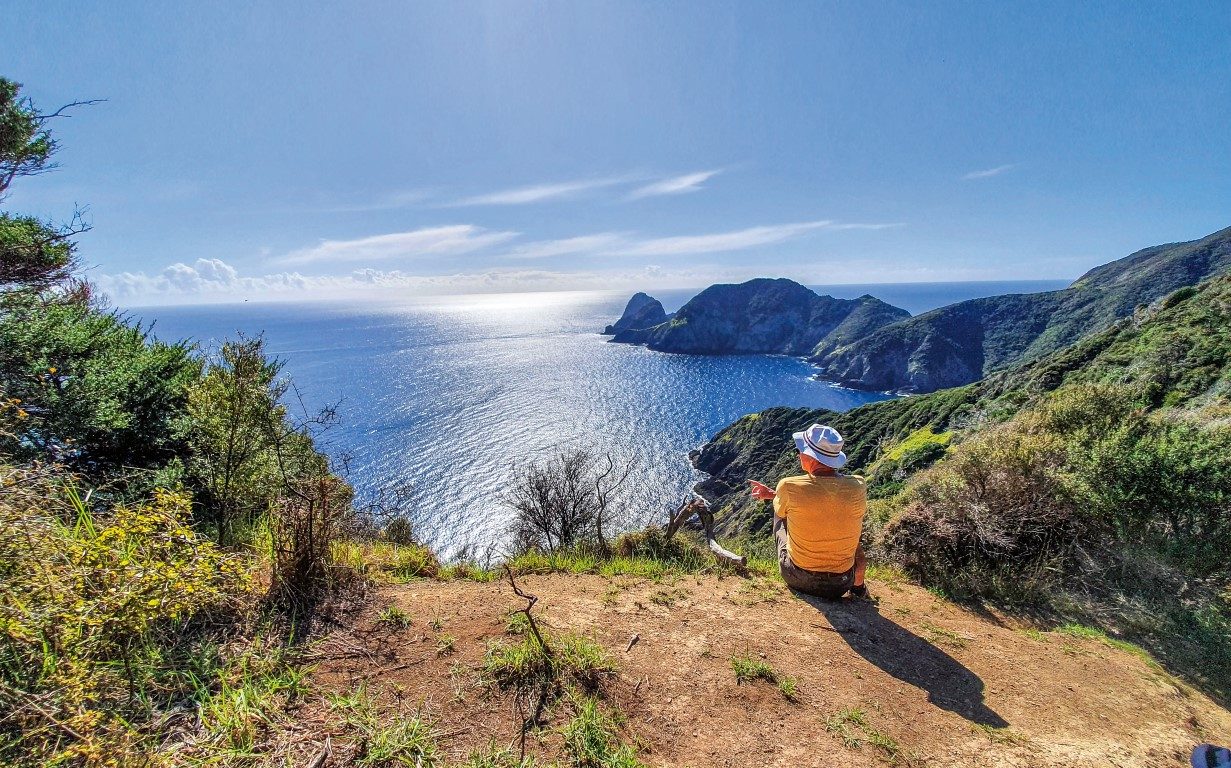
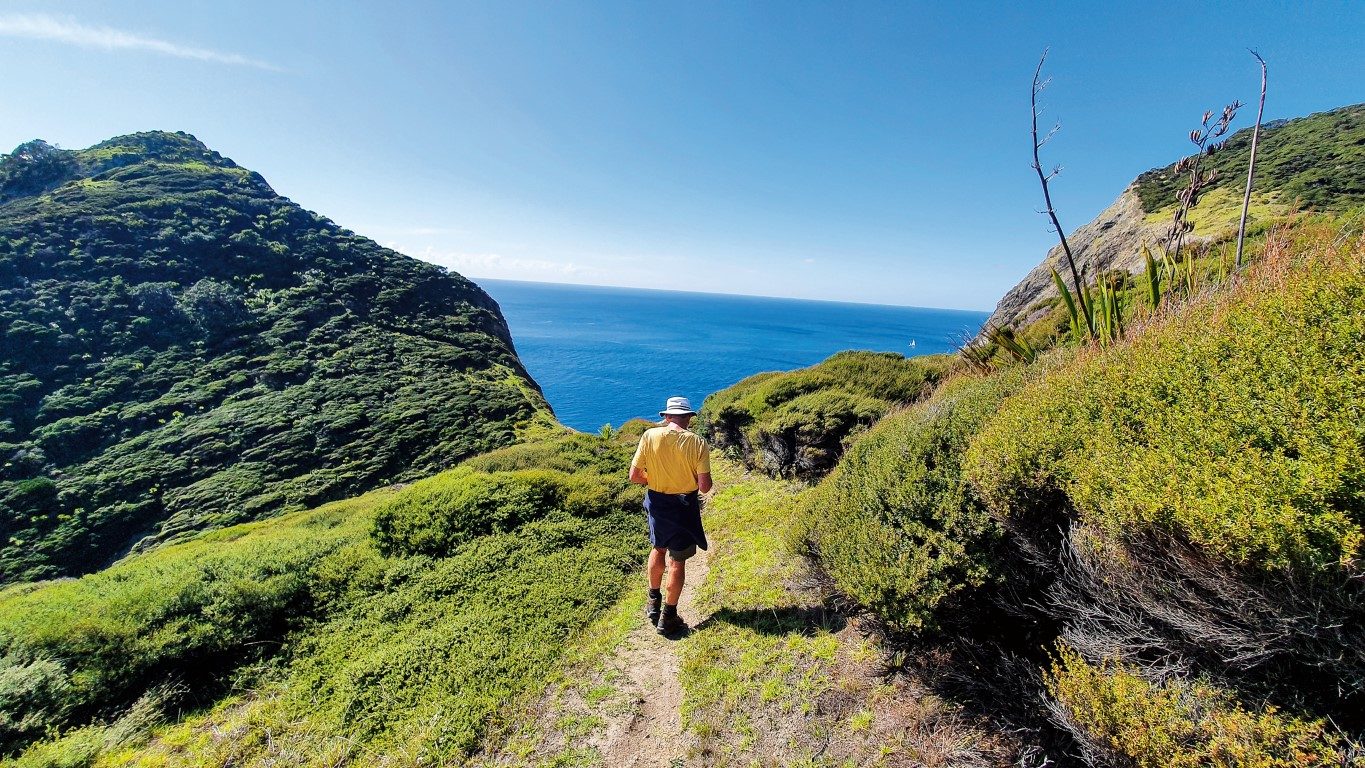
After all that scaremongering, I should emphasise that the views along the hike are majestic – so yes, it definitely is worth doing. And you have plenty of time – no need to race. Stand-out features are the coastal views and the colours – and the dense bush with lots of birdlife.
I was also struck by the solitude – we didn’t encounter a single other soul on our hike – which might be a reflection of our stupidity… But without any other sounds (besides the heavy breathing) the bird song is like a symphony.
Further information
For a fascinating insight into the lives of the lighthouse keepers, watch the 2008 documentary Guardians of the Light – NZ On Screen, embedded below. You could also visit your local library and borrow a copy of Beacon of the Bay – The Cape Brett Lighthouse Settlement and its Families. Published by DOC in 2008, it provides a wealth of information about the lives of lighthouse keepers, their families, their pets and the buildings.
[cmsmasters_row data_shortcode_id=”tc8teddbj” data_padding_bottom_mobile_v=”0″ data_padding_top_mobile_v=”0″ data_padding_bottom_mobile_h=”0″ data_padding_top_mobile_h=”0″ data_padding_bottom_tablet=”0″ data_padding_top_tablet=”0″ data_padding_bottom_laptop=”0″ data_padding_top_laptop=”0″ data_padding_bottom_large=”0″ data_padding_top_large=”0″ data_padding_bottom=”50″ data_padding_top=”0″ data_bg_parallax_ratio=”0.5″ data_bg_size=”cover” data_bg_attachment=”scroll” data_bg_repeat=”no-repeat” data_bg_position=”top center” data_color=”default” data_bot_style=”default” data_top_style=”default” data_padding_right=”3″ data_padding_left=”3″ data_width=”boxed”][cmsmasters_column data_width=”1/1″ data_shortcode_id=”a0nso1rkqd” data_animation_delay=”0″ data_border_style=”default” data_bg_size=”cover” data_bg_attachment=”scroll” data_bg_repeat=”no-repeat” data_bg_position=”top center”][cmsmasters_html shortcode_id=”vqr5a29kbg”]PCEtLSBTdGFydCBOWiBPbiBTY3JlZW4gLSBHdWFyZGlhbnMgb2YgdGhlIExpZ2h0LSBDbGlwOiBHdWFyZGlhbnMgb2YgdGhlIExpZ2h0IFNpemU6IDU4NSBieSA0MTAgLS0+CjxpZnJhbWUgd2lkdGg9IjU4NSIgaGVpZ2h0PSI0MTAiIHN0eWxlPSJ3aWR0aDogNTg1cHgiIHNyYz0iaHR0cHM6Ly93d3cubnpvbnNjcmVlbi5jb20vZW1iZWQvYWY2ZTg5MGI1Y2U0ZDAwOD9sYz0wIiBmcmFtZWJvcmRlcj0iMCIgYWxsb3dmdWxsc2NyZWVuID48L2lmcmFtZT4KPCEtLSBFbmQgTlogT24gU2NyZWVuIC0gR3VhcmRpYW5zIG9mIHRoZSBMaWdodC0gQ2xpcDogR3VhcmRpYW5zIG9mIHRoZSBMaWdodCAtLT4K[/cmsmasters_html][/cmsmasters_column][/cmsmasters_row]