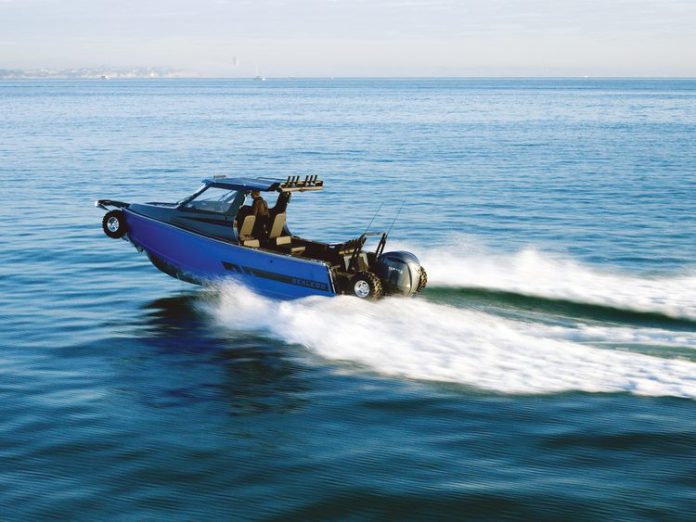
Securing your boat to a cleat is simple, right? Well, yes, but there are right and wrong ways to do it explains Andrew Flanagan – even some controversy.
LOCKING HITCH KNOT
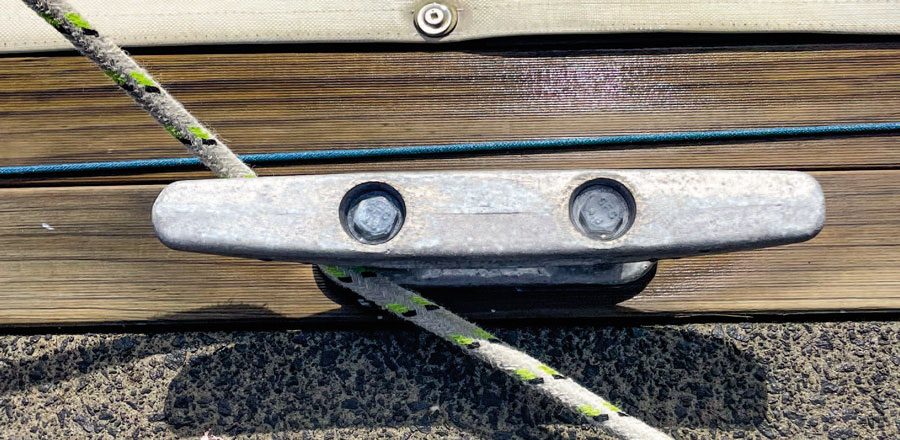 1. Do not start like this. This is a bad lead, the line is interfering with the bit which can make it tricky to form enough figure-eights. The line can jam.
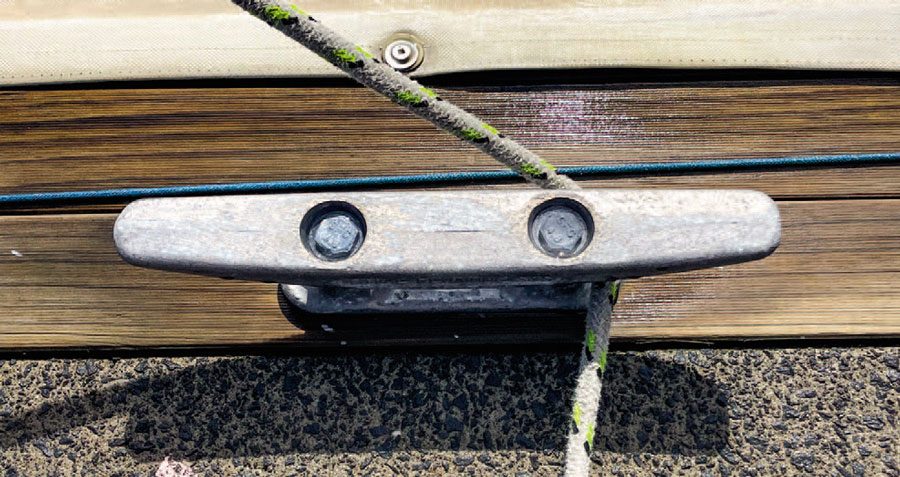 2. Start like this with a nice, clean open cleat.
 3. Take the line around half and then begin making your figure- eight wraps.




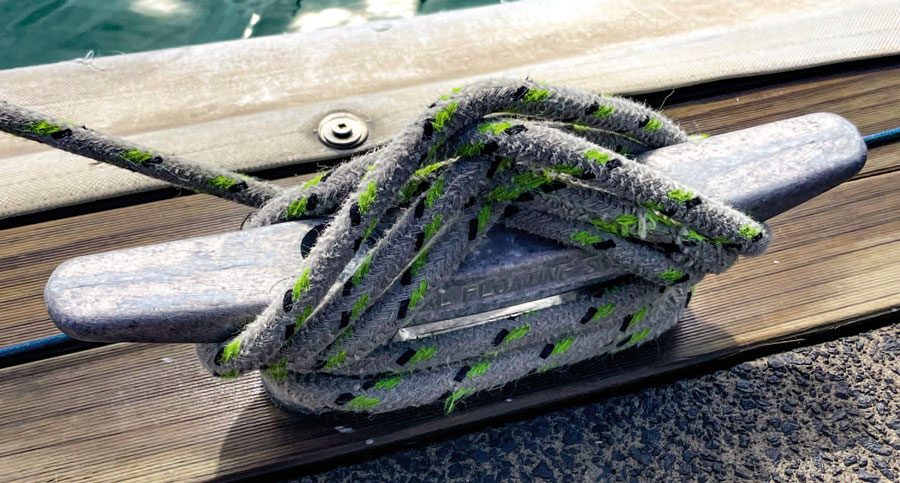 4. Ideally you want the recommended three figure of eights. This is sufficient for most boats when secured to cleats with a rough texture.
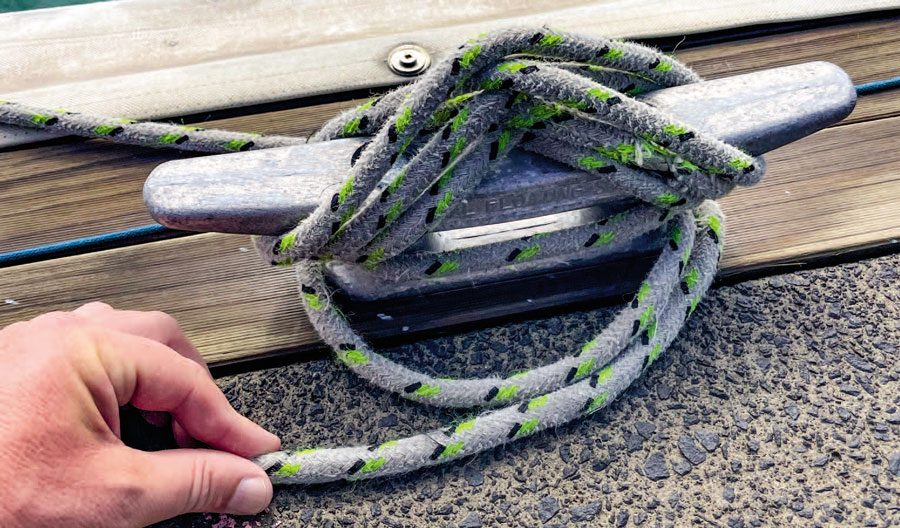 5. Here is where we have cleat controversy. I refuse to use half (locking) hitches if I can avoid them as doing so defeats the purpose of a cleat being quick and easy to release.
 6. Instead, I simply wrap the remaining working end around the cleat in a circular fashion as above and ‘Done’.
OK, I CAN HEAR THE HOWLS OF DISCONTENT ABOUT MY LOCKING HITCH COMMENT ABOVE, SO….

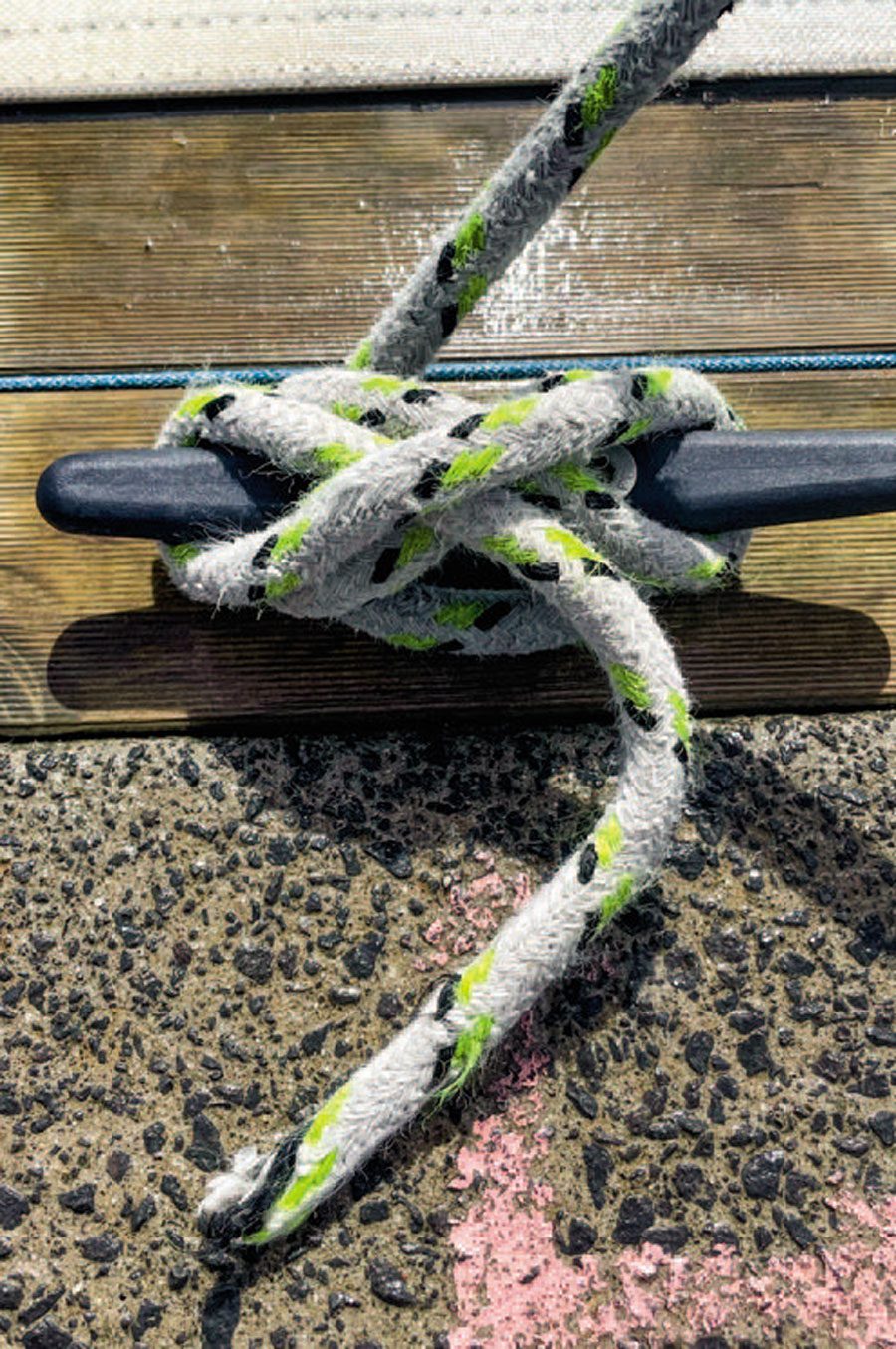 7 & 7A. I will capitulate somewhat… If you have a large diameter line and a small cleat, it may be acceptable to use a ‘locking hitch’ if you can’t quite get three figure eights on the cleat – it is better to have the line lock up and jam than to have the boat disappear. Just make sure your ‘locking hitch’ continues the flow of the figure-eight and does not look like 7A or the cleat perfection police will frown.

FINAL THOUGHT….
 8. Whenever you or your crew are working a line under load, for example pulling a boat closer to the dock, please try to involve a cleat and use a working turn as above. You can pull up on the standing part, then recover the slack round the cleat by pulling the working end. Don’t ever get your fingers within 15cm of a cleat with the line under load. Many a finger has popped into the sea as a result of this mistake!

FLEMISH FLAKE
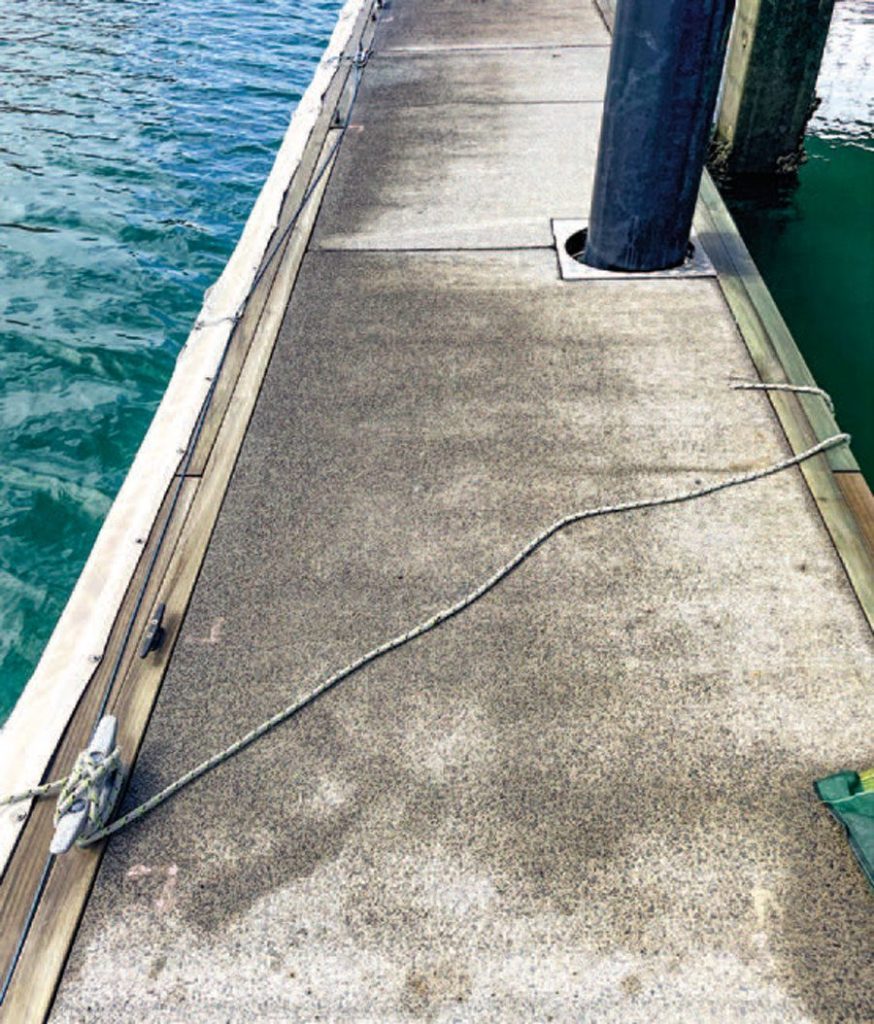 1A. Do not leave your lines strewn across a dock like this, they are a trip hazard.
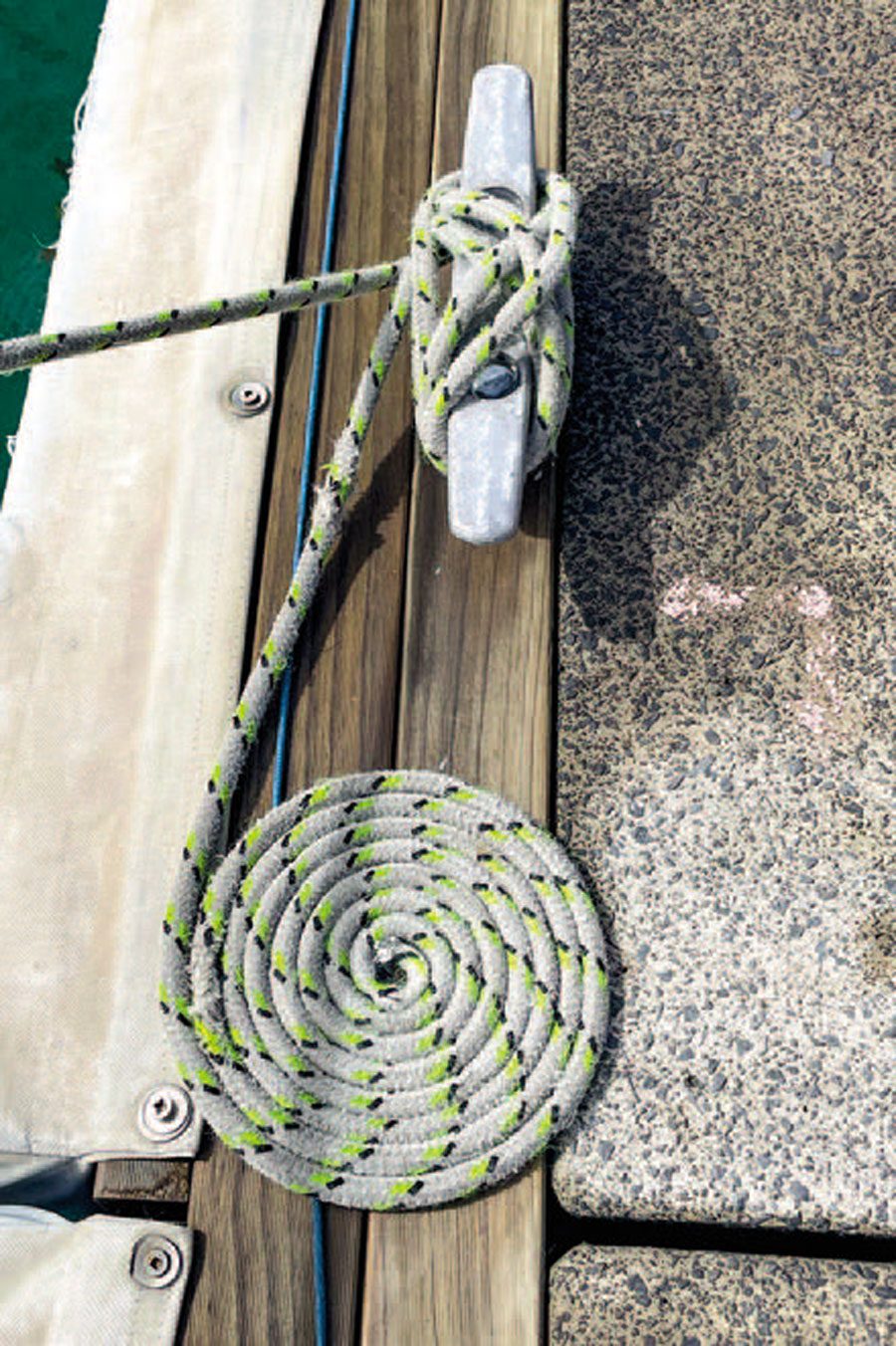 2A. Instead, look like a pro by choosing to ‘Flemish Flake’ your line like this. If you want to see how to do this, scan this QR code, below (Flemish Flake).