
What the CRA 2 and CRA 4 rock lobster consultation is proposing
Fisheries New Zealand is consulting on draft fisheries plans for the Hauraki Gulf and Bay of Plenty fishery, known as CRA 2, and the Wellington and Wairarapa fishery, known as CRA 4. The idea is simple. Set a clear biomass target for each stock and manage towards that level, with thresholds that trigger action if abundance dips.
Today the default target is BMSY. That means the biomass that supports the maximum sustainable yield. FNZ is testing higher targets to better reflect ecosystem health, customary values, and stakeholder goals. The final plan for each stock will include one chosen target. FNZ wants your feedback before it advises the Minister.
The options place the target at multiples of BMSY. For CRA 2 the choices are BMSY, 1.75 times BMSY, 2.5 times BMSY, or 3.5 times BMSY. For CRA 4 the choices are BMSY, 1.75 times BMSY, 2.5 times BMSY, or 3.5 times BMSY. FNZ also proposes threshold levels, either BMSY or half of the chosen target, that would trigger a review.

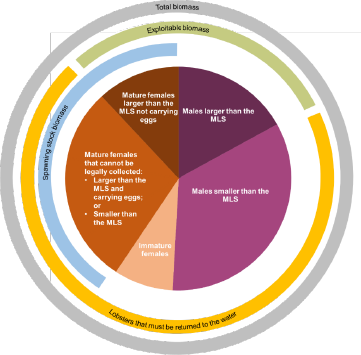
In plain terms, a higher target holds more crayfish in the water. It usually means tighter catches for a while. It should deliver more large lobsters, better catch rates, and a fishery that copes better with bumps in recruitment and weather.
Why higher targets are on the table
Much of the heat sits in the Hauraki Gulf and Bay of Plenty. Urchin barrens have expanded over decades, and big predators help keep kina in check. Rebuilding the number and size of large lobsters is one lever among several, alongside snapper and other predators, and local habitat work. FNZ is blunt about uncertainty. No one can point to a single magic number that flips a reef back to kelp, and stock wide targets do not solve local reef issues on their own. But more big kōura should help.
FNZ’s modelling suggests that managing CRA 2 at the highest option would deliver far more large lobsters over time. That matters because only the big animals can handle large kina. Similar patterns are projected in CRA 4, although barrens are less documented there.
What this could mean on the water
For CRA 2 the stock was estimated at about twenty percent of unfished exploitable biomass in 2024, which is above the current default target. The Minister left catch settings unchanged in early 2025, signalled an interim rebuild path towards twice BMSY, and closed the inner Hauraki Gulf to lobster fishing from Cape Rodney to Port Jackson. That package sits in the background as FNZ now seeks a long term target under a formal plan.
For CRA 4 the stock sits well above the default target and is projected to hold or grow at current catches. If the final target is set higher, then catch reductions may be needed to reach it within the chosen time frame. That call will be part of later decisions.
FNZ also sketches likely benefits if targets lift. Expect a rise in catch per unit effort for the commercial fleet, more legal sized lobsters for divers and potters, and more large animals in the mix. Those are long term averages once the target is reached, not promises for next season.
As a reminder, this is a shared fishery. Customary, recreational and commercial interests all count. Decisions on any short term catch changes will weigh those sectors and the timeline to reach the new target.
How to make a strong submission to the CRA 2 and CRA 4 rock lobster consultation
Consultation is open now and runs until 5pm on Monday 8 September 2025. Email submissions to FMSubmissions@mpi.govt.nz. MPI’s page lists the consultation and links to the documents and the form. Ministry for Primary Industries
FNZ asks three simple things. Which target do you support for each stock, which threshold do you prefer, and how the plan and target will affect you. It also invites comment on the objectives and a ten year review period. If you fish, dive, or anchor in these areas, this is your chance to be clear about what you value and why.

A few practical tips from a boatie’s view.
Anchorages and dive spots vary by exposure and current. Tell FNZ where you see crayfish abundance shift and where you see kina heavy ground.
If you pot, describe soak times, bait use, bycatch and gear loss trends. These details show how catch rate changes feel on a small boat.
If you dive, note depth bands, swell windows and visibility. Paint a picture of how often you now see legal crayfish compared with five or ten years ago.
Consider the time path. A higher target with a slower ramp may suit shared use better than a fast jump.
If you support local reef scale projects, say so. Stock wide targets do not fix every reef. Local work still matters.
As Emma Taylor of Fisheries New Zealand put it when the consultation opened, “Consultation starts today and runs until 5pm on Monday 8 September 2025.” The ask is simple. Read the proposals and have your say. Ministry for Primary Industries
Where this heads next
FNZ will summarise submissions and recommend a preferred target and plan for each stock for Ministerial approval. If approved, the plans will guide catch reviews from 1 April 2026 and run for ten years before review. For us on the water, the result sets the tone for how abundant crayfish should be in our key North Island reefs, and how we balance rebuild, access and healthy habitats.