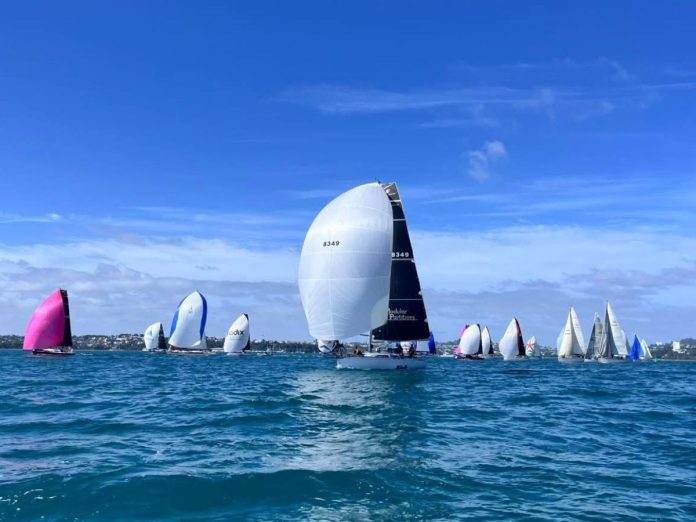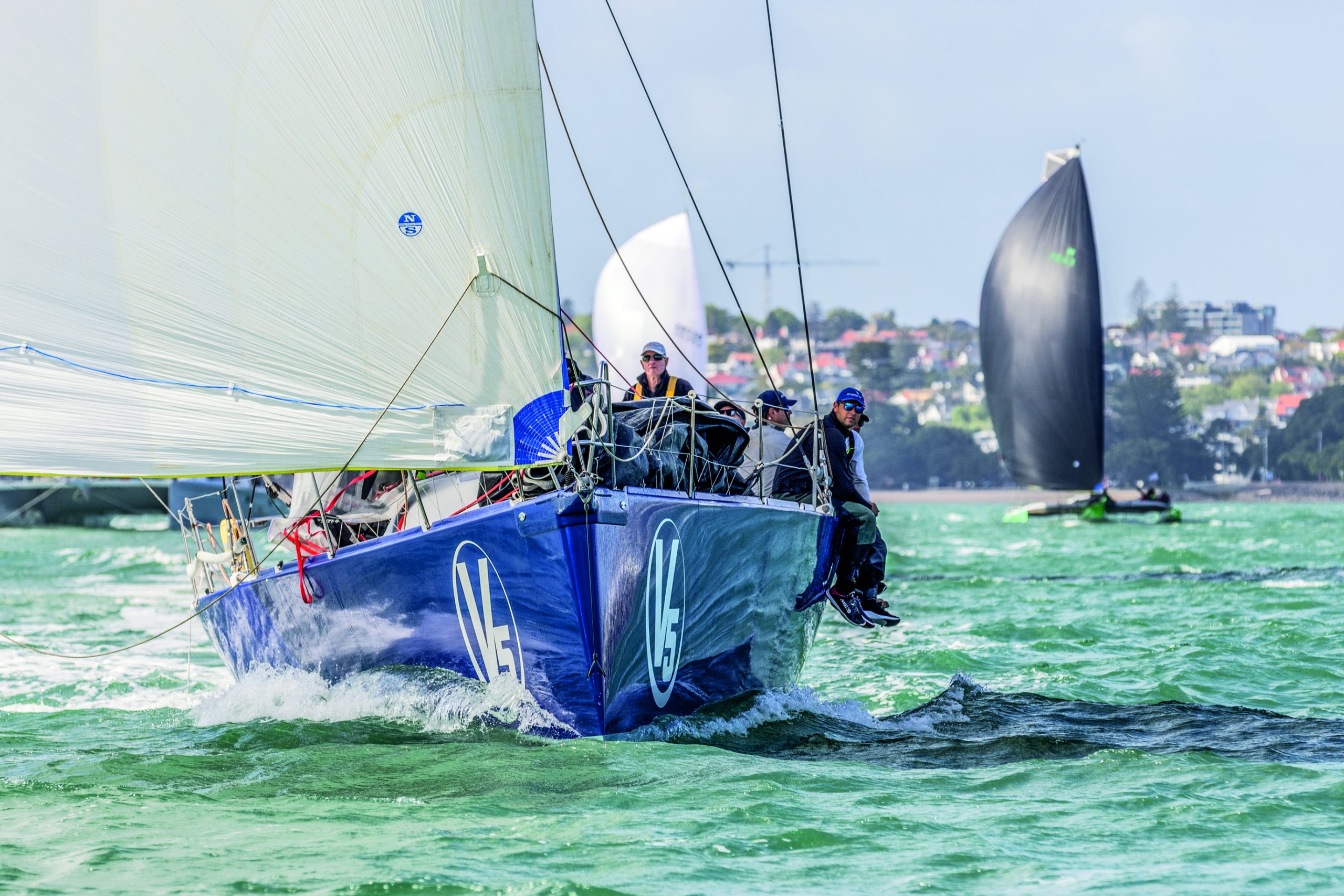
Preparation begins before you untie the lines
I had planned to write about outboard-motor maintenance this week. Instead, after sitting in on the PIC Coastal Classic Boat Prep and Safety Clinic last night, I found myself thinking about something broader. The session, hosted by the New Zealand Multihull Yacht Club, wasn’t only for racers—it was a clear reminder that preparation is the foundation of every good trip, whether you’re crossing the Hauraki Gulf or heading for a weekend in the Bay.
Speakers Simon Hull, Adrian Percival, and Megan Kensington walked through safety routines that apply to any vessel. Their message was straightforward: good habits make good sailors, and most problems are prevented long before you leave the dock.
Know your boat inside out
Every skipper should have a clear safety plan that everyone on board can read and understand. A safety diagram showing the location of seacocks (through-holes), fire extinguishers, flares, first-aid kits, and emergency gear can save valuable time in an emergency.
Don’t assume you remember where everything is—check. Make sure lockers open, lights work, radios transmit, and batteries hold charge. The small jobs done now prevent bigger ones later. Preparation might not feel dramatic, but it’s the best investment you’ll make before summer.
Train your crew before you go
Another strong theme from the clinic was crew induction. Whenever new people come aboard—family, friends, or race crew—they should get a proper walkthrough: where the safety gear is, how the radio works, how to start the engine, how to reef the main.
The middle of the night in 25 knots is the wrong time to discover someone doesn’t know how to clip a reefing line. Practice the basics in daylight, rotate positions, and let everyone try each job. Confidence comes from familiarity. Even a short briefing before leaving the marina builds teamwork and makes everyone safer.
Keep the essentials ready
A few reminders from the clinic are worth noting:
- Lifejackets: today’s inflatables are light and comfortable—wear them at night and whenever it’s blowing above 15 knots. Check out the wide range of lifejackets at Burnsco.
- Harnesses and tethers: clip on before you leave the cockpit; prevention beats recovery.
- EPIRB: a registered EPIRB is now required for Cat 3 boats and is wise for all offshore trips. Make sure the crew knows how to use it.
- Lighting: each person should carry a headlamp with a red-light mode to protect night vision.
- First aid: nominate a trained first-aider and keep your kit complete, dry, and within reach.
All these items are easy to find at Burnsco, a proud supporter of the PIC Coastal Classic and long-time safety partner to Kiwi boaters. From EPIRBs and strobes to harnesses and first-aid kits, Burnsco stocks the gear that keeps you ready for anything.
Look after your crew
Safety isn’t only about equipment—it’s about people. The presenters spoke often about hydration, warm meals, and energy. Cold, tired sailors make poor decisions. Keep food and water within reach, prepare hot drinks or soup for long runs, and wear proper wet-weather gear even when the sky looks friendly.
Rotate helms and trimmers early, not when fatigue sets in. Rested crew sail better and react faster. The best seamanship often comes from simple comfort and good planning.
Practice builds confidence
Safety drills aren’t bureaucracy; they’re rehearsal. Try a man-overboard recovery in daylight, then again at night. Simulate a power failure, practice reefing in a breeze, and make sure everyone can send a Mayday call. The more often you practice, the calmer you’ll be when something unexpected happens.
If you haven’t done a full safety check this season, make it the first job before your next trip. Do it with your crew or family, and finish with a Burnsco run to top up what’s missing.
Final tack
Whether you’re racing north or cruising the Gulf, the rules are the same: know your boat, trust your gear, prepare your crew, and stay alert. The PIC Coastal Classic Boat Prep and Safety Clinic was a timely reminder that safety starts long before you cast off.
As summer approaches, give your preparation the same care you give your boat’s polish. It’s the quiet work that makes every trip safer, smoother, and far more enjoyable.