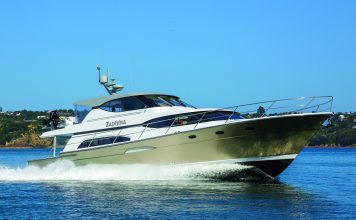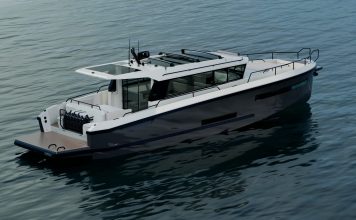
This summer, Waikato Regional Council (WRC), with funding support from Biosecurity New Zealand, is leading a campaign throughout the Coromandel Peninsula to raise awareness about exotic caulerpa, an invasive marine species threatening our coastal ecosystems. Look out for our summer ambassadors this summer at your local boat ramps, camp sites and community events.
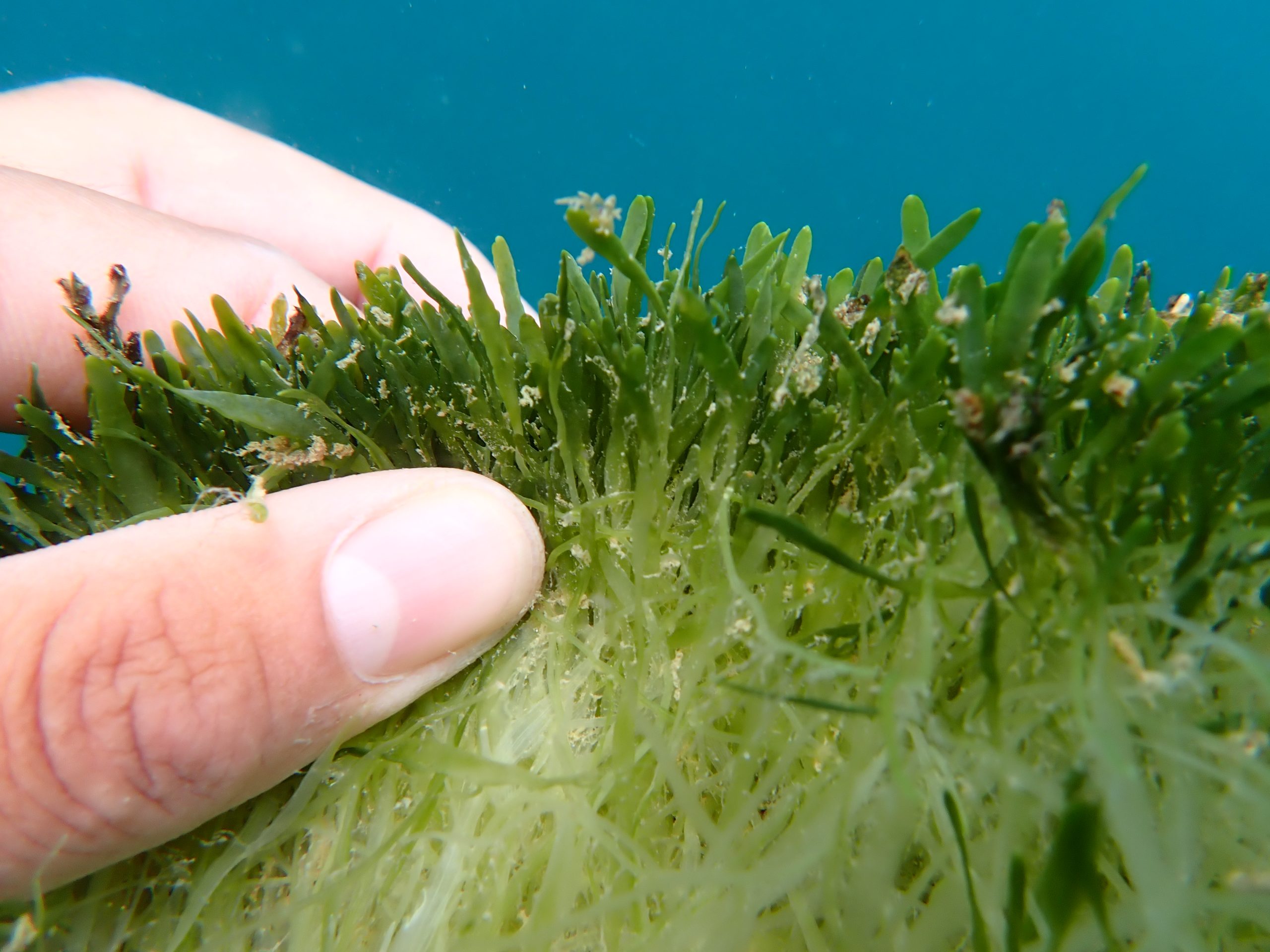
Two nearly identical species of exotic caulerpa are known to be in New Zealand waters – Caulerpa brachypus and Caulerpa parvifolia. Together, these are referred to as exotic caulerpa. First detected in 2021 at Aotea, Great Barrier Island, the pest has now been found in Northland, Auckland and the Coromandel Peninsula. Coromandel infestation locations include Ahuahu Great Mercury Island, Repanga Cuvier Island and Northern Coromandel locations between Fantail Bay and Square Top Island.
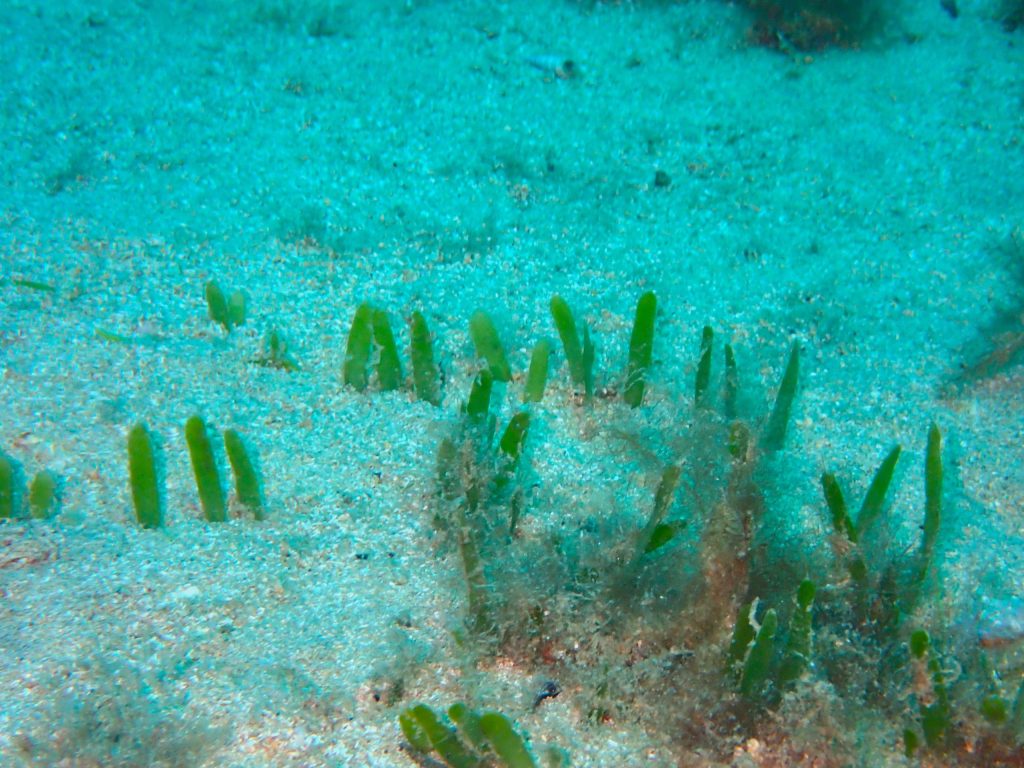
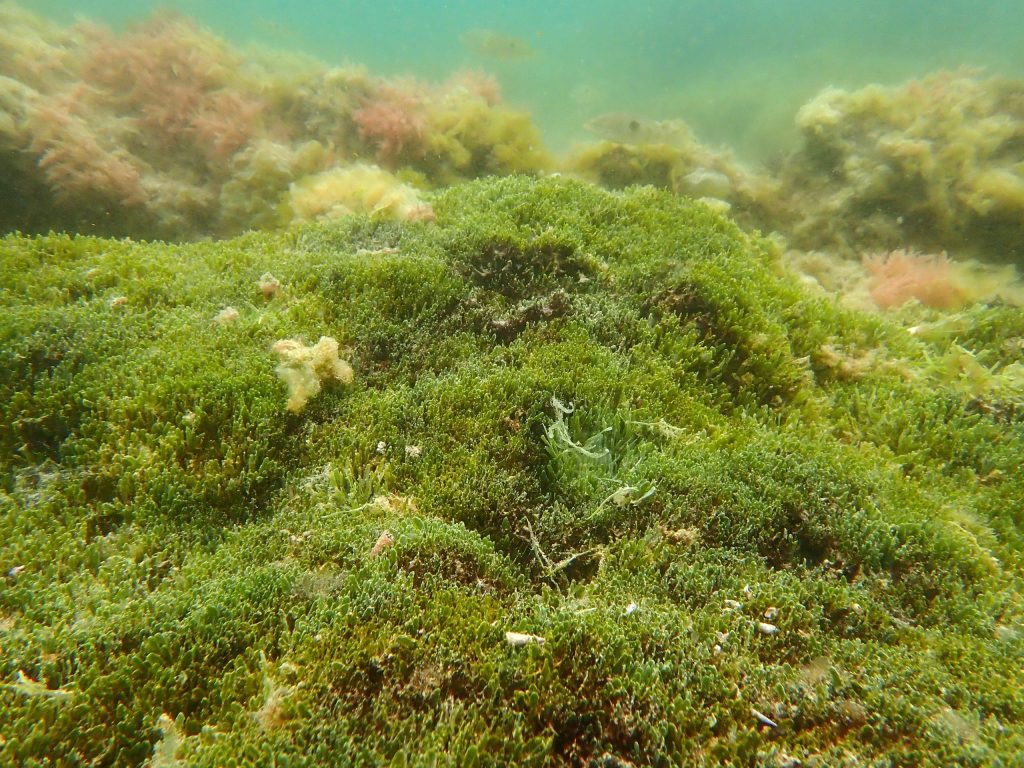
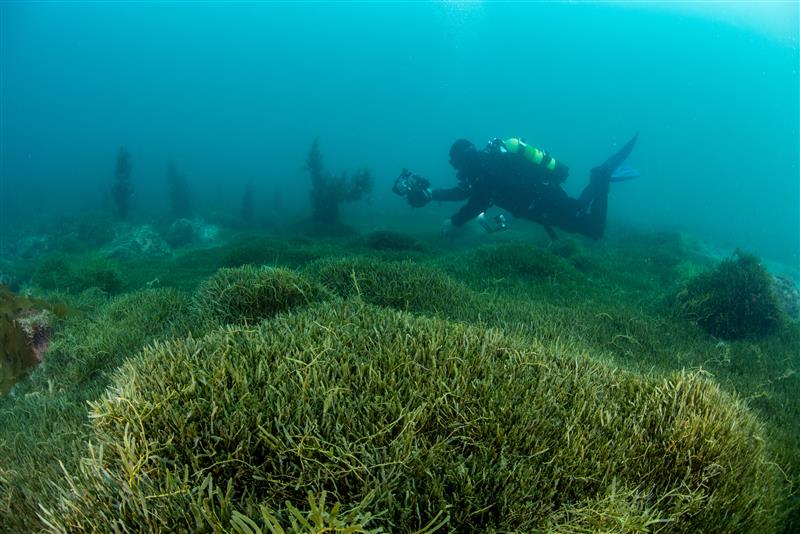
Once established, Caulerpa forms dense carpets across the seabed, smothering native habitats and displacing local marine life. It also impacts iwi and hapū by impacting the health and presence of taonga species.

WRC is teaming up with local iwi, Thames Coromandel District Council, DOC and MPI to get the message out: even a tiny fragment can hitch a ride on anchors, chains, or uncleaned gear, spreading the pest to new locations. And once established in an area, there’s no proven way to eradicate it from a site successfully.
The education push is also moving indoors, with videos playing in cinemas and an online module available in some dive shops to reach divers as they wait for tanks to be filled. The message is simple: we all have a part to play to stop the spread.
How You Can Help stop the spread
- Clean your gear: Before leaving a location, check your vessel’s anchor and anchor chain, and any equipment you’ve used in the water for any tangled seaweed. If you have an automatic retrieval system, still look out for any attached pieces of seaweed.
- Bag it and bin it: If you find any seaweed, remove it, bag or contain it securely so it can’t get back into the water, and take it ashore for disposal in a rubbish bin.
- Spread the word: Share the message with fellow boaties and divers.
- Learn more: Visit WRC or Biosecurity New Zealand’s website to find out more.
-

Deep carpeting of caulerpa. Photo credit: Irene Middleton
Article written for Boating NZ by Waikato Regional Council.