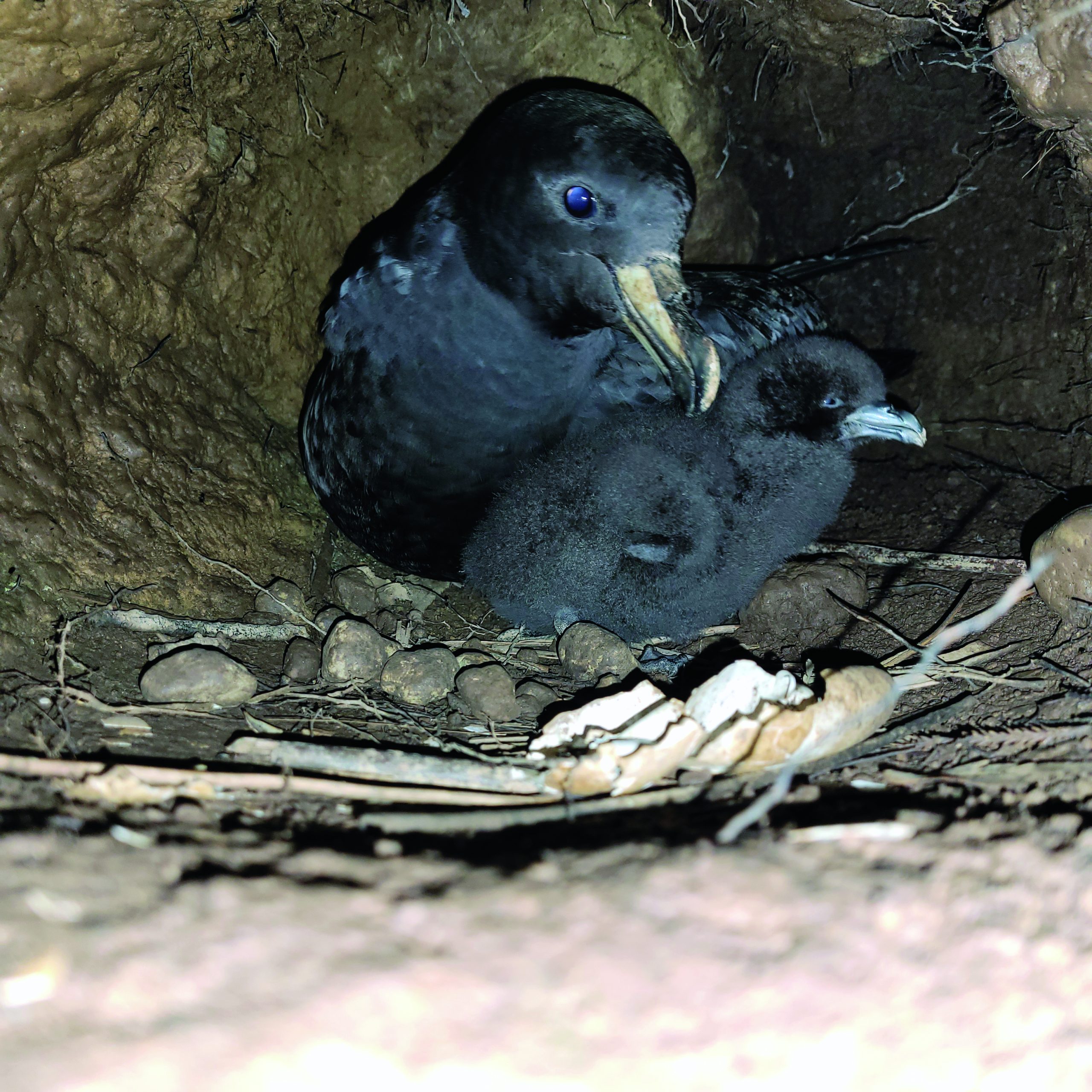
The Westland petrel/tāiko, one of only two seabird species exclusively breeding on New Zealand’s mainland, has survived habitat clearance and predation by introduced mammals, which have decimated other petrel populations.
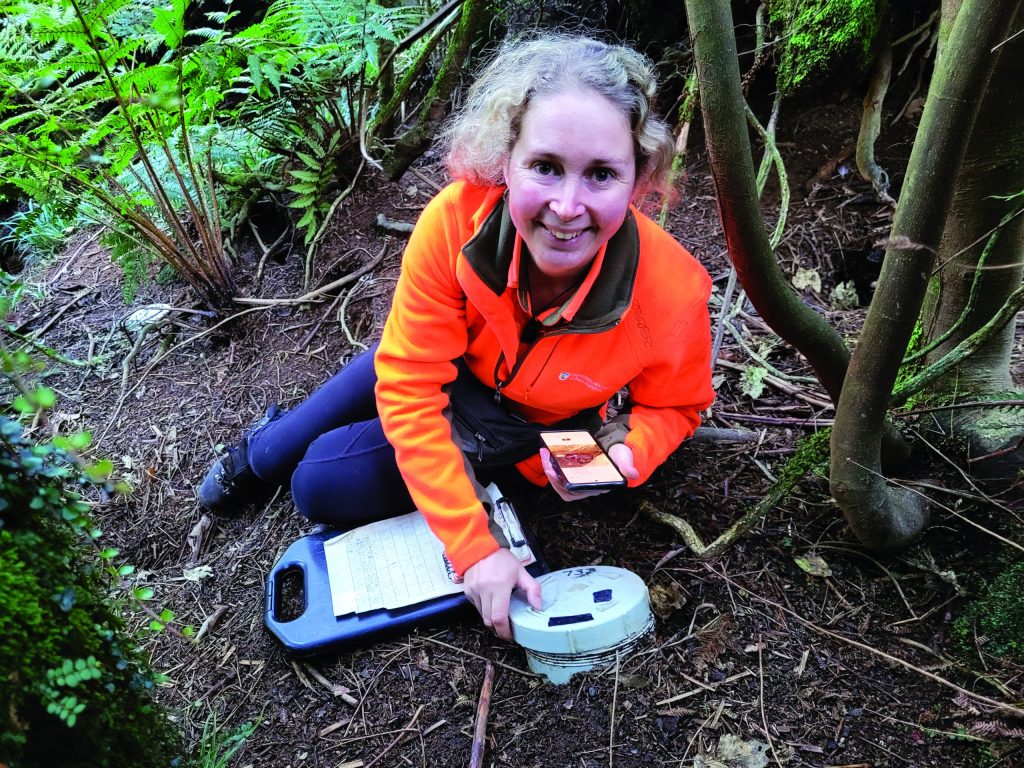
Department of Conservation Ranger Kate Simister, pictured right, leading a long-term study, notes that decades of research show the petrel is resilient but still faces threats. Kate monitors breeding attempts and success rates to track survival and population trends.
“These incredible birds are not highly vulnerable to introduced predators, even as chicks. Their gutsy behaviour has allowed them to continue breeding successfully on the mainland,” says Kate, . However, their sass means handling them requires caution, as they can still draw blood even through leather gloves.

Tāiko pair up to raise one egg per season, with high breeding success rates. Despite this, the colony is just maintaining its numbers due to their slow breeding rate and some pairs not breeding annually. This year, only 35% of birds are breeding, prompting further research.
Parents take turns incubating the egg while the other searches for food. Marine heatwaves may impact food availability, affecting chick health. Delayed returns can lead to egg abandonment and chick mortality.
Fisheries bycatch mortality and light pollution are significant threats. DOC studies their movements and feeding behaviours to understand these interactions better.
To help seabirds like tāiko, people can buy sustainably caught fish and reduce their contribution to global warming. The Conservation Services Programme, partially funded by the fishing industry, supports this work.
 More about the Westland Petrels here:
www.doc.govt.nz/nature/native-animals/birds/birds-a-z/westland-petrel-taiko/
More about the Conservation Services Programme: www.doc.govt.nz/our-work/conservation-services-programme/
Always Be Naturing celebrates New Zealanders’ love of nature and encourages everyone to get involved. DOC is one of many organisations protecting nature, and we need the collective effort of all New Zealanders, so nature thrives for generations to come. Find out how you can help: www.doc.govt.nz/always-be-naturing