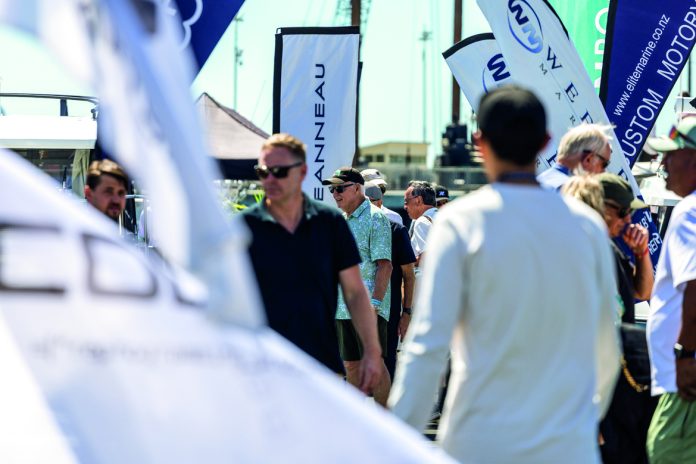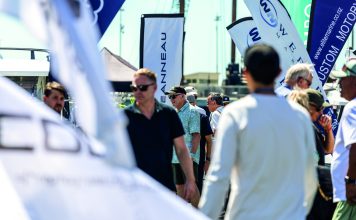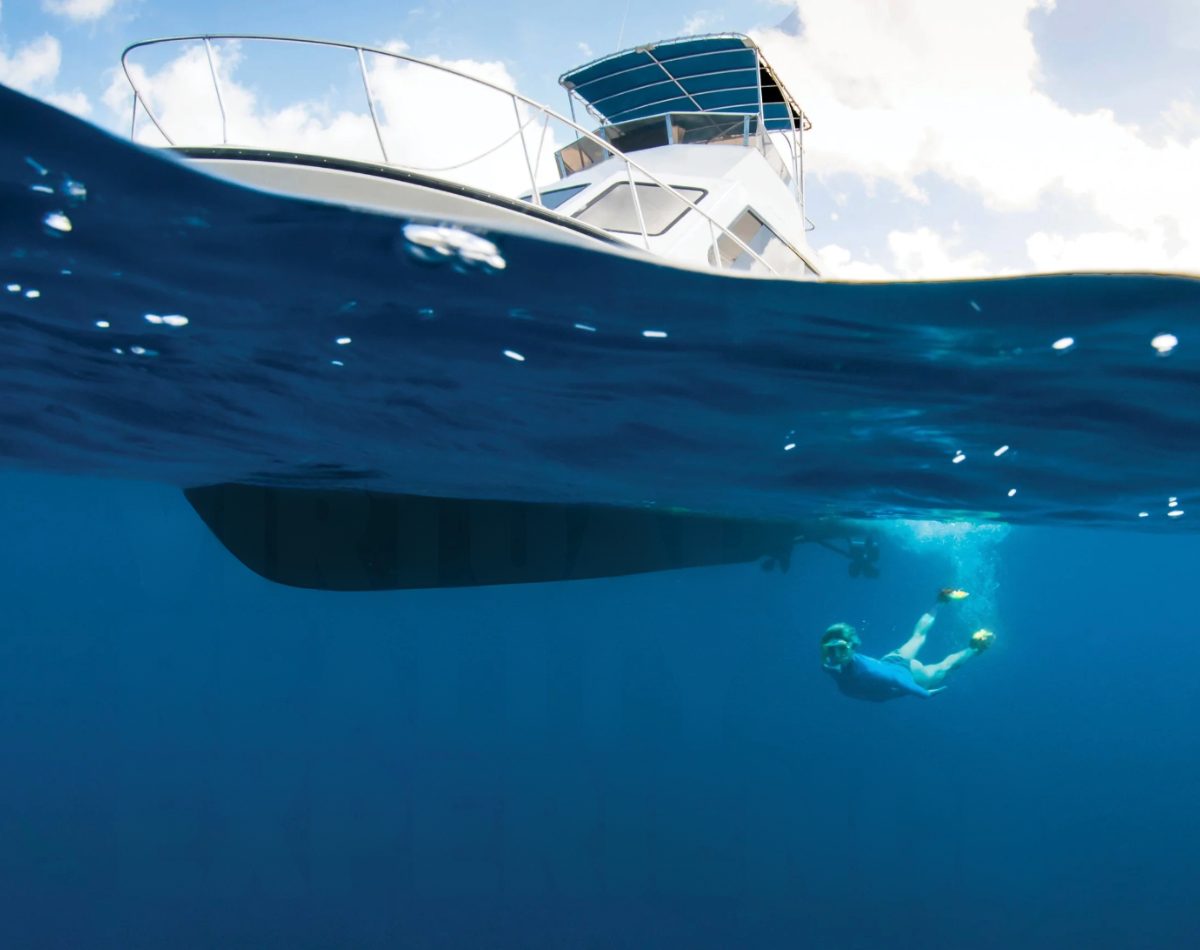
Visitors to the 2026 Auckland Boat Show will be given a powerful reminder of what is at stake beneath the waterline, with a series of new experiences, technologies, and research initiatives aimed at stopping the spread of marine pests.
At the centre of the programme is an immersive Virtual Reality (VR) experience, designed to transport people beneath the surface of some of New Zealand’s most spectacular dive and snorkelling locations.
Delivered by the Blake NZ team and brought to the show by Clean Below? Good to Go; the goal is simple: help people understand the beauty of places such as the Poor Knights Islands and the Aldermen Islands, and the growing threat posed by invasive marine species.

Through the experience, visitors will encounter thriving underwater ecosystems alongside examples of destructive marine pests including exotic caulerpa and Mediterranean fanworm, which can rapidly spread and outcompete native species.
Blake NZ and Clean Below? Good to Go hope the experience will inspire boat owners to take practical steps to reduce the spread of pests, including maintaining clean hulls, applying antifouling coatings correctly, and thoroughly cleaning boats and gear between trips.
Marine pests can establish quickly once introduced to a new environment, damaging marine habitats and impacting recreational boating and fishing. The Clean Below? Good to Go team will be on hand to help visitors understand how biofouling spreads and what actions boat owners can take to protect New Zealand’s coastlines.
New antifouling technology shows promise
Alongside education efforts, new technology is also emerging to help reduce biofouling.
One innovation attracting attention is Hempel’s fouling release coating systems, including Hempaguard X7 and Silic One. Unlike traditional antifouling paints that rely on biocides, these silicone based coatings create an ultra smooth hull surface that makes it difficult for marine organisms to attach.


Any growth that does settle can often be removed through normal boat movement or light cleaning. The result can be reduced biofouling build up, improved fuel efficiency, and lower environmental impact by avoiding heavy metal leaching.
Early results in Northland waters suggest the technology may also help address persistent barnacle problems.
Duncan Crawford of Paint Smart Group Ltd and Wairau Paint Centre reported encouraging results from the vessel Valinor, which was coated with Hempaguard X7 in December 2024.
“The Hempaguard X7 was applied in December 2024 and as mentioned she has been in Opua, bar a couple of trips to Gulf Harbour since. She had a long lay-up period for several months at Opua due to mechanical issues. The feedback is that it is very clean and only had barnacles and oysters in the skin fittings where there is very little friction, and on a couple of patches where the boat had been propped whilst out of the water.”
AI and underwater robotics improve pest detection
While coatings help prevent growth, new research suggests artificial intelligence could soon transform how marine pests are detected.

A study by University of Auckland researchers, supported by Kōtare, has been exploring how autonomous underwater vehicles (AUVs) combined with computer vision and large language models could assess biofouling automatically.
Traditional computer vision systems performed well at identifying very clean or very heavily fouled hulls but struggled with the early stages of fouling, where pests often begin to establish.
AI language models showed promising results when guided by official Level of Fouling (LoF) assessment rules. These models were able not only to estimate fouling levels but also generate written explanations describing what they observed and why it mattered.
Researchers believe the most promising approach may involve hybrid systems combining image analysis with AI reasoning, allowing vessels to be inspected quickly and consistently while explaining risks in plain language.
AUV systems under development will be capable of collecting high quality underwater imagery without requiring divers, potentially enabling large scale monitoring of biofouling risks across marinas and coastal regions.
Updated guidance for vessel fouling assessments
Supporting these technological advances is updated guidance on the Level of Fouling (LoF) scale, reviewed by the Cawthron Institute.
First developed in 2002, the six category LoF scale allows surveillance teams and marina operators to quickly assess how much biofouling is present on a vessel by estimating the percentage of hull surface covered.
This approach avoids complex species identification while still providing a reliable indication of biosecurity risk.
The system is particularly important for recreational vessels, which frequently move between ports, marinas, and anchorages and can unintentionally transport marine pests along the coastline.
New Zealand has become a global leader in marine pest management, with more than 47,000 vessel surveys already completed using the LoF framework. The updated guidance aims to further improve consistency and help authorities track biofouling trends across regions.
Together, the VR experience, emerging antifouling technologies, and new monitoring tools highlight the growing effort to protect New Zealand’s marine environment.
Visitors to the 2026 Auckland Boat Show will have the chance to explore these developments first hand and learn how small actions from individual boat owners can make a significant difference in stopping marine pests before they spread.