The 2025–2026 Association Français pour Le Bateau Électrique (AFBE, French Association for Electric Boats) Awards were presented on 20 March 2026 at Nice Boating Tomorrow, the first trade show dedicated entirely to eco-navigation and electric boating.
Electric boating has moved beyond theory and into real use. Now the focus is shifting again. This time, toward what actually works on the water.
The AFBE Awards looked beyond propulsion, focusing on proven, commercially available technologies such as low-speed manoeuvring, station-keeping, and onboard usability. These systems aim to reduce environmental impact, lower operating costs, and improve real-world integration onboard. The industry itself is recognising a maturing sector, supported by falling battery costs.

Judged by a professional jury of journalists, designers, and builders, and backed by public voting, the awards recognised systems already operating onboard, already installed, and already solving real problems for boaters.
BlueNav leads with anchorless control
Taking first place, BlueNav’s virtual anchor system stood out for its practical application. The system has already gained recognition across the marine sector for its low-impact approach to position-keeping.
In 2025, BlueNav received the Decarbonised Mobility Award at the Salon des Maires et des Collectivités Locales for its BlueBoat river shuttle demonstrator, which features the virtual anchor as a core system. It also picked up New Propulsion Technology of the Year at the Electric & Hybrid Marine Awards in Amsterdam for its retractable 8kW outboard motor that powers the system.
Using electric propulsion to hold position without dropping anchor, the system reduces seabed impact and simplifies station-keeping in tight or sensitive areas. It runs as part of a hybrid setup. The combustion engine handles transit, while the electric system takes over for manoeuvring and station-keeping. There is a trade-off. Hybrid systems add complexity, with multiple power sources and control inputs to manage.
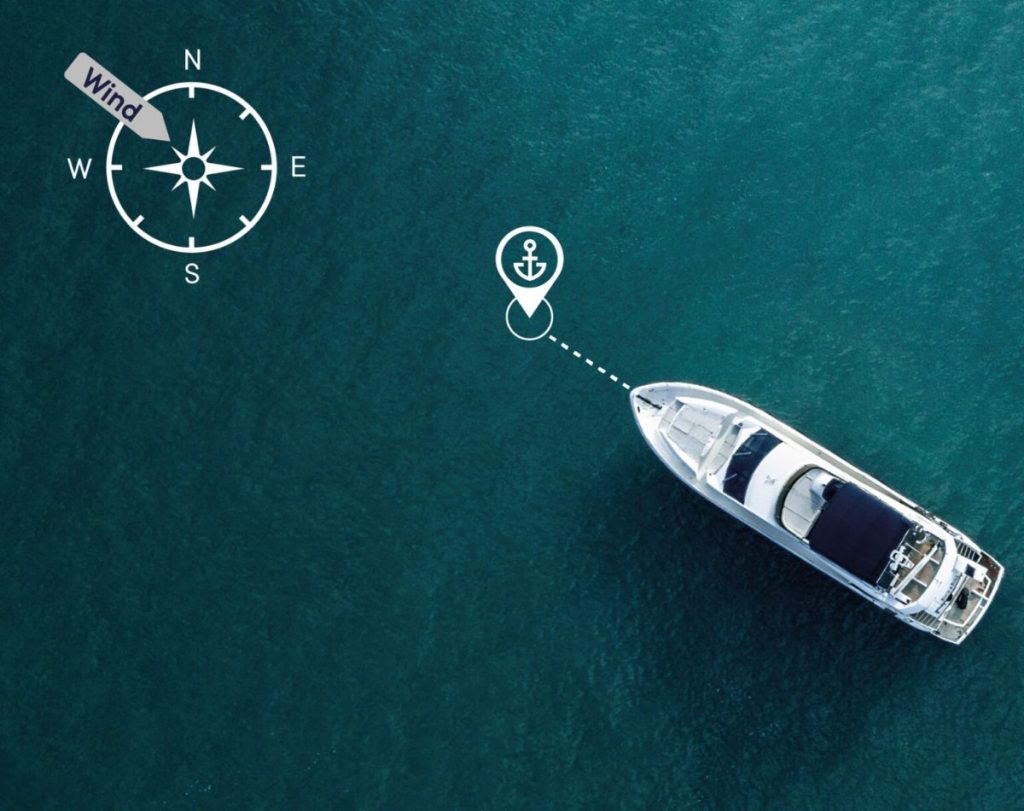
Following the AFBE award, BlueNav has introduced integrated packages combining propulsion, batteries, joystick control, and steering software. Designed for boats from 7 to 22 metres, they aim to simplify installation for both new builds and refits.

Even so, integration still depends on onboard electrical capacity, space, and weight distribution. The technology is proven, but getting it onboard remains a key step.
Solar and hybrid systems gain ground
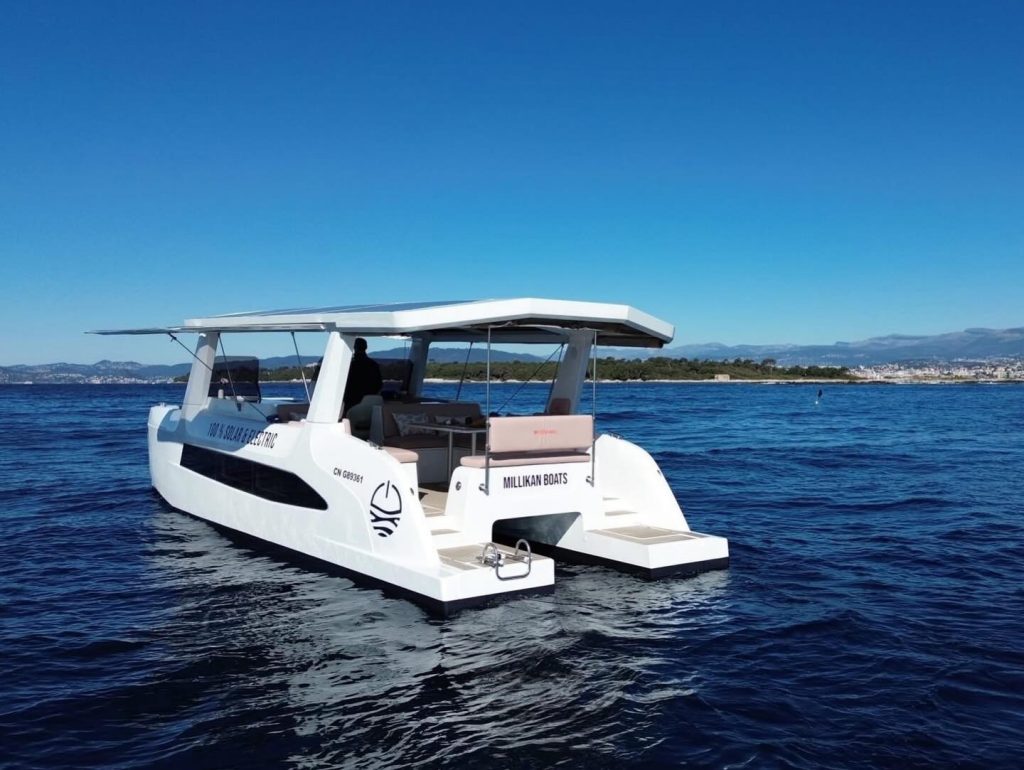
Two boats filled out the podium. The French-built Millikan M.10 (2026) electro-solar catamaran took second place. With more than a dozen units already produced, it shows real-world maturity, combining electric propulsion with onboard solar generation.
SeaZen’s SRE 23 followed in third. A solar-powered boat designed for quiet, low-speed cruising, its autonomous setup reflects the growing role of renewable energy in everyday recreational boating.
Propulsion and performance still evolving
Weenav’s Kronos 300 electric outboard earned the jury’s special award, highlighting ongoing gains in power and versatility.
Meanwhile, E-Nav Systems took the public vote for its electric integration on a JPK 39 racing yacht, currently operating offshore, highlighting that these systems are not limited to inshore use.
Where this leaves electric boating
As AFBE president Michel Nave noted, the technology is maturing. Costs are coming down, and the gap between upfront investment and long-term savings is closing.
What stands out is the shift in thinking. Electric boating is no longer chasing range alone. It is solving everyday problems, docking, manoeuvring, holding position, and reducing impact.