A recent US demonstration has confirmed the real-world potential of vehicle to home and vehicle to grid technology, a development that could directly influence the future of electric boating.
At its core, the concept is simple. Electric vehicles can store significant amounts of energy in their batteries, and with bi directional charging, that stored energy can be fed back into a home or wider power grid when needed. This turns vehicles into mobile energy reserves rather than just consumers of electricity.
The trial, led by Puget Sound Energy and ChargeScape, took place in February 2026 and focused on proving that energy could be safely transferred from electric vehicles into domestic systems. Vehicles such as the Ford F 150 Lightning and Kia EV9 were used, with other major manufacturers including BMW and Honda already supporting the initiative.
The results showed that this system can reduce household energy costs and provide backup power during outages. It also highlighted the importance of developing a universal platform that allows different vehicle brands to integrate seamlessly into the same energy network.

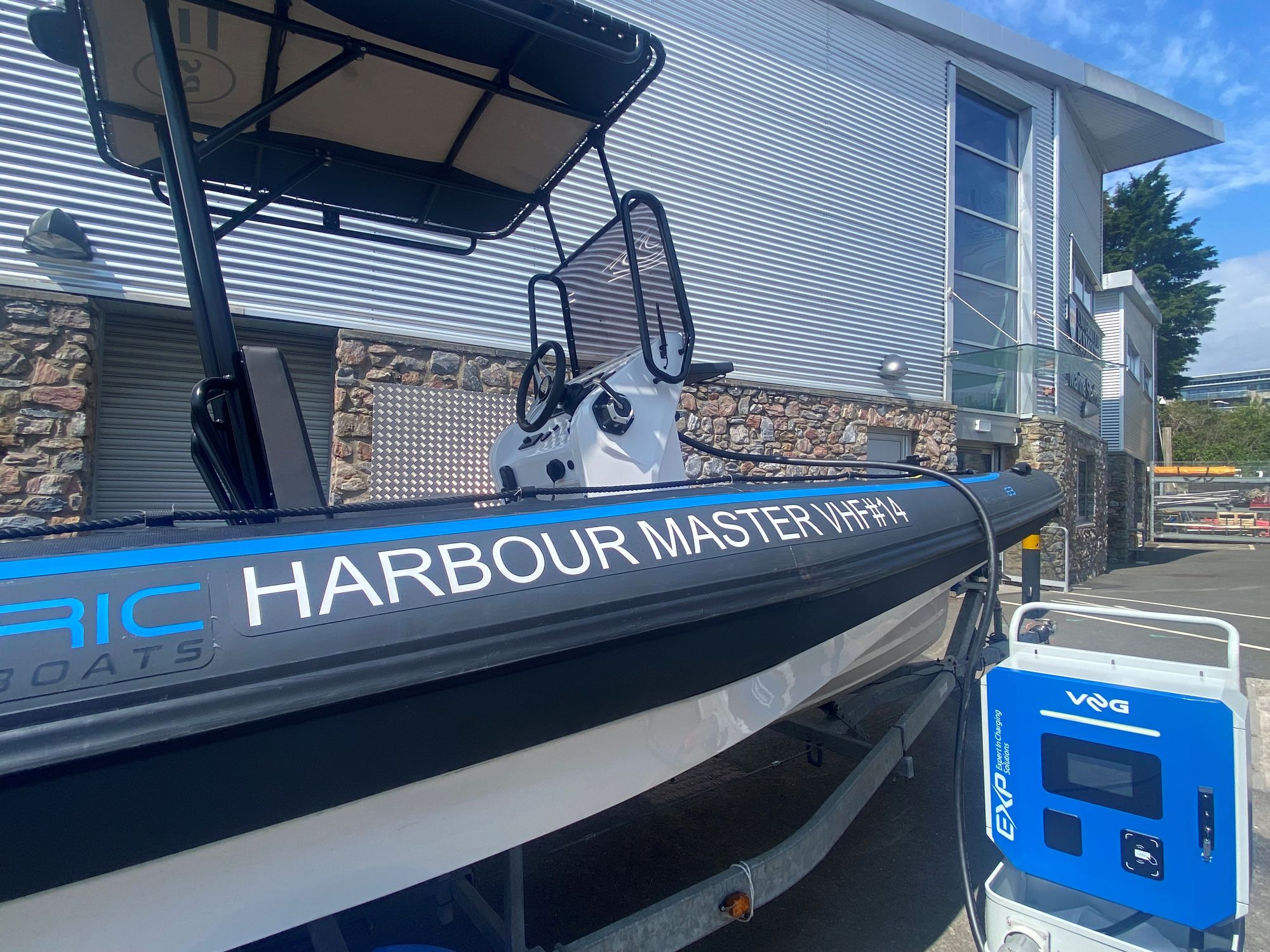
For the marine sector, the implications are significant. Electric boats already generate and store energy through onboard solar and wind systems while sitting idle in marinas. Currently, excess power is often wasted. With vessel to grid capability, that surplus could instead be exported back into marina infrastructure or the wider grid, creating both economic and environmental value.
Because electric boats share many components with electric cars, including battery systems and charging standards, the transition to vessel to grid systems is expected to be relatively straightforward. Companies such as Aqua Superpower are already exploring this through concepts like virtual bunkering, which allows boats to act as floating energy assets.
The broader takeaway is clear. As bi directional charging becomes more widely adopted in the automotive sector, the pathway for marine electrification to follow is opening quickly. Boats may soon shift from passive energy users to active contributors within a smarter, more flexible energy network.
For a more article: www.ibi.com