Groupe Beneteau and Fountaine Pajot Group, global leaders in sailing, create E-LEKTRA MARINE. An unprecedented strategic alliance to accelerate the electrification of sailing and advance low-emission solutions
More than 99 percent of sailboats in the water today run a diesel engine. That statistic might surprise anyone who assumes that sailing is already a clean sport, but the reality is that even the most committed bluewater sailor relies on an internal combustion engine for harbour manoeuvres, windless passages, and keeping the lights on below. Two of the world’s largest sailing groups want to change that, and New Zealand sailors are closer to the action than you might think.
Groupe Beneteau and Fountaine Pajot Group announced on 22 April the creation of E-LEKTRA MARINE, a 50/50 joint venture dedicated to electric propulsion and intelligent onboard energy management. The alliance brings together seven major sailing brands under a single platform: Beneteau, Jeanneau, Lagoon, Excess, Fountaine Pajot Sailing Catamarans, Fountaine Pajot Yachts, and Dufour. Between them, those brands represent around 60 percent of the global sailing market.
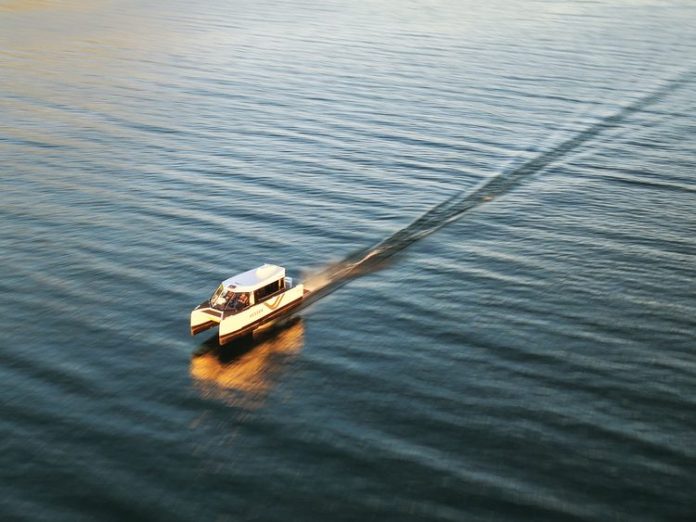
Fountaine Pajot’s ODSea+ hybrid electric catamarans herald new era of sustainable cruising

The goal is straightforward, if ambitious: electrify 10 to 15 percent of the global sailing market by 2030, representing several hundred boats per year.
Not just propulsion
What makes E-LEKTRA MARINE interesting is the scope of what it is trying to solve. The joint venture frames sailing as a unique challenge in the energy transition, one that combines the propulsion demands of the automotive industry with the energy autonomy challenges of off-grid living. Unlike an electric car, which can be plugged in at any time, a sailboat must be capable of producing, storing, and distributing its own energy at sea. Solar power, batteries, generator, propulsion, and onboard comfort all need to be orchestrated in real time, often far from any shore power connection.
E-LEKTRA MARINE’s mandate covers all of that. The platform will develop standardised electric propulsion and energy management systems adapted to sailboats from 9 to 24 metres, spanning full electric and both low and high voltage hybrid configurations. A refit solution for existing owners is also part of the plan, alongside real-time consumption monitoring and a global network of approved service partners.

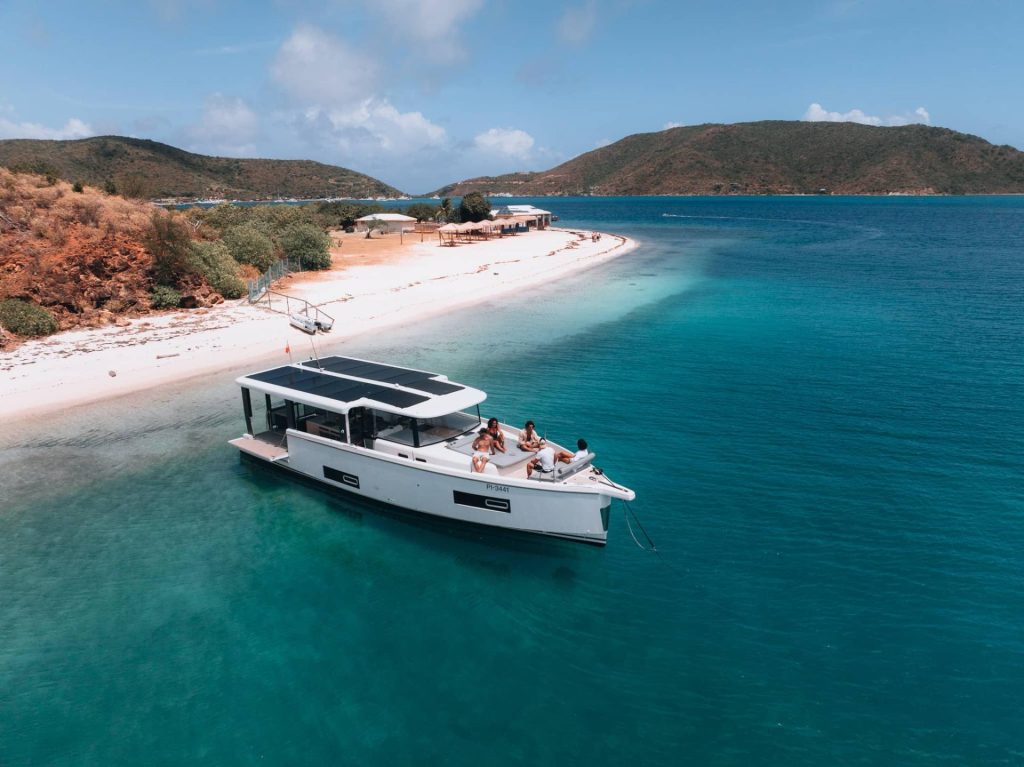
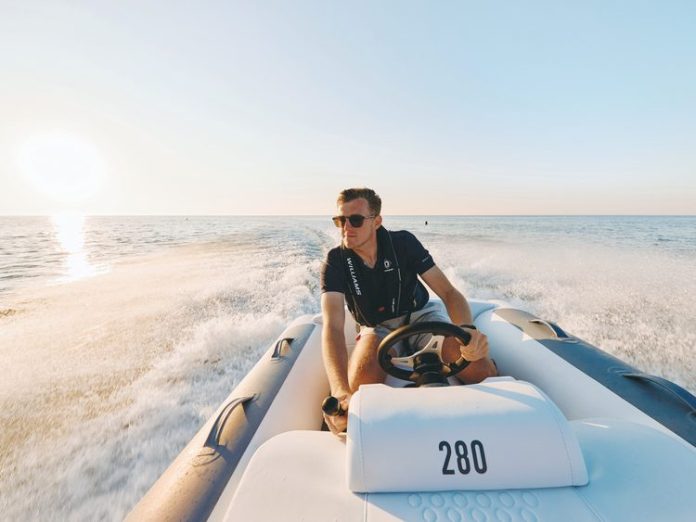
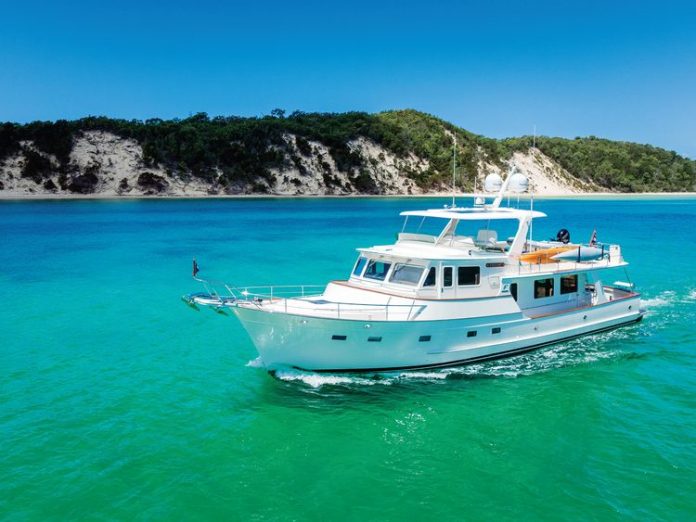
Neither group is starting from scratch. Groupe Beneteau has been offering low-voltage electric solutions on sailboats up to 12 metres for several years, and has expanded into hybrid solutions on models including the Excess 11 and the Jeanneau Sealoft 480. Fountaine Pajot has been deploying high-voltage hybrid solutions on its larger catamarans, with the Aura 51 and Samana 59 serving as its first proven electric references. The joint venture draws those threads together into a shared platform, open to the wider boating industry.
Three specialist partners will support the technical work: Alternatives Energies of La Rochelle, specialising in electric systems integration; Cirtem of Toulouse, an expert in energy conversion and management; and EVE System of Lyon, a specialist in battery pack design.
The New Zealand connection
Four of the seven E-LEKTRA MARINE brands have established dealer representation in New Zealand. Auckland’s 36 Degrees represents three of them: Beneteau, Lagoon, and Excess, including the Excess 11 hybrid that features in the joint venture announcement. Orakei Marine, also in Auckland, is the local partner for Jeanneau, whose Sealoft 480 is another model already available with hybrid propulsion.
That means that for a significant portion of the New Zealand sailing market, E-LEKTRA MARINE is not a distant European development. It is a direction that local dealers are already heading toward.
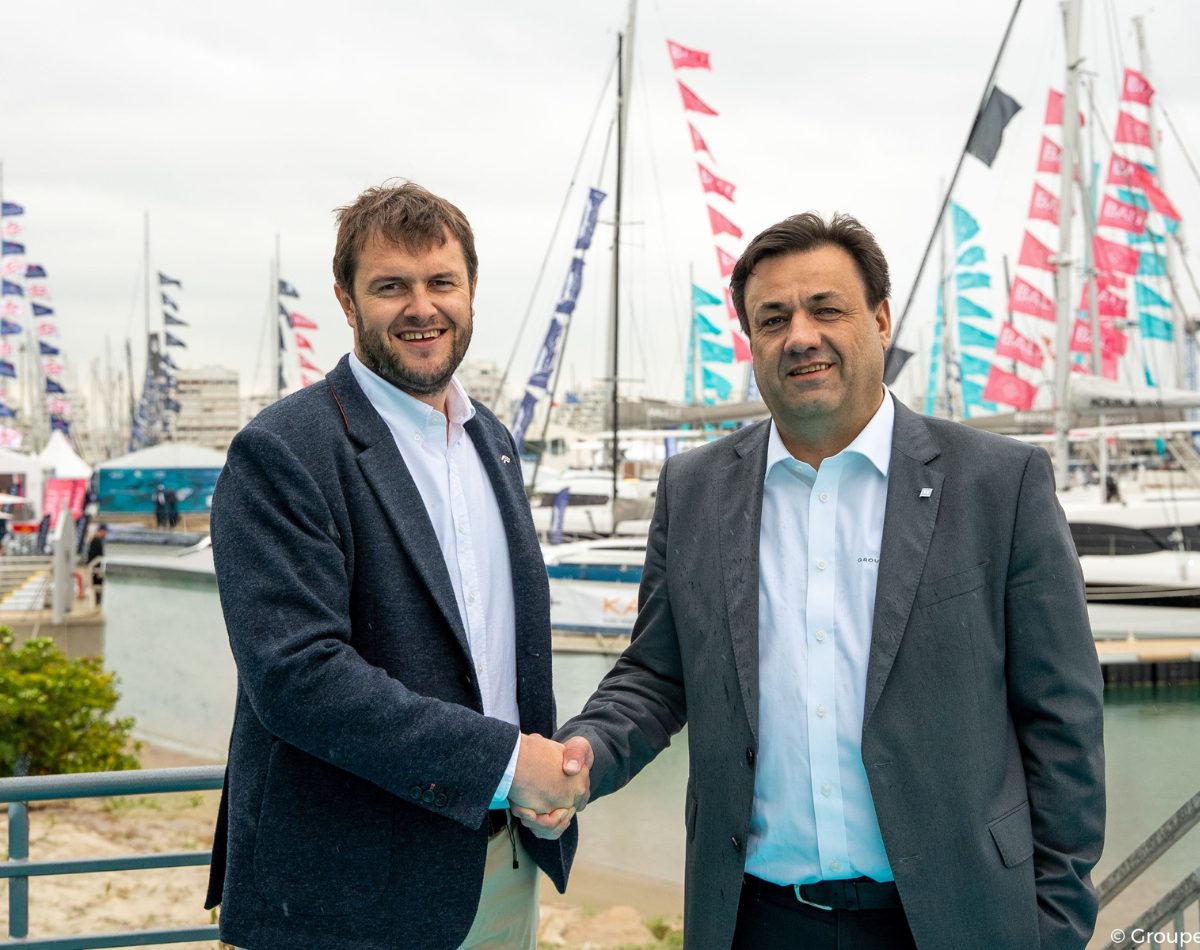
Bruno Thivoyon, Chairman of the Management Board at Groupe Beneteau, described the venture as an effort to establish open standards and make low-emission solutions simpler, more accessible, and scalable. Mathieu Fountaine, Deputy CEO of Fountaine Pajot, said electrification is becoming essential and must now be made accessible across the entire sailing market.
The ambition behind E-LEKTRA MARINE is to reach the industrial scale needed to make electric and hybrid solutions genuinely competitive with diesel. Pooling the production volumes of seven brands is the mechanism for getting there. Whether the 2030 targets prove achievable, the direction of travel is clear, and it is one that will increasingly shape the boats arriving on New Zealand shores.