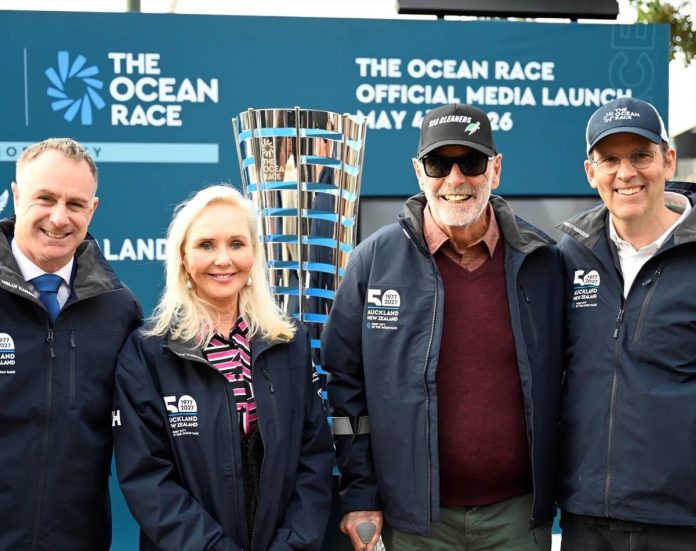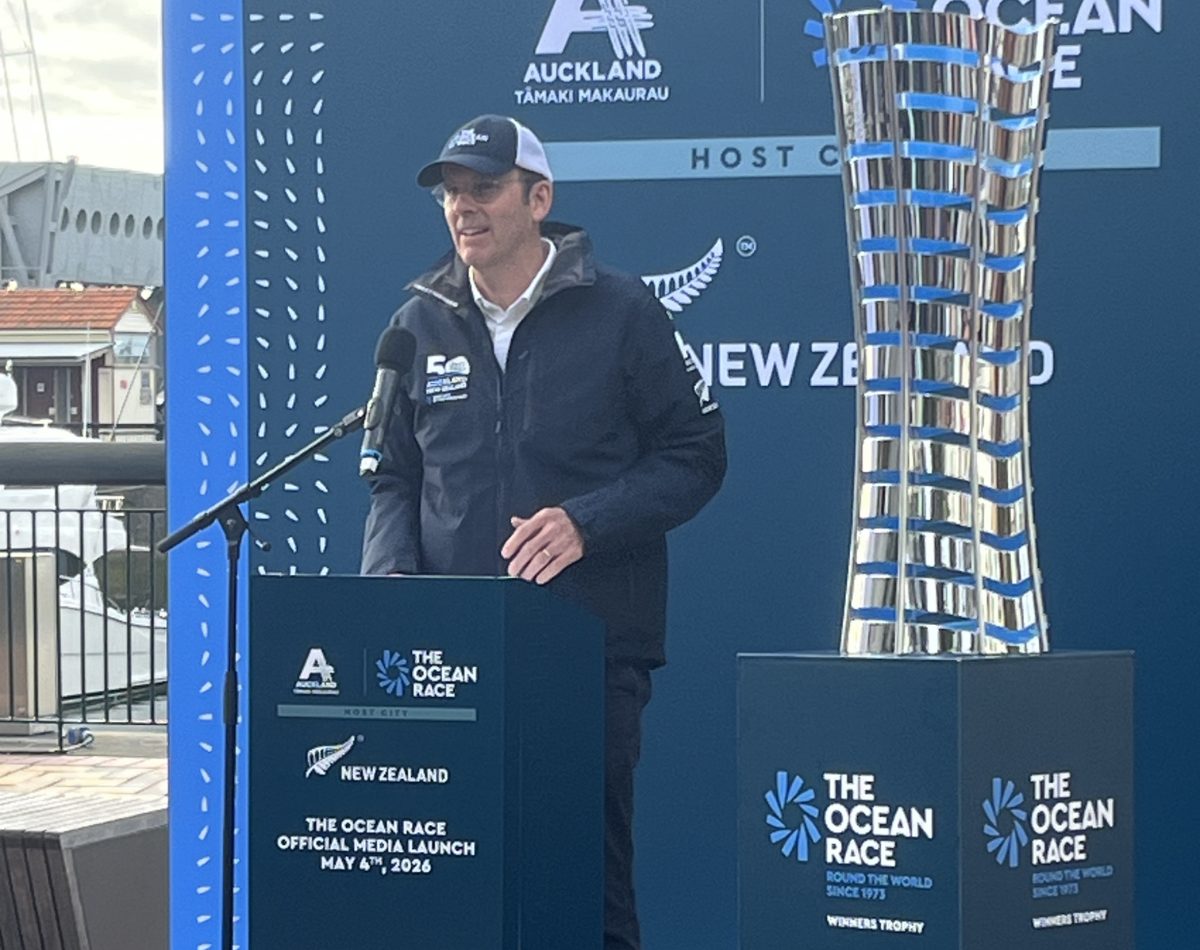
Richard Brisius doesn’t dress it up. The co-owner and race chairman of the Ocean Race was briefly in Auckland to celebrate the confirmation of the 2027 stopover, and Boating New Zealand grabbed a few minutes with him on the day. He said exactly what he thinks about the state of Kiwi offshore racing.
“Kiwis were the kings of the ocean,” he said. “Kings of round the world racing. Not anymore. And I think it’s time to start to build back into that.”
He was 21 the first time he raced into Auckland, battered by the Southern Ocean, cold and spent, when the temperature began to lift somewhere north of the Hauraki Gulf. “Suddenly, out of the ocean, you see the city of New Zealand. Coming into the rocky gulf, and fortunately, the oasis of Auckland is there. It’s so personal, and you feel very, very welcome. And the fans are genuinely knowledgeable.” He has been back many times since, first as a sailor, then as team manager, now as owner.
In 2018, when The Ocean Race bought the event, then known as the Volvo Ocean Race, Brisius and his partners set about changing three things. They anchored the event to ocean science, with every competing boat now carrying instruments that collect oceanographic data continuously, sampling from two metres below the surface in stretches of water that research vessels rarely reach. They built a calendar around the flagship around-the-world edition, adding the Ocean Race Europe and the Ocean Race Atlantic to give teams more racing and more time to develop. And they overhauled the media technology, shifting to a new generation of low-orbit satellites that made real-time content from aboard the boats possible for the first time.
“We have developed the in-house technology system to capture what’s going on in the boats in real-time,” Brisius said. “There are cameras, there are microphones.”
The opening leg from Alicante to Auckland, 14,000 nautical miles, is the longest single stage in the race’s history. “We said, let’s make this harder than we started. If you make it through that, you make it through.” The route runs out of the Mediterranean, past Gibraltar, across the North Atlantic, down the South Atlantic, through the Southern Ocean and up to New Zealand. For anyone going into the Southern Ocean for the first time, he’s matter-of-fact. “If you have never been in the Southern Ocean and you go down there the first time, you don’t really know what to expect.” Solo racing, he said, produces more conservative boat handling. “Typically, the ones who’ve done the Ocean Race are probably better in the Vendée Globe, because they’ve learned where the limits of the boats are.”
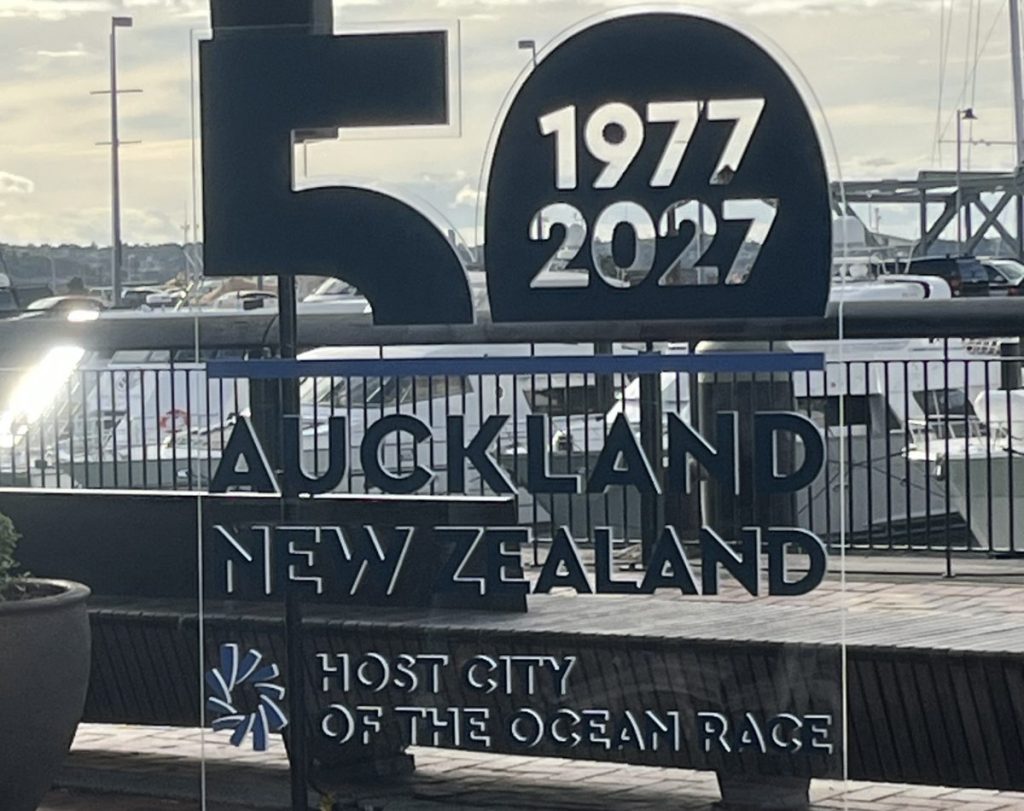
When the fleet arrives in Auckland about the 20 February, the Ocean Live Park opens the same day on the Viaduct waterfront, free to enter and running for three weeks through to the Grand Departure on 14 March. Auckland organisers put the 2018 attendance at half a million people. “You can come and go and watch the boats, learn about the ocean, try the cockpit simulators, get close to the boats on the docks, meet the sailors, have a beer. It’s just good times.”
The best Kiwi offshore sailors are out there, he said, doing the job on the world’s best boats as hired crew. But leading their own campaigns is a different matter. “There’s no nationality with the culture, the values, the Kiwi mentality that is a better match for racing on the high seas. And now the question is: do we want to be that ocean nation?”
Conrad Colman gets a mention by name. He is building his Aotearoa Ocean Racing campaign and will lead a Kiwi crew in the Ocean Race Atlantic later this year. “Conrad is passionate, he’s driving very hard, he has this dream and he wants to make it happen.”
Aotearoa Ocean Racing links offshore sailing with marine restoration in New Zealand

The boats will come in cold and battered, the way Brisius did all those years ago, and the Waitemata will be full. Brisius thinks what happens next says something about who New Zealand is. “You have to not forget who you are,” he said, “because you lose your heritage.”