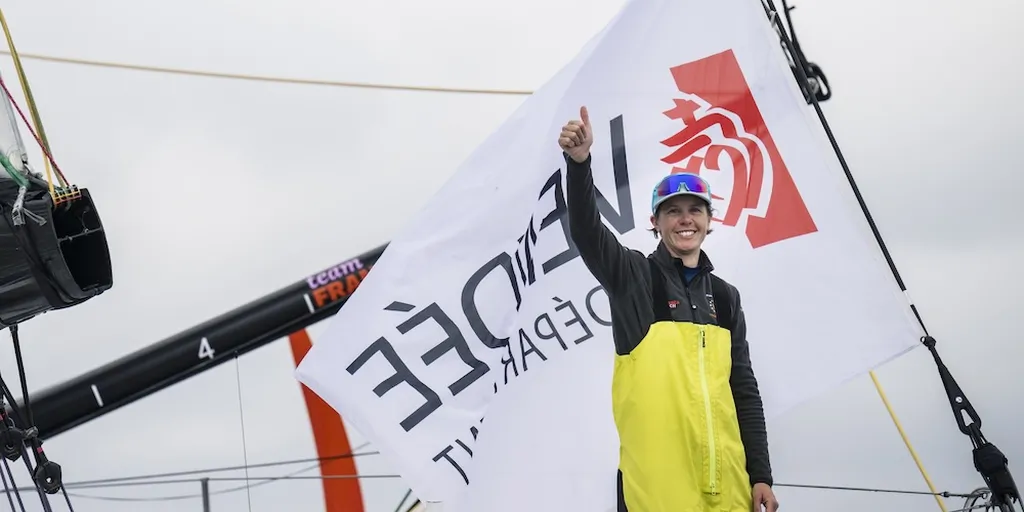
Francesca Clapcich limped across the finish line off Les Sables d’Olonne after eight days and twenty hours at sea, fifth on the line honours in a debut Arctic campaign that proved something worth far more than a placed finish: she belongs in this game.
The Italian-American skipper crossed at 19:03 NZST on 16 June, having spent the best part of nine days alone aboard her IMOCA, pushing north beyond the Arctic Circle and back down again through waters that had tested her in ways no previous solo campaign had. At 15.4 knots average speed across 3272 nautical miles, she’d kept pace with the front runners for most of the race. Only in the final miles did the gap widen slightly, yet she’d remained aggressive to the last, refusing to sail by numbers when there was still racing to do.
What mattered more than the result, though, was how she’d raced. Clapcich spent those nine days rebuilding her strategic options constantly, staying mentally nimble in conditions that rewarded stubbornness with slower boats. When weather scenarios shifted, she shifted with them. When the front group adjusted tactics, she reanalysed instead of blindly following. And when a fishing net found its way into her path, she extracted herself and kept going, smiling about it later.
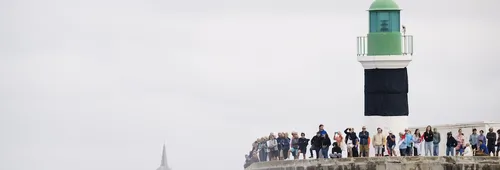
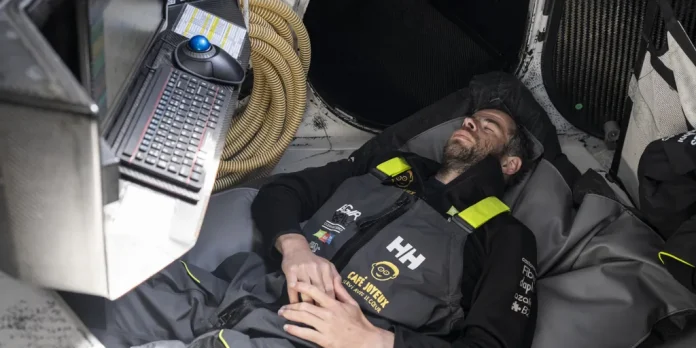
“I love racing, I love sailing and I love being here,” she’d said hours before finishing, exhausted but unbroken. That wasn’t vapid motivation talk. After nine days with almost no proper sleep, managing the cold and fog and the peculiar loneliness of the far north, that sentiment had been earned.

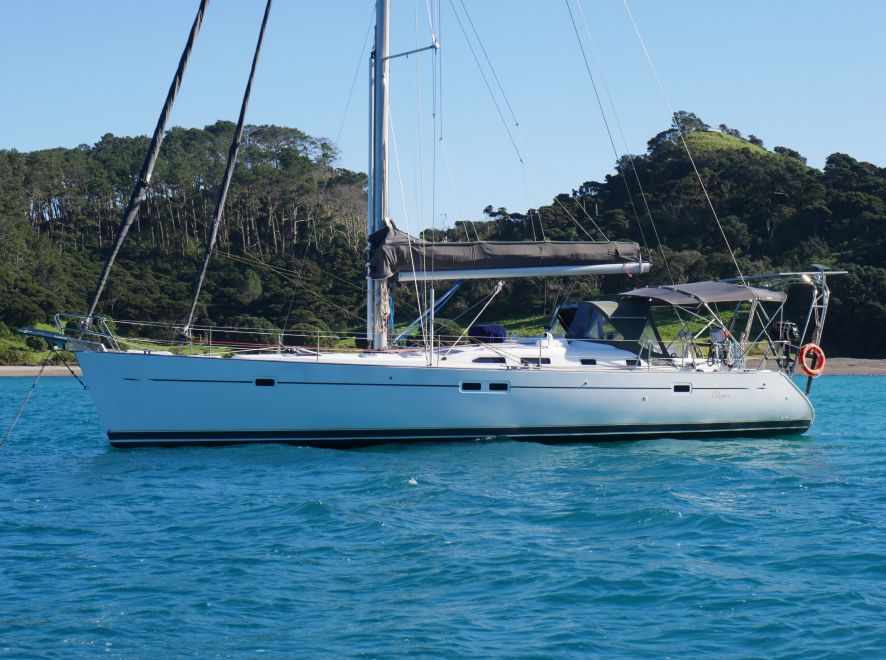
Crossing the Arctic Circle felt ritual. Clapcich became one of eight IMOCA sailors in this first generation to take their boats beyond 66 degrees north solo, in a race, and come home to tell the tale. She savoured it without pretence, the way someone who understood she was writing history in real time.
The race later imposed a 30-minute penalty for a broken seal, shifting her final time to eight days, twenty hours, thirty-one minutes. It barely mattered. Clapcich wasn’t returning home with just a result. She was returning with nine days’ worth of experience aboard a 60-foot foiling monohull in heavy weather, with the knowledge that she could sail this boat and this class and this distance without breaking, and with considerably more confidence than she’d left with.
For someone tracking toward larger ambitions, the Vendée Arctique had given her exactly what she’d come for: proof of concept, hard-won in real conditions against genuine opposition.