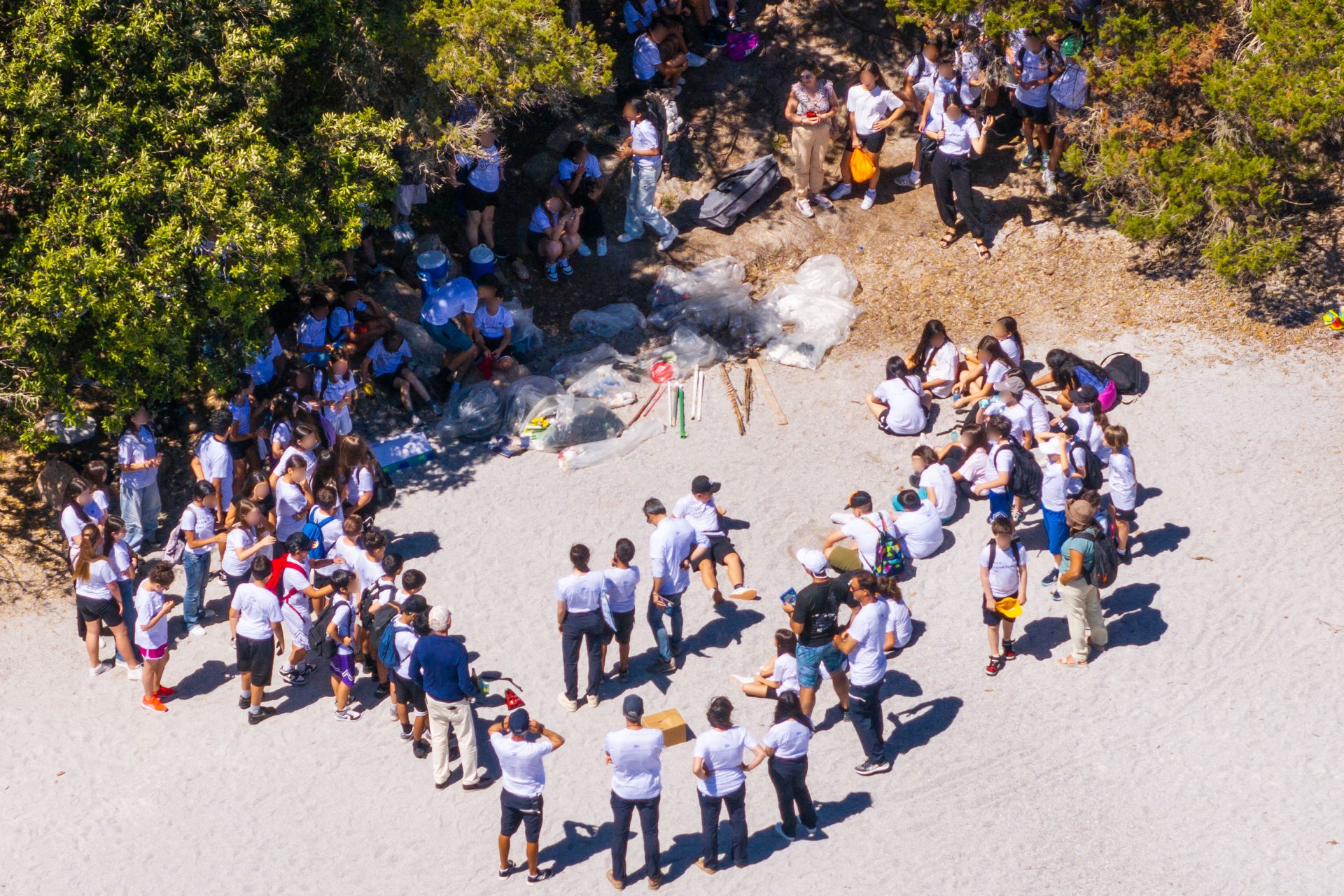
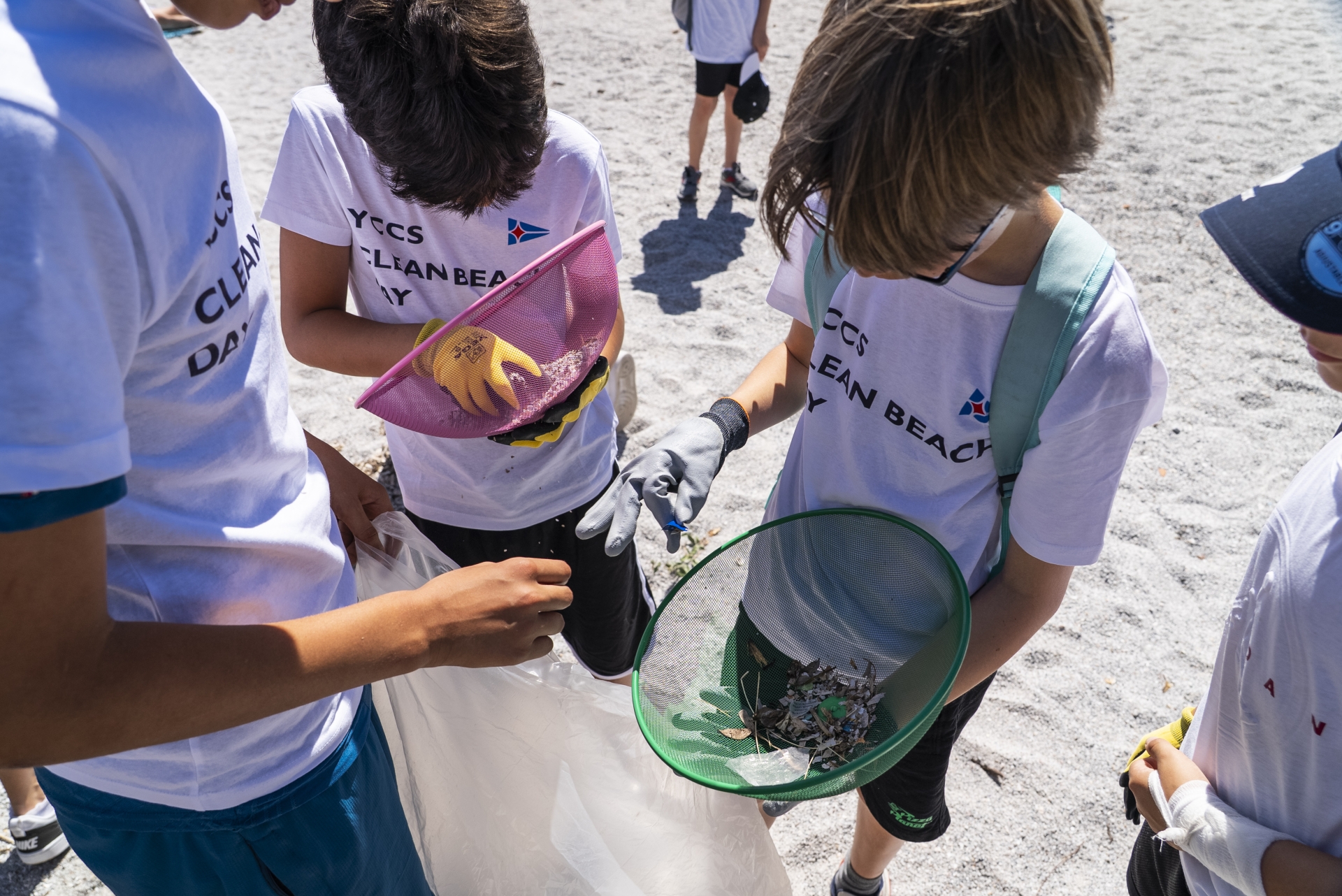
A hundred secondary school students descended on Capriccioli Beach in Porto Cervo last week with a simple mission: collect rubbish from one of Sardinia’s most beautiful stretches of coastline. By the end of the morning, they’d hauled 150 kilograms of waste from the sand and shallows, everything from plastic bottles to microplastics invisible to the naked eye.
The annual Clean Beach Day organised by Yacht Club Costa Smeralda has been running for nine years now, but this ninth edition felt different. The students weren’t just picking up litter and moving on. Researchers from the National Research Centre in Oristano stayed to talk about marine pollution and biodiversity. Local officials watched as the young people created posters about protecting the ocean. A message crystallised from their collective effort: “Let’s save the sea.”
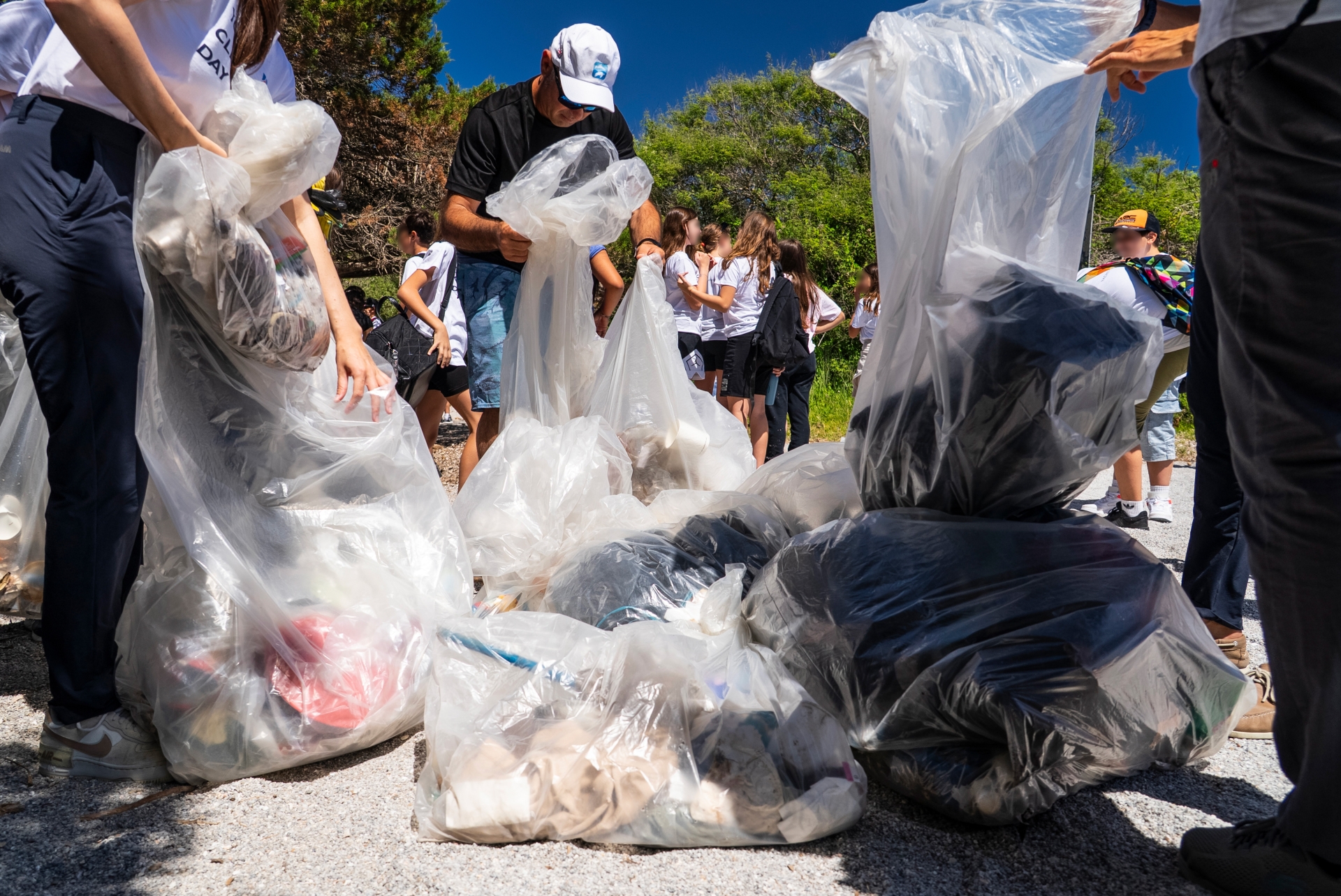
For a sailing club in a Mediterranean harbour town, ocean conservation isn’t abstract. The water connects everything. YCCS Secretary General Giorgio Benussi sees it as foundational work. “Protecting the oceans requires everyone to contribute,” he said, “and educating the younger generation is one of the most effective ways to build a sustainable future.” The club partnered with the Municipality of Arzachena and the One Ocean Foundation to make the day matter beyond the immediate cleanup.
What struck observers was how seriously the secondary school students took the work. They picked through sand and rock methodically, finding items most people would overlook. For many of them, it was probably the first time they’d confronted the scale of marine pollution firsthand. The researchers used a comic strip called “Carrie, a brave turtle in a changing world” to talk about changing ocean conditions, translating complex environmental science into language that resonated.
YCCS positioned the day as part of a longer strategy around sustainability and marine stewardship. The club recognises that people who understand the ocean, who’ve seen what goes wrong and tried to fix it, become its advocates. They’re more likely to vote for better protections. They’re more likely to teach their own children differently. They’re more likely to choose a way of life that doesn’t treat the sea as an endless resource.
It’s the kind of work that rarely makes headlines but shapes communities. A hundred young people in Sardinia now carry the experience of saving their local beach. They know what microplastics look like. They understand that ocean health isn’t someone else’s problem. That’s not a small thing in a world where many young people feel disconnected from the natural systems they depend on.