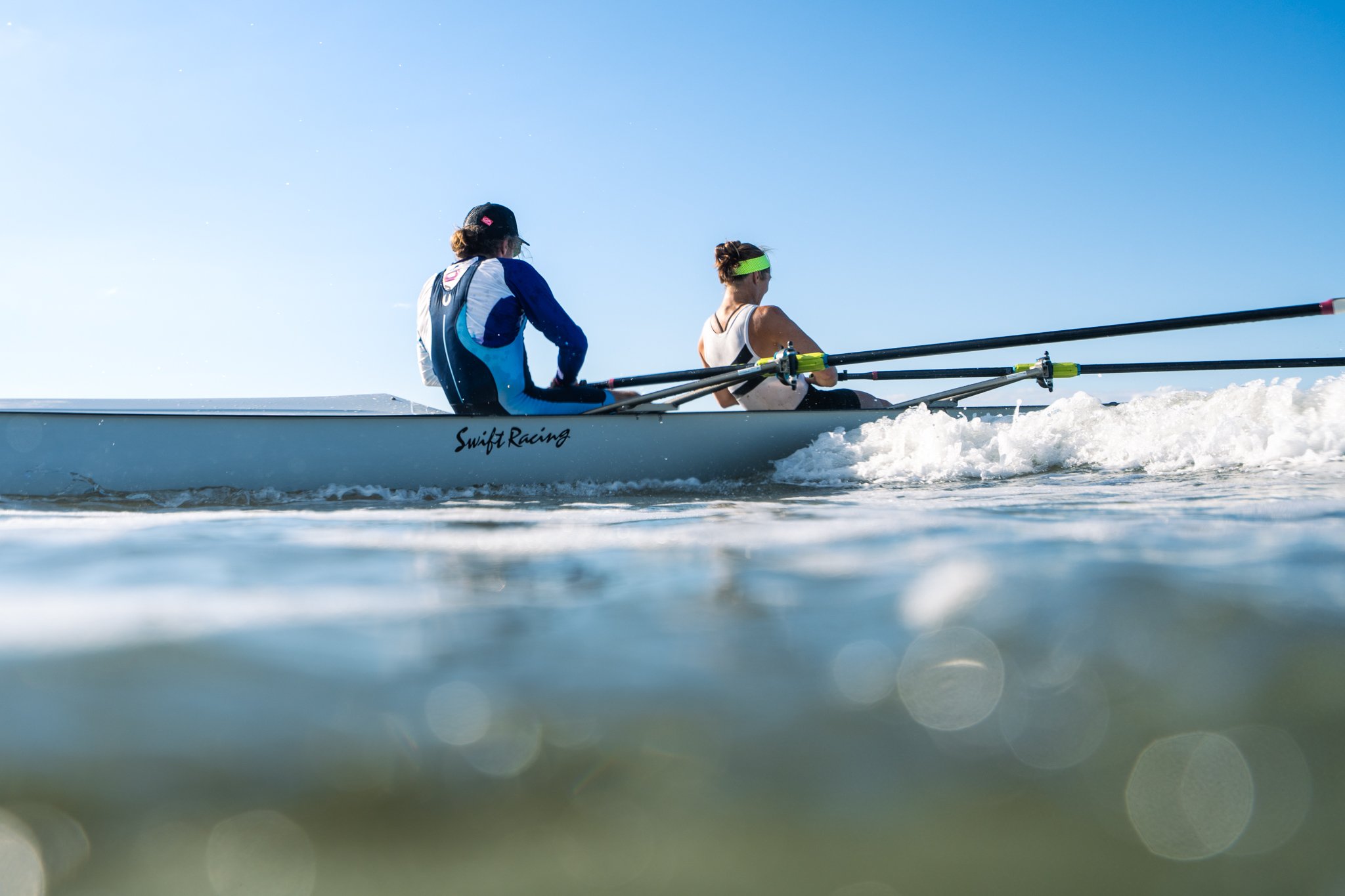
New Zealand’s beach sprint squad will split its firepower across two continents this northern summer, beginning with a training camp at the Los Angeles Olympic venue before competing in Boston’s international regatta and culminating in October’s World Championships in Qingdao.
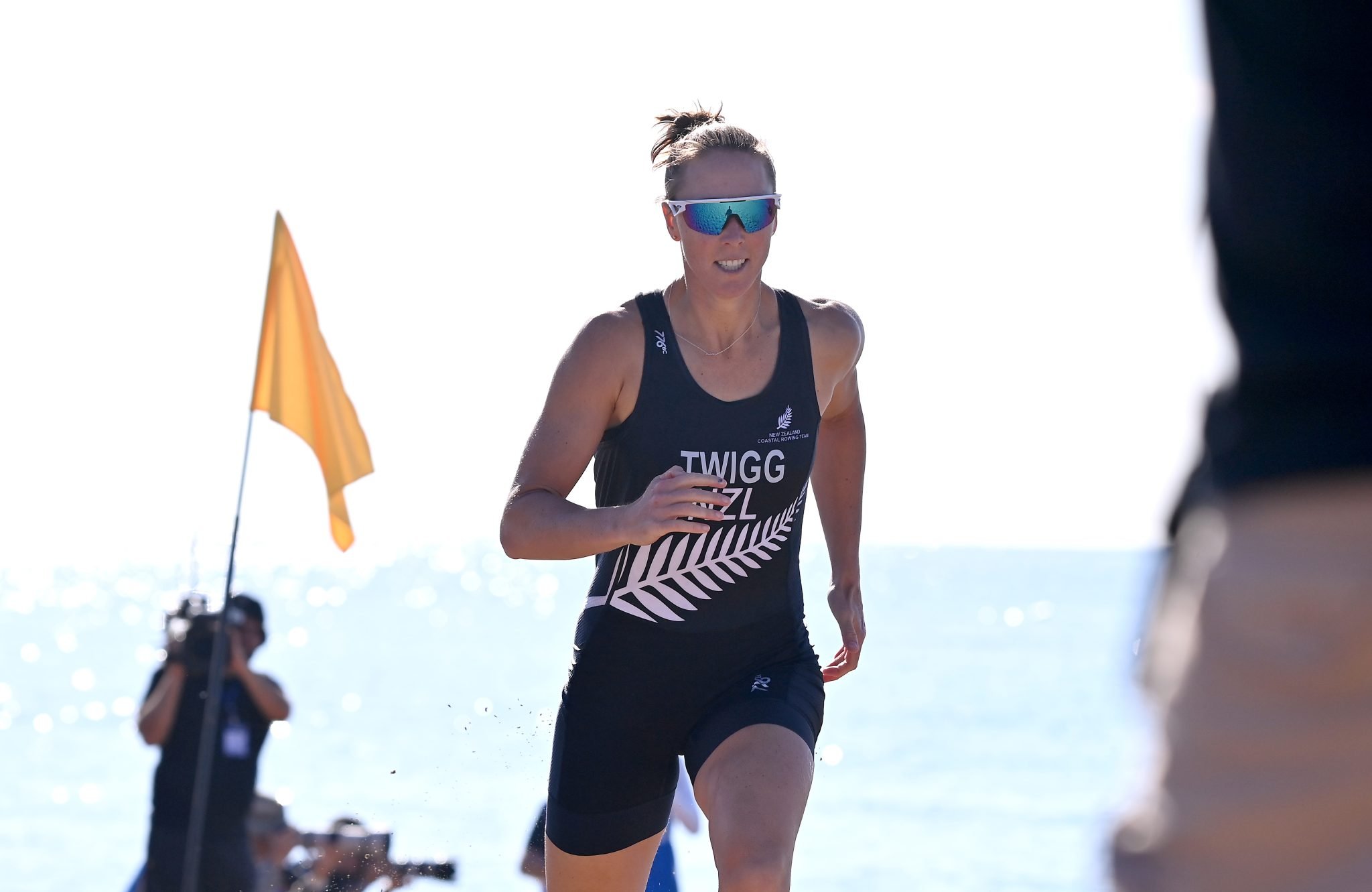
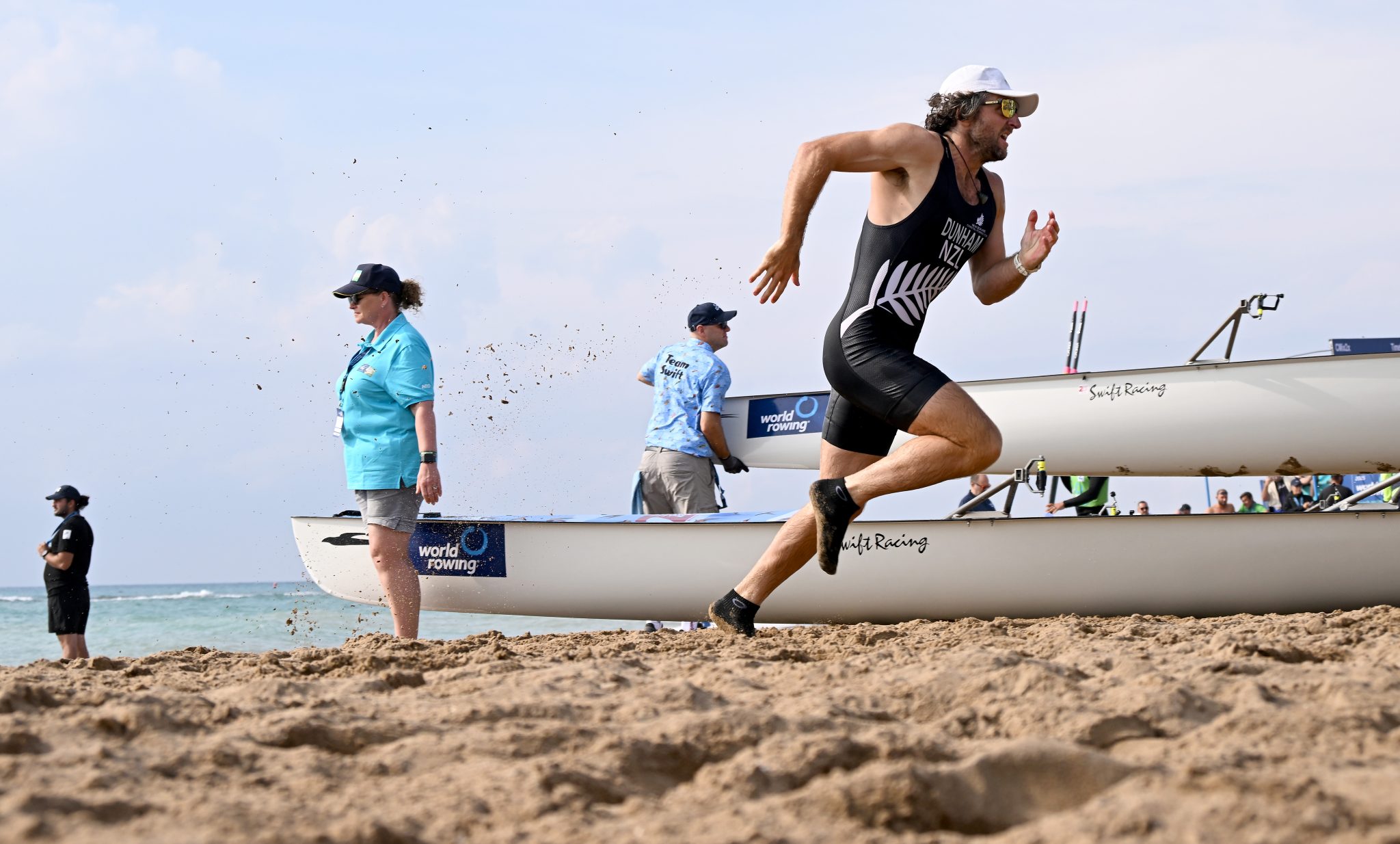
The roster, announced by Rowing New Zealand, includes Matthew Dunham in the men’s solo, Emma Twigg in the women’s solo, and Erin James and Sebastian Fulton in the mixed double. Coach Brook Robertson and tour manager Maxine Hughes complete the team.
The campaign carries particular weight: beach sprint racing will debut at the 2028 LA Olympics, and New Zealand’s selection represents a deliberate investment in building medal-winning momentum before the Games. Training at the actual Olympic water in LA gives the crew a tangible advantage few nations will replicate.
Twigg’s credentials are formidable. The two-time Olympic medallist in single sculls—gold at Tokyo 2020, silver in Paris 2024—successfully made the transition to coastal racing and won the 2025 World Beach Sprint title. She claimed both the open women’s single and mixed double at this year’s national championships. An injury will sideline her for the US leg of the tour, with Holly Chaafe stepping in, but Twigg aims to return for the world finals in China where she’ll defend her crown.

Dunham brings proven form at the highest level. His 2023 World Beach Sprint victory in the mixed double underscores his pedigree, and he repeated as national champion in the men’s open single this season, also placing second in the mixed double alongside James.
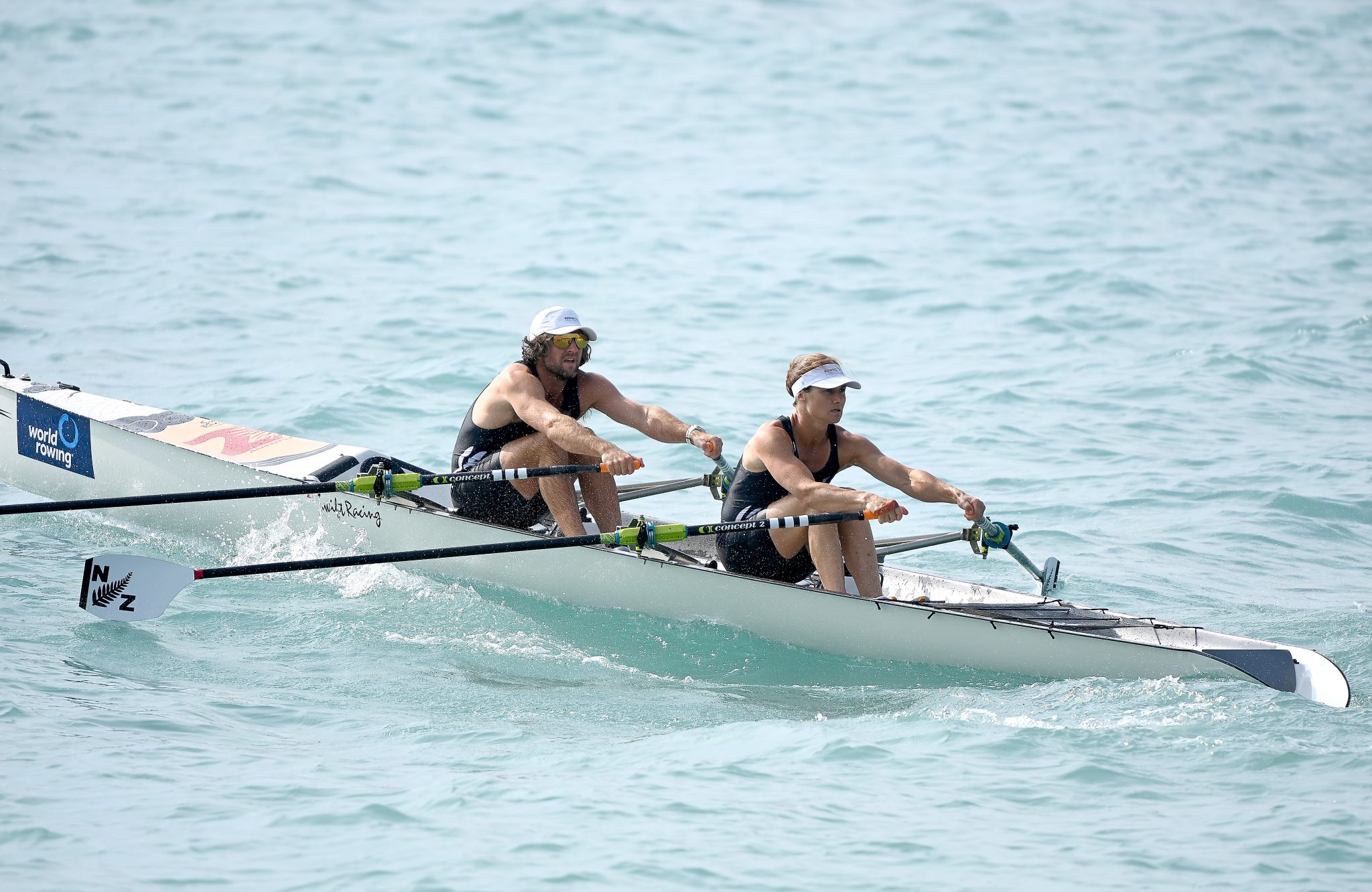
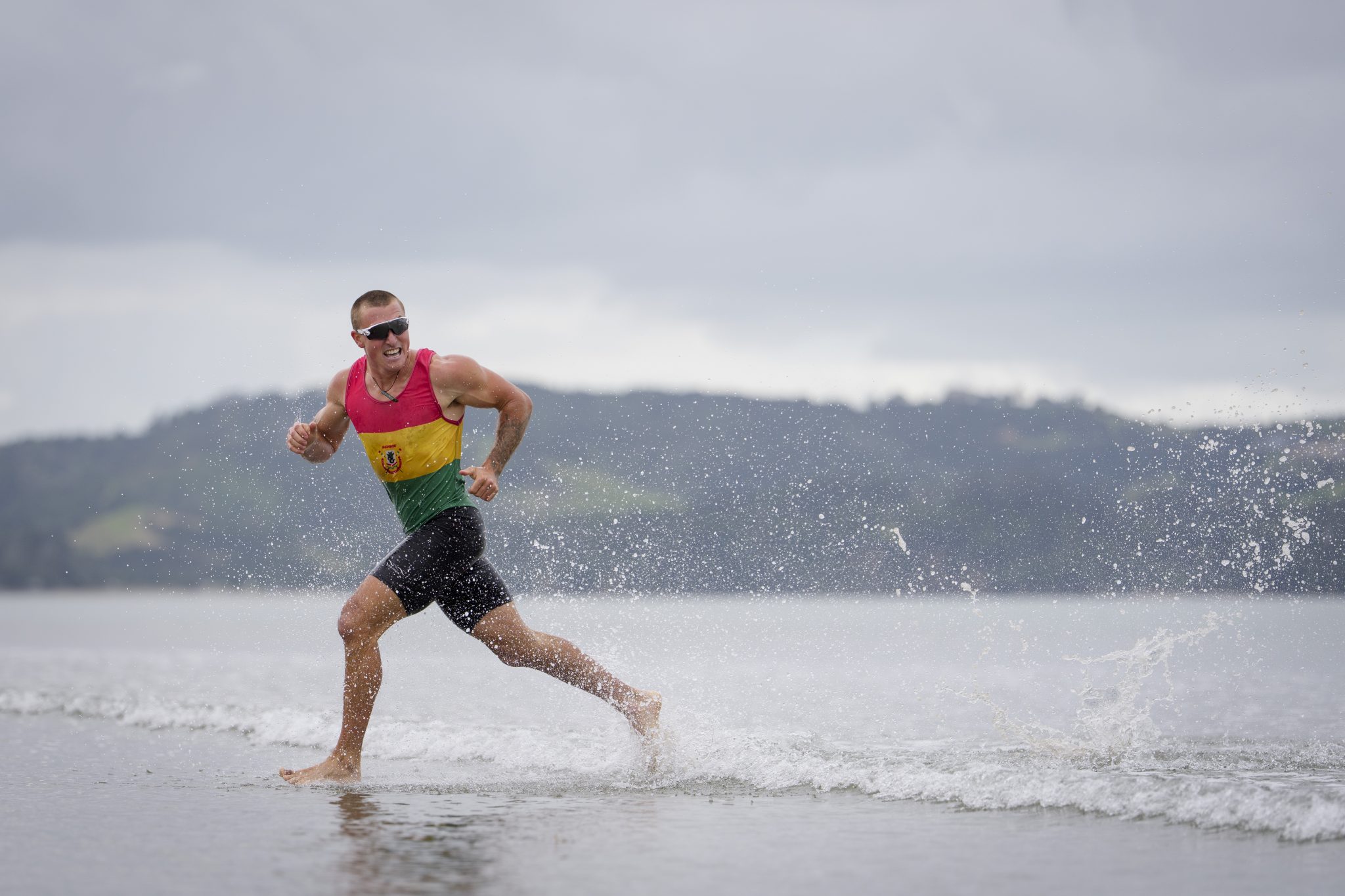
The mixed double pairing warrants attention. James, returning to international competition after a 17-year gap raising her three children, finished just 0.4 seconds behind Twigg and Mike Brake at nationals—an extraordinarily tight margin that signals the quality of the field. Fulton, meanwhile, claimed silver in the men’s senior single at the NZ Rowing Championships and narrowly missed the national beach sprint title, finishing three seconds behind Dunham.
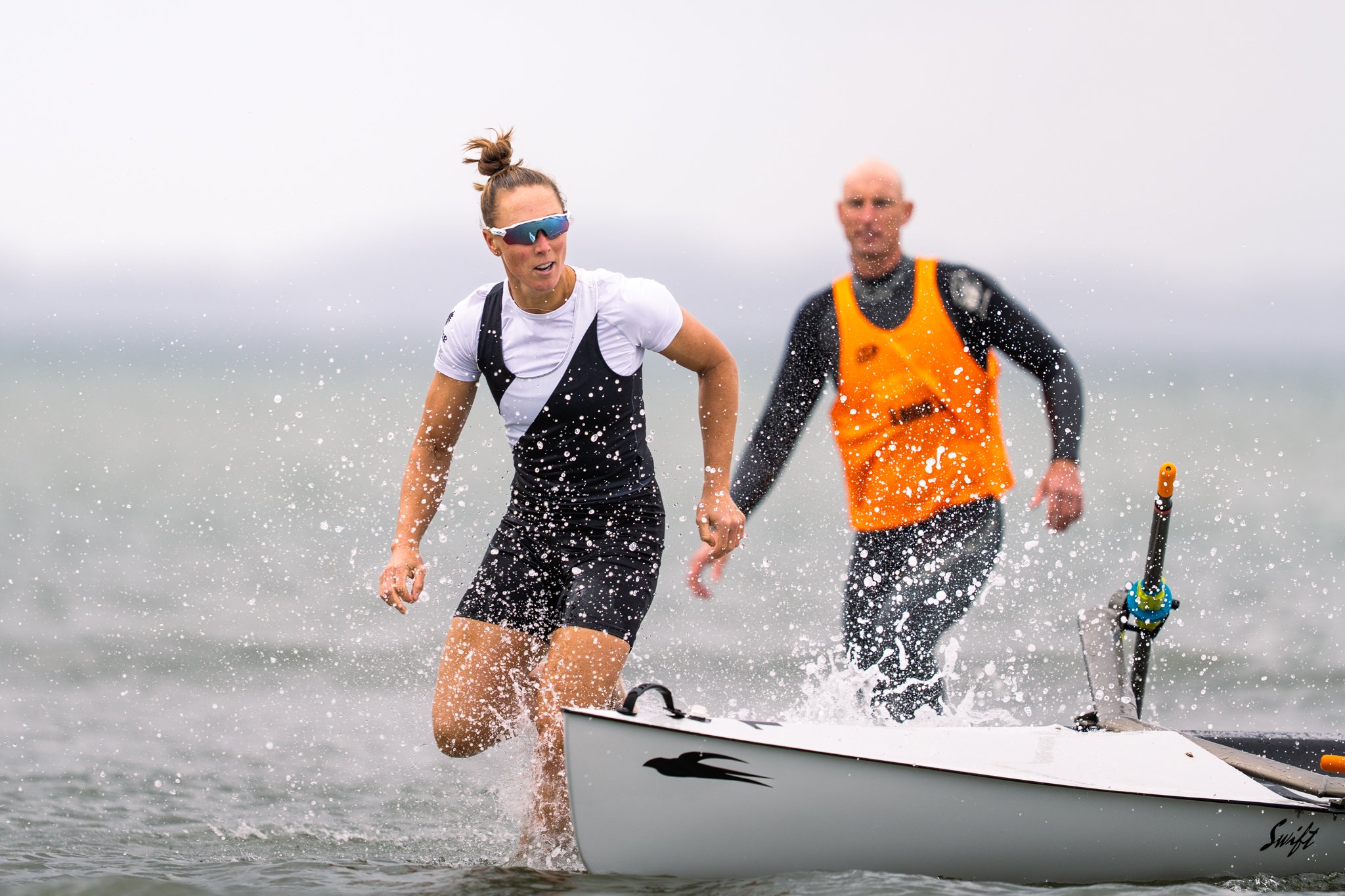
For Fulton, the appeal of coastal rowing transcends competition. Having grown up around the beach surfing and fishing, he describes beach sprints as a way to combine his longstanding passions with elite-level rowing. That perspective—athletes drawn to water sport for reasons deeper than medals—often produces the most durable competitors.

The squad departs for Los Angeles shortly, then Boston, returning to New Zealand by late July before the October voyage to China. With coastal rowing expanding globally and Olympic selection looming, these three months will shape New Zealand’s position in a young discipline that’s capturing the sport’s future.