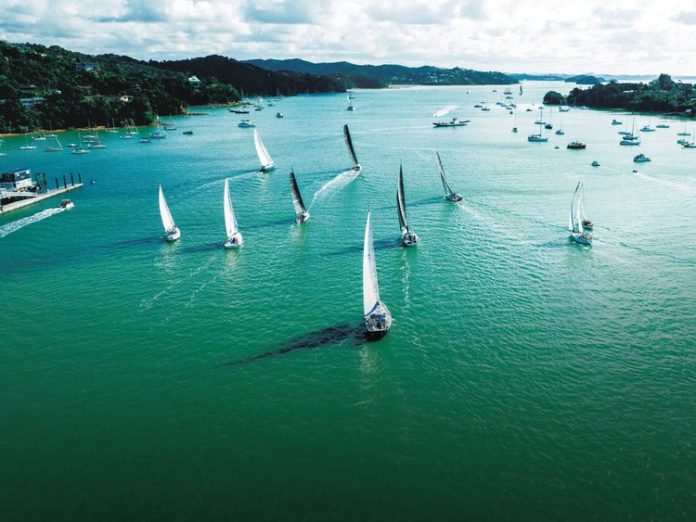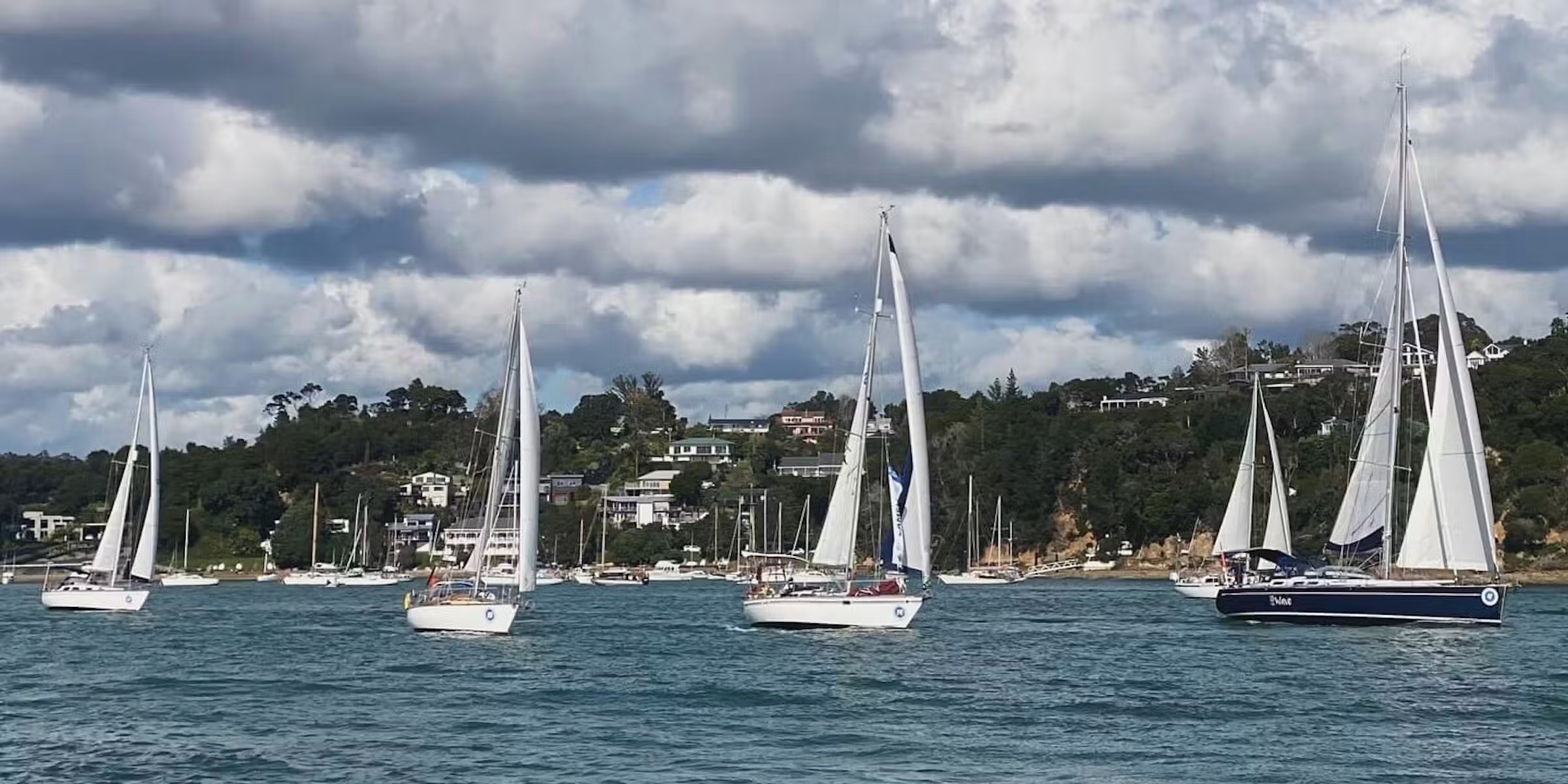
Somewhere off Cape Reinga, a wave caught Diablo side-on and spun her stern through 90 degrees before letting go. It was one of two moments in Peter Bourke’s Solo Trans-Tasman crossing where things could have ended very differently, and he talks about both with the same calm he probably needed to get through them.
“One wave broke right over the top of the boat. It was a huge collision, the force of the water was immense. And in an instant, the stern was at 90 degrees to the wind. Thankfully, it peeled off, and away we went again.”
Diablo was closed up at the time, autohelm on, washboards in, just a small jib flying. The second moment came later, when a container ship showed up on radar heading straight for him.
“I had to take evasive action with one ship. Thankfully, I saw it coming on the radar and thought, ‘Jesus Christ’ that thing’s going to run me over. I swung the boat around and went away for five to ten minutes. Quite a close call. Fortunately, I had the electronic equipment for it – the radar proved really valuable.”
Before any of that there was a birthday that didn’t go to plan and a boat he’d spent five years rebuilding put through its paces. After it came a finish through breaking surf in the dark. He made it all the way to the Gold Coast alone, in the oldest boat in the fleet and the only one built from wood.
Bourke says the waters around Cape Reinga and the Three Kings sandbanks were the toughest of the crossing.
“It was really good. I had to battle straight into a gale up to North Cape. Conditions were reasonable across the top of North Cape and then when I reached Cape Reinga the wind swung into the north and it was full on.”
It’s also the part that’s stuck with him the most.
“Just being there. Seeing the elements at their most brutal. As far as memory goes, that’s the one that sticks. The water was very disturbed there, where the Pacific and Tasman collide, there are quite extreme conditions.”
On June 8, Bourke turned 74 out on the water. He’d planned something small: cake, a hot dinner, a beer from Diablo’s galley. None of it happened the way he wanted. A rain cloud rolled through, the wind came up, and the boat started heeling over hard enough that he had to drop everything and deal with it.
He spent the next few hours furling the jib and reefing the main, working through to about 10pm just to get the boat settled again. By then dinner was cold and forgotten.
“That’s just what the ocean does. The Tasman doesn’t care about your birthday plans!”
The same weather system that ruined his birthday knocked four other boats out of the race with failed sails and rigging. Diablo sailed on.
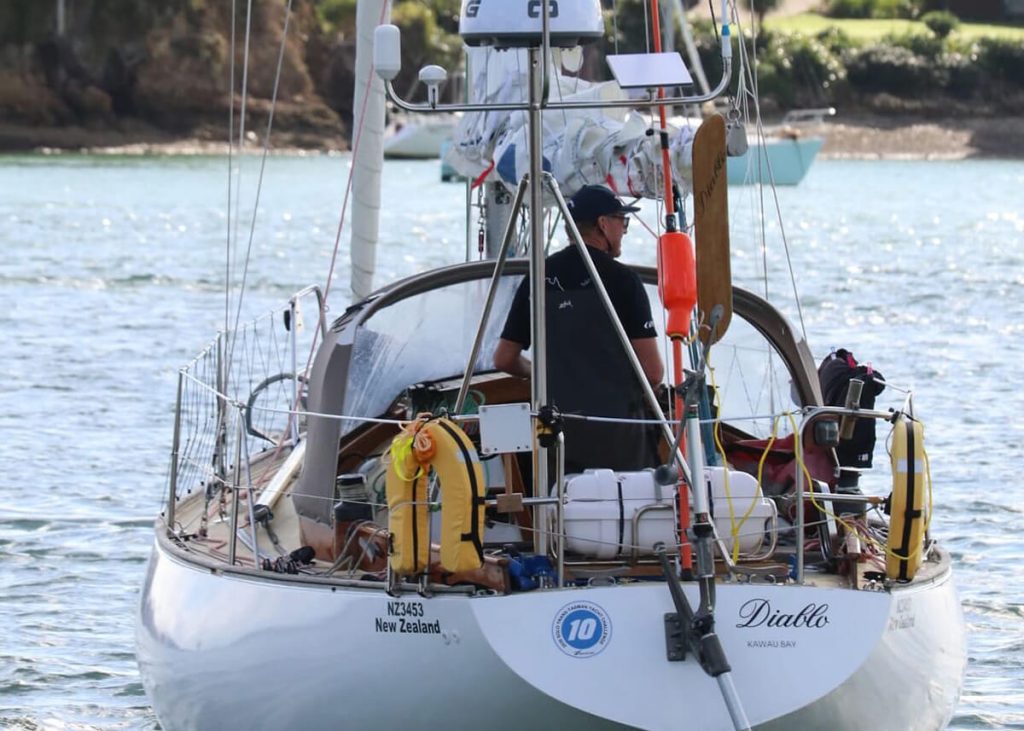
Diablo is a kauri keelboat, and Bourke spent five years bringing her back to life before this race, on top of a solo circumnavigation of New Zealand and the work needed to get her to Category 1 offshore standard. Getting a boat to that standard means ticking off a long list of safety requirements before a solo sailor is even allowed to start, and having Diablo properly insured for the crossing was part of that same checklist, the kind of thing that matters a lot more once you’re the one dealing with a wave spinning your stern through 90 degrees. Racing her against newer, faster boats across the Tasman put all of that work to the test.
“It coped really well, and being the oldest boat in the fleet, that was pretty good – a smaller boat doesn’t have the same loads on it, and even so it coped admirably.”
Ask him about it and Bourke points to the boat, not himself.

“Because it was a major restoration project, I’m quite satisfied the work I did stood up to the task. Not that I’m a master craftsman – I took an approach of over-engineering, no corners cut, and nothing sacrificed for reliability in favour of performance.”
If anything, he reckons Diablo handled the crossing better than he did.
“It was certainly a challenge because of the weather. But the boat did incredibly well, a lot better than I did. I was surprised, though, and pleased with myself that I was able to pace my effort. It never felt like it was all too much.”
A finish through breaking surf
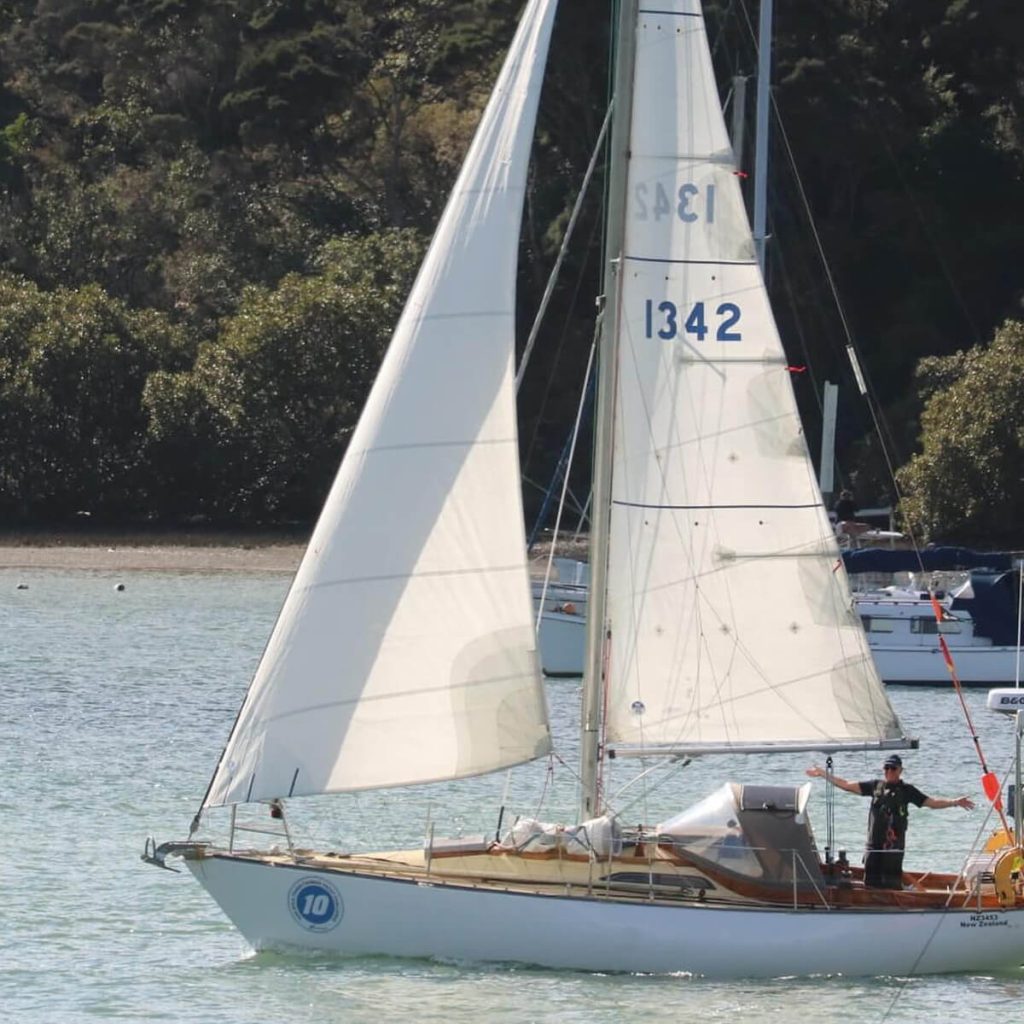
The worst conditions of the whole trip showed up right at the end, not somewhere in the middle. Bourke reached the entrance to Southport Harbour at 5am, in the dark, nearly 11 days after leaving New Zealand.
“The conditions were roughest for Diablo then. You finish just outside the entrance to the harbour, and it’s a notorious entranceway because surf rolls in through it.”
A boat waiting on the finish line recorded him coming in, then followed him through the surf.
“He said afterwards, ‘I wish I’d got a photo of Diablo’. It was in wild water, and at one stage the bow was right up out of the water. I had no recollection of that.”
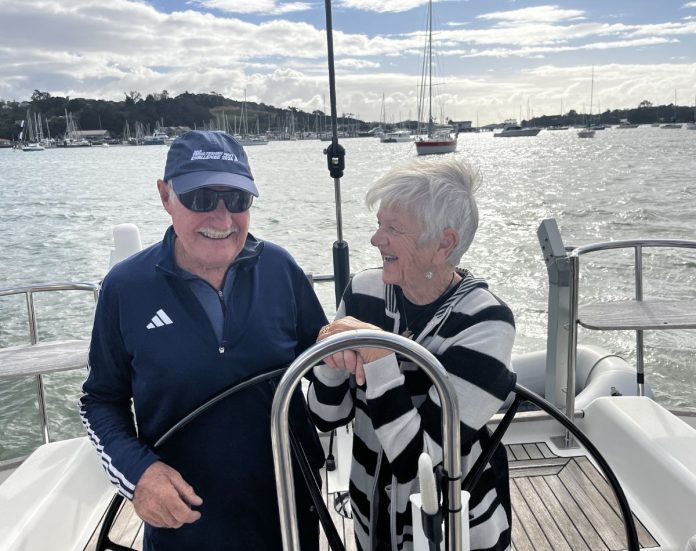
His wife, one of his daughters and his granddaughter had flown over and were there when he stepped ashore.
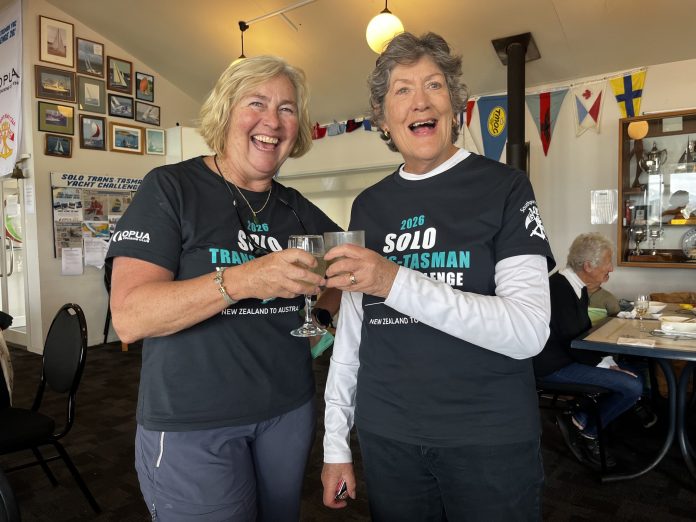
“That was a wonderful welcome. And the skippers who did it. Eleven of us formed a really tight group. We all had the same sort of experience, something in common. A real bonus for the future.”
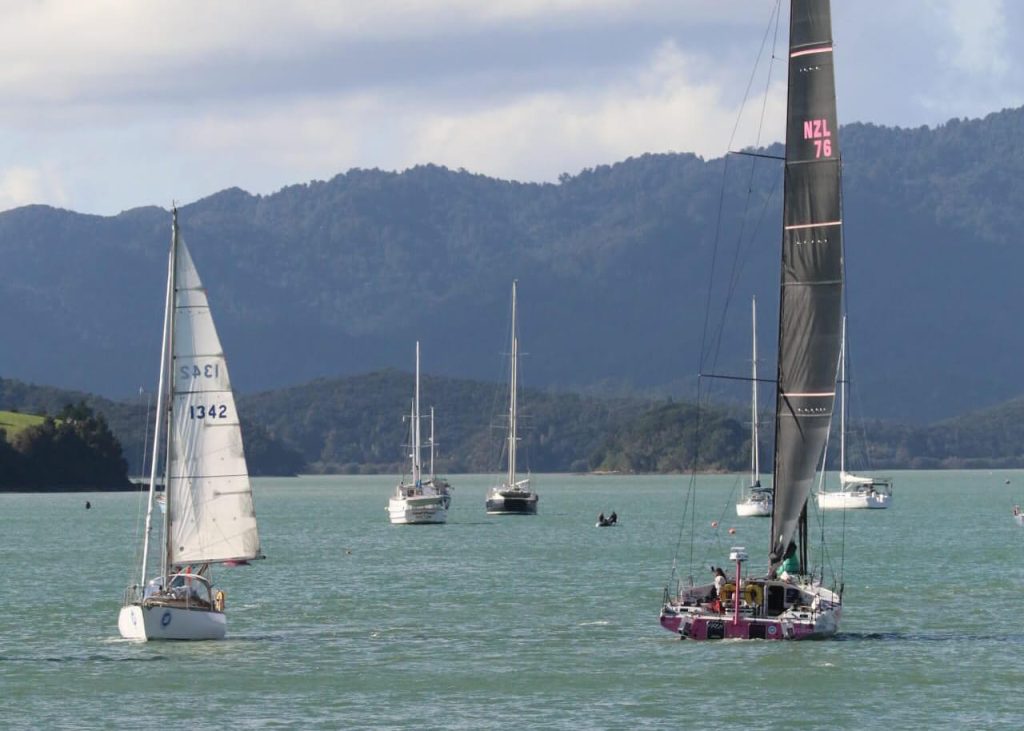
Getting Diablo home means motoring back rather than sailing, and Bourke says that leg will look nothing like the race. Before he left, a race inspector asked how he was planning to manage fatigue on his own for that long.
“He asked how I was going to get enough sleep to ward off exhaustion. I said I just love the boat, so I get a lot of sleep – the bunk is my favourite place. If I have any spare time, you know where I’ll be.”
He won’t race the Tasman solo again, but that doesn’t mean he’s finished with the water.
“No, I won’t do it again. But I’ll still be getting out there. I’d like to explore more of New Zealand’s coastline. I’ve done a circumnavigation before, but this time it’d be more about the journey rather than the destination. I’d like to stop everywhere and have a look.”
Next summer he’s planning to cruise the Marlborough Sounds and Abel Tasman with family, then winter Diablo in Nelson before taking her down to Fiordland for a month. He’s hoping his wife will join him for at least part of it.
“At some point my wife can join me and we can cruise together. I tell you what though, the standard of cleanliness and tidiness will lift significantly when she’s aboard,” Bourke laughs.
Mid-race, he’d already put words to what the whole thing meant to him.
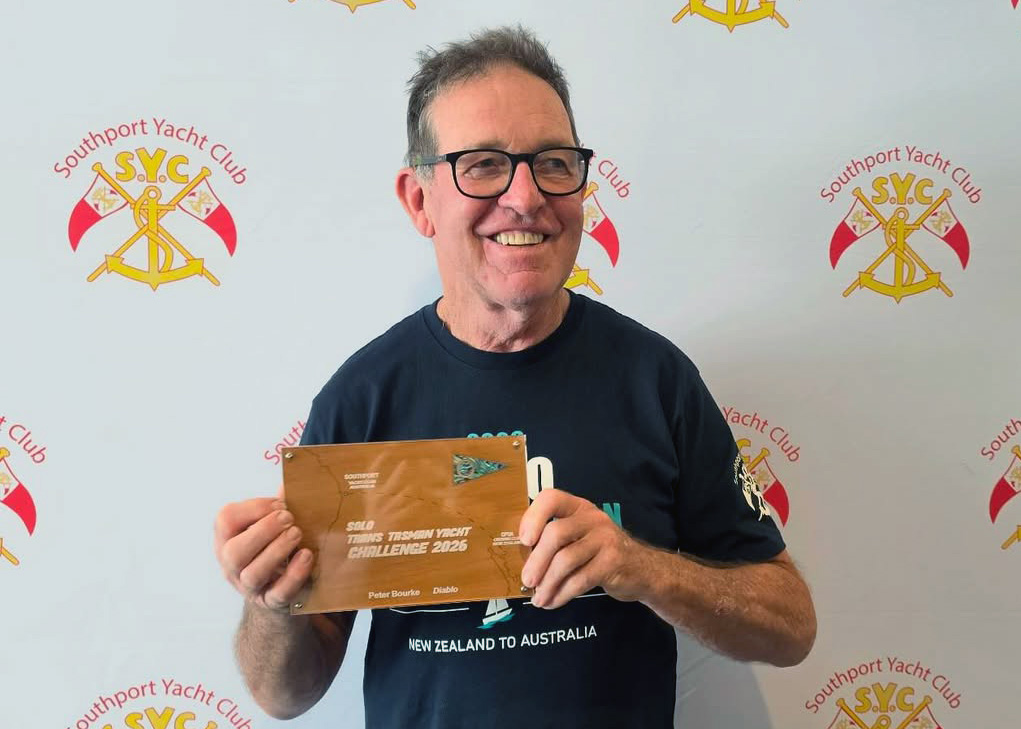
“After five years restoring this dear classic kauri keelboat, a circumnavigation of Aotearoa New Zealand, then getting her to Category 1 standards, the Solo Trans-Tasman Yacht Challenge marks the grande finale in a restoration project and a love affair between boat and man.”
He crossed the line in 10 days, 19 hours, 3 minutes and 57 seconds, having covered 1308 nautical miles in the smallest boat in the fleet, and the only wooden one. That was good enough for fifth of 12 in the Performance Handicap Racing Fleet, and ninth of 15 for line honours.
Article originally published by Mariner Insurance.
Looking for the right cover on the water in New Zealand in 2026?
No matter what your plans are on the water in 2026, Mariner Insurance is here to support you. They have been offering Kiwis specialist marine insurance in New Zealand for over a decade with cover for all types of boats and watercraft. Just talk to them about what you’re doing on the water, and we can tailor one of our insurance policies to fit.