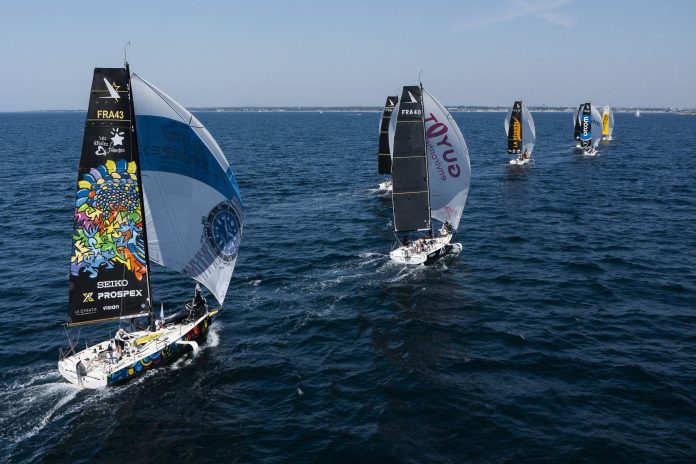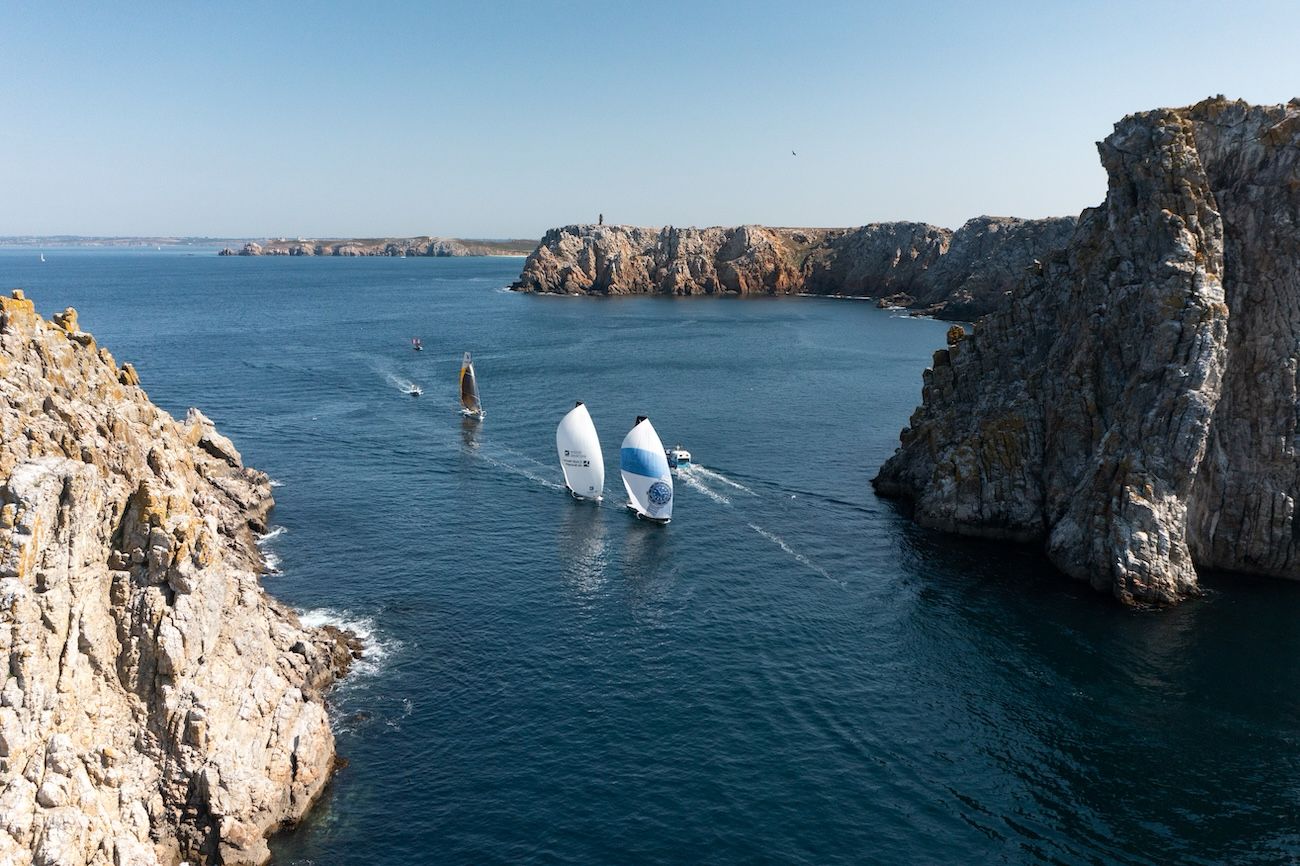
The Tour Voile Figaro Beneteau 3 has departed Camaret-sur-Mer, and the Breton port town is still buzzing from the offshore racing event’s visit.
Mayor Joseph Le Mérour was delighted to have hosted the competition. “It was a true pleasure to welcome Tour Voile to Camaret,” he said. He described the scene vividly: Figaro Beneteau 3 boats racing directly in front of the iconic Vauban Tower, swimmers on the beach, and sailing vessels moving in and out of the harbour. It painted a picture of the town fully alive with maritime activity.
For Le Mérour, the timing felt natural. Camaret sits on a seafaring identity built over centuries. “We live with the sea here. Camaret is a land of sailors and always has been,” he explained. Hosting Tour Voile aligned perfectly with that heritage—and the event arrived just as the town was opening a new nautical centre, providing inspiring momentum for the launch.
Practical advantages, strategic vision
Beyond symbolism, Camaret offered practical advantages. The town’s deep-water harbour works regardless of tidal conditions, making it reliable for race operations. And as a platform for young offshore racers building careers, the event served a clear developmental purpose.

But Le Mérour sees the bigger picture. Tour Voile represents part of Camaret’s transition from a major fishing port toward a modern centre for sailing, leisure boating, and significant maritime events. The race was one chapter in that story.
Gladys Grelaud, a regional councillor for Brittany, framed Tour Voile differently—as both elite sport and public spectacle rolled into one. “It brings our ports to life, energises our towns, and allows the public to discover the boats, meet the crews, and share this passion for the sea,” she said.
Brittany’s four-stop platform
The region occupied centre stage in the 2026 edition, hosting four of the five race stops. That concentration of venues created multiple opportunities to highlight Brittany’s territories, volunteer networks, and the professional maritime sectors that sustain coastal communities.
Grelaud pointed to Tour Voile’s role as a training ground for young sailors working alongside experienced offshore professionals in genuinely demanding conditions. The event prioritises crew diversity and youth development—values that align squarely with regional ambitions.

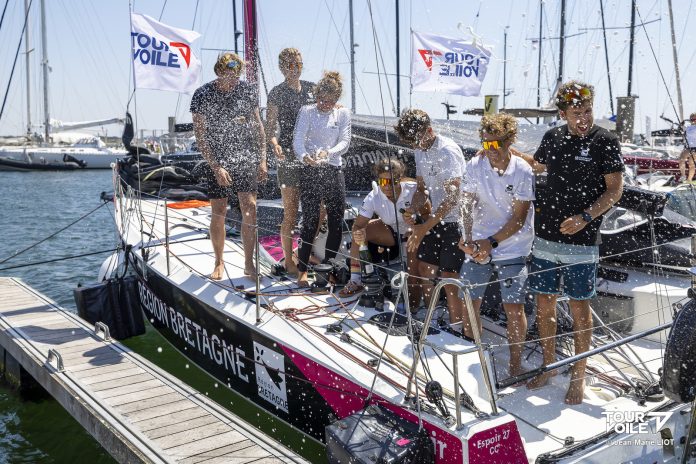
The Brittany regional council put its values into action through its own entry: Région Bretagne – CMB Espoir, a gender-balanced crew that signals the region’s commitment to shaping the future of offshore racing. Grelaud thanked the organisers, volunteers, partner authorities, and all competitors who made the 2026 edition possible.