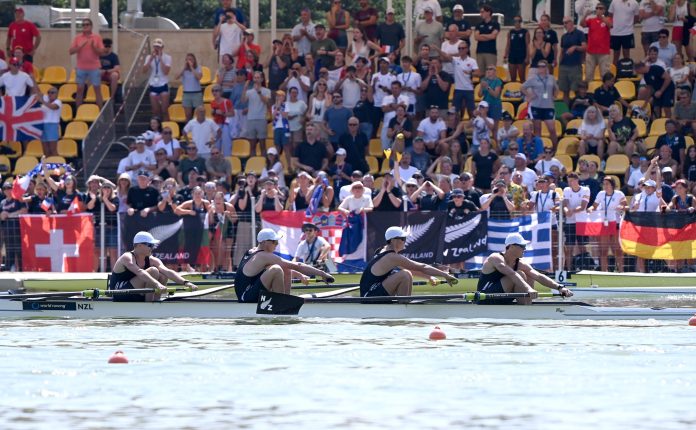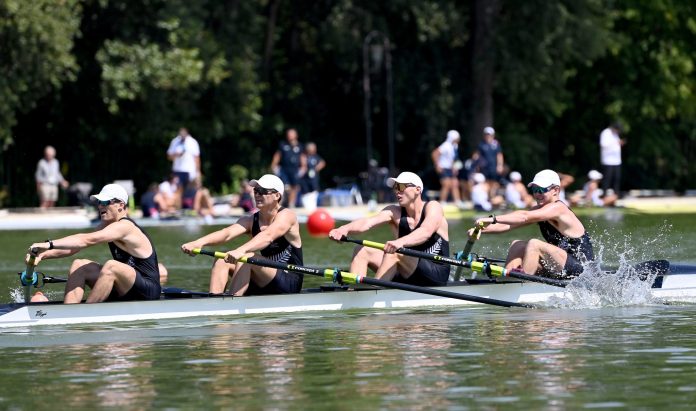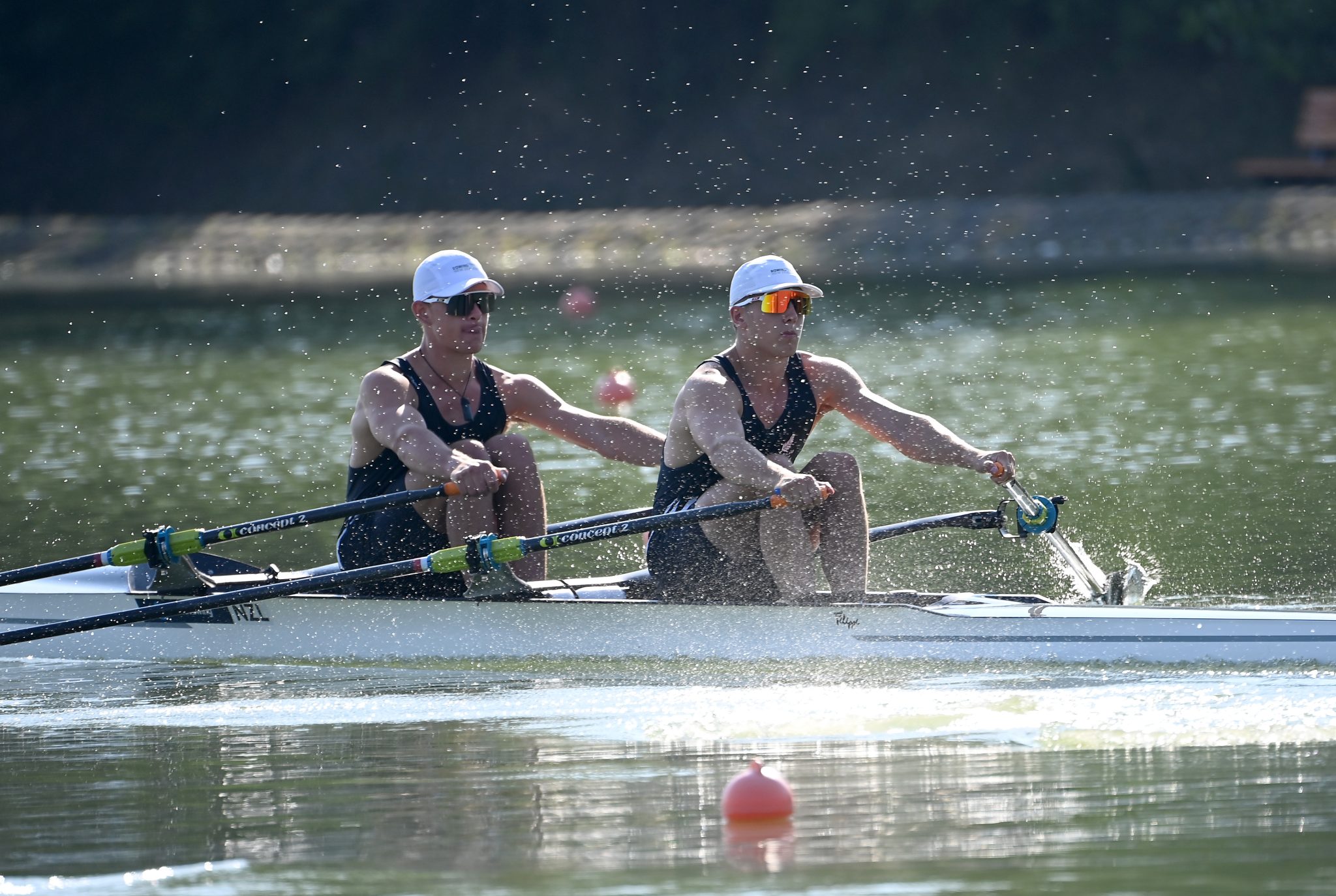
New Zealand’s junior rowing squad has made a statement at the U19 World Championships in Bulgaria, with all four boats advancing to the semifinals after opening day at Plovdiv. The performance was built on a strategy that coach Mark Clemo identified as the key to their success: dominating the middle 500 metres of each race.
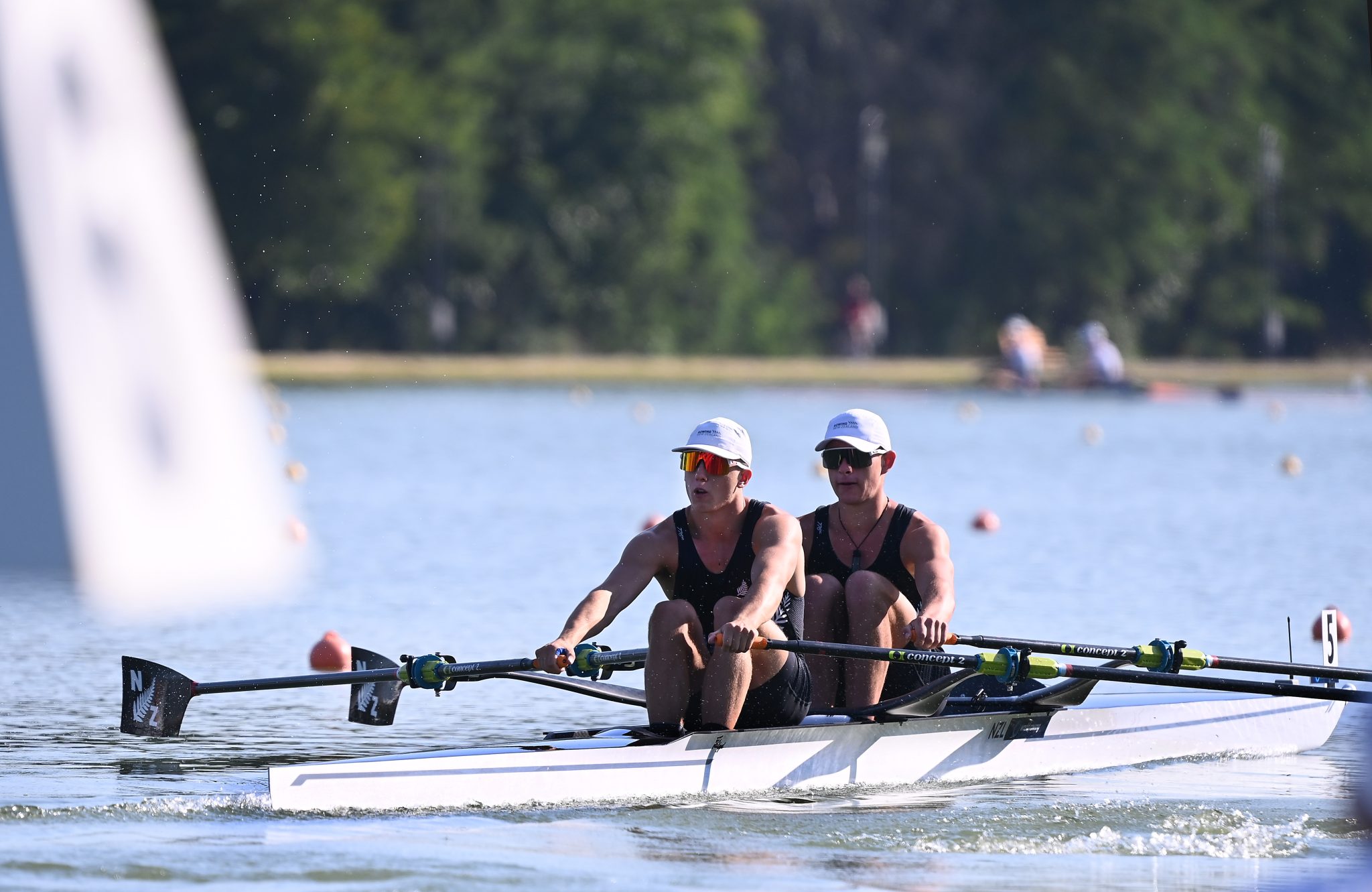
Charlie Manser and Aidan Bennett set the tone in the Men’s Double Sculls, recording the fastest heat time across all six races at 6:23.90, nearly five seconds clear of second-placed Great Britain. They trailed Poland early but took control by the halfway point and never surrendered. “Almost every one of our boats was the fastest in their races between 500 and 1500,” Clemo noted. That middle-distance speed became the Kiwi trademark throughout the day.
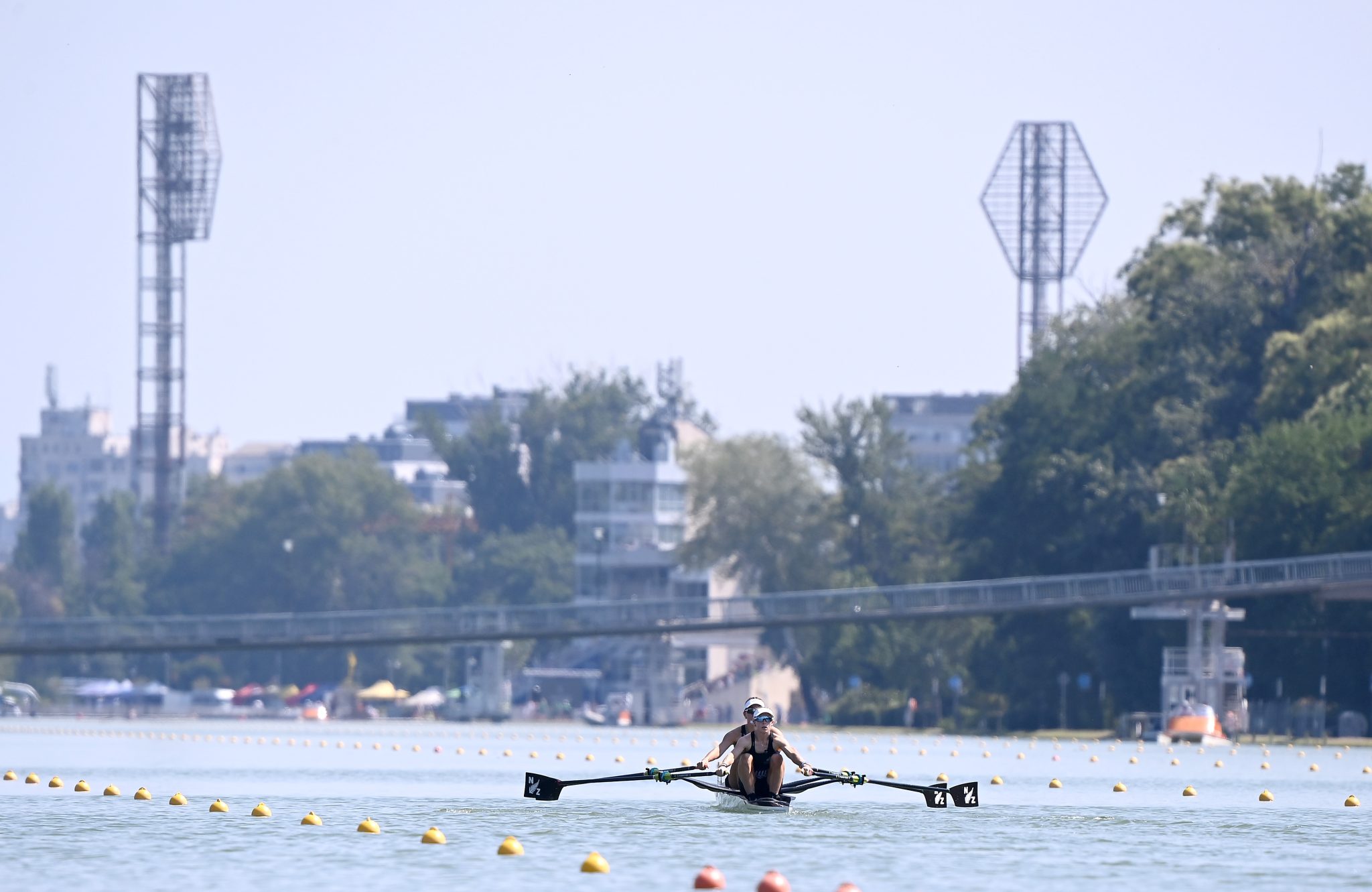
Eleri Clare and Zara Blackie showed similar mettle in the Women’s Double Sculls, working hard through the second 500 metres to lead at the halfway mark before being caught by Italy and Greece. Their time of 7:15.99 was just 0.55 seconds behind Greece and secured a straightforward passage to the semifinals.
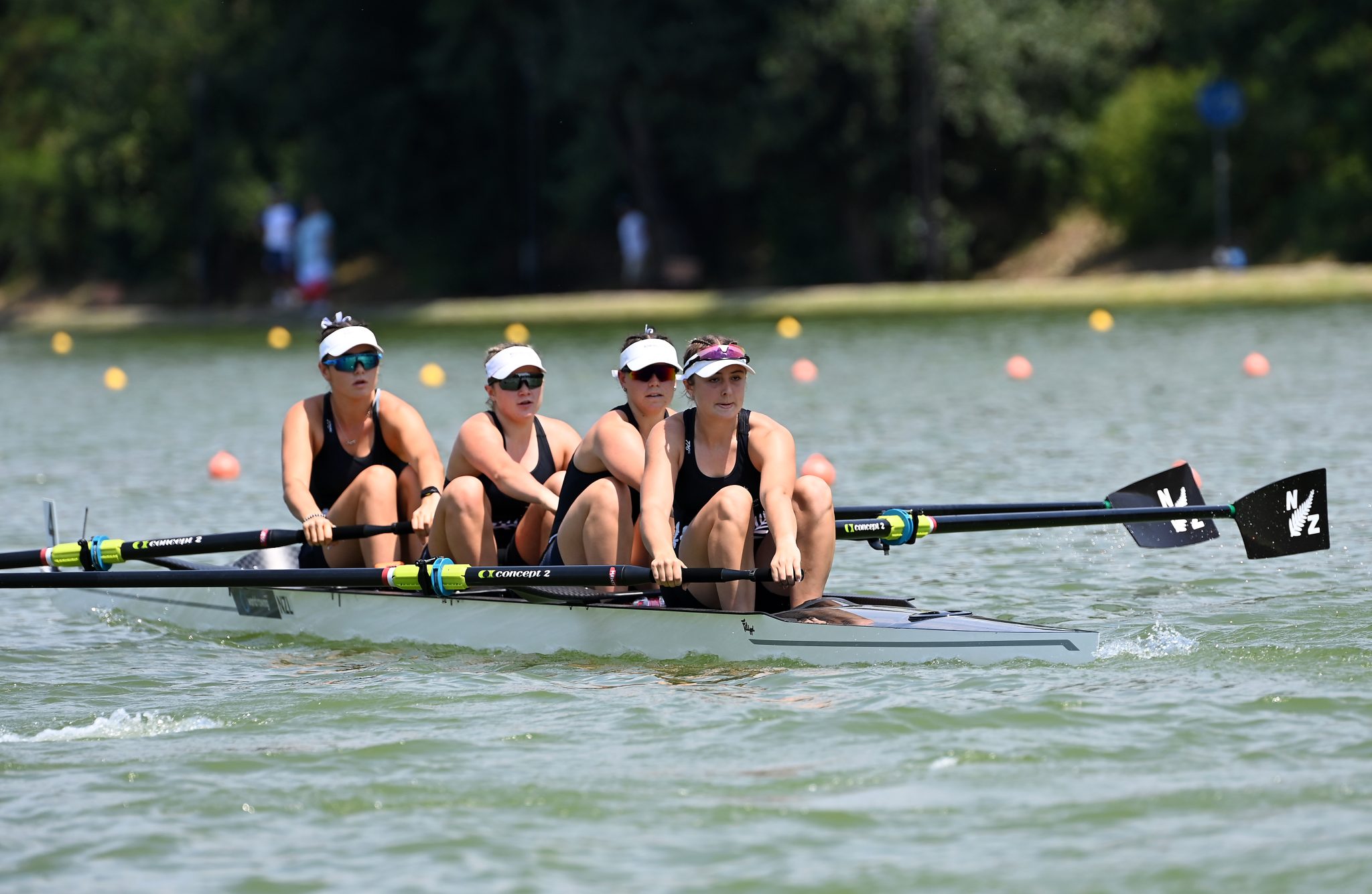
The Women’s Four of Charlotte Mawston, Georgia Kendrick, Charlotte Gorman and Jess Walkinshaw finished second to Great Britain, a crew featuring an athlete from last year’s U19 Worlds silver medal boat. New Zealand stayed at 38 strokes per minute while the British rowers sat at 34, but couldn’t quite overhaul them. Still, the 6:10.28 clocking put them through automatically.

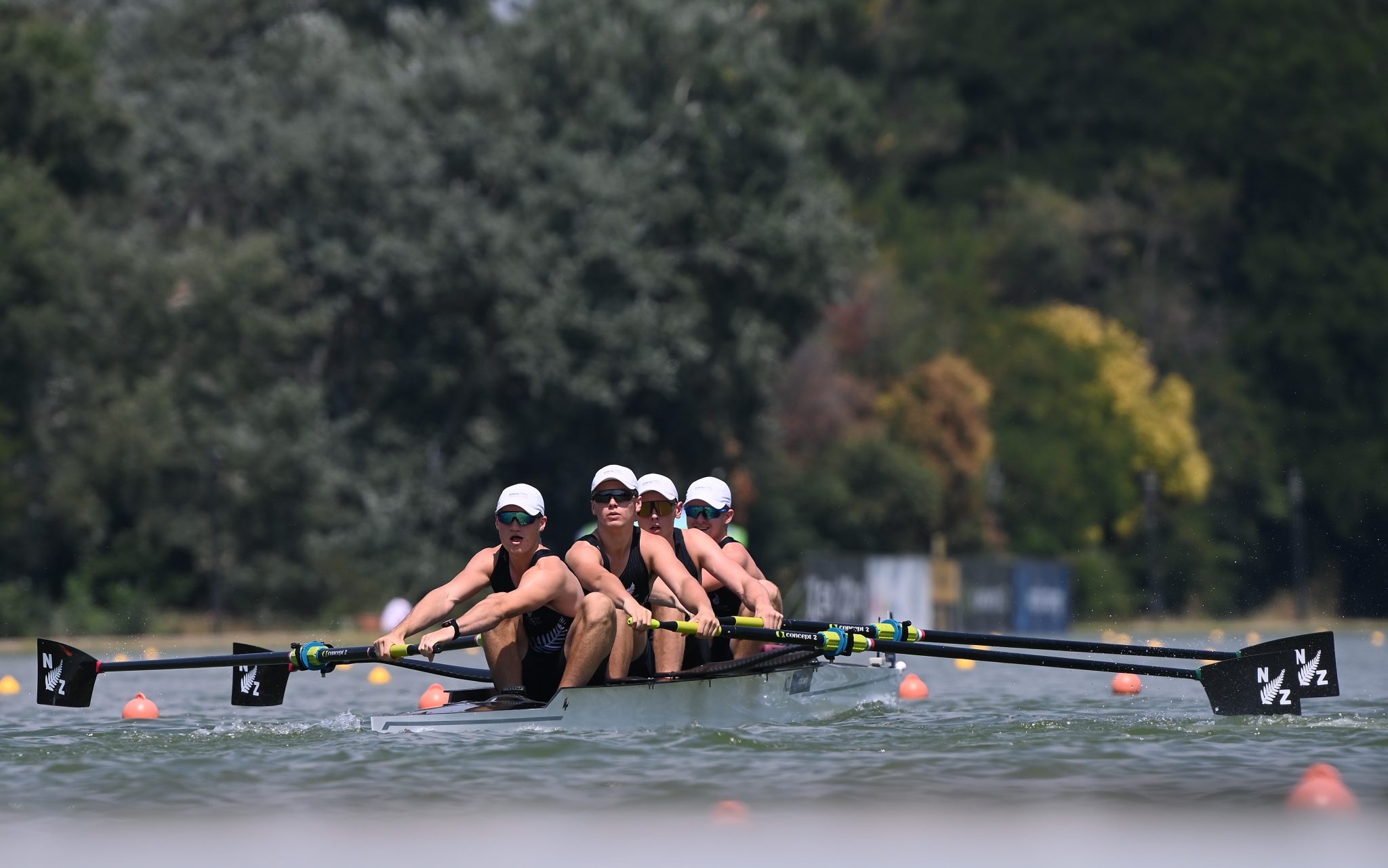
Charlie Field, Sam Bird, Alex Walters and George Langley faced a similar battle against a France crew boasting three members from the European Championships bronze medal four. New Zealand led for most of the race but France surged in the final sprint to win 6:19.36, with the Kiwis taking second in 6:20.06. “We knew they were going to be fast so we just went out there to try and execute the best race we could,” Langley said. “Got a few points to build on but pretty happy with the race.”
Manser and Bennett returned for their quarterfinal later that day and dominated convincingly, taking control from 250 metres and building clearwater by the halfway point. They crossed in 6:35.72, well clear of Ireland in second and Norway in third. With all four boats safely into the semifinals, the squad faces increasingly stiff opposition, but the consistency of their middle-distance execution suggests they have the tools to compete when it matters most.