The second day of North Sails Cowes Week proved why the Solent remains the epicentre of competitive sailing in the Northern Hemisphere. Light winds tested every crew on the water, while the harbour’s famous social scene delivered its own form of drama on shore.
Racing conditions on Tuesday forced tacticians to read the Solent’s notorious shifts with surgical precision. Boats josling for position in the tighter fleet classes had little margin for error. A few metres of separation meant the difference between a decent result and slipping back through the field. The wind patterns, particularly around the eastern end of the course, caught several competitors off guard. Those who’d studied the conditions beforehand managed to find pressure others missed.
Beyond the races themselves, Cowes Week operates on two levels. Sailors spend their mornings competing with absolute commitment, then transition seamlessly into the social circuit that makes the regatta unique in world sailing. The week’s calendar revolves around evening receptions, dinners, and parties that attract competitors, sponsors, officials, and sailing identities from across Europe and beyond. It’s where crews that’ve spent the day fighting over inches suddenly share drinks and stories about how the day unfolded.
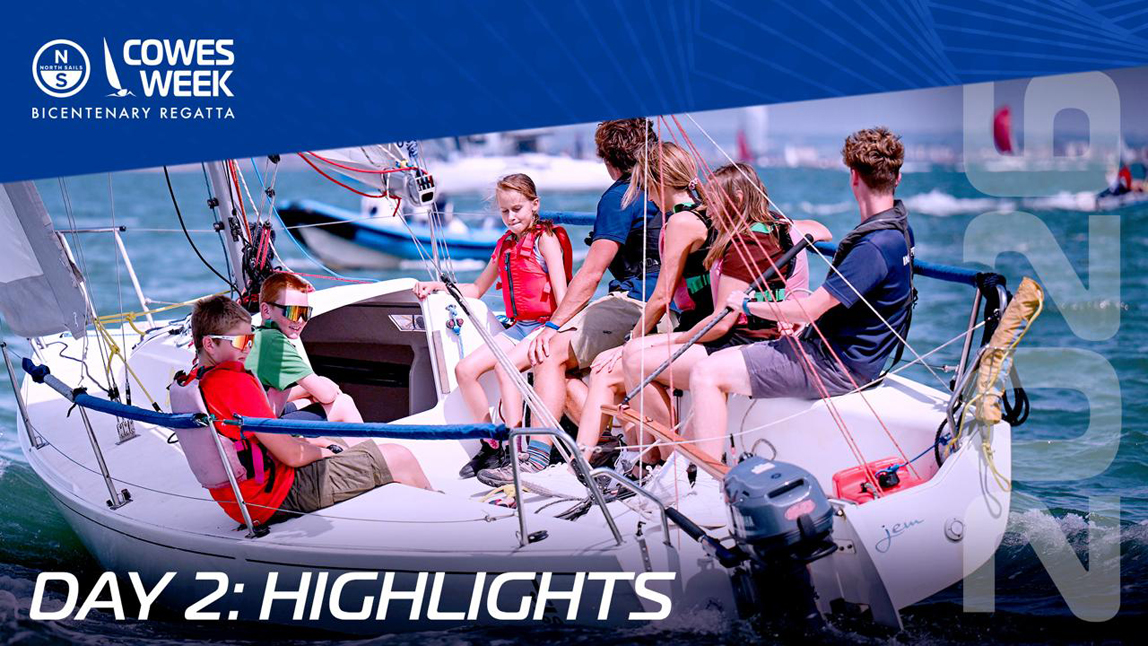
Video coverage from day two captures both the tension on the water and the camaraderie off it. For New Zealand sailing enthusiasts unable to follow live commentary, these highlights offer genuine insight into what makes Cowes Week different from most regattas. The production values matter less than what they document: genuine competitive racing in a setting that takes its traditions seriously.

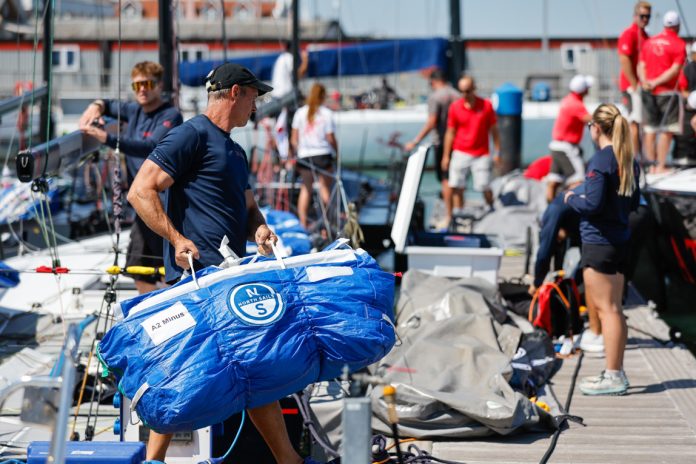
North Sails’ sponsorship of the week reflects the brand’s deep roots in offshore and inshore racing. The company has supplied sails to campaigns across Cowes Week’s fleet for decades. That connection between sponsor and event works because both share a commitment to sailing at its most uncompromising.
For crews heading into day three, the forecast suggested conditions might ease further. That would bring its own challenges. Light winds and flat water reward precise boat handling and crew work over raw tactical nous. Conversely, stronger breeze favours established rhythm and consistency. Either way, the second day’s results offered early pointers about which crews had properly prepared and which were still finding their feet in the Solent’s particular demands.