# EDITORIAL SUBMISSION
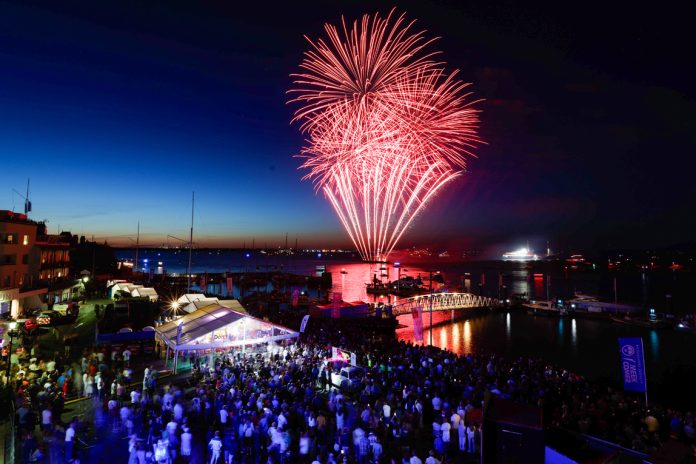
Racing off the Isle of Wight has long held a peculiar magnetism for offshore sailors worldwide. There’s something about Cowes Week that strips away pretence. The fleet arrives, jostles for position in waters that have hosted competitive sailing for nearly two centuries, and by day six, patterns begin to emerge from what looked like chaos on day one.
North Sails Cowes Week, now in its modern iteration, continues to draw competitors who take their form seriously. By midweek, the racing typically finds its rhythm. Sailors who’ve travelled from across Europe and beyond settle into the rhythm of repeated encounters, the same boats crossing paths in different configurations as wind and tide shift through the week.
The video records from day six tell a familiar story for anyone who has competed in fleet racing at this level. Wind gusts arrive unpredictably across the Solent. Some boats read the shifts better than others. A fleet that spread across the water on days one and two begins to compress as certain skippers recognise patterns in the breeze, or simply as superior boat handling compounds small advantages into visible separation.

For New Zealand sailors, watching established European competitors work these waters offers a masterclass in tactical patience. The Solent’s reputation isn’t built on consistent conditions or wide-open racing grounds. It’s narrow, it’s busy, and it punishes inattention. Cowes Week regularly draws keelboat competition from across the racing world, and the standard continues to reward discipline and precision over aggression.
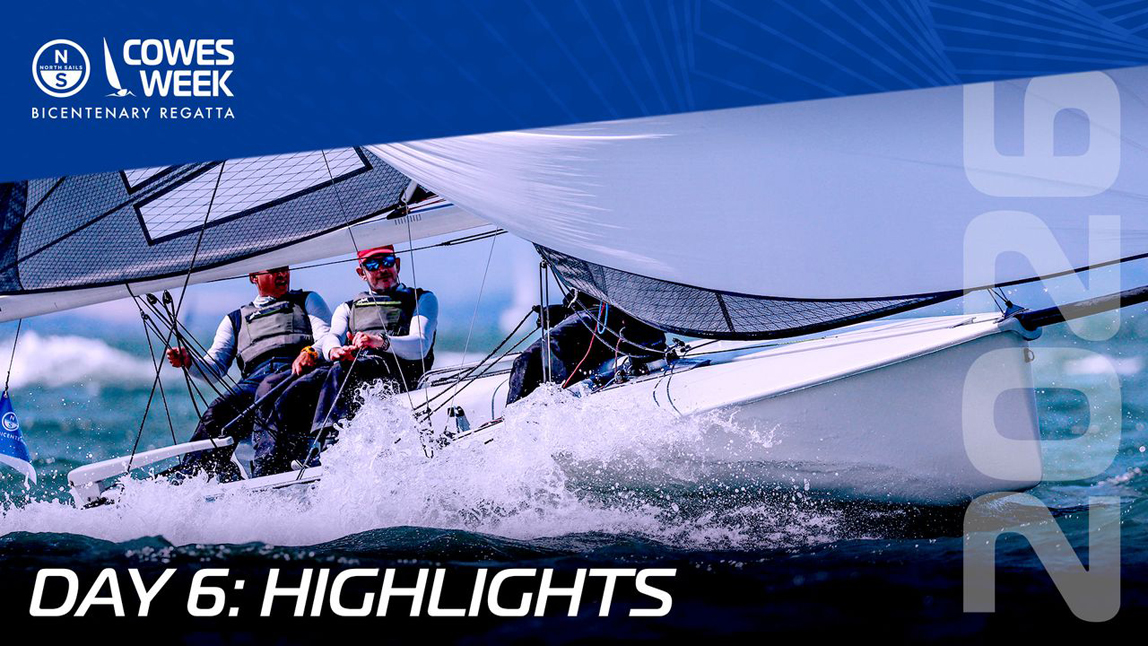
The video highlights from day six capture what makes this week endure as a fixture on the offshore racing calendar. There’s no theatrical presentation required. When dozens of competitive boats are chasing the same finish line, genuine drama emerges from execution and decision-making under pressure.
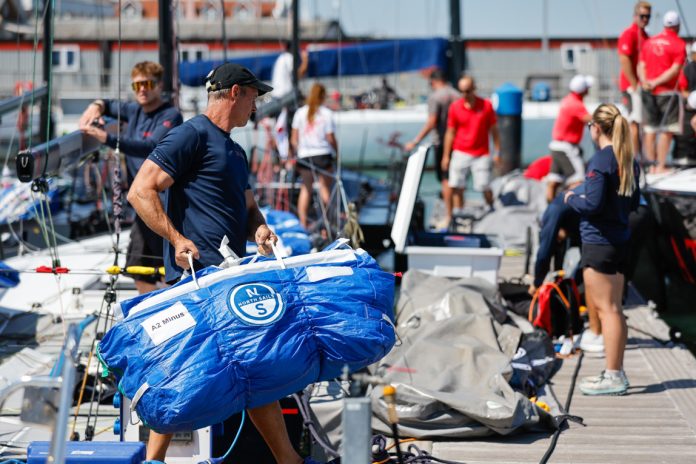
North Sails has supported this event for years, recognising the value of a competition that filters out pretence. The week remains a test of boat handling, crew coordination, and the ability to read conditions that rarely cooperate with grand plans. For sailors planning their summer racing schedule or simply curious about how the established offshore fleet performs, the video documentation from day six onwards typically offers genuine insight into what separates competent sailing from winning form.
The racing continues through the week. Those who sailed poorly in the early days still have time to salvage their scorecard. Those who built early leads understand that the Solent offers no mercy to inattentive watch-keeping or lazy tactical decisions. By day six, pretenders have usually revealed themselves, and genuine competitors have begun to separate from the middle of the fleet.