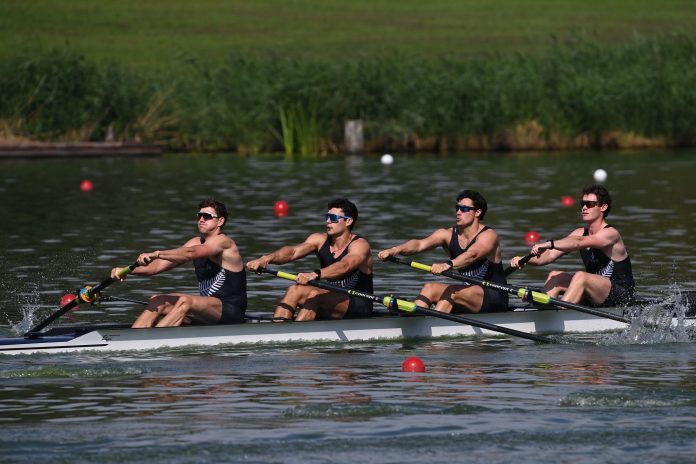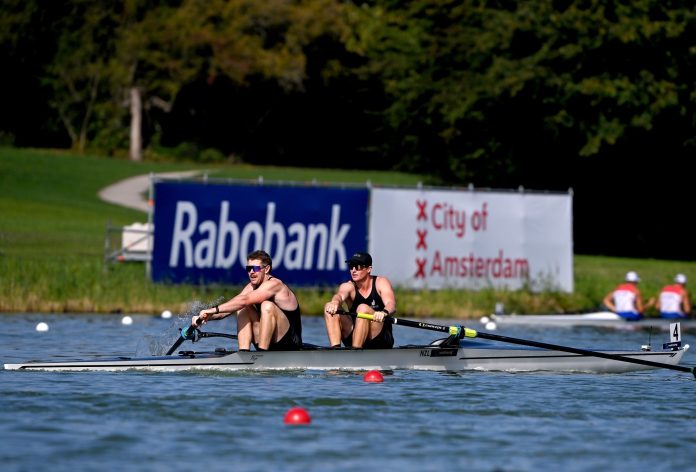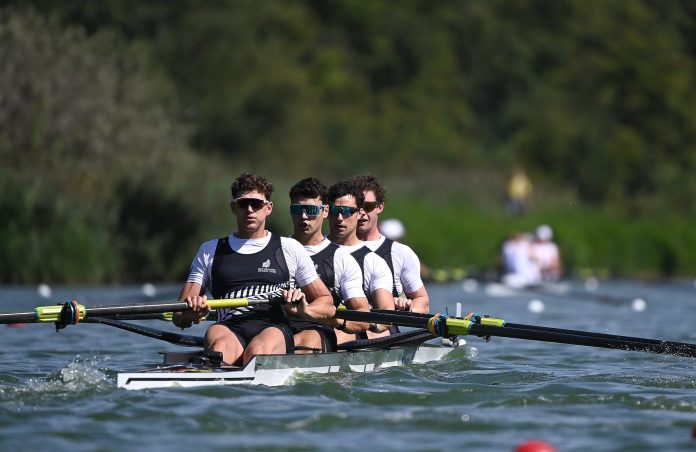
Four rowing coaches share the pre-season philosophies guiding their programmes, and their approaches reveal vastly different paths to the same destination: athletes ready to race.
At Mount Albert Grammar, Director of Rowing Steve Finlayson starts with health. After a long season, rowers carry niggles and minor injuries into winter. Rather than treating pre-season as an extension of the racing year, Finlayson sees it as genuine recovery time. His second priority is straightforward: get athletes into winter sports. The payoff is an all-round athletic base, exposure to different coaching and skills, and a break from rowing as a year-round grind. By the time racing begins, he wants rowers returning with a solid aerobic foundation and good training habits, but not peaking early. “We don’t want our rowers peaking before the season starts,” Finlayson says. “We want them to have stayed active, looked after themselves, and maintained a level of fitness that allows them to build into the season.”
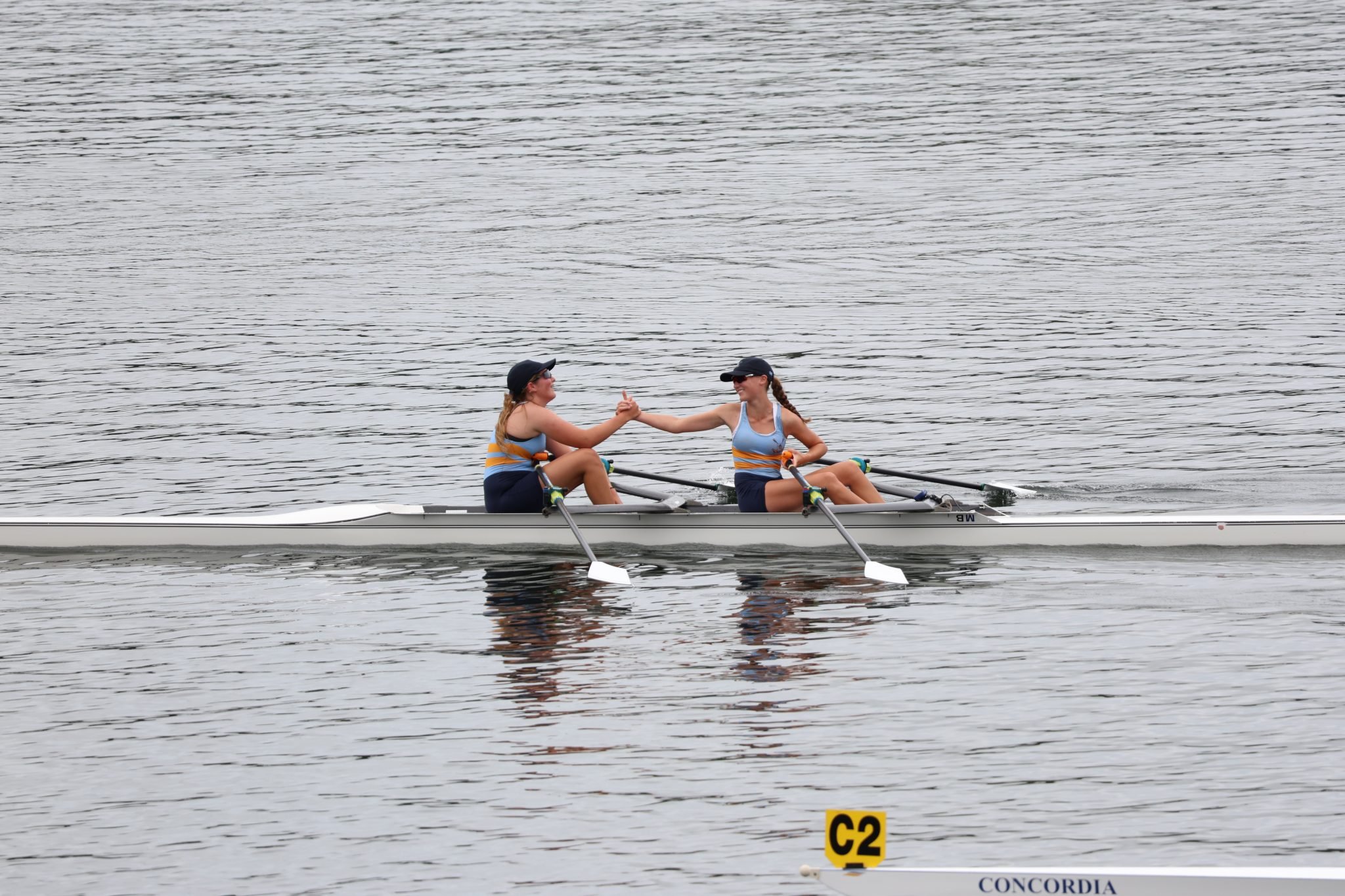
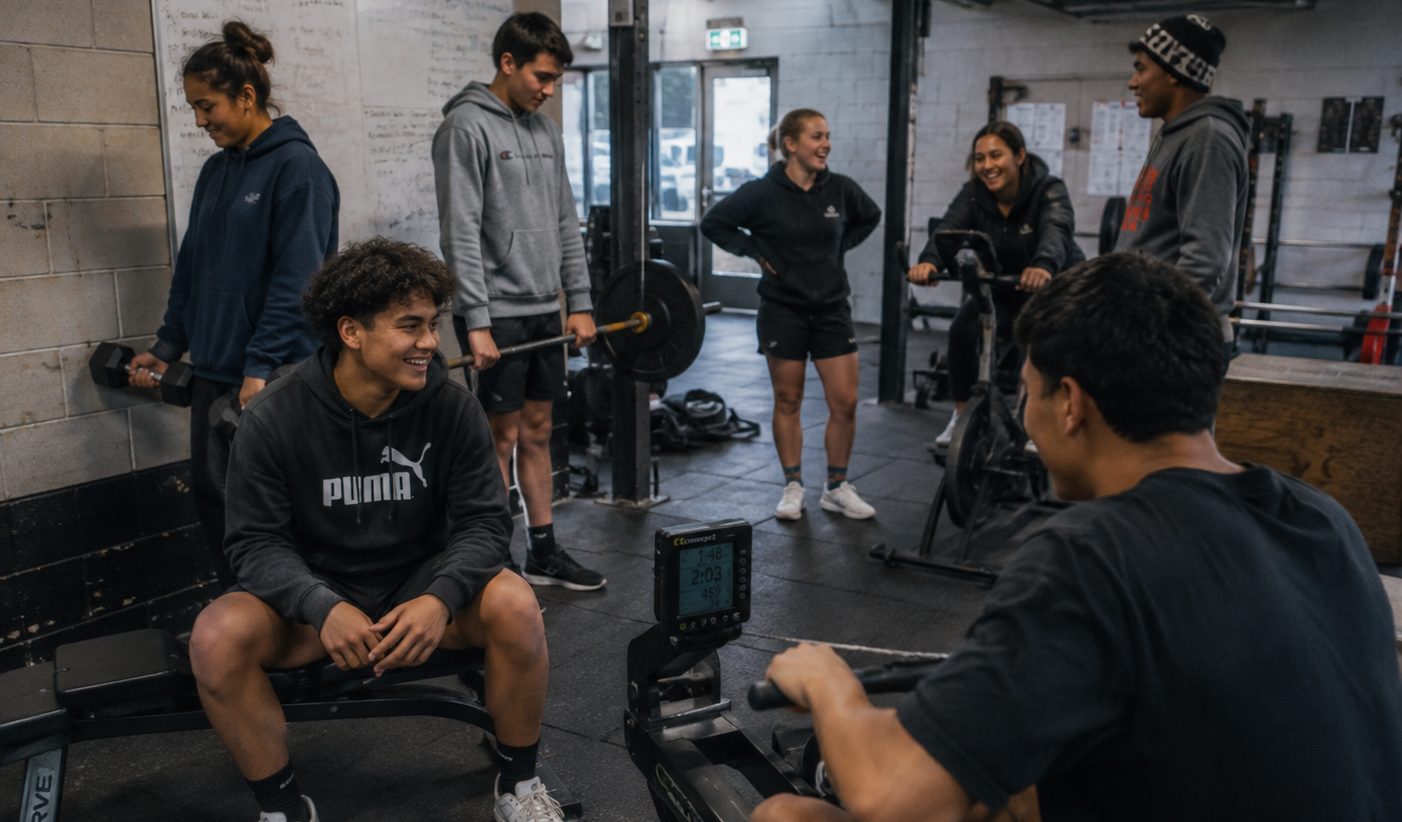
For rowers not playing winter sports at Mount Albert, the formula is three strength sessions weekly focused on movement quality, injury prevention and core stability, plus aerobic training through running, swimming or cycling equivalent to about 30 kilometres of erg work. The erg stays dormant over winter.
Whanganui Collegiate’s Gus Scott takes a different line entirely. Every student plays a winter sport, so no rowing pre-season exists. Regular training simply begins in term four, around late October.

Beth Anderson, head coach at Columba College in Dunedin, prioritises building fitness while maintaining technique both on and off the water. For returning rowers, she revisits end-of-season goals established the previous year. “These goals provide a clear starting point for the new season and ensure each athlete continues to build on previous progress,” Anderson explains. A typical week balances aerobic conditioning, technical work, strength training once or twice for senior girls, and recovery. Dunedin’s unpredictable water means flexibility; some sessions shift to the erg.
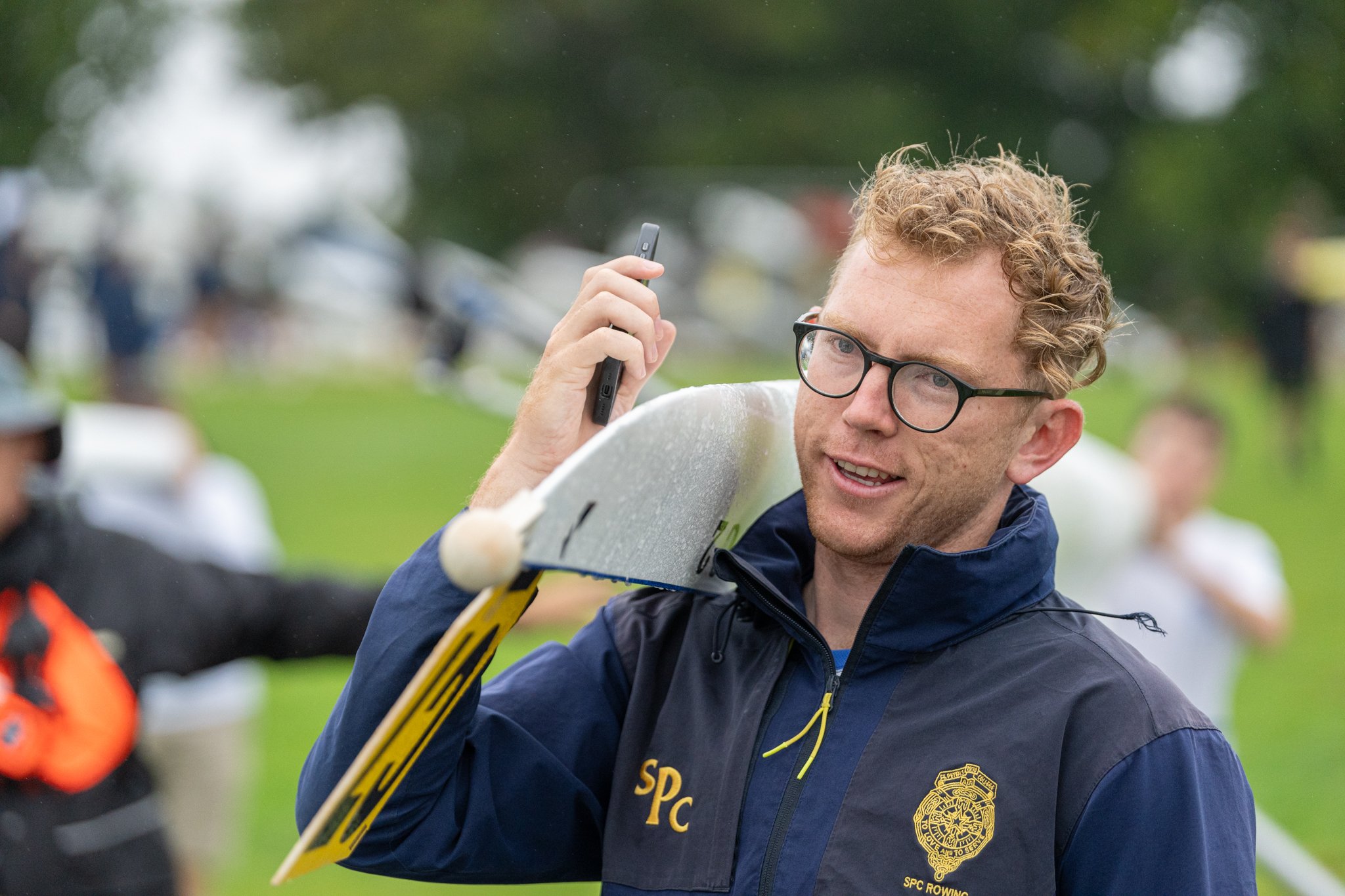
Cam Patten at St Peter’s College, Auckland, wants three things locked in before the first regatta: a strong aerobic base, sound technical habits, and a team-first mindset. His weekly structure centres on quality rowing and erg sessions emphasising technical development and aerobic work, combined with two to three strength sessions. “Every session has a purpose,” Patten says, “and the goal is consistent improvement rather than simply accumulating kilometres.”
What unites these coaches is vigilance about load management. Finlayson stresses helping rowers understand that more training does not equal better outcomes, particularly when winter sport commitments pile up. He encourages athletes to communicate honestly about fatigue and to recognise the balance between training, school, sport and recovery. Small issues left unaddressed become bigger problems by midseason.

Gus Scott’s approach at Whanganui works because his strength and conditioning coach knows which sport each athlete plays in both seasons and builds complementary programmes accordingly. The result: very few injuries.

These philosophies differ in structure but share a common thread. Pre-season is where programmes prevent the mistakes that ripple through the entire year. Get it right, and athletes walk to the water confident, healthy and ready. Get it wrong, and no amount of regatta racing fixes what cracked during the off-season.