Yet there remains one important part of our industry that, in my opinion, has been largely overlooked.
Unlike many professions, there is currently no recognised minimum standard that someone must meet before offering recreational marine surveying services to the public. There is no statutory licensing system, no nationally recognised training pathway and no requirement to demonstrate competency before establishing a marine surveying practice.
That should concern every boat owner, potential boat owner, boat broker and insurance underwriter.
Marine surveyors are routinely asked to assess vessels worth hundreds of thousands – and sometimes multi millions – of dollars. Their reports influence insurance decisions, finance approvals, purchase negotiations and, in some cases, the safety of families who will ultimately take those vessels to sea.

This is not a profession that should be entered lightly.
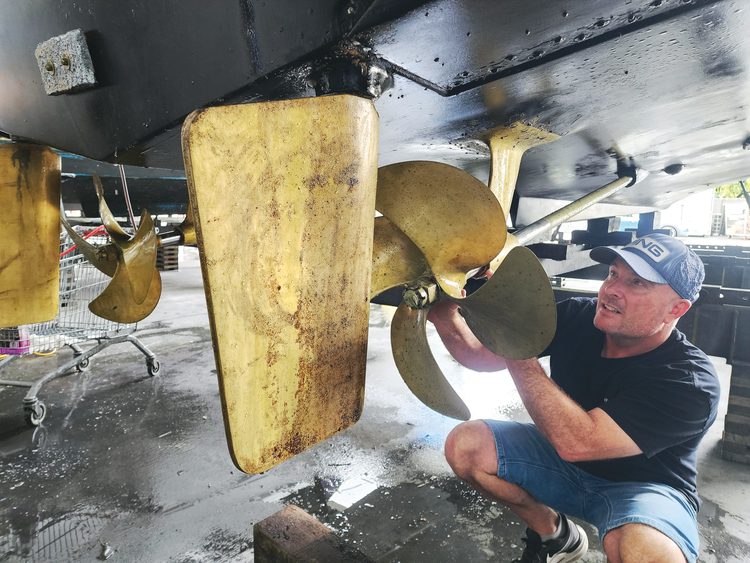
Marine surveying extends far beyond inspecting a hull and writing a report. It demands a detailed understanding of vessel construction, composite laminates, timber degradation, corrosion, propulsion systems, electrical installations, marine plumbing, safety equipment, applicable standards and the limitations of non-destructive inspection methods.
Just as importantly, a competent surveyor understands the limits of their own expertise and knows when specialist advice should be sought.
Good judgement cannot be taught over a weekend.
It is developed over years of practical experience, inspecting hundreds of vessels – in my case, thousands – observing recurring defects, understanding evolving construction methods, and continually expanding technical knowledge.
Every experienced surveyor was once a beginner.
The question is not whether new people should enter our profession. They absolutely should.
The real question is whether they should do so without recognised education, mentoring or industry standards.
Consumers understandably assume that the title ‘Marine Surveyor’ represents a recognised level of competence. But the pathway into recreational marine surveying in New Zealand remains largely unregulated. That places considerable responsibility on boat owners to determine the qualifications, experience and professional standing of the individual they engage.
At the time of writing, the International Institute of Marine Surveying (IIMS) directory lists only five practising New Zealand surveyors specialising in recreational small craft. That observation is not intended to diminish the abilities of non-members, nor does membership alone guarantee competence. However, it does demonstrate how few recreational marine surveyors in New Zealand have chosen to align themselves with an internationally recognised professional organisation committed to education, ethics and continuing professional development.

The real issue is not who belongs to which organisation. It is that the public has no simple way of distinguishing between a surveyor with decades of practical experience, recognised qualifications, ongoing professional development and professional accountability, and someone who has only recently established a surveying business. To the average boat owner, both simply carry the title ‘Marine Surveyor’.
You get what you pay for
One of the greatest challenges currently facing recreational marine surveying is the increasing pressure to compete on price alone.
A marine survey is not a commodity; it is a professional opinion founded on experience, technical knowledge and judgement. The public rarely sees what sits behind a professional survey fee. They do not see the years spent developing technical expertise. They do not see the ongoing investment in education and continuing professional development. They do not see professional indemnity insurance, institute memberships, specialist equipment, business compliance, report writing systems or the countless hours devoted to producing a thorough, defensible report.
Those costs are not overheads to be avoided. They are investments in protecting the client.
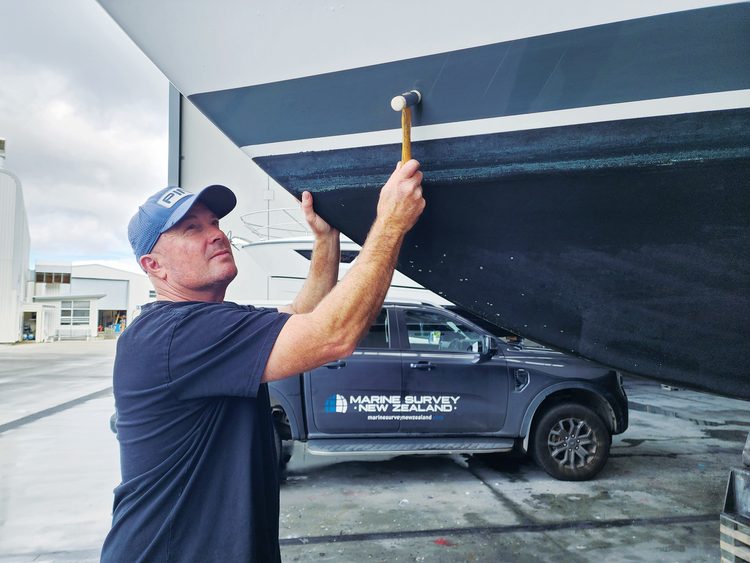
A comprehensive marine survey cannot be completed properly in half the time simply because it costs half as much. Thoroughness takes time. Experience takes years to acquire. Professional accountability carries genuine financial cost.
Healthy competition is good for every profession; competing solely on price is not.
When survey fees are driven up to unsustainable levels, something inevitably has to give. It may be inspection time. It may be the report quality. It may be continuing education. It may be professional insurance. The client rarely knows what has been sacrificed until a defect has been overlooked.
Boat owners should ask themselves a simple question: when purchasing what may be the second-largest investment of their lives, do they want the cheapest opinion, or the best-informed one?
A better path forward
Professional organisations such as the International Institute of Marine Surveying (IIMS) and the Australian Institute of Marine Surveyors (AIMS) promote education, ethical standards and continuing professional development. Membership alone does not guarantee competence, but it does demonstrate a commitment to professional accountability and lifelong learning.
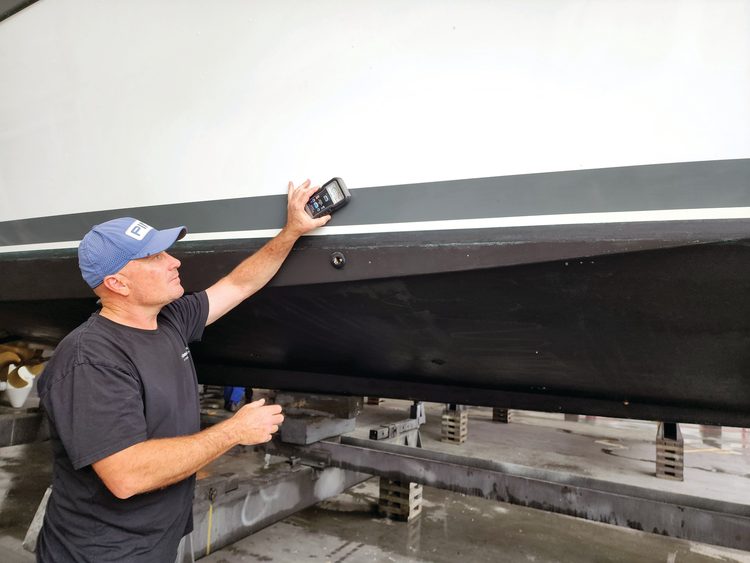
In my view, New Zealand should begin discussing a recognised pathway into recreational marine surveying.
That pathway should recognise substantial practical experience gained through boatbuilding, naval architecture, commercial marine engineering, vessel operations or other relevant marine disciplines. It should then be supported by formal surveying education, structured mentoring under experienced practitioners, continuing professional development and appropriate professional indemnity insurance.
As a starting point, I believe our profession should begin discussing:
- A recognised pathway into recreational marine surveying.
- A minimum period of supervised mentoring under an experienced surveyor.
- Completion of a recognised marine surveying qualification, such as the IIMS Professional Qualification, Maritime Training Academy (MTA) or an equivalent internationally recognized programme (New Zealand has no such course to promote).
- Mandatory continuing professional development to ensure technical knowledge remains current.
- Appropriate Professional Indemnity insurance.
- A published code of ethics and an independent complaints and disciplinary process.
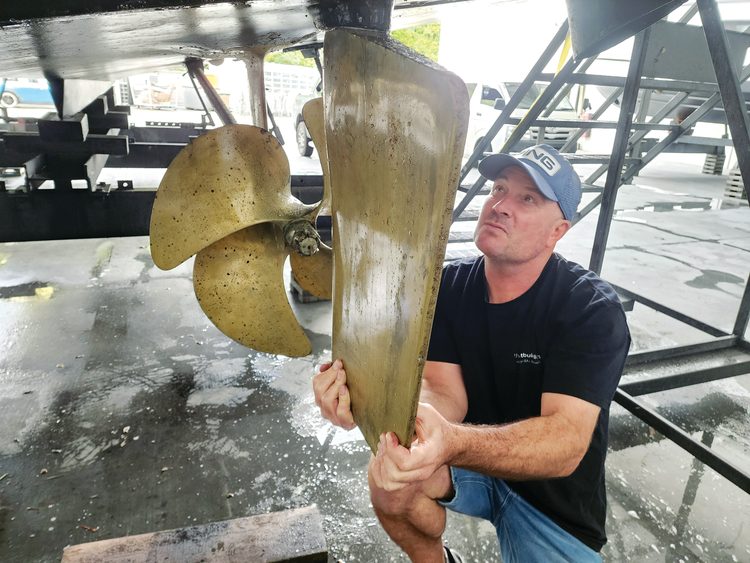
These are not barriers designed to keep people out of our profession. They are safeguards designed to protect the boating public and to strengthen confidence in marine surveying as a profession.
Our industry needs enthusiastic, though experienced new surveyors. It also needs is a recognised pathway that helps them become the best professionals they can be while giving consumers greater confidence in the advice they receive.
New Zealand has one of the finest recreational boating cultures in the world. It deserves a marine surveying profession held to equally high standards.
Perhaps the time has come for our industry to begin that conversation?