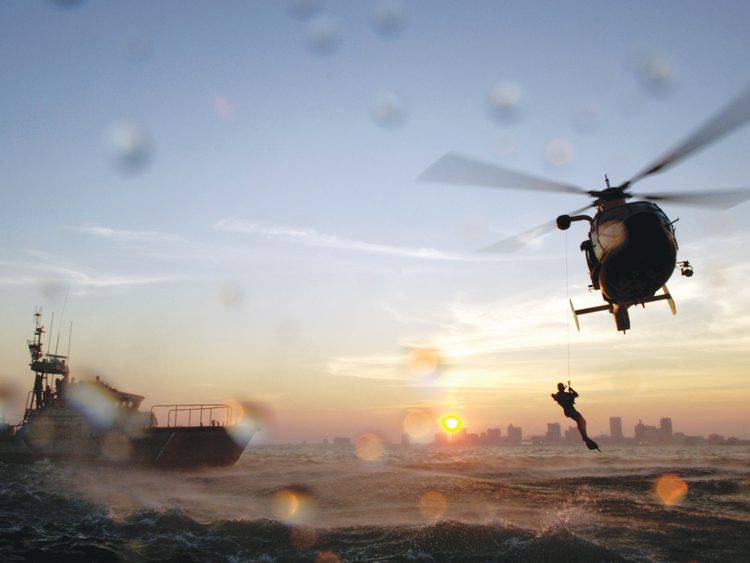
Improved safety standards across the maritime industry can only enhance the survival chances of the boating community, from professionals to recreational water enthusiasts across the world. This year, ACR Electronics is sharing its expertise with two key recommendations for boaters when equipping their vessels and life jackets to effectively increase their safety while boating this summer. By investing in the right safety technology for boats, captains can provide peace of mind to everyone onboard and back at home that they are prepared for an emergency out on the water.
“Too many boaters still head offshore with outdated or expired safety equipment,” said Mikele D’Arcangelo, VP of Global Marketing for ACR Electronics and Ocean Signal. “Today’s rescue beacons and electronic distress devices dramatically improve visibility, location accuracy, and rescue response times, giving boaters and their families greater peace of mind.”
Top ACR Electronics and Ocean Signal recommendations:
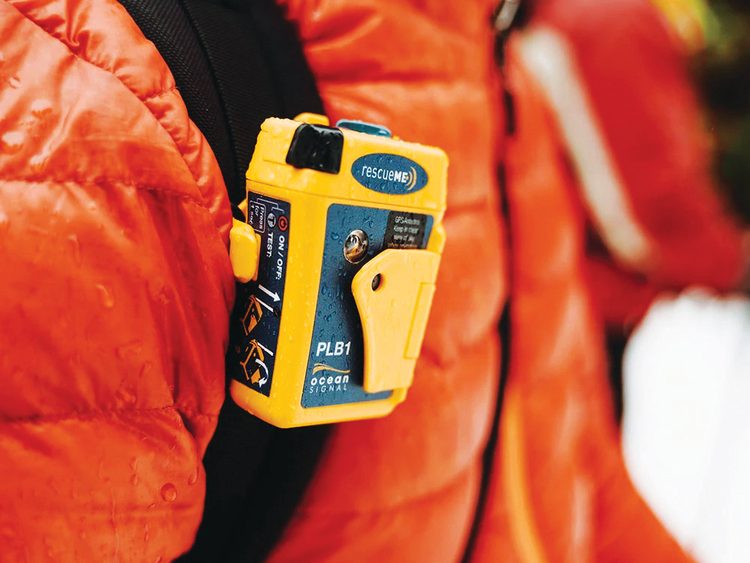
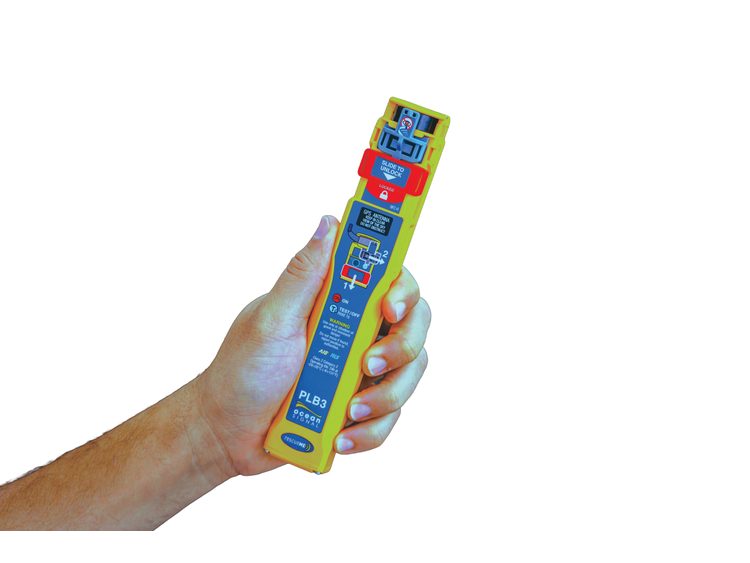
1. Carry an EPIRB and PLB Every boater should carry either a Personal Locator Beacon (PLB) or an EPIRB (Emergency Position-Indicating Radio Beacon) – ideally both, as multiple beacons activated at the same time during an emergency raises the criticality of the distress with Search and Rescue. Each boat should be equipped with either a float free or manual release EPIRB and lifejackets should have a PLB attached. These beacons use the Cospas-Sarsat International Satellite System and 406 MHz technology to tell Search and Rescue agencies like the Coast Guard who you are, where you are, and that you need help immediately. Beacon owners should always check the battery expiration date, make sure the registration is correct and up to date, self-test their beacon and become familiar with its operation, train crew and family on how and when to use an EPIRB or PLB, and store the EPIRB somewhere easily accessible in an emergency.
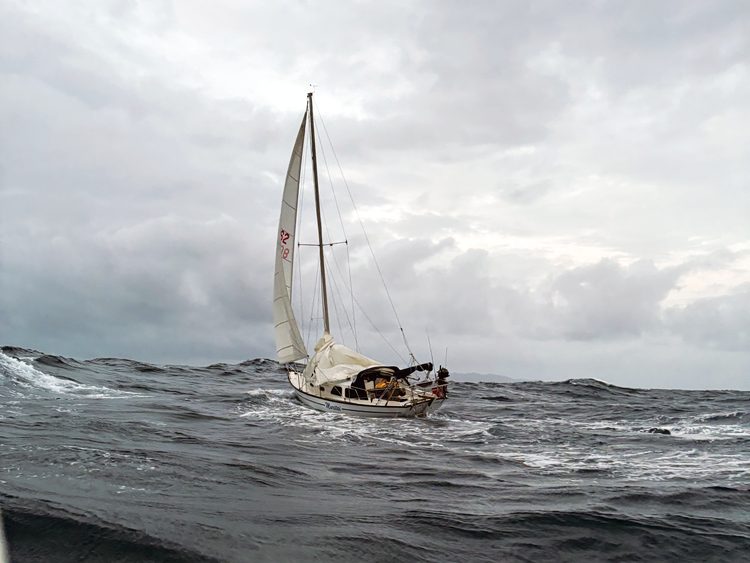
Today’s advanced beacons integrate the latest technology to further increase the chance of rescue, including:

AIS (Automatic Identification System) technology, enhancing vessel tracking precision, collision avoidance, and the likelihood of rescue from nearby vessels.
RLS (Return Link Service), providing the user with confirmation that the international satellite system has received their distress message and location.
NFC (Nearfield Communications), offering mobile connectivity for the first time, so that beacon owners can monitor their beacons, review self-test results, view GNSS test locations, and monitor beacon performance and maintenance.
2. Buy an electronic flare
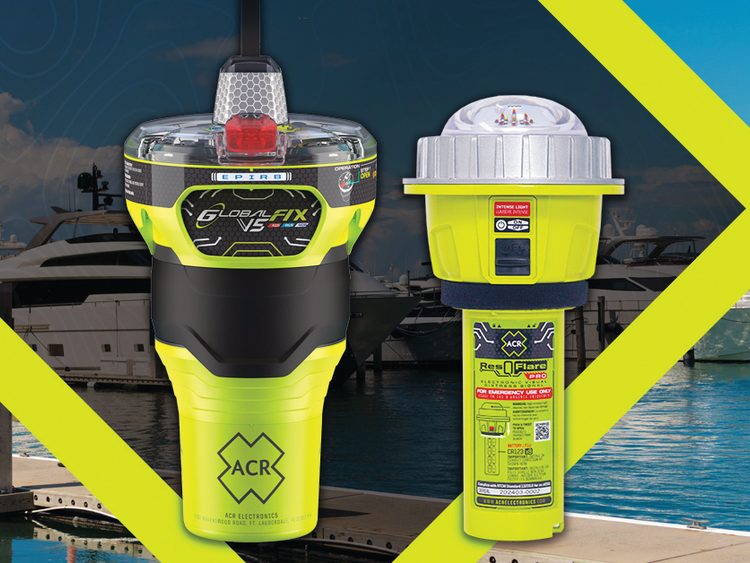
More boaters are choosing to make the switch to newer marine electronic flares, also known as eVDSDs, to make their boats safer. Compact, waterproof and rugged, eVDSDs are simple, safe, push-button devices which emit bright strobing LED patterns visible for miles. They can operate continuously for hours, sometimes over an entire night, and many incorporate infrared strobes detectable by night-vision equipment often carried or worn by search and rescue personnel. E-flares do not pose the threat of the dangerous flames accidentally puncturing a hole in inflatables life jackets or rafts, or even accidentally burning the user. An RTCM (Radio Commission for Maritime Services) performance standard for eVDSDs is already in place and approved electronic flares, with the accompanying Distress Flag, are now a legal replacement to pyrotechnic flares for recreational boats in the U.S. and Canada. Prepared to survive ACR Electronics urges boaters to spend some extra time checking all safety gear to ensure it has not expired, does not require a battery replacement, and that it is still in good condition. It is also a good time to plan and practice an on-the-water ditch plan with a key focus on making sure all safety gear is located in one easy-to-grab location. Lastly, it is recommended to ensure you have the right safety gear, firstly to help you avoid needing to be rescued at all, or if the worst happens, to pinpoint your location and broadcast it quickly for a faster rescue.