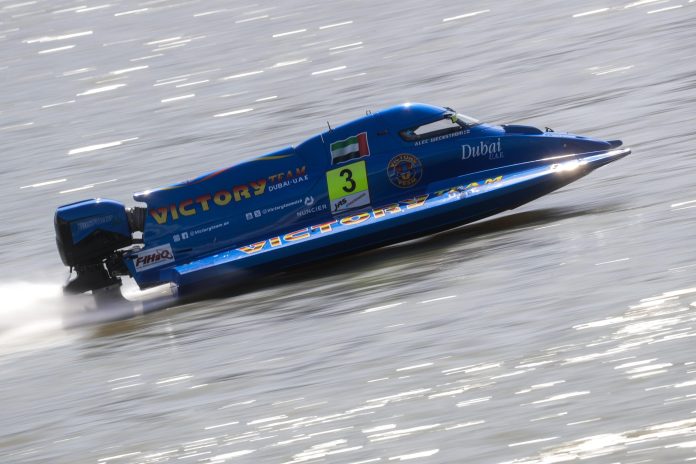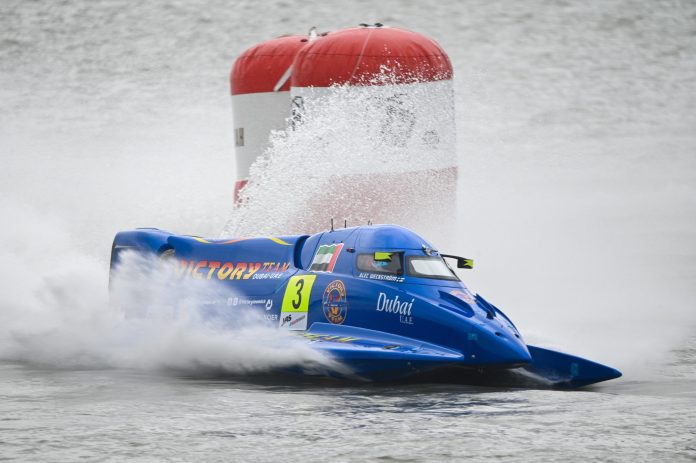
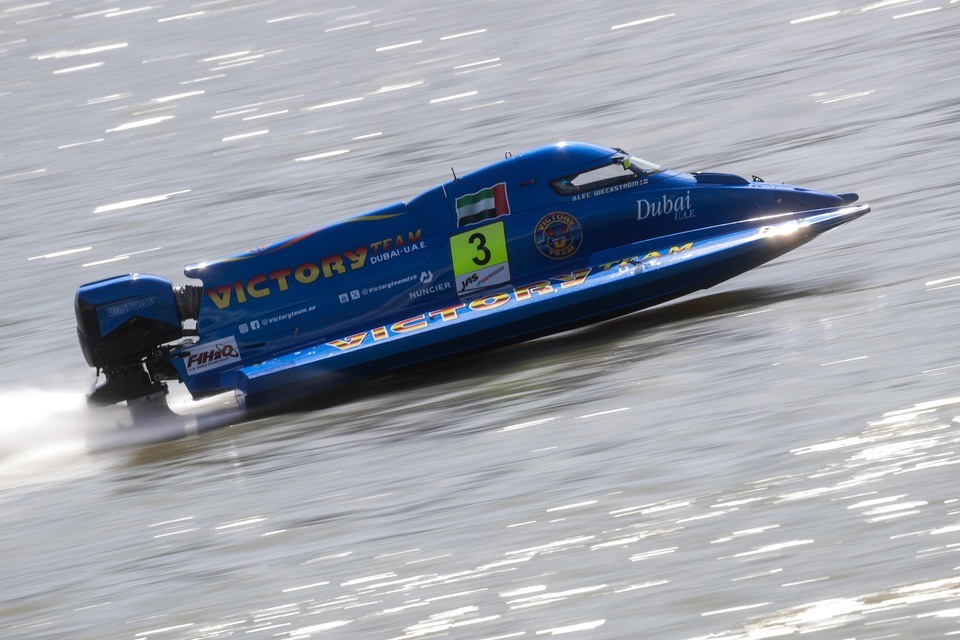
Two destinations separated by thousands of kilometres of water have found common ground in the sport that brings 220km/h hydroplanes to their shores each year.
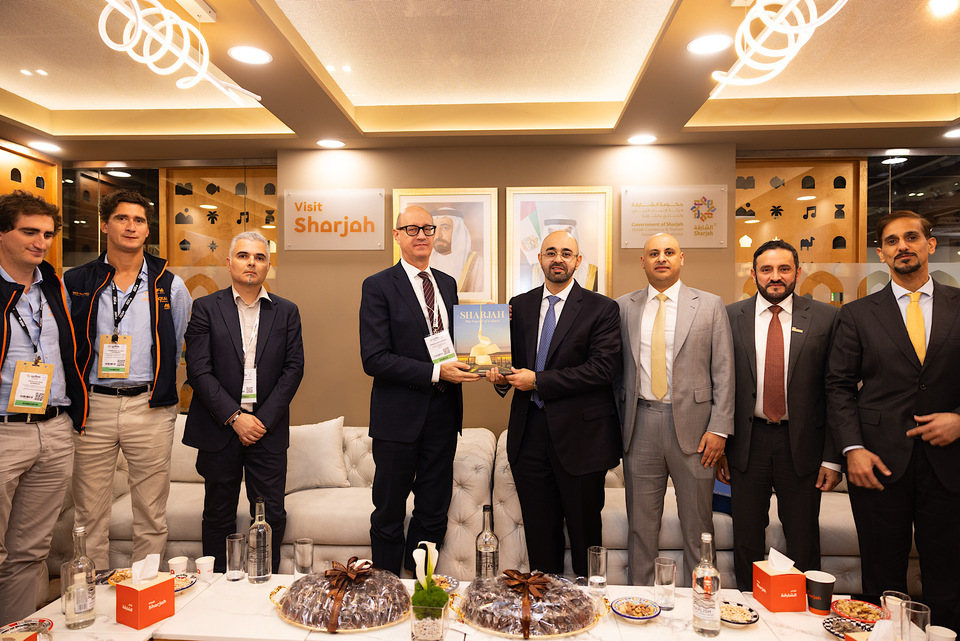
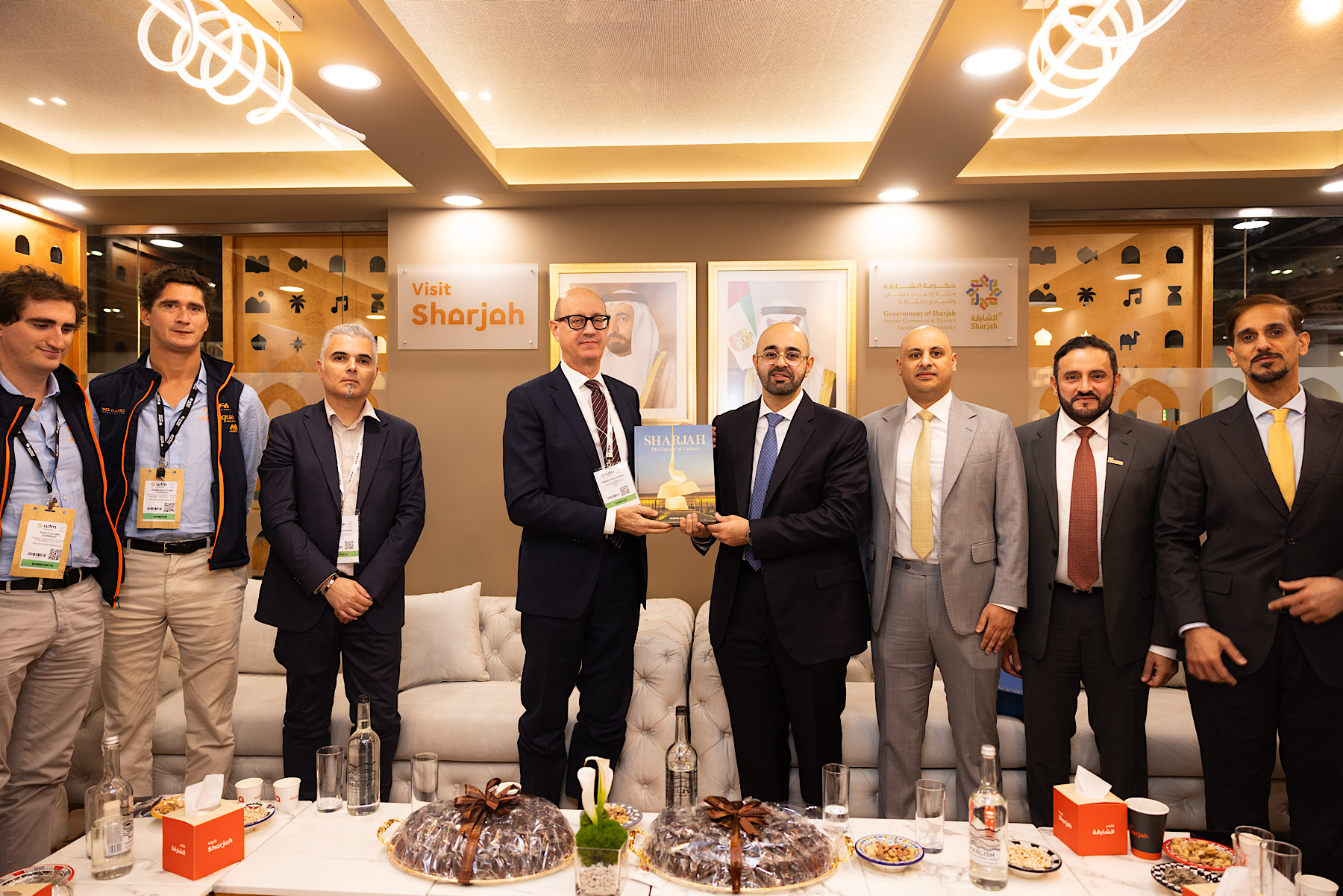
Sharjah’s tourism chief Khalid Al Midfa and Sardinia’s regional tourism councillor Franco Cuccureddu sat down together at the World Travel Market in London last week, with powerboat racing firmly on the agenda. The meeting, pulled together by H2O Racing, wasn’t about engine specs or race schedules. It was about what happens to a destination once the world’s fastest circuit boats roar through its waters and the cameras start rolling.
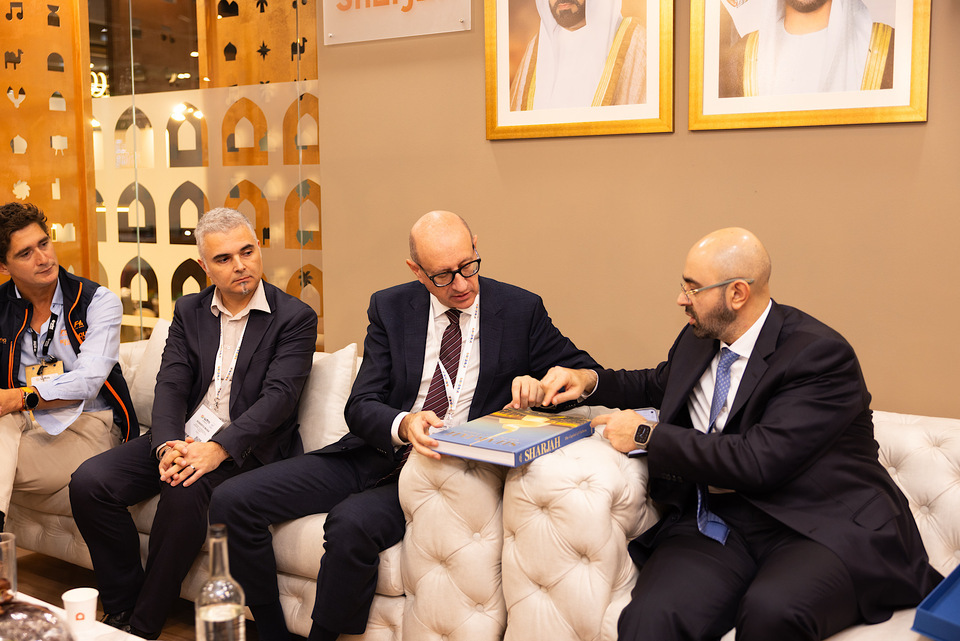
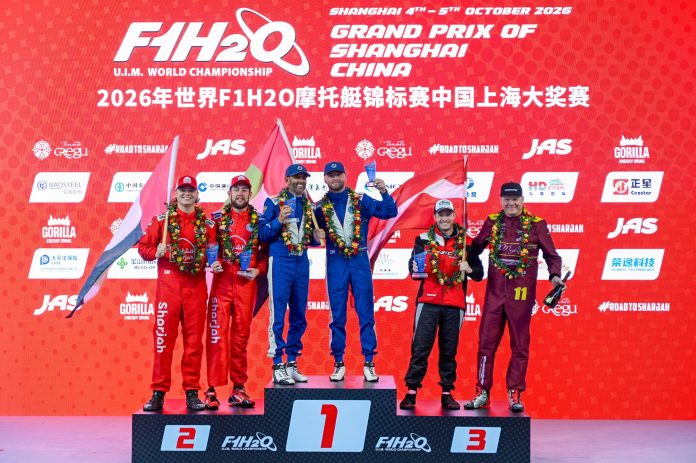
For followers of the UIM F1H2O World Championship, the pairing makes sense. Sardinia opened the 2026 season with the first Grand Prix of the year, while Sharjah will close it out in December as it always does. The Emirate marks its 25th F1H2O Grand Prix this year, a quarter-century of hosting the championship’s season finale. Sardinia’s relationship with the sport runs even deeper, stretching back to 1994, making it one of the longest-standing venues on the calendar.
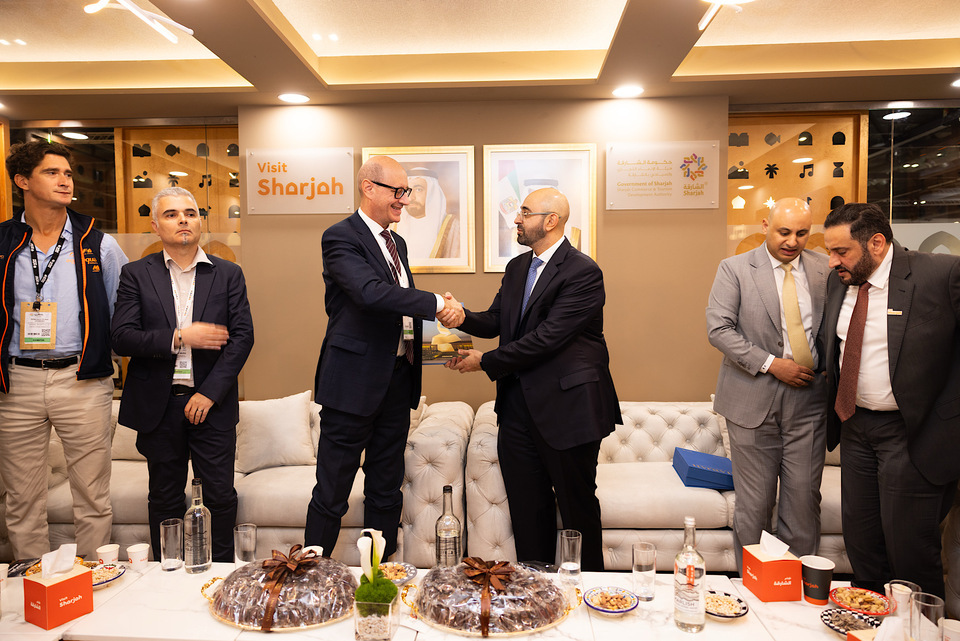
That shared history gave the London meeting real substance. Officials from the Government of Sharjah sat alongside local business representatives and the Sardinian regional administration to talk about where the relationship goes next, not just in racing terms, but in tourism, trade and the kind of soft diplomacy that major sporting events can quietly deliver.


Raimondo Di San Germano, CEO of H2O Racing, and his colleague Paolo Di San Germano, the organisation’s general manager, were both in the room. For them, the conversation reflects something they’ve watched play out at circuits worldwide: a Grand Prix weekend does more than fill grandstands. It puts a destination in front of a global audience, draws visitors who might never have considered the location otherwise, and leaves behind commercial relationships that outlast the race itself.
Sharjah and Sardinia arrive at that idea from different directions but land in roughly the same place. One is a Gulf emirate building its international profile through sport and events; the other is a Mediterranean island with decades of racing heritage already baked into its coastline. Both now see the F1H2O championship as more than a fixture on the calendar. It’s a connector, something that links two very different tourism markets through a shared passion for speed on water.
Kiwi fans who’ve followed F1H2O’s global reach will recognise the pattern. Circuit powerboat racing has always punched above its weight as a tourism draw, pulling spectators to waterfronts and harbours that might otherwise sit quietly outside race season. Sharjah’s creek circuit and Sardinia’s coastal waters are proof of that, each drawing crowds and media attention well beyond what their size alone would suggest.
Nothing concrete emerged from the London meeting in terms of signed deals or formal partnerships. What came out of it instead was an acknowledgment, from both sides, that sport can do heavy lifting for tourism that advertising budgets alone can’t match. With Sardinia’s season-opener and Sharjah’s season-ending Grand Prix now bookending the F1H2O calendar, the two destinations have effectively agreed to keep talking about how far that idea can stretch.