Twelve 3D-printed concrete habitat modules installed at Westhaven Marina have retained their structural integrity and supported extensive marine life within their first year in the water, according to Auckland Council findings published on 2 November 2026.
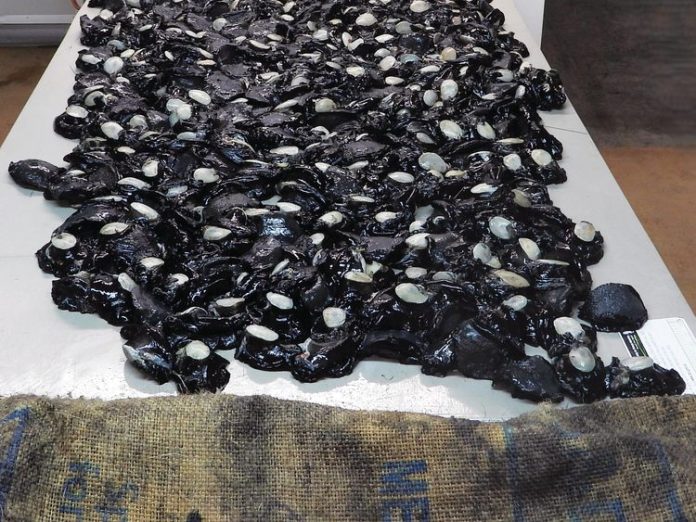
A project team survey conducted in August found all modules intact despite exposure to severe weather and heavy wave action. The modules, described in earlier council reporting as combining seabed mud with concrete, feature rough surfaces, crevices and swim-through spaces inspired by the forms of local limpets (ngākihi) and barnacles (werewere).
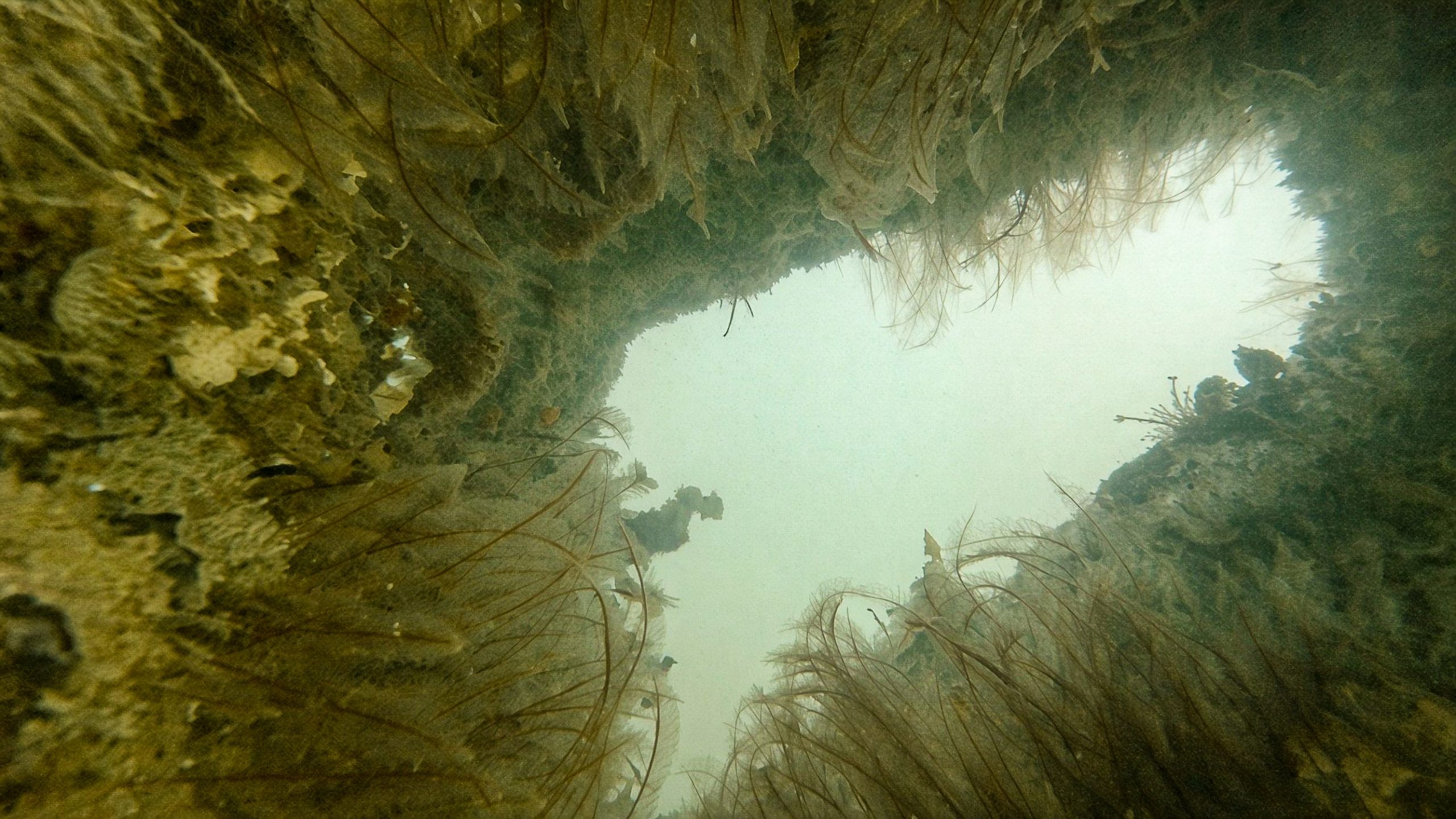
Surveyors recorded colonisation by seaweeds, oysters, barnacles, sponges, crabs and cushion stars. The council reports that this growth established faster than typically observed on conventional seawalls, though the announcement does not provide comparative data or detailed methodology.
The trial represents a collaboration between council, Westhaven Marina, mana whenua and a project team comprising Tātaki Ltd marine ecologist Dr Jarrod Walker, landscape architects Landlab, engineers Beca and Hamilton-based concrete printing company Qorox.

The habitat modules form part of a broader seawall upgrade addressing coastal flooding risk. Council notes that monitoring continues, with findings intended to inform future waterfront developments including the Te Ara Tukutuku project at Wynyard Point.
Learn more: https://ourauckland.aucklandcouncil.govt.nz/news/2026/11/living-seawalls/