A late 2024 report from IEA Bioenergy suggests the New Zealand government is once again considering implementing a sustainable biofuels mandate, aiming for net zero emissions by 2050. Given the country’s commitments under the Paris Accord, this shouldn’t come as a surprise.
For those of us more interested in boating than chemistry, biofuels are derived from renewable sources like plants, algae, or animal fats. The one that affects boaters most is biodiesel, a cleaner-burning alternative to petroleum-based diesel. Biodiesel is made through a process called transesterification, where vegetable oils, used cooking grease, or animal fats react with alcohol (methanol or ethanol) to create fatty acid esters.

So, what does this mean for us out on the water?

Some boaters avoid biofuel altogether, and for good reason. If it’s produced using methanol, it can clog filters with soap residue—a common contaminant in biodiesel. Most skippers don’t realise there’s an issue until their engine suddenly dies. In a marina, that’s an annoyance. Offshore, it can mean calling the Coastguard for a tow. Since biofuels are set to be mandated, avoiding them entirely may not be an option.
Biofuels made with ethanol pose a different set of problems. Ethanol is a powerful solvent that can degrade fibreglass fuel tanks, fuel filters, and carburetors. The outcome? Your engine cuts out—same as before, just for different reasons.

If you, like me, own a classic yacht with an ageing engine (mine’s from 1989), you’ll need to keep a close eye on fuel system compatibility, storage, and potential wear and tear. Here’s what to watch for, depending on the biofuel blend:

- Corrosion of plastics, rubber, and fibreglass, leading to leaks and potential damage.
- Deposits, clogging, and corrosion that could leave you dead in the water.
- Water contamination in the fuel tank, which can make biofuels useless.
- Compatibility of fuel hoses and seals—these must meet biofuel standards.
- Microbial growth in fuel tanks and filtration systems, which needs to be monitored.
- Oxidation over time—biofuel degrades faster than traditional diesel.
A few practical steps can help. Using fuel stabilisers and antioxidants can mitigate some of the risks, as can keeping your fuel tank topped up to reduce condensation (though that’s not always practical for everyone).
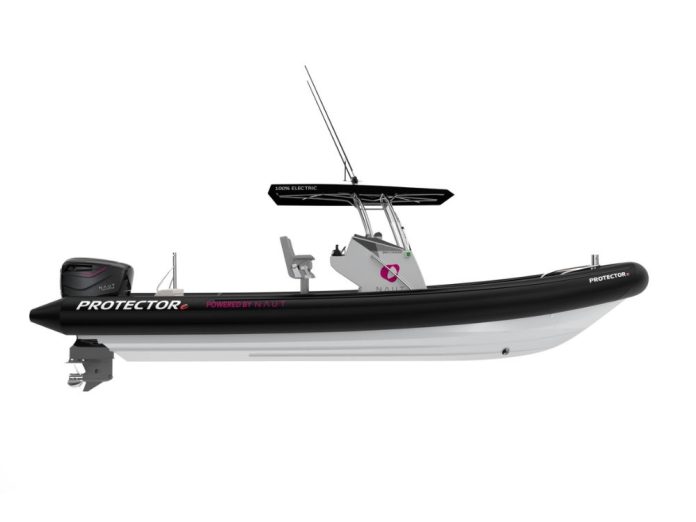
Looking at the bigger picture, the marine industry is already shifting towards alternative propulsion methods. Electric motors are gaining traction, and foiling technology is improving efficiency. While biofuels might be a short-term fix, the long-term future of boating likely lies elsewhere.
Outboard manufacturers have mixed views on biofuels:
- Mercury Marine approves fuels with up to 10% ethanol but warns that higher concentrations can void warranties.
- Suzuki, Honda, and Yamaha incorporate lean-burn technology in their outboards, improving efficiency and allowing for low-level biofuel blends.
Given the uncertainty and potential risks, boaters should:
- Check with manufacturers – Ensure your engine can handle biofuels before making the switch.
- Stay informed – Keep up with regulatory changes and industry updates to avoid nasty surprises.
While biofuels may be part of the push for lower emissions, their impact on marine engines means boaters must be extra vigilant. Understanding how they affect your boat and taking preventative steps will help ensure you spend more time enjoying the water—and less time waiting for a tow.