HomeMarine and EcologyEnvironmentSouthland's waters warming faster than most

Southland’s waters warming faster than most

Written by

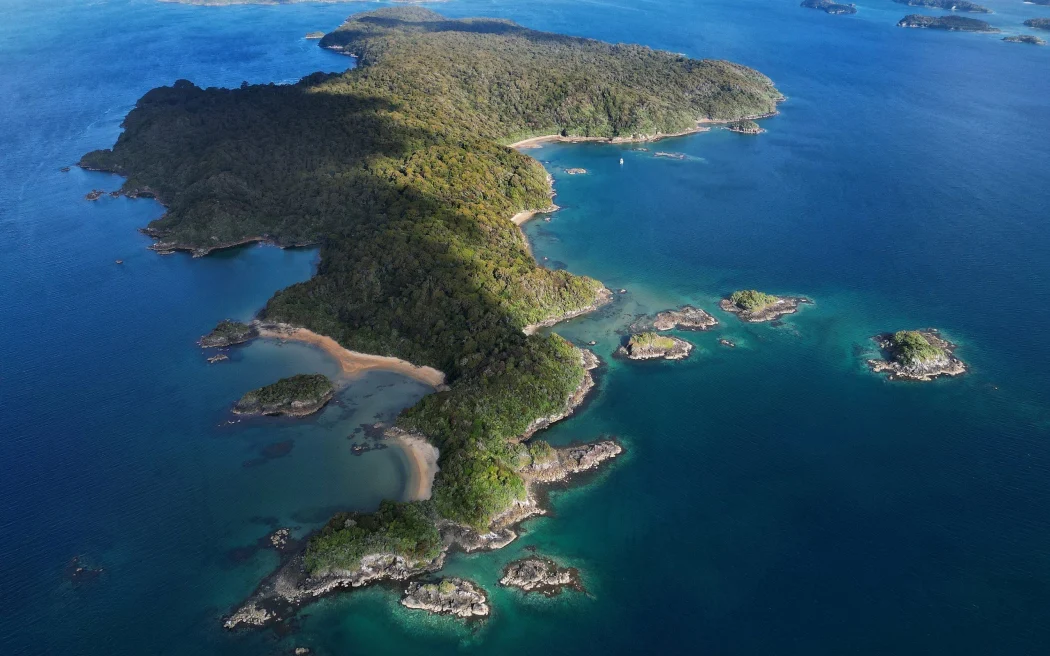
Waters are warming in Murihiku Southland at higher rates than elsewhere, with implications for fisheries and habitats.

Details of the issue have been captured in a November report from acting Environment Southland chief executive Rob Phillips, who referenced the recent state of the environment report.

Phillips said sea surface temperatures were increasing about 34 percent faster in New Zealand than the global average.

Outside of Fiordland, Southland was experiencing some of the fastest warming, with a 0.4 degree average increase over the past decade, he said.

- Advertisement, article continues below -
Fin Chaser
Market Leaders in
Aluminium Amphibious Fishing Boats
Stability · Dryness
Fishability · Safety
Hamilton Built.
New Zealand Tough.
560CA · 600CA · 700CCA
700HTA & more
385T · 430T · 465CC · 535CC · 560C · 600HT · 700CC
Visit us online
finchaser.co.nz
View Models

“While it may mean that the region can enjoy some warmer swimming temperatures, continued increases will have detrimental effects on a wide range of our coastal ecosystems, including valued fisheries and habitats.”

Council general manager of science Karen Wilson provided further details, saying the ocean acted like a heat sponge, absorbing excess heat from the atmosphere and preventing dramatic rises in air and land temperatures.

Warming waters fueled extreme weather events and drove sea level rise, she said.

“Rising temperatures can also disrupt ocean chemistry and nutrient cycles, altering major currents and threatening marine ecosystems.”

- Advertisement, article continues below -

That could lead to coral bleaching, potential food security issues, and habitat changes for marine mammals, Wilson said.

Ocean temperatures fluctuated naturally due to El Niño and La Niña cycles, changes in ocean currents, and long-term climate patterns, she said.

“These natural influences combine with broader climate changes and drive the warming we are observing today.”

The 0.4 degree increase in average temperature also applied to the east coast of the South Island.

LDR is local body journalism co-funded by RNZ and NZ On Air.


Originally published by RNZ, the author was Matthew Rosenberg, Local Democracy Reporter

Share this
Environment

Residents in favour of charging for Cathedral Cove access, survey reveals

A local poll suggests residents of a Coromandel town are in favour of charging o...
Read more
Environment

Toxic algae warnings issued for Hutt and Wairarapa rivers

Toxic algae warnings have been issued for Hutt and Wairarapa rivers.v
Read more
Environment

Faulty alarm and surge protection led to Mahurangi River wastewater spill, reviews find

* This story has been udpated to clarify the total cubic metres of sewage that f...
Read more

Comments

This conversation is moderated by Boating New Zealand. Subscribe to view comments and join the conversation. Choose your plan →

This conversation is moderated by Boating New Zealand.

LEAVE A REPLY

Please enter your comment!
Please enter your name here

RNZ
RNZhttp://rnz.co.nz
Boating NZ are proud to augment our news gathering with that of our partners. We work with RNZ to deliver additional news, current events, and local reporting. RNZ (Radio New Zealand) is New Zealand's independent public service multimedia organisation and is a Crown entity established under the Radio New Zealand Act 1995. RNZ has a specific role under the Civil Defence Emergency Management Act as the designated Lifeline Utility radio broadcaster in the event of a Civil Defence emergency. RNZ provides audiences with trusted and independent news and current affairs, a range of diverse programmes, podcasts and series both on-air and online in accordance with the Radio New Zealand Charter.

Recent articles