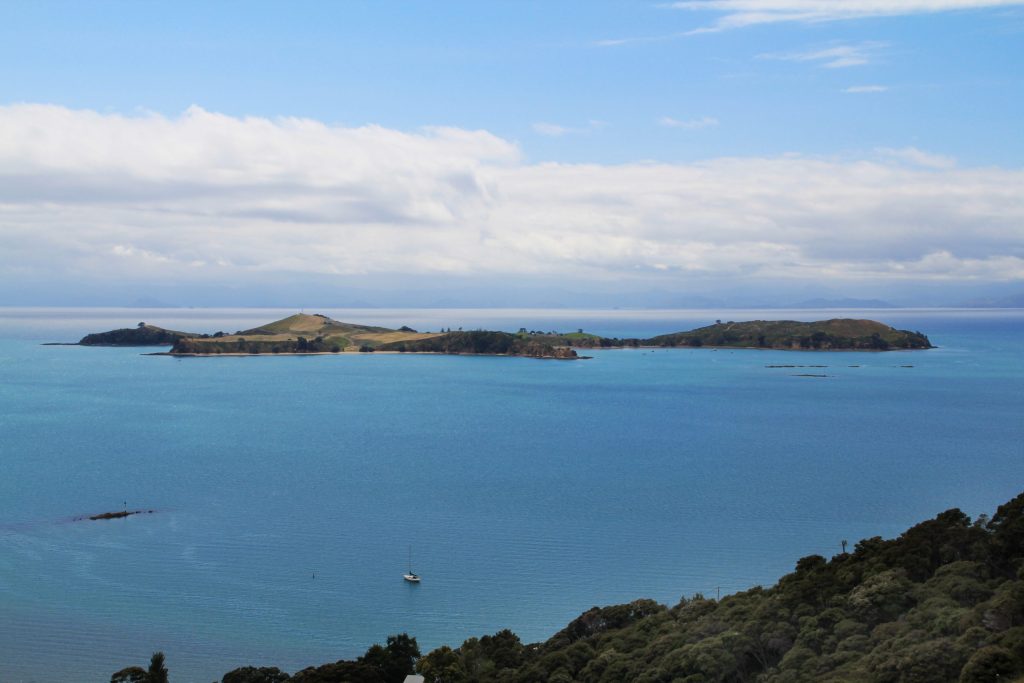
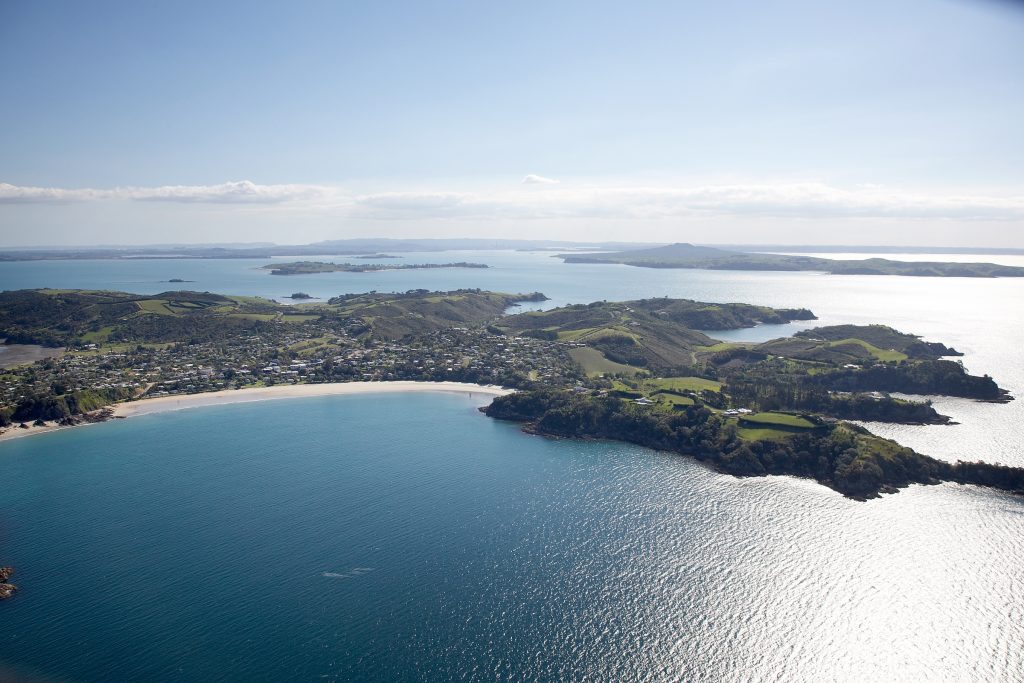
I’m certain most Aucklanders will agree with me when I say that the Hauraki Gulf is a marine coastal treasure.
It covers a significant part of the Auckland region, including the Hauraki Plains and Great Barrier Island, down to the Coromandel Peninsula, and is worthy of being protected for future generations.
One of my top priorities as Mayor of Auckland is to make the most of our fantastic environment and harbours. Safeguarding the marine environment across the Hauraki Gulf for future generations is vital to this vision.
That’s why there are currently some protections in place, including Controlled Areas Notices (CANs) for exotic caulerpa seaweed and the Hauraki Gulf/Tipaka Moana Marine Protection Act.
Yes – this does mean restricting some access, but for the important goal of stopping the spread of caulerpa and protecting our marine environment.
Stop the spread
Exotic caulerpa is the name for two species of fast-spreading seaweeds that can grow rapidly, smothering our seabeds. It can also affect fishing, boating, and cultural activities, making it a serious concern for everyone who enjoys the ocean.
We need to stop it from spreading to new locations.
Boaties can help stop the spread by ensuring our boats and gear are free of seaweed before moving to a new location. It’s also important to be aware and follow the legal rules in areas affected by Caulerpa.




Report any sightings of exotic caulerpa – take a photo, record the location, and call the exotic pest and disease hotline on 0800 80 99 66 to report you’ve seen it.
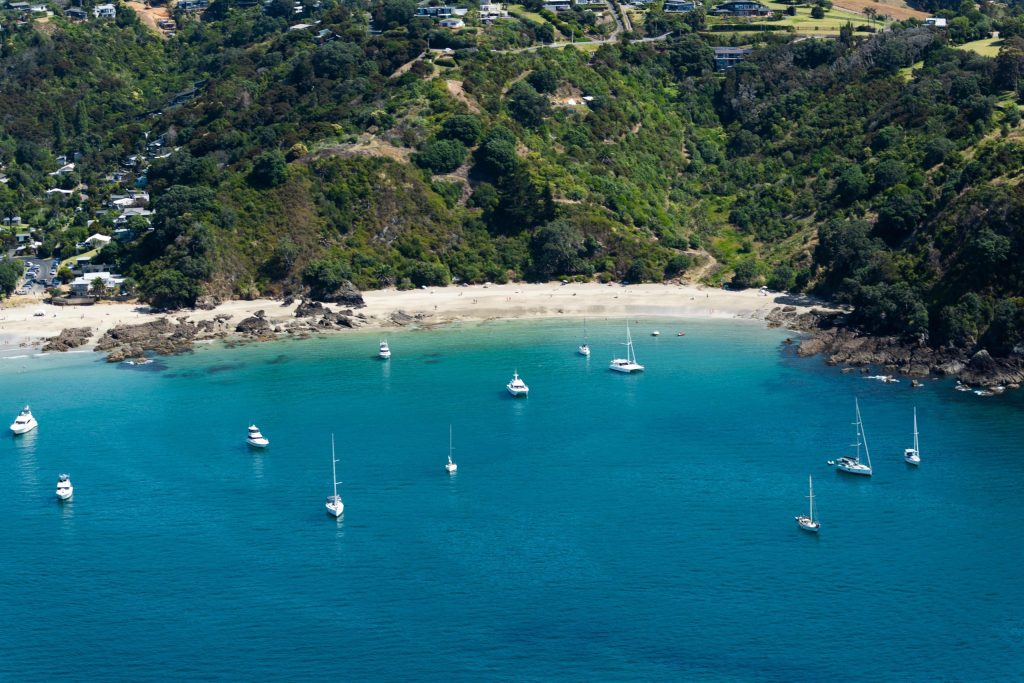
We know that exotic caulerpa weed spreads over long distances on vessels and equipment, so it’s important that you know where you can go. It’s been found around the Hauraki Gulf in popular anchorage locations, and you may need to avoid seafloor disturbance or clean anchors and equipment before you move.
For the latest updates and affected areas, visit Biosecurity New Zealand’s website.
Protect our Gulf
The Hauraki Gulf is worth protecting – that’s why I supported the intent of the Hauraki Gulf/Tipaka Moana Marine Protection Act, recently passed by Parliament.
The Act increased the areas of high protection in the Hauraki Gulf, from just 0.3 per cent to approximately 6 per cent. It’s a significant step in the right direction for achieving biodiversity outcomes.
Now, around 15 per cent of the Gulf is protected. Recreational fishers still have access to 85 per cent of it and are allowed in areas where commercial fishing isn’t.
It’s extending two existing marine reserves, establishing five seafloor protection areas to better protect the seabed and restricting most commercial and recreational fishing with the establishment of 12 High Protection Areas.
These High Protection Areas will allow for biodiversity to flourish. It will be an important tool, alongside the Resource Management Act, that helps regulate land-based effects like sediment management.

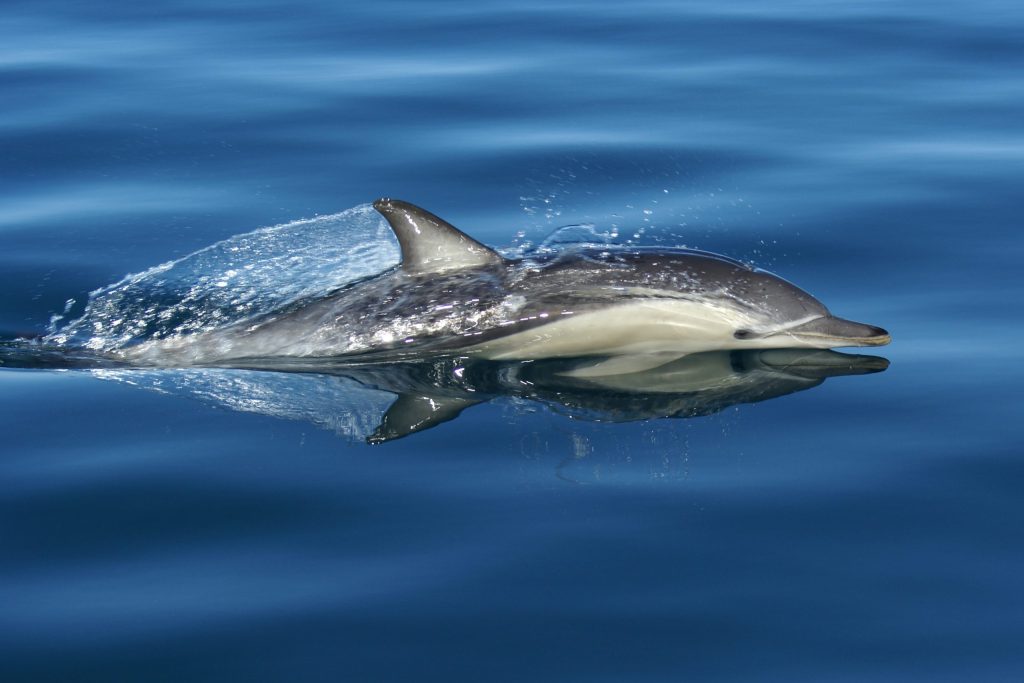
The Hauraki Gulf/Tipaka Moana Marine Protection and the caulerpa measures are in place to protect the Hauraki Gulf, and those who spend time in the Gulf know how special it. If we want to keep being able to enjoy it, some restrictions are necessary.
And the end of the day, it’s about ensuring we can continue to enjoy our environment and waters, both fishing and harvesting of kai moana as well as having a healthier ecosystem – and to have a Hauraki Gulf that can be enjoyed for generations to come.
Thanks to Auckland Mayor Wayne Brown for writing this opinion article, contributing to our Summer series looking at waterways, and how we use them – across New Zealand.