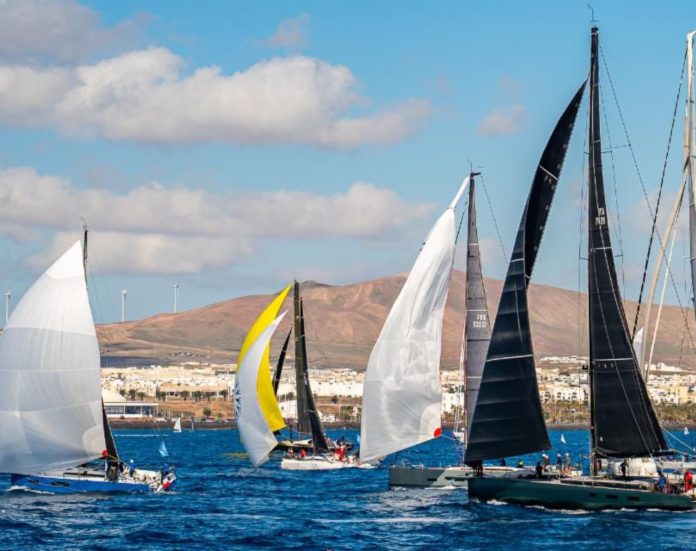
The fleet in the RORC Transatlantic Race is now fully committed to the westbound leg, with all boats clear of the Canary Islands and settled into their chosen Atlantic lanes.
Early compression along the African coast gave way to decisive moves offshore as crews looked to lock into stable pressure. By the third day, the race stopped being about positioning for the exit and became about holding speed for the long run to Antigua.
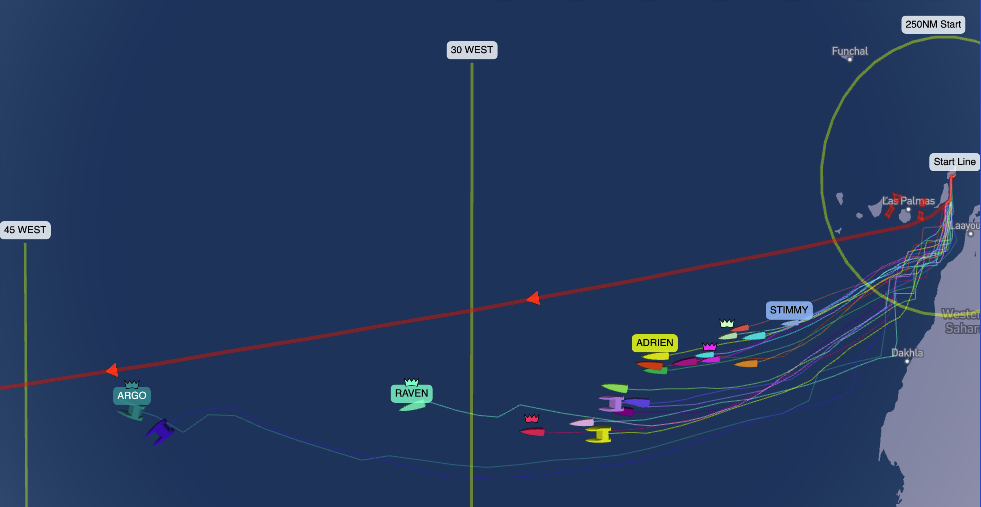
The transition has been clean. Once clear of land effects, boats have been able to settle into sustained downwind modes without constant sail changes or route corrections.

Multihulls set the pace
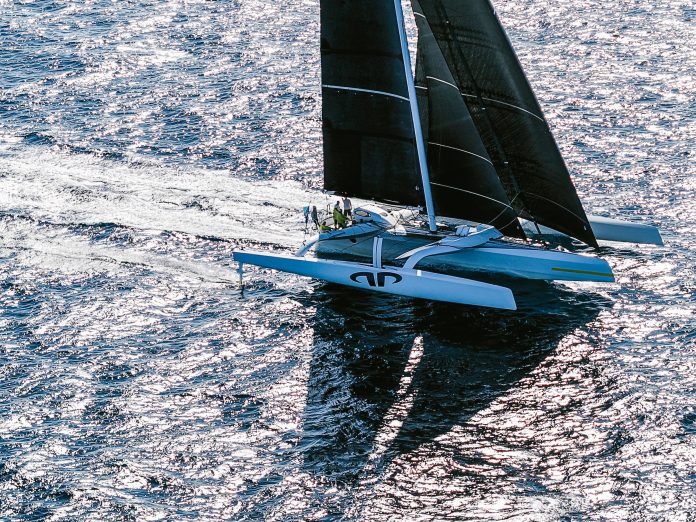
At the front of the fleet, the MOD70 trimarans have established a clear speed gap. Argo and Zoulou continue to trade the lead, regularly posting boat speeds in the high twenties and higher when conditions line up.
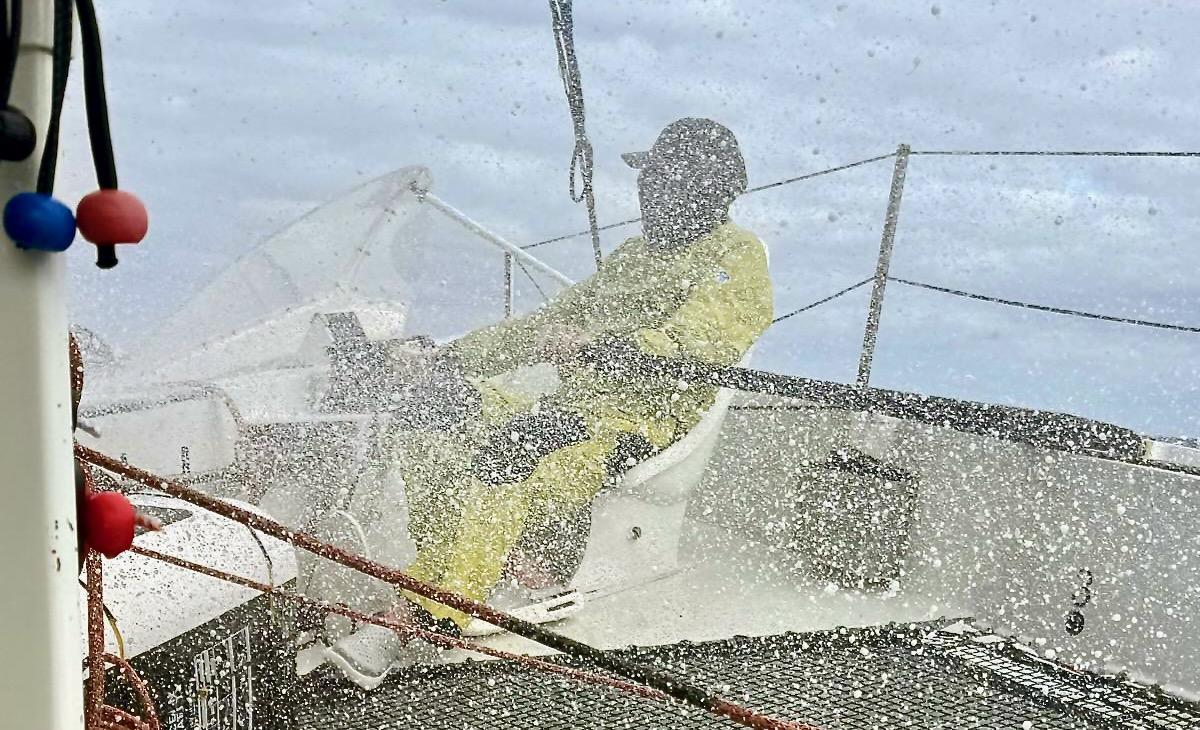
The sailing has been wet and physical, but consistent. With fewer disruptions from squalls or unstable gradients, crews have been able to push without backing off to protect gear or crew.
Monohulls settle into race mode
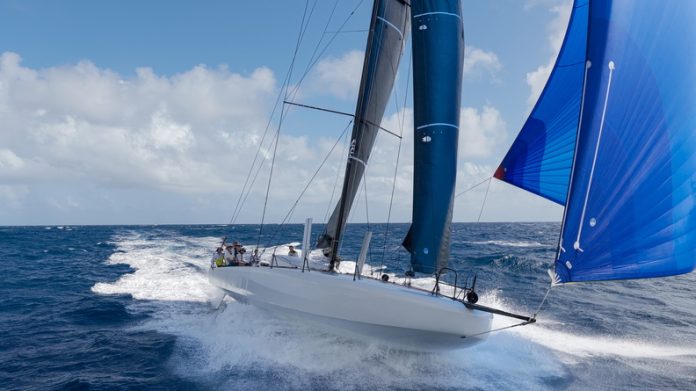
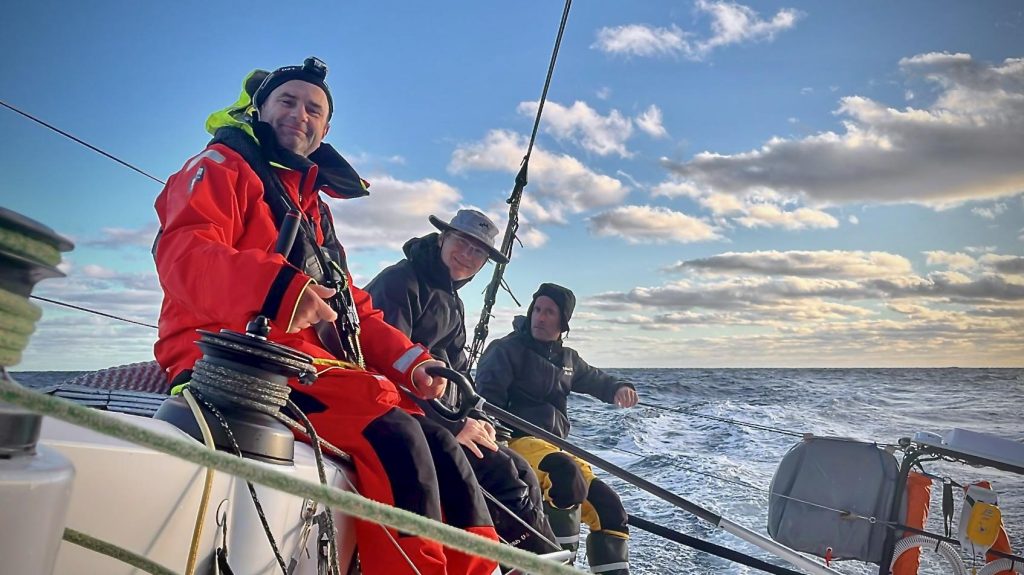
Among the monohulls, Raven has emerged as the reference boat for outright pace. A 550-nautical-mile day underlines both the speed potential and the confidence onboard.
Rather than chasing raw distance alone, Raven has favoured a slightly higher mode, trading a fraction of angle for control and foil efficiency. The approach has kept loads manageable while maintaining pressure on the fleet.



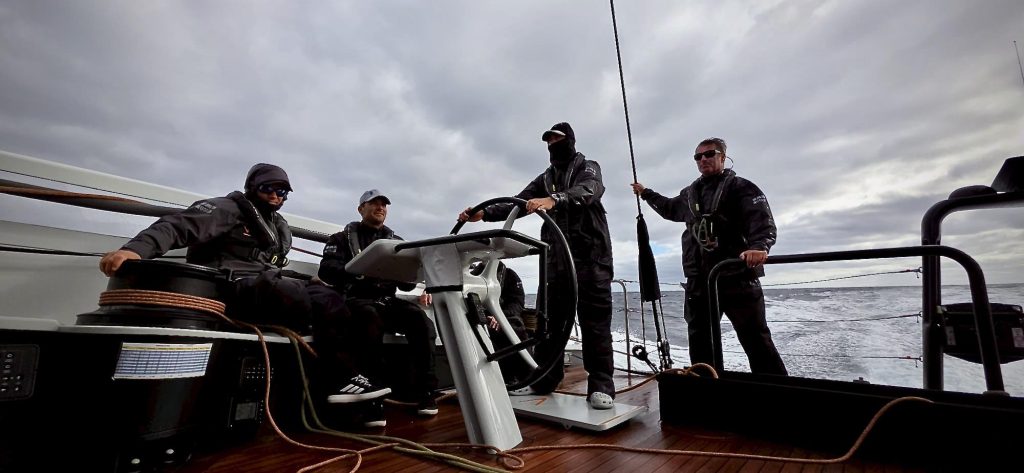
On corrected time, Palanad 4 remains firmly in the frame. The boat has sailed a conservative but effective race so far, avoiding mistakes and staying close to target numbers under IRC.
Weather opens the Atlantic
The weather pattern has played into the fleet’s hands. A developing low near the Bay of Biscay has compressed the Azores High, opening earlier westward options than is typical for this stage of the race.
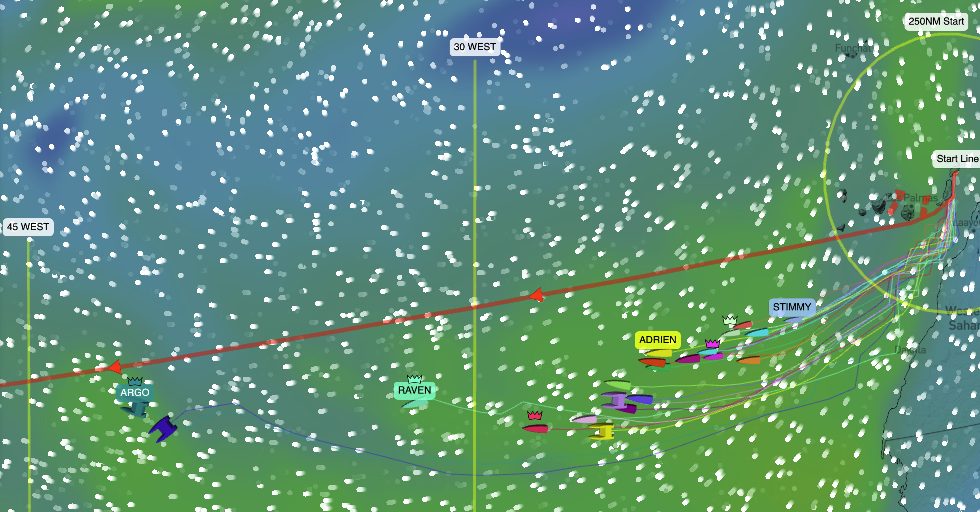
That shift has reduced the usual wind shadow south of the Canaries and allowed boats to fan out earlier. As a result, the fleet is now stretched north to south, with routing decisions driven more by forecast pressure bands than by proximity to competitors.
Rhythm replaces tactics
With the early decisions made, the race has entered its defining phase. Watches are settled, systems are holding, and the Atlantic is now doing what it does best.
From here, the outcome will be shaped by consistency rather than bold moves. Boats that keep speed on through the night, manage fatigue, and avoid small errors will be the ones still in contention as the miles tick down toward the Caribbean.