For visitors walking the docks, the key to understanding the fleet is simple. Look at the hull, look at the rig, and ask what the boat was designed to achieve.
The classic yacht classes
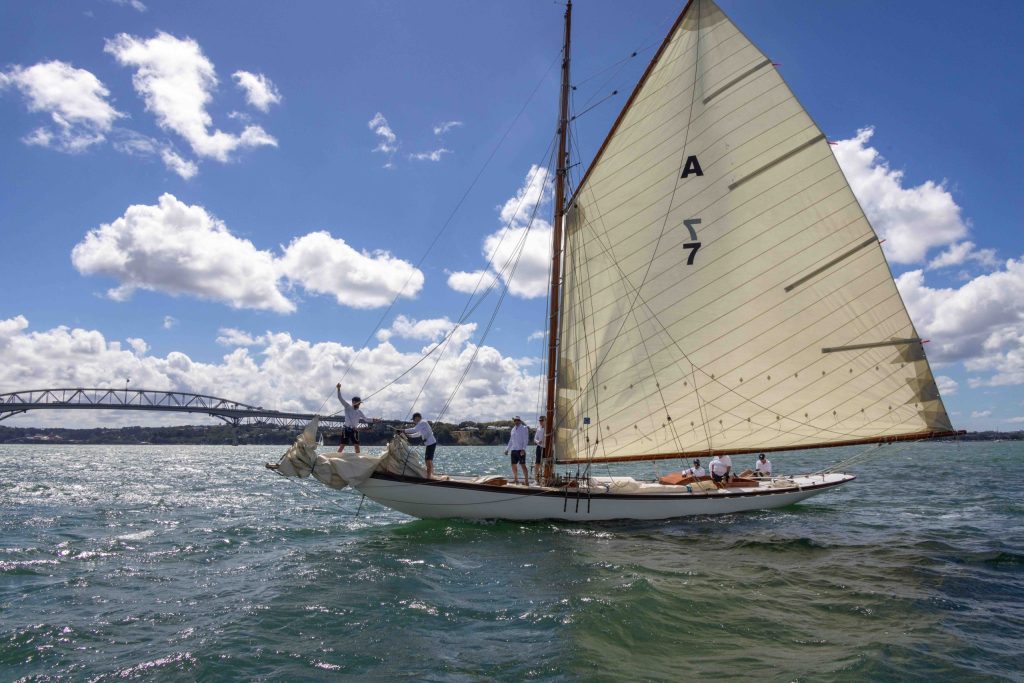
The A Class yachts are the grandees of the traditional racing scene. These are large, pre-1950 designs built in timber using established boatbuilding methods. Long waterlines, deep ballast, and powerful rigs define them. Boats such as Ariki, Waitangi, Ida and Thelma represent an era when harbour racing was serious business. Many carry gaff rigs, with four-sided mainsails that demand skilled crew work.
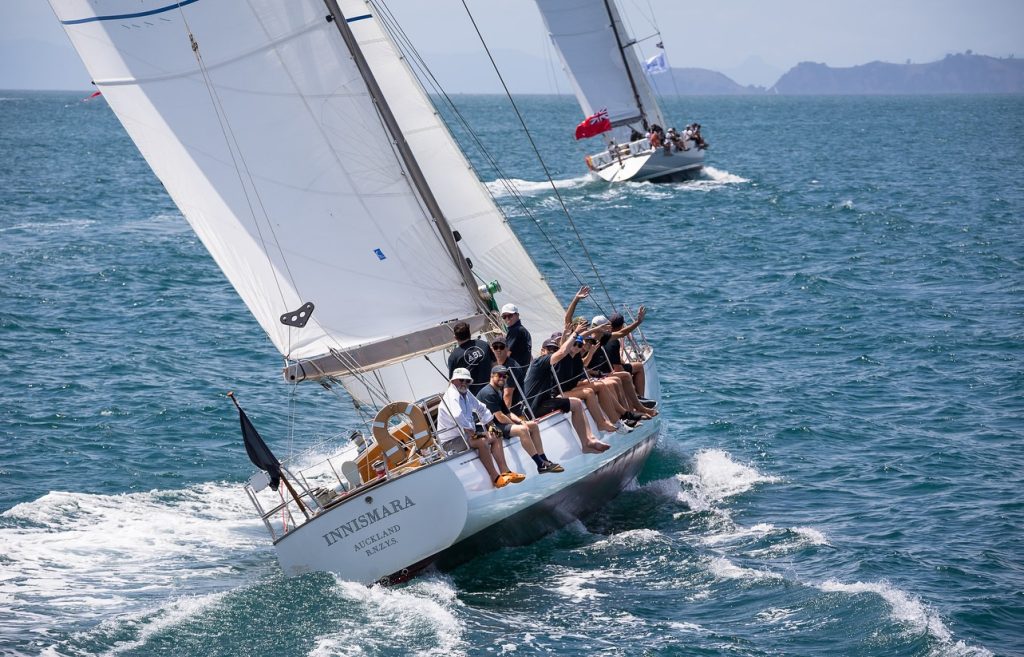
The B Class yachts follow the same classic construction standards but are generally smaller or differently rated for racing. Tucana, Kotuku, Aramoana and Teal show how designers balanced speed and practicality. These boats often raced hard at club level and still carry lean, purposeful lines.
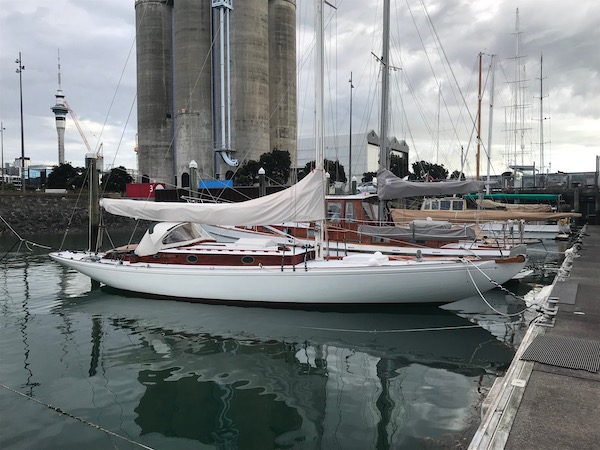
The F Class sits between the big fleet and the day sailors. These yachts were built for competitive local racing, often in kauri, frequently by owners in sheds and backyards. Turakina is a fine example of that honest, long-and-lean racing tradition.
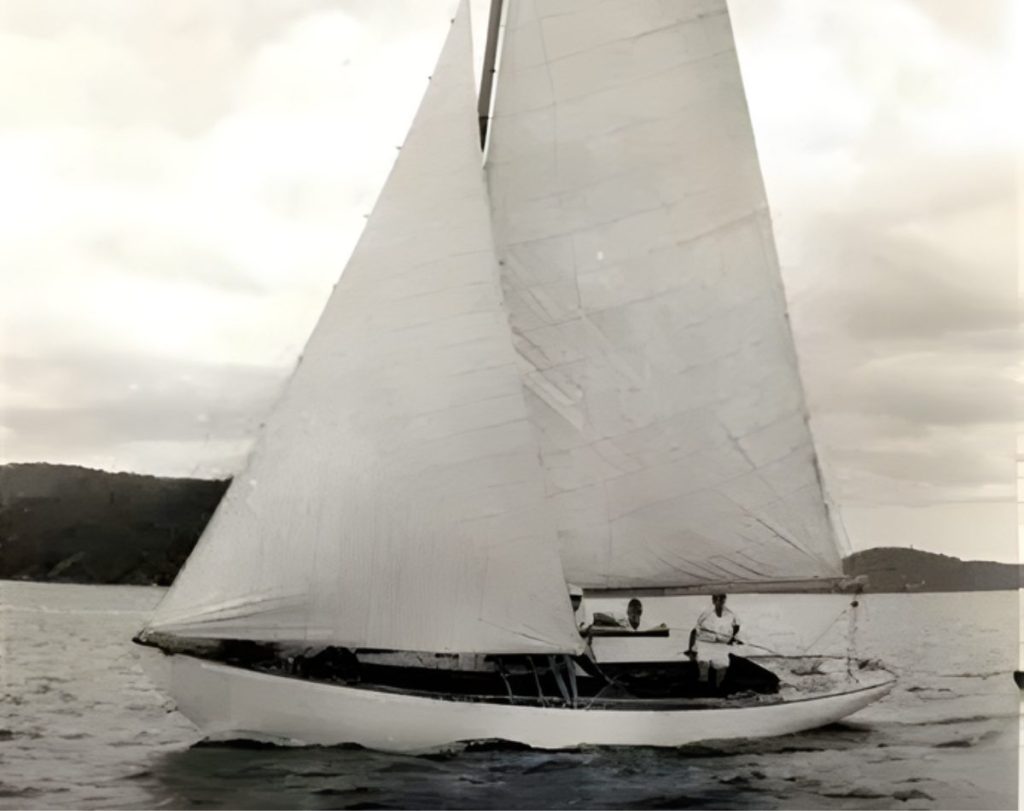
The K Class yachts are a special Kiwi story. Designed from a 1940s competition to produce a racer that could still cruise comfortably, they blend performance with accommodation. Waiomo and Gypsy demonstrate that balance. They are elegant, low-profile keelers built to handle Gulf conditions while still sleeping a crew in comfort.
Rig types and what they mean
Rig is one of the easiest ways to distinguish wooden boat types.
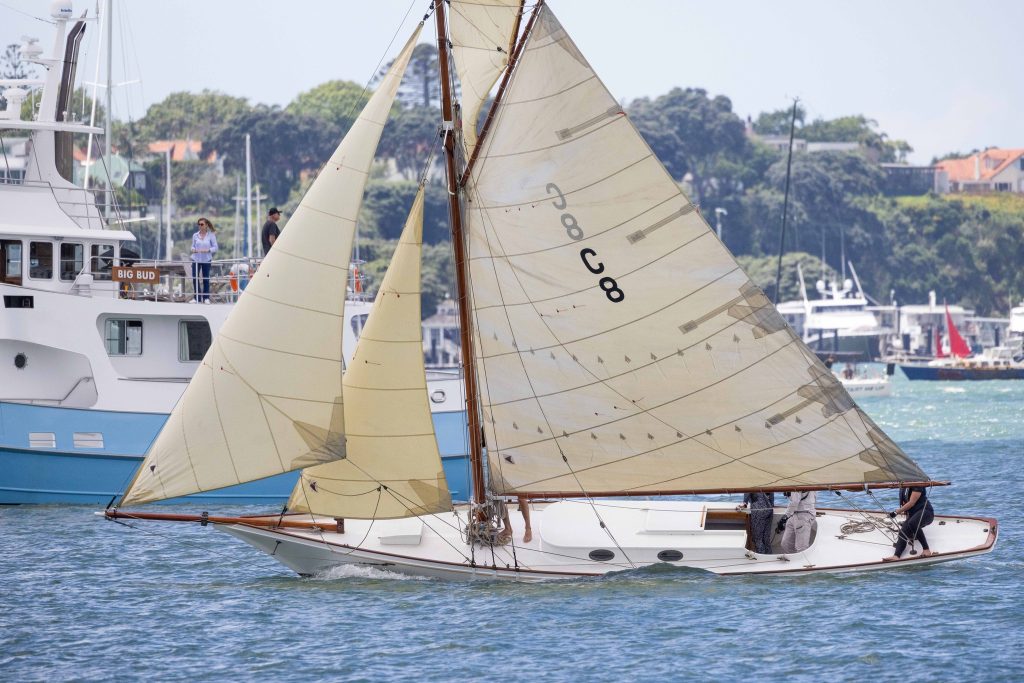
Gaff-rigged vessels, such as Frances, Gloriana, Shearwater II and Ethel, carry a four-cornered mainsail supported by a gaff spar. This traditional arrangement offers huge sail area and classic lines, but requires more ropes, more crew coordination, and more care.
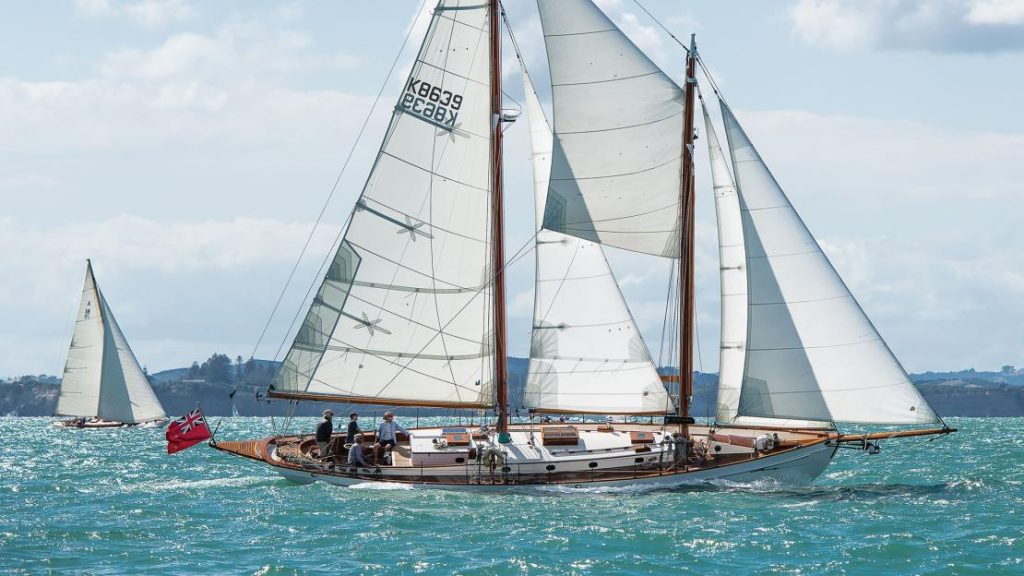
A schooner like Arcturus spreads its sail plan across two or more masts, dividing the power into manageable sections. These rigs were favoured for coastal trading and long passages.
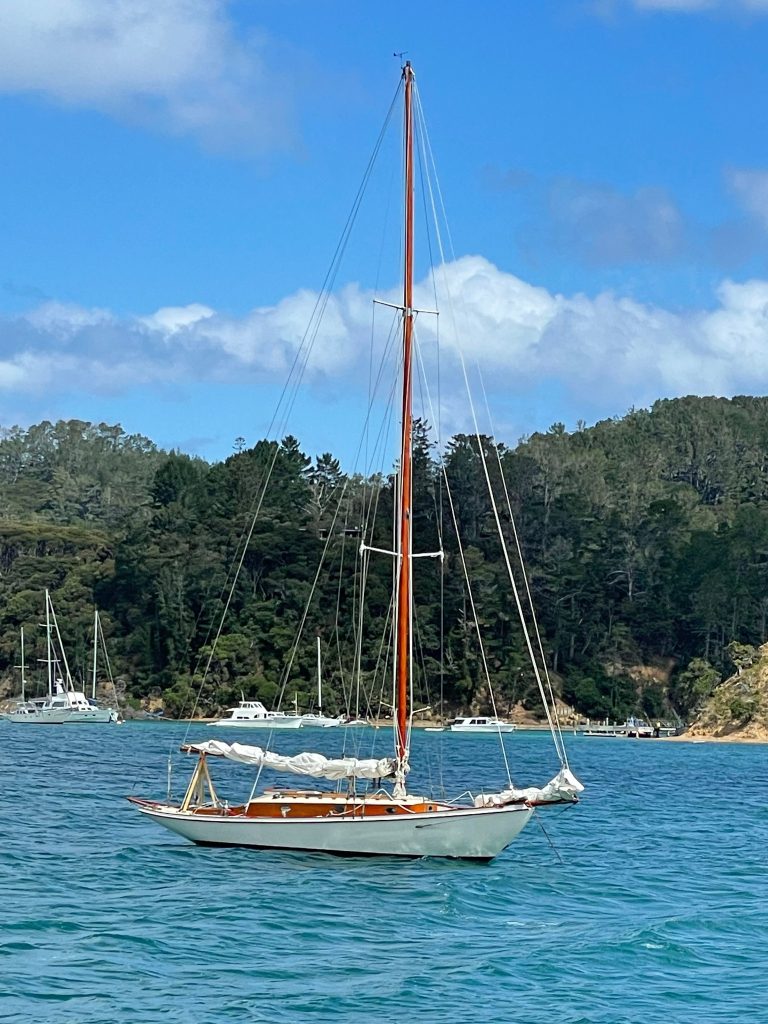
Cutter-rigged boats, often with spoon bows like Owhanga, carry multiple headsails and frequently feature bowsprits. The rounded spoon bow adds buoyancy and length as the yacht heels, helping performance in harbour chop.
Racing specialists and modern classics
Rainbow II represents the One Ton Cup era, where boats were drawn to rating rules and offshore competition. These yachts were optimised for speed under handicap systems and reflect a different design philosophy to earlier heavy displacement classics.
Modern classics such as Makahu and Townson designs like Talent reflect the post-war boom. Built in timber (or early fibreglass), they were intended as wholesome cruiser-racers, comfortable enough for family use yet lively on the racecourse.
Working craft and fishing heritage
Not every wooden boat at the festival began life as a racer.
Scows such as Jane Gifford were the trucks of the sea. Flat-bottomed and broad, they could beach at low tide and load timber or cargo where no wharf existed.
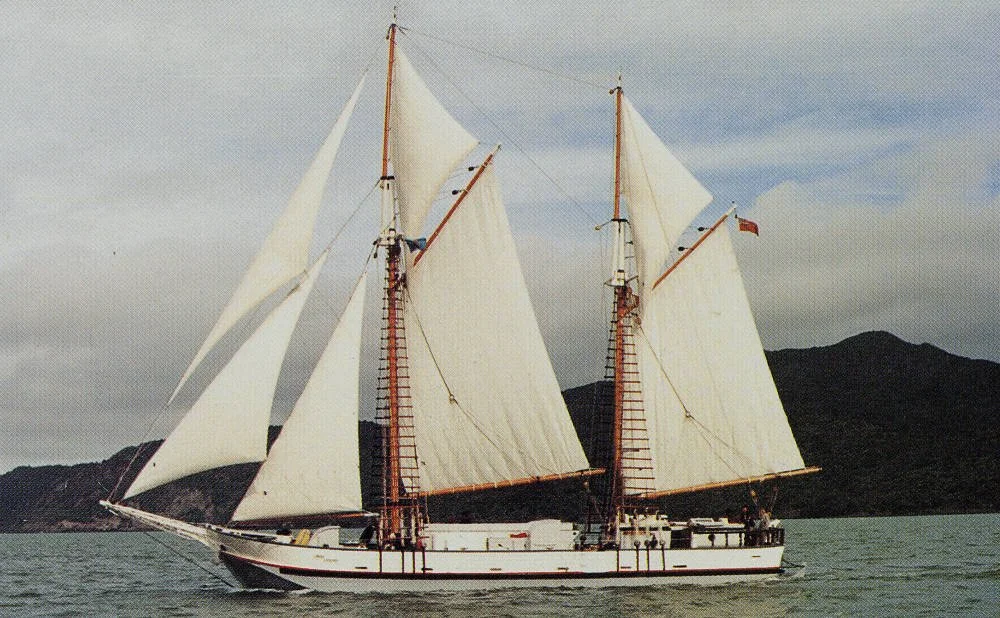
Mullet boats like Melita and Corona started as fishing vessels, shallow-draft and beamy for hauling nets. They later evolved into a fiercely competitive racing class.
Rosette, an Australian couta boat, shares similar roots, built tough for commercial fishing before becoming a celebrated racing and restoration fleet.
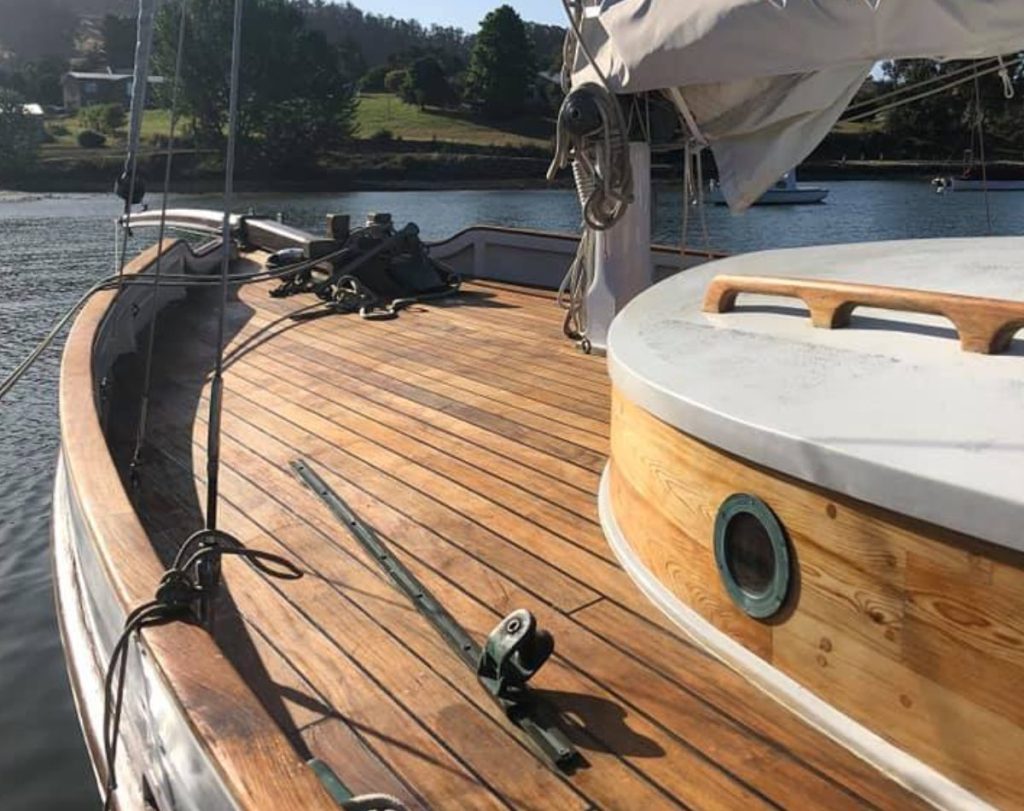
Sea Bee, a converted fishing trawler, demonstrates how working hulls can transition into capable cruising vessels.

Launches and small craft
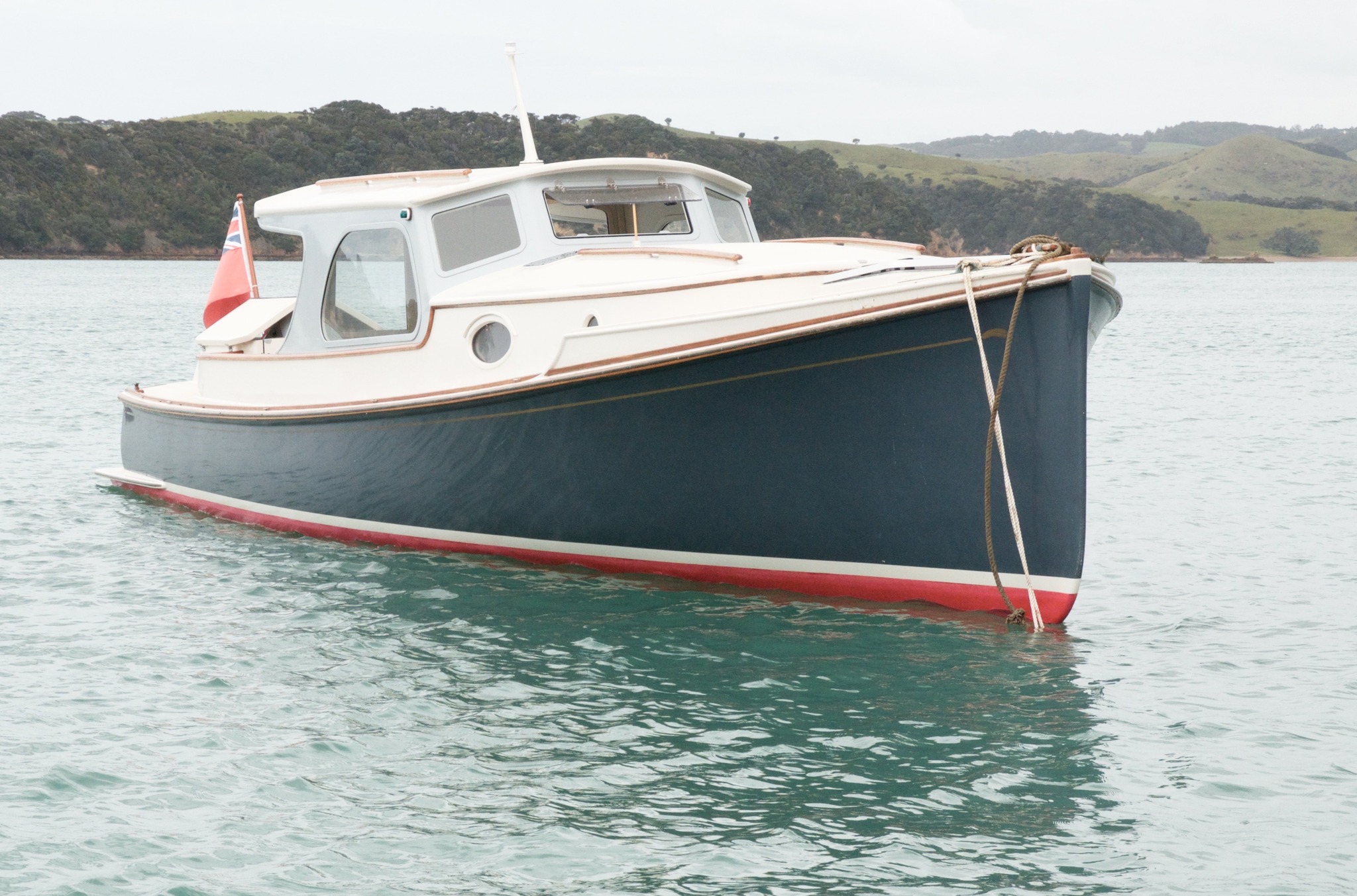
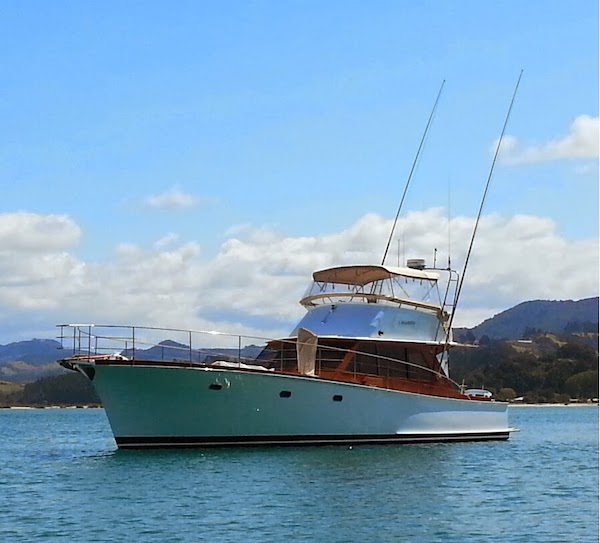
Classic launches such as Pacific, Mataroa and Callisto represent the motor-powered side of wooden boat heritage. Typically displacement hulls built in kauri, they were designed for reliable, economical cruising rather than speed.
Small craft such as Lady Rebecca, a Swampscott dory, show a different scale of wooden craftsmanship. Lightweight, beachable and elegant, they remain popular with traditional boatbuilders.