A timely global showcase of sustainable boating, arriving just as fuel uncertainty sharpened the industry’s focus.
When Boating New Zealand first introduced Nice Boating Tomorrow in April 2025, the direction was clear. The marine sector was under pressure to reduce its environmental footprint, and sustainability was driving change across all areas in the industry: design, propulsion, and materials.
But a recent tightening global fuel picture has now crept into the background. It has not fully bitten yet, but it is there. And suddenly, the ideas being explored in Nice are no longer optional. They are starting to look like they may be necessary.
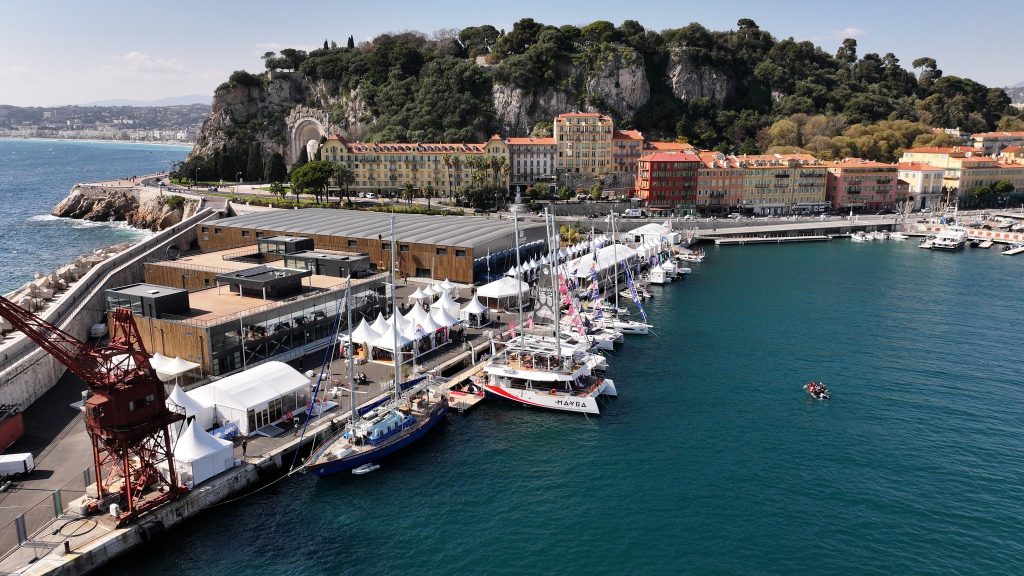
In reality, the industry has been heading this way for some time. Regulations around the globe, particularly across Europe, have continued to tighten with expanding low-emission zones and some waterways already restricting traditional engines. In time, it is possible we would have seen the same restrictions in New Zealand.

Boater behaviour is also shifting. There is a growing awareness of impact and a growing willingness to explore alternative ways of operating on the water.
Boatbuilding is evolving alongside it. Hulls are becoming more efficient, materials lighter, and here and there there is a clear move towards bio-based and recycled components. Change, wanted or not, brings advancements in technology; electric propulsion, hybrid systems, hydrogen, and solar assist are no longer ideas on paper.
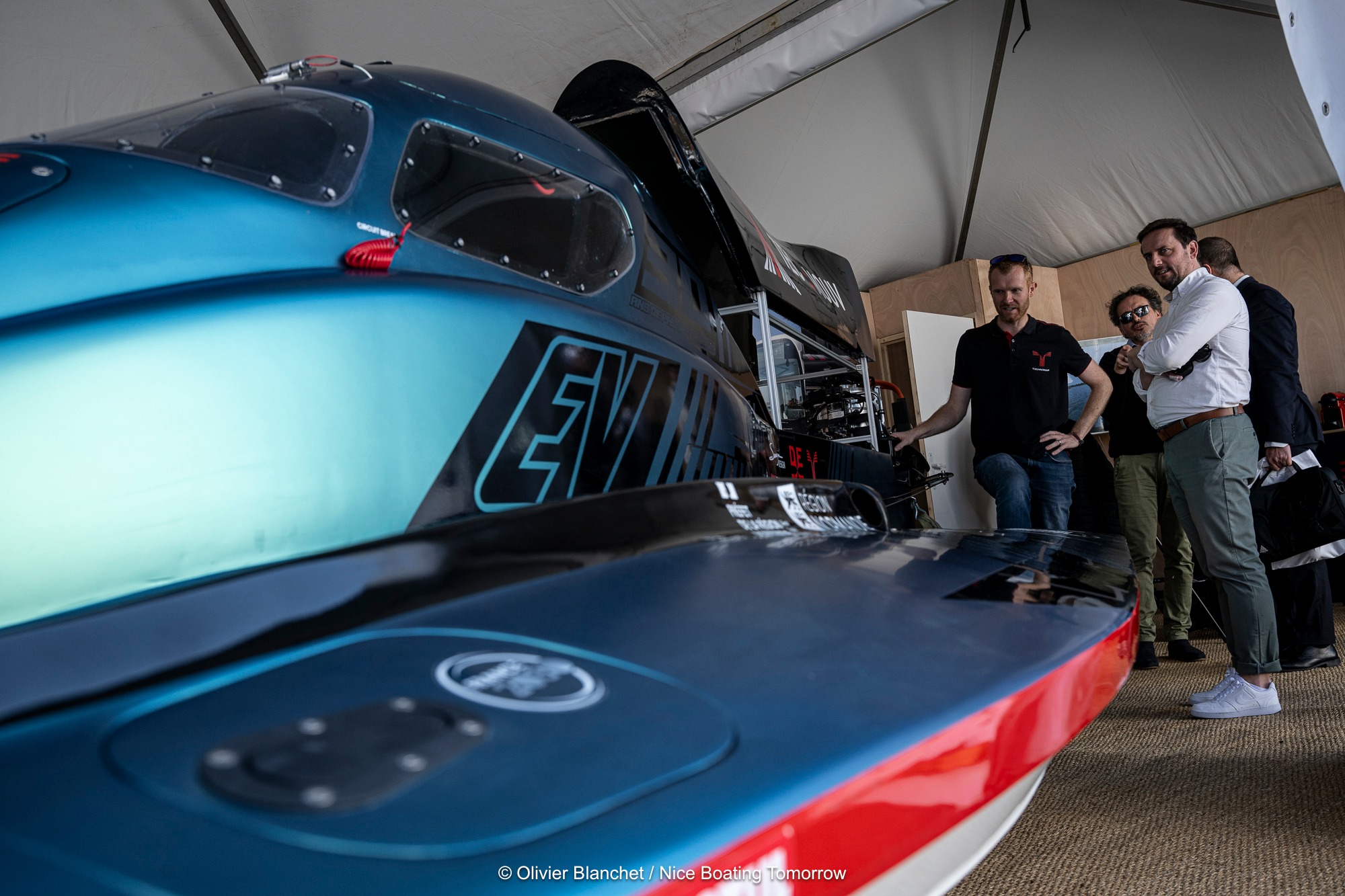
Nice Boating Tomorrow has brought that shift into one place. Finishing today in Nice, France, the event combined an on-water and land-based exhibition with a dedicated international forum. Sea trials have been central to the experience, giving visitors the chance to step aboard and feel how these boats perform. Electric boating, in particular, is something you understand properly only once you experience the quiet and smoothness for yourself.
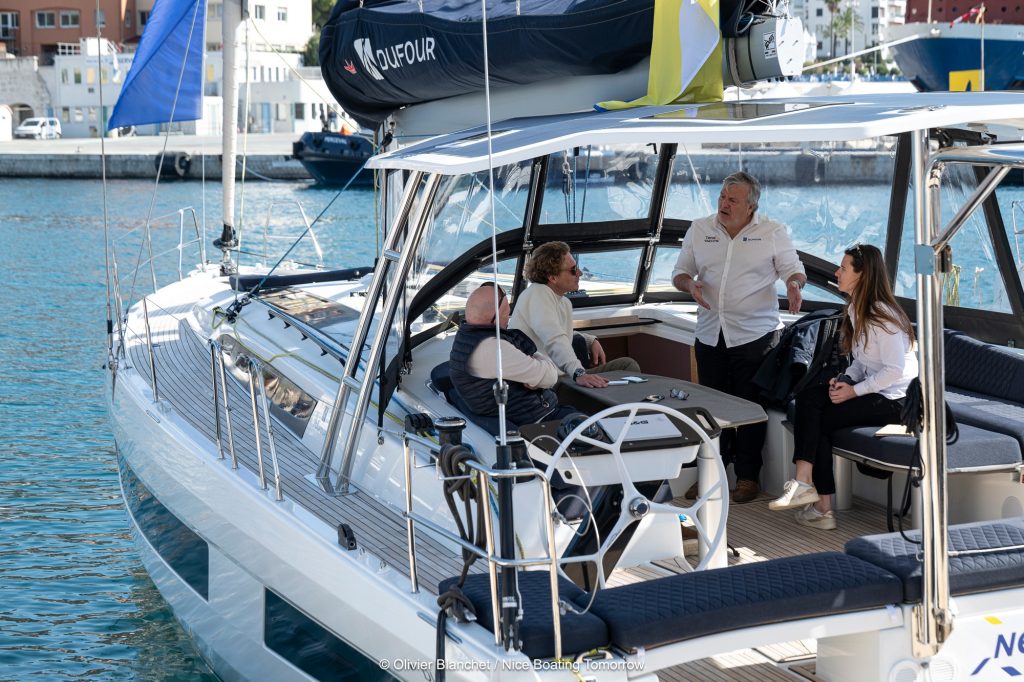
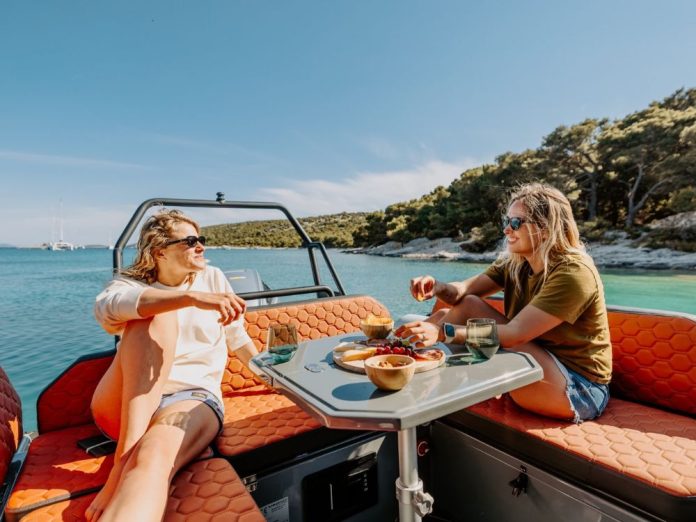
On the water, the range of boats has been broad. Small electric craft, dayboats, and larger cruising catamarans with hybrid systems have all been on display. Some are fully electric, others use solar to extend range, and a few are pushing into hydrogen.

The key point is usability. These are not one off prototypes. They are boats being built and sold now.
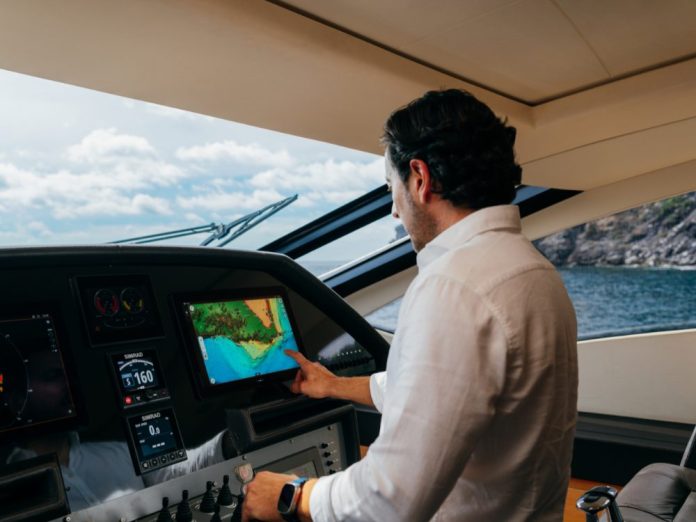
On land, the exhibition has gone deeper into the systems behind them. Electric motors, battery technology, solar setups, retrofit solutions, and marina infrastructure have all featured strongly.
The retrofit angle has been a strong discussion point. Not every owner is looking to replace their boat. Many are looking at how to adapt what they already have, whether for environmental reasons, cost, or future proofing.
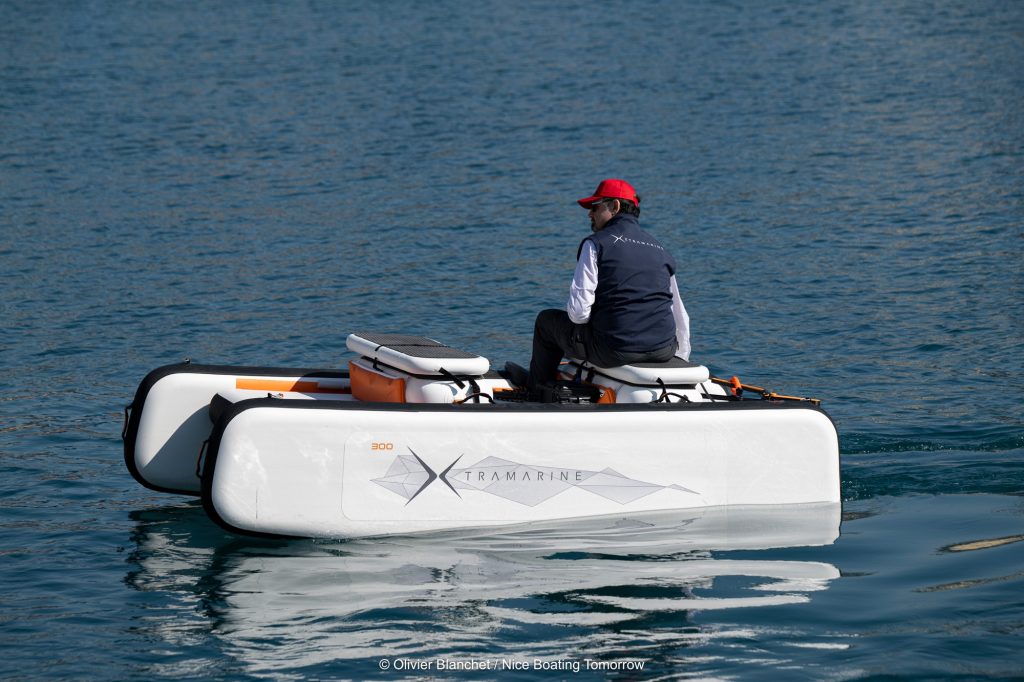
The event has also drawn a strong international crowd. More than 80 exhibitors have taken part, with a significant portion coming from outside France. Shipyards, equipment manufacturers, technology developers, and research organisations have all been represented, reflecting the scale and complexity of the shift underway.
Alongside the exhibition, the forum has hosted conferences, workshops, and discussions with international speakers. The focus has been practical with a clear aim to share ideas and move the industry forward. Hands-on activities and scientific demonstrations have helped ground the conversation. The message has been consistent. The future of boating depends not only on new technology but also on how people choose to use it.
The timing of Nice Boating Tomorrow has worked in its favour. What began as a sustainability focused event has landed at a moment when the industry is also starting to think more seriously about energy security.
Alternative propulsion is no longer a niche interest. It must become part of the mainstream conversation—and yes, sooner than many boaters are ready for it.