A $1.9 million Australian research partnership is investigating whether basalt fibre and bio-resin could replace fibreglass as the marine industry’s go-to hull material — and a world-record sailor is putting the technology to the ultimate test.
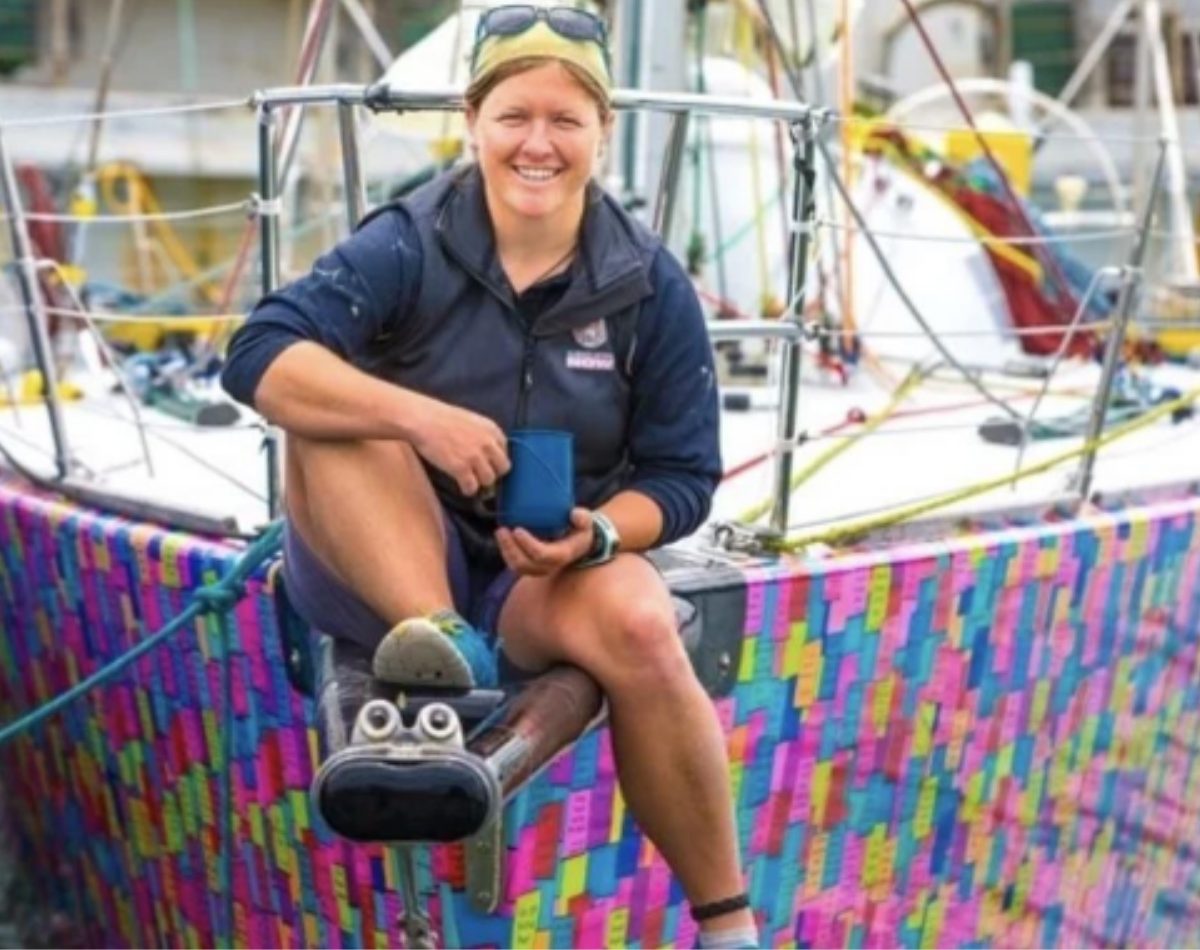
World record explorer Lisa Blair OAM has joined forces with the Australian Composites Manufacturing CRC (ACM CRC), UNSW Sydney and boat builder Steber International to launch a two-year project titled Sustainable Composites for Next Gen Boat Hulls. The collaboration will examine whether basalt fibre, derived from volcanic rock, and modern bio-resins can deliver a high-performance, fully recyclable alternative to Glass Reinforced Plastic (GRP).
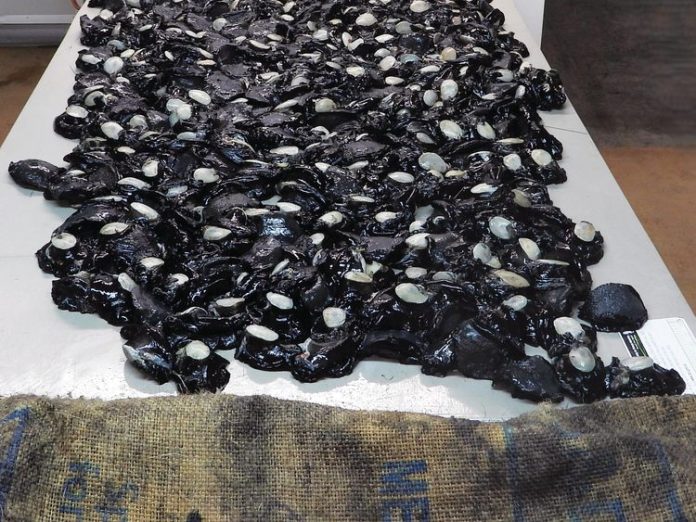
The urgency is real. An estimated 35 to 40 million fibreglass boats worldwide are approaching the end of their operational life with no scalable recycling pathway. In Australia alone, more than 300,000 registered vessels are fibreglass. A University of Brighton study found 11,220 fibreglass particles per kilogram in oysters and 2,740 per kilogram in mussels sampled from Chichester Harbour, a body of water home to around 12,000 boats. Australia’s coastal marine ecosystems face exposure on a far greater scale.
“The reality is that high-volume research into the long-term impacts of fibreglass just does not exist yet,” Blair says. “We are only seeing the tip of the iceberg.”

Basalt fibre has been attracting attention in advanced manufacturing circles for some time. Derived from crushed volcanic rock spun into fine strands, it is claimed to be up to ten times stronger than fibreglass, naturally fire-resistant and chemically inert. Critically, it is also 100 percent recyclable. Paired with bio-resins, the combination could offer a genuinely circular alternative to GRP at a price premium of only 15 to 20 percent over conventional fibreglass construction.
Steber International is building a dedicated test hull to assess how the materials perform in real-world conditions, including their repairability. Materials research at UNSW Sydney is being led by Scientia Professor Gangadhara Prusty, with life cycle analysis and environmental impact modelling handled by circular economy specialists SOENECS. All findings will be made open source.
“We are identifying the right bio-resins and basalt fibres, available in sufficient quantities and with sufficient properties, to demonstrate a solution allowing the entire boat industry to offer more sustainable products,” Prusty says. “The team will open source this information so that the entire industry benefits.”
For Steber International managing director Alan Steber, commercial viability is as important as environmental performance. “…hopefully one day we will see a complete, sustainable, reliable, affordable, and safe composite material for all industries. Hence I put my hand up to be part of the team.”

Blair is not simply a figurehead. She is commissioning a new expedition yacht built from the basalt/bio-resin composite for her next record attempt, the Arctic Impact Project. In July 2027, she plans to become the first person to sail solo, non-stop and unassisted around the Arctic Circle in one season, passing through both the Northwest Passage and Northeast Passage. The 8,000-nautical-mile voyage will take an estimated three months.
“While climate change has opened the path for this record, my focus is on the solutions we can create together,” Blair says. “By building my vessel from basalt fibre, I’m showing that adventure can, and must, be a vehicle for change.”
The project also carries a broader education mission, with a global schools programme, Climate Action Now events and citizen science work planned throughout the record attempt.
For the marine industry, the research represents a rare chance to get ahead of a problem that has been quietly building for decades.
More
28 April 2026 Revolutionising the Blue Economy: Explorer Lisa Blair OAM and ACM CRC Partners Launch Landmark Project to Advance Sustainable Marine Composites, Australian Composites Manufacturing
29 April 2026 Research partnership focuses on improving sustainability in boat manufacturing, Australian Manufacturing
7 May 2026 Australian project tests alternatives to fibreglass, International Boat Industry