Recreational fishing pressure prompts policy rethink
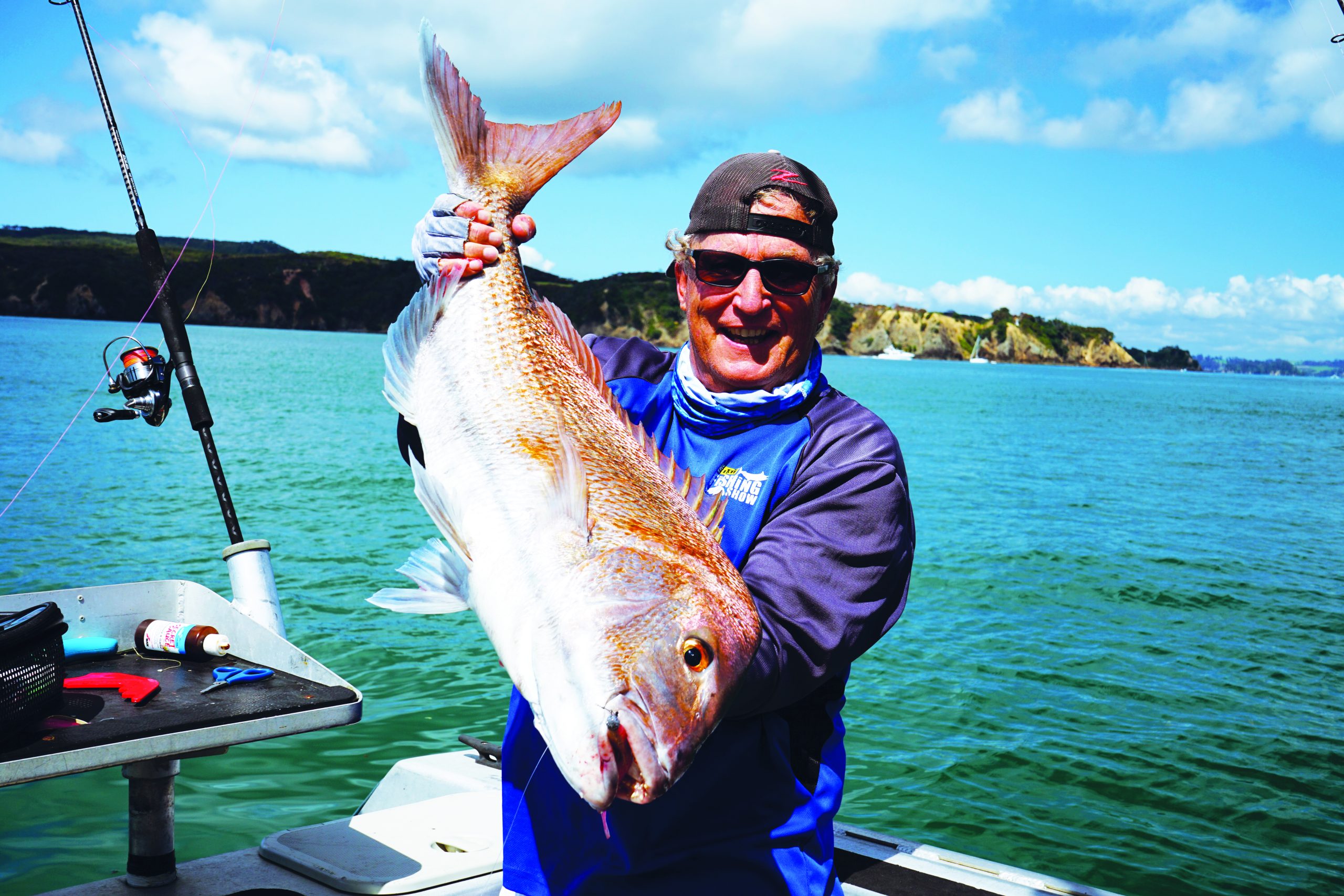
A proposed change to snapper catch rules has been pulled back following strong feedback from New Zealand’s recreational fishing community.
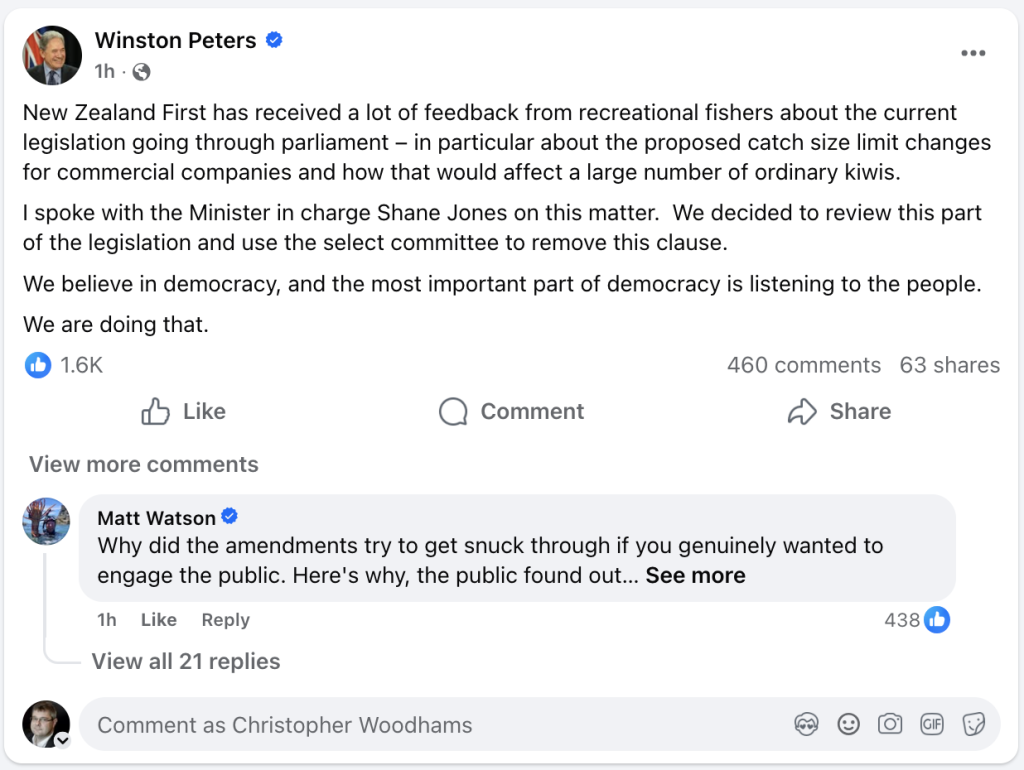
Winston Peters confirmed via a public statement on Facebook, that New Zealand First has moved to review part of the current fisheries legislation. The change centres on a controversial proposal that would have altered how commercial fishers are regulated, particularly around minimum size limits.
At the heart of the issue was a perceived imbalance. Recreational fishers would still be required to meet strict size limits for every snapper landed. Meanwhile, the proposal suggested commercial operators could work to a total catch weight, rather than being bound by individual fish size.
For many in the recreational sector, that created what they saw as a two-tier system.

The statement in full
The following statement was released publicly:
“New Zealand First has received a lot of feedback from recreational fishers about the current legislation going through parliament – in particular about the proposed catch size limit changes for commercial companies and how that would affect a large number of ordinary kiwis.
I spoke with the Minister in charge Shane Jones on this matter. We decided to review this part of the legislation and use the select committee to remove this clause.
We believe in democracy, and the most important part of democracy is listening to the people.
We are doing that.”
A question of fairness on the water
The strength of the reaction from recreational fishers should not be underestimated. Across social media and industry channels, many argued that the proposal undermined the principle of shared responsibility for the fishery.
Snapper is one of New Zealand’s most valued inshore species. It supports a wide base of recreational fishers, from trailer boat owners to beach-based fishermen, and carries both cultural and economic significance.
The concern was simple. If one group is required to release undersized fish, then all sectors should operate under comparable constraints.

That view gained traction quickly, particularly among more active voices in the fishing community. The argument was not just about regulation, but about fairness and long-term sustainability.
Select Committee now key battleground

The decision to remove the clause via the select committee process shifts the focus to the next stage of legislative scrutiny.
Shane Jones, who holds the Oceans and Fisheries portfolio, has been directly involved in the discussions. The select committee will now play a central role in determining how, or if, the proposal is reshaped before becoming law.
For recreational fishers, this (finally) shows public pressure influencing policy direction.
What this means for boaties
For the average Kiwi heading out for a snapper fish, the current rules remain unchanged.
But the episode serves as a reminder. Fisheries policy is not static. It evolves through consultation, industry input, and, increasingly, public response.
This time, the message from the recreational sector was clear and unified.
And, at least for now, it has been heard.