Make the most of kai moana by treating it the right way from the sea to the table.
One only has to see the shocking price of fish in the shops these days to realise just how valuable fresh fish can be. Yet so often we fail to do the simple things required to get the best out of what we catch.
It’s a process that starts as soon as you hook up:

- Try to land the fish as quickly possible, especially large fish such as tuna, which over protracted battles suffer from a build-up of lactic acid that damages the flesh.
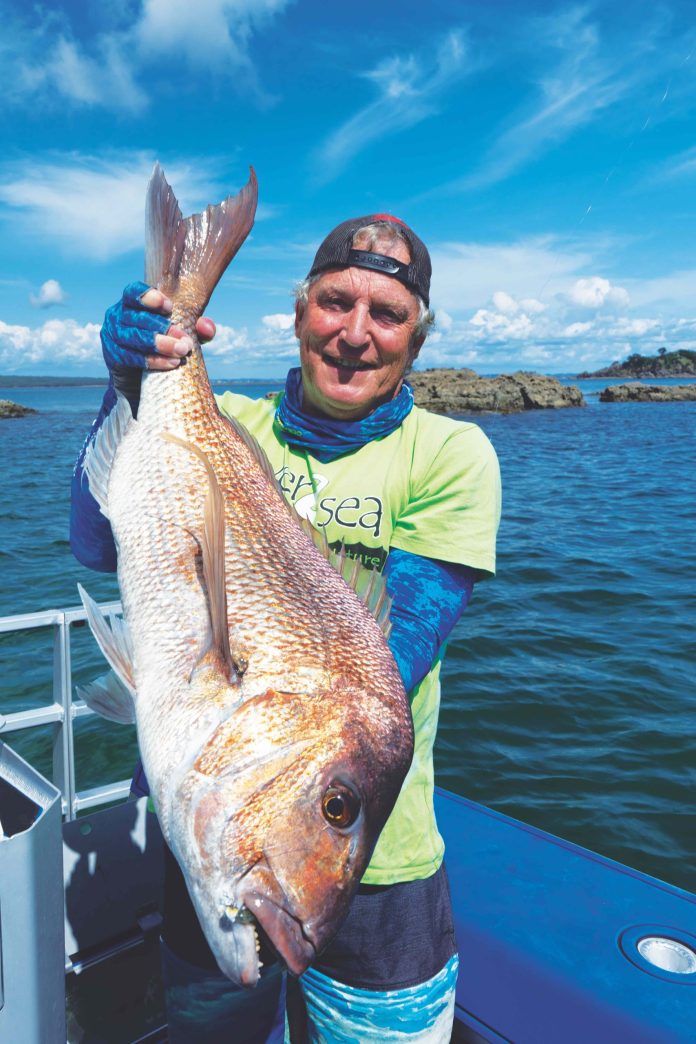
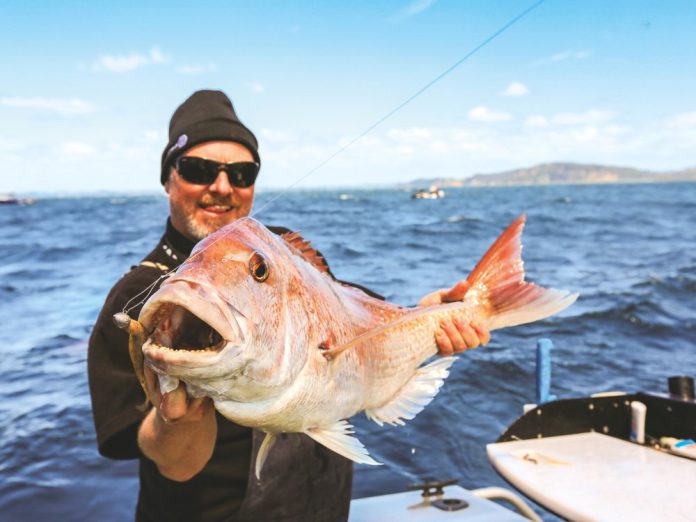
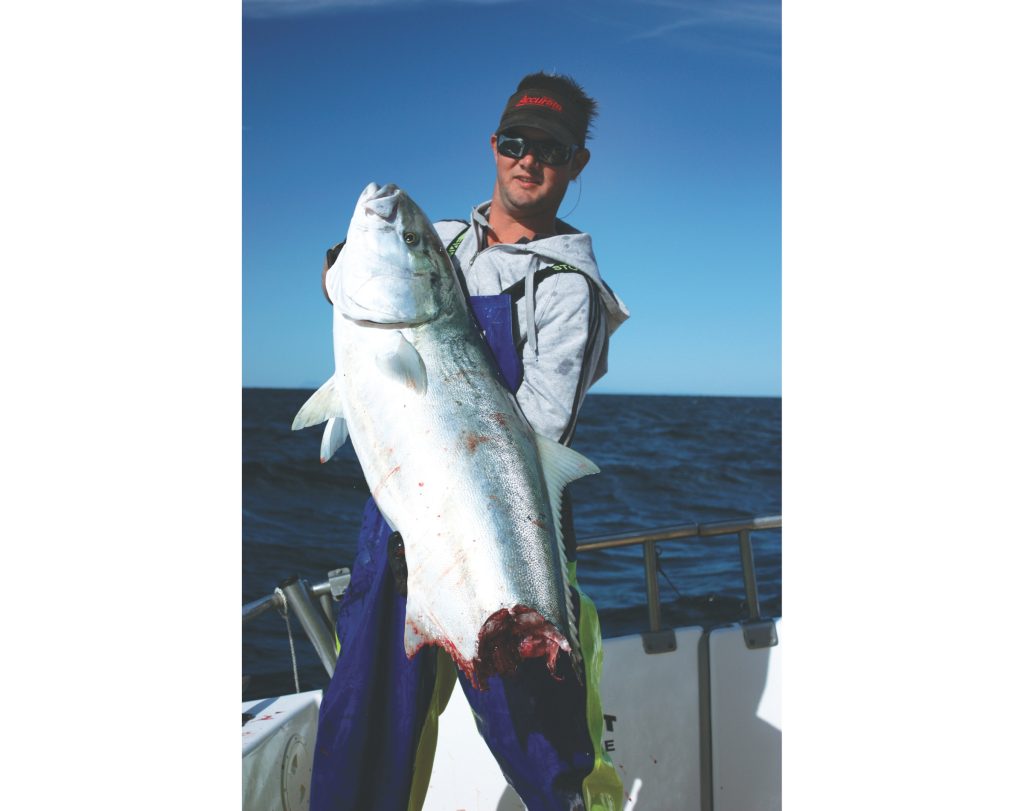
- Once boated, decide if this is a fish you want to kill. Personally, I prefer my snapper ‘delicate and sweet’, so anything over 33cm or so is dinner. I don’t like eating big snapper. I find the texture of the flesh of snapper over 50cm long to be relatively coarse, and since those bigger fish are good breeders, mine go back. I also do this for big kingfish; they taste best (especially for sashimi purposes) when fresh and not too big, so I’ll pick a fat little (but legal-size) 4-10kg specimen if I can. I’m also happy to catch and keep small kahawai around a kilo, as they contain less red meat and can be very tasty!
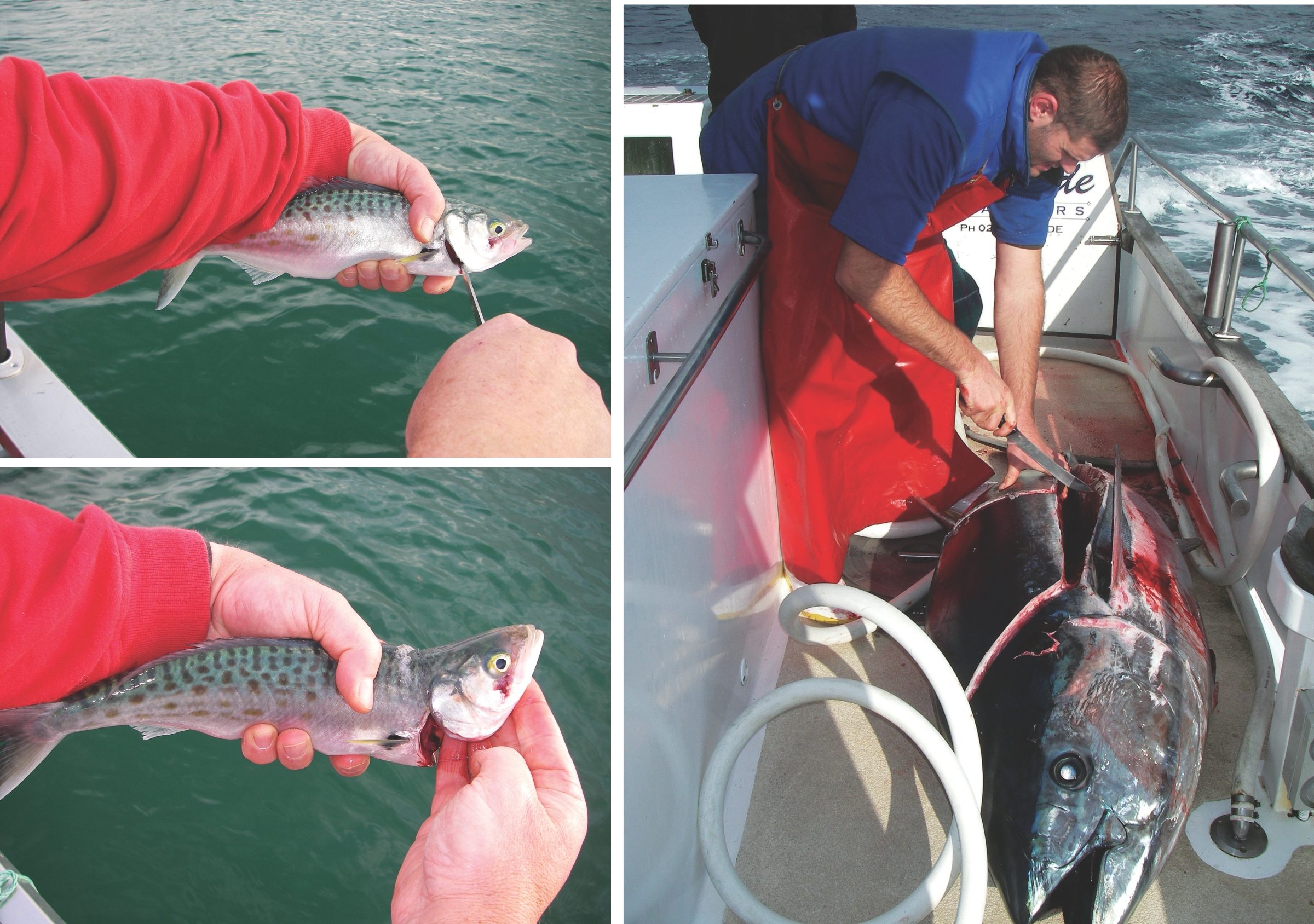
- Kill fish you keep quickly and humanely. Fish allowed to thrash around become stressed, causing a further build-up of stress-related hormones and enzymes in their flesh that can adversely affect its eating quality.
- Most fishers use an ikijime (‘iki’) spike to achieve this, or, more dangerously, the tip of a sharp, thin knife. However, locating a fish’s relatively small brain can be a trick, and its location varies according to the fish species. When ikijime is done correctly, the fish will shudder or spasm, the gills may flare, and the pupils of its eyes will centre.
- Alternatively, a sharp blow to the top of the head with a weighted club may do the job instead, especially when dealing with active fish such as mahimahi, yellowfin tuna, and kingfish. This is also a matter of safety: you do not want to end up hooked to a large, thrashing fish!
- Once the fish is motionless, you may want to bleed it while the heart is still pumping. Be mindful that every minute a fish remains at warmer temperatures reduces its eating quality, so be careful when the sea temperature is warm. Don’t leave fish to bleed out for too long in warm seawater. Bleeding is especially applicable to ‘red meat’ fish such as kahawai, kingfish, and tuna, but many anglers consider it really improves the end result with other fish too, including snapper. Techniques vary, but typically the gill latch is cut with a sharp knife or game shears, while tuna are pierced just behind their pectoral fins with a short, sharp knife. Some fishers then submerge kingfish or kahawai in fresh saltwater so the water can be pumped around the body, further reducing the blood content of the meat. This concept has some merit, since the remains of ‘sharked’ kingfish have provided me with some of the tastiest fish!
- Having come this far, you may also want to insert a special wire (shinkei jime) up the neural canal in the spinal column. This delays rigor mortis and improves the quality, flavor, and texture of the flesh.
- Now cool that fish down! The ideal temperature for keeping the catch in good shape in a chilly bin is just above freezing (i.e. around 1.1° Celcius). The best way to achieve this is by immersing the fish in a slurry of equal parts saltwater ice and seawater, adding more ice as it melts. Or, almost as good, completely cover the fish in crushed or flaked salt ice in a chilly bin. Either way, store the icebox in the shade if possible to help keep temperatures low, and leave the bin’s drain hole open to prevent the catch from sitting in water. You can also nestle a handful of modest-sized fish amongst several frozen chilly packs or bottles of water, but it’s not nearly as effective and so not ideal.
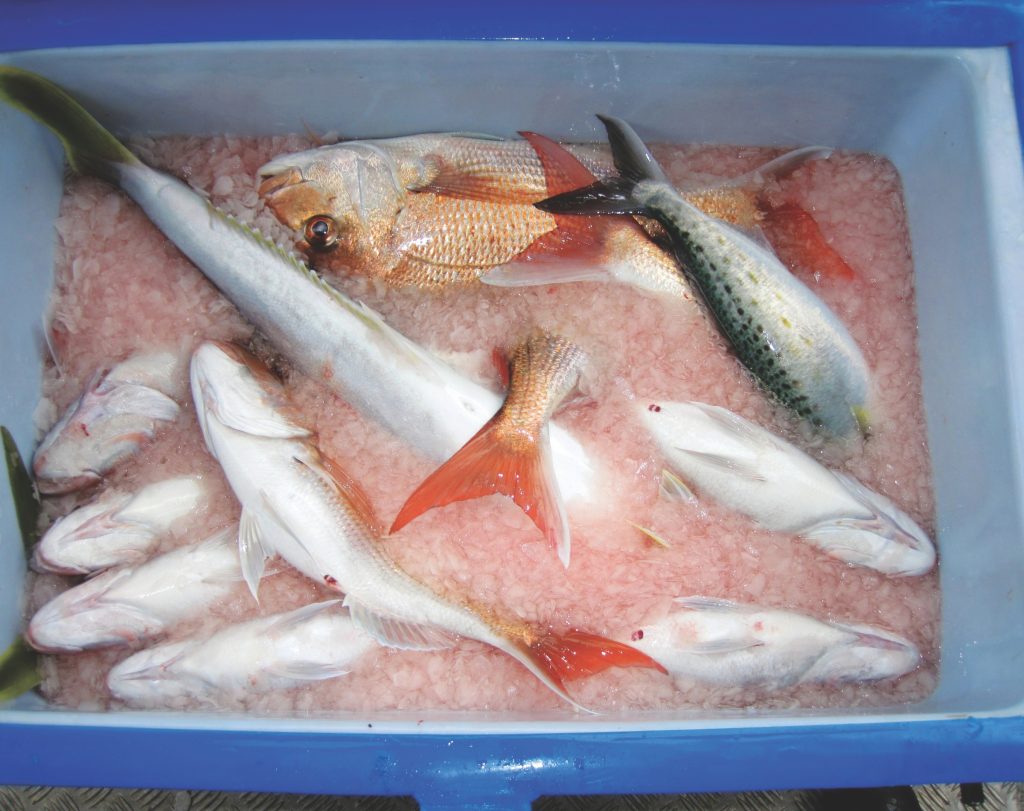
- Process the catch as soon as possible, ideally within 3-4 hours of catching it (if circumstances prevent this, keep the fish well iced and process them within 24 hours). Before processing, fish should have been chilled sufficiently to ‘set’; otherwise, they can bleed over the fillet when cut.
Before starting, be sure to have the right tools and setup:
- If at home, it helps to fillet fish on a flat, waist-high platform, perhaps also with a sink, and near running water; if out on the water, a flat, accessible section or a bait table if your boat has one (in my little tinny I fillet my fish on my chilly-bin covered in a wet towel); contrary to popular belief, it is legal to fillet fish out on the water, provided the smallest frames are kept)
- A sharp, moderately flexible fillet knife around seven to eight inches long
- A hone, steel, or sharpener to maintain the knife’s edge
- A good-sized cutting board – plastic is better than wood, as it’s more easily cleaned and won’t absorb fishy odours
- If scaling the fish, use a dedicated scaling tool or the back of a sturdy knife
- Suitably sized zip-lock plastic bags for the catch processed at sea; plastic storage containers for processing the catch back home
- Paper towels to place the catch on and for cleaning up
- Rubbish bags, a compost bin, or a bucket to bury the remains.
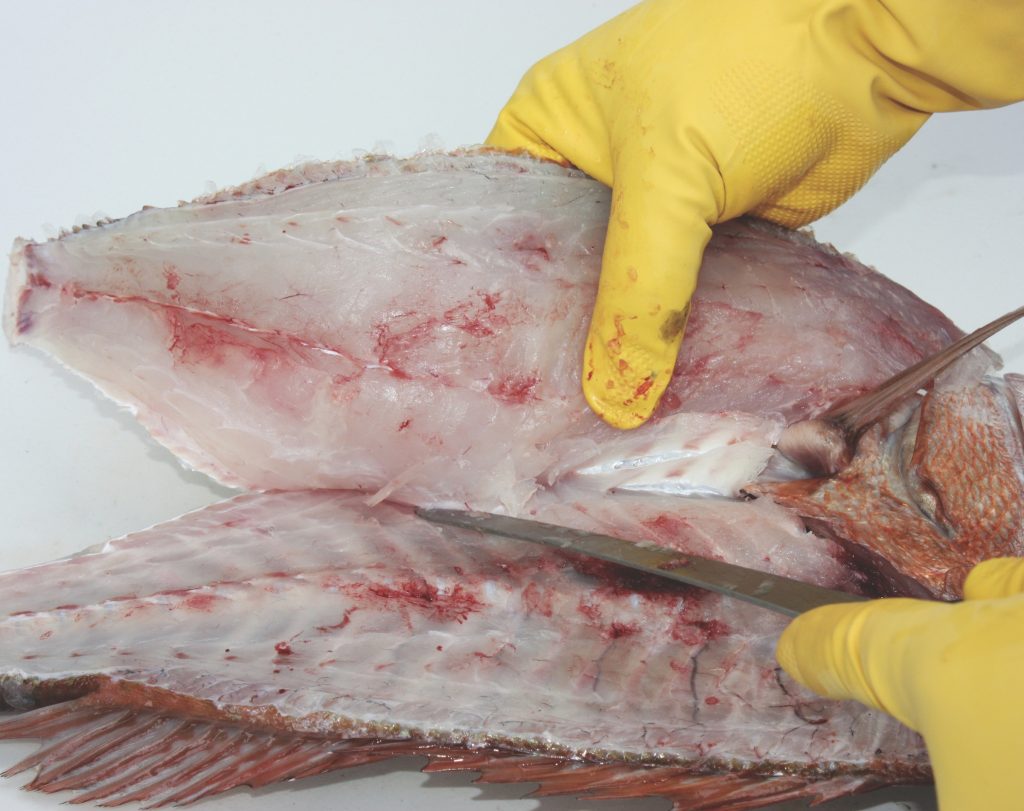
Cleaning your fillets or processed fish with fresh water is a no-no, as it speeds up decomposition (obviously, this does not apply to trout or other fish from freshwater). However, I often rinse my fillets briefly in cold seawater while out on the water which doesn’t seem to adversely affect the quality. Soaking fillets in containers of saltwater is not recommended either, as it adds too much moisture to the fillets and removes some of the flavour. The best tactic is to give the fish a quick wipe over with a paper towel or a clean cloth just before cooking, while also checking for scales.
Fridge or Freezer?
Fridge: No doubt about it, fresh from the fridge is always best, but vacuum sealing helps both fresh and frozen fish to maintain a higher quality. If storing fish in the fridge, place it on three layers of paper towels, adding more paper between any subsequent layers of fish. Store the fish in the coldest part of the refrigerator (ideally between 0°C and 4°C), ideally change the paper towels each day, and plan to cook the fish within one to three days of processing.

Freezer: If freezing fish, do so immediately. Vacuum-sealed fish can last for several months in a freezer set to -18°C or below; label the packages with the date of processing and type of fish. Some fish species freeze better than others – hapuku, bass, bluenose, tarakihi and gemfish freeze well, but kahawai and albacore tuna do not and are better eaten fresh.
Let’s Eat!
I love eating fish after a successful day at sea. However, if the fish is too fresh, with the nerves still sensitive, the flesh can curl and fall apart during cooking, which is not ideal. It still tastes good, though!
Well-chilled and properly set fillets hold together better during cooking, so cooking fish a day or so after it’s caught can provide a superior product. And it’s the same if you enjoy your fish eaten raw, with around 12-24 hours wait time required for the flesh to firm up and develop its full flavour. For fish that’s to be eaten raw, it’s even more important to regularly change the paper towels in the storage container, as it’s the fish juices that cause the ‘fishy’ smell to develop over time. I regularly eat ‘seasoned’ or ‘fridge-aged’ kingfish that’s been treated this way, and it still tastes great five days later, although it may need to be ‘trimmed up’ a little to cut away the darker, oxidised outer layers and expose the pearl-pink flesh inside!
Next month: More practical fishing tips from the master.