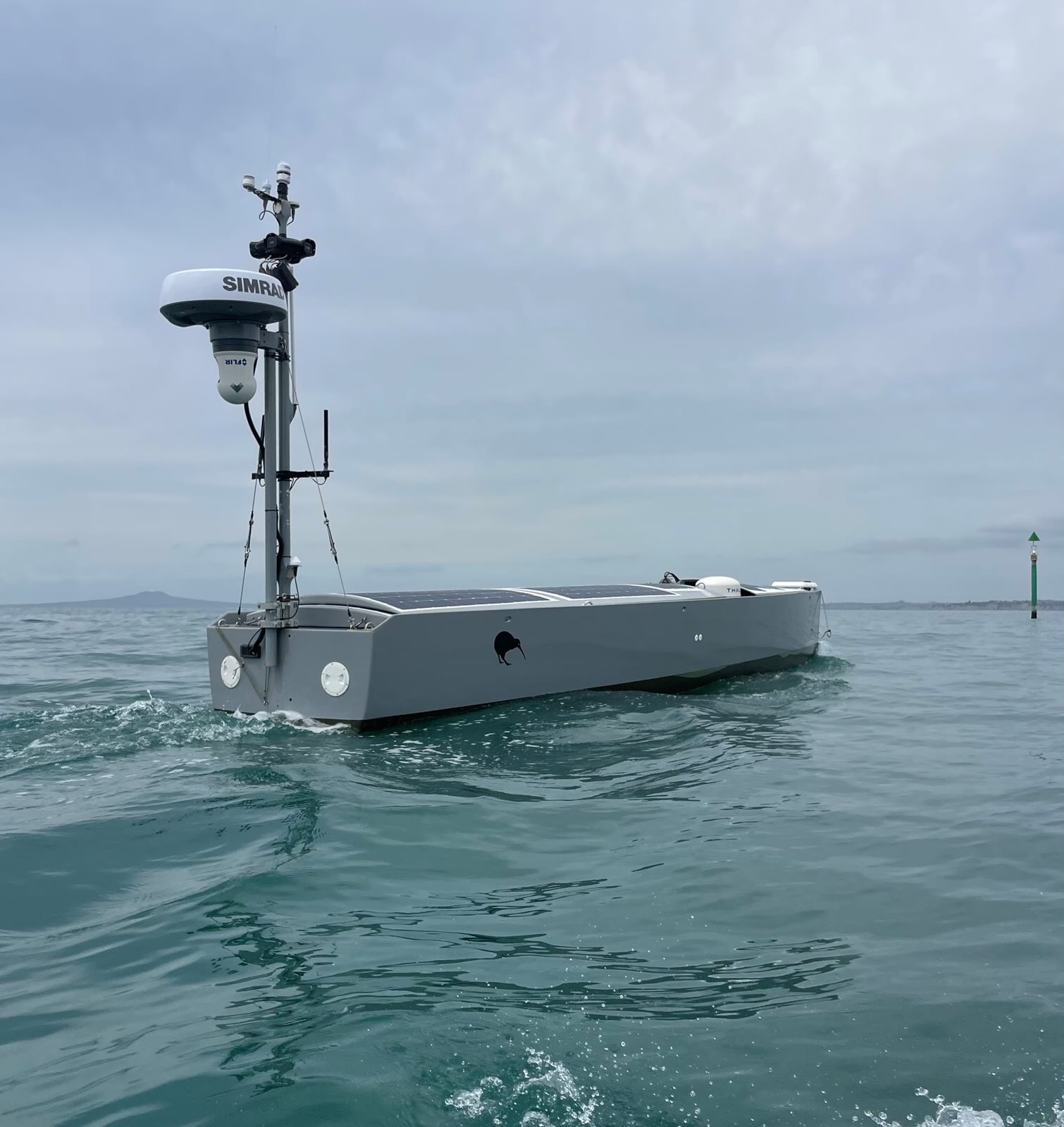
The two small uncrewed vessels, operated by the Royal New Zealand Navy in partnership with Customs, have spent recent months quietly patrolling sections of the upper North Island coastline during anti smuggling operations.
Working off both the east and west coasts, the 7.4 metre craft monitored waters around the Bay of Islands, Whangaroa Harbour and further north toward Ninety Mile Beach.
Their patrols coincided with the busiest period of international yacht and small craft traffic, when vessels regularly move between New Zealand and the South Pacific.


Unlike a conventional patrol boat, nobody was onboard.
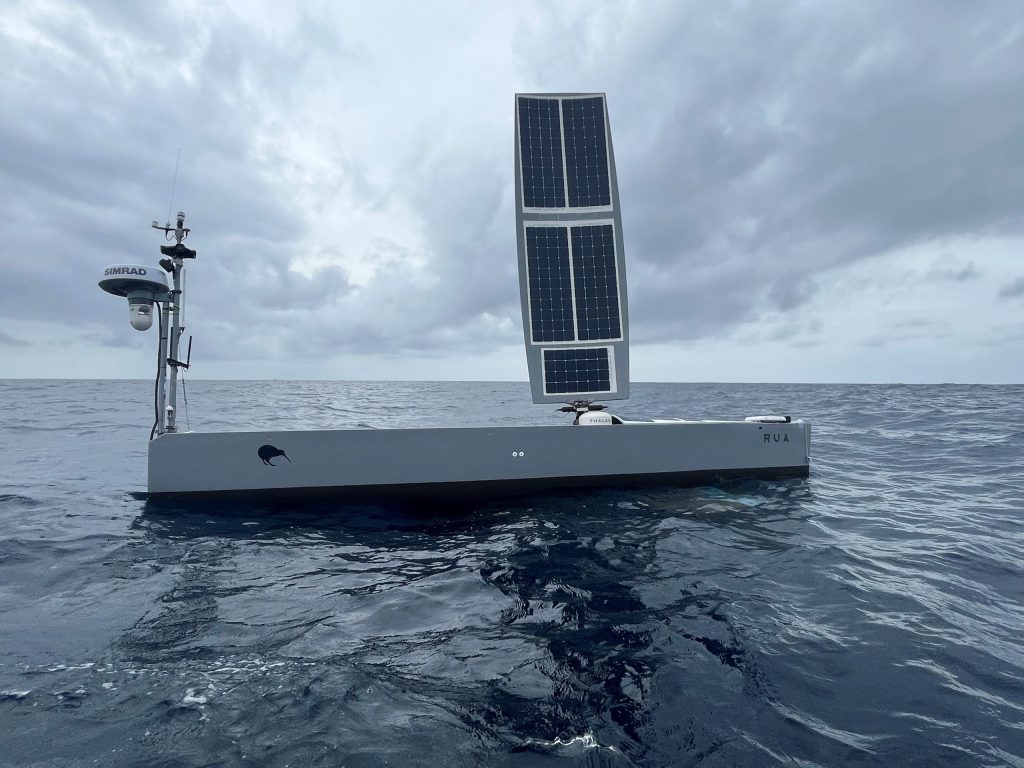
Instead, the vessels were controlled remotely from Devonport Naval Base while onboard radar, infrared cameras and optical systems monitored vessel movements day and night.
Designed for long endurance work, the craft use a combination of solar, wind and wave energy to help power onboard systems while remaining at sea for extended periods.
Watching isolated stretches of coast
The operations focused on identifying unusual activity along remote parts of the coastline, particularly areas difficult to monitor consistently using conventional patrol vessels.
That included movements such as offshore transfers between vessels, unexplained activity in isolated anchorages, or beach landings carried out after dark.
Lieutenant Commander Sam Kinghorn, who led the operation for the Navy, said the vessels provided continuous surveillance in areas where crewed patrols can be difficult to sustain.
“These patrols provided sustained intelligence, surveillance and reconnaissance in areas that are difficult to cover continuously using crewed vessels,” he said.
The ability to stream live imagery and tracking information directly back to Customs also allowed authorities to assess situations as they developed.
For recreational boaties in the region, the operations would likely have gone unnoticed. At only 7.4 metres long, Tahi and Rua are modest in size and visually closer to a workboat or large RIB than a traditional naval vessel.
A growing role for autonomous vessels
Tahi and Rua entered service last year as a joint acquisition between the RNZN and Customs.
While autonomous vessels are still relatively uncommon in New Zealand waters, similar systems are becoming more widely used overseas for border security, fisheries patrols and offshore monitoring work.

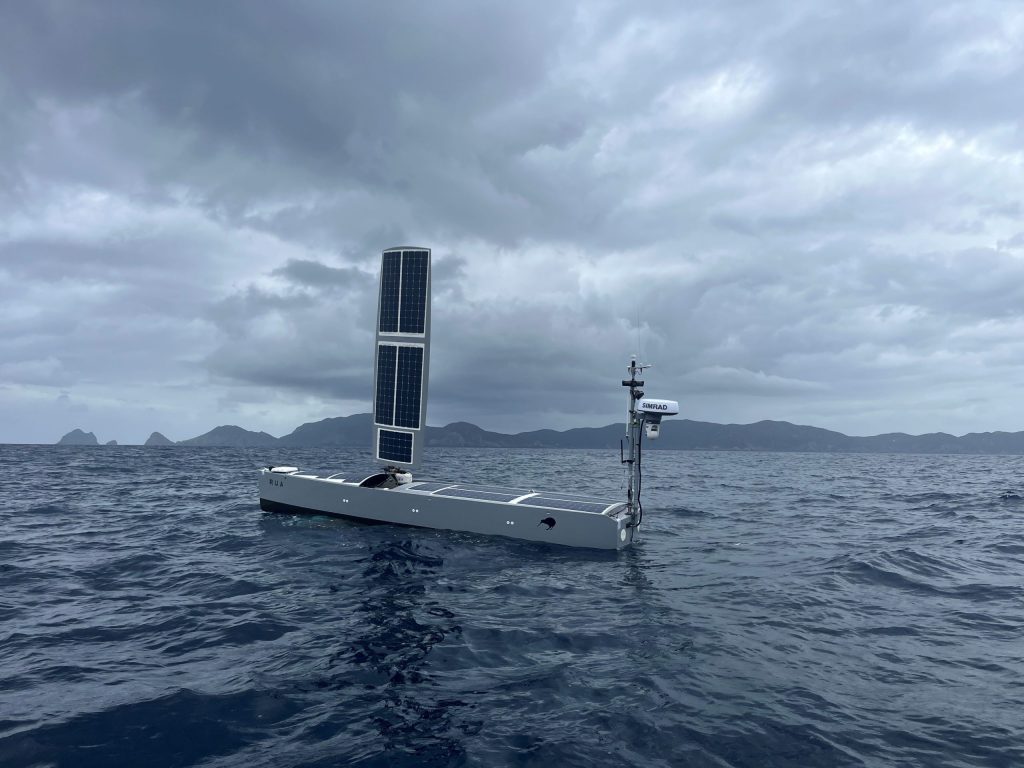
Customs Maritime Manager Robert Smith said the vessels provide additional flexibility during maritime operations.
“It allows Customs to access sustained maritime monitoring without relying solely on crewed assets, improving coverage in hard to reach areas and increasing the efficiency of our operations,” he said.
The patrols also reflect a gradual shift in how maritime surveillance is carried out. Smaller autonomous craft are increasingly being used alongside conventional ships and aircraft, particularly for long endurance monitoring tasks.
Commander Maritime Component Commodore Shane Arndell said the Navy is already using the vessels regularly.
“Their use is an important part of the New Zealand Defence Force’s move towards smarter, more sustainable surveillance methods,” he said.
For Northland’s boating community, the idea of autonomous naval craft quietly operating offshore may still feel unusual.
Even so, the technology is unlikely to disappear.
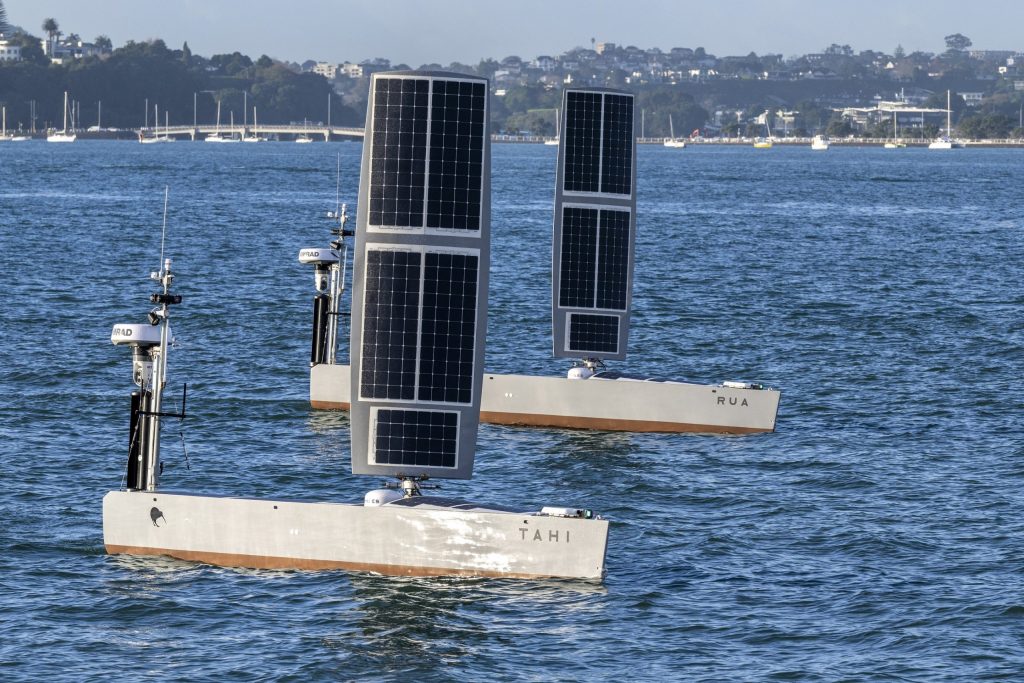
The more time vessels like Tahi and Rua can spend monitoring remote stretches of coastline, the more useful they become for agencies tasked with watching New Zealand’s vast maritime borders.