Welcome to ‘A very brief history of…’ researching the history of everyday marine technology, innovation and events Kiwi boaties love (or loathe).
Ancient ancestry
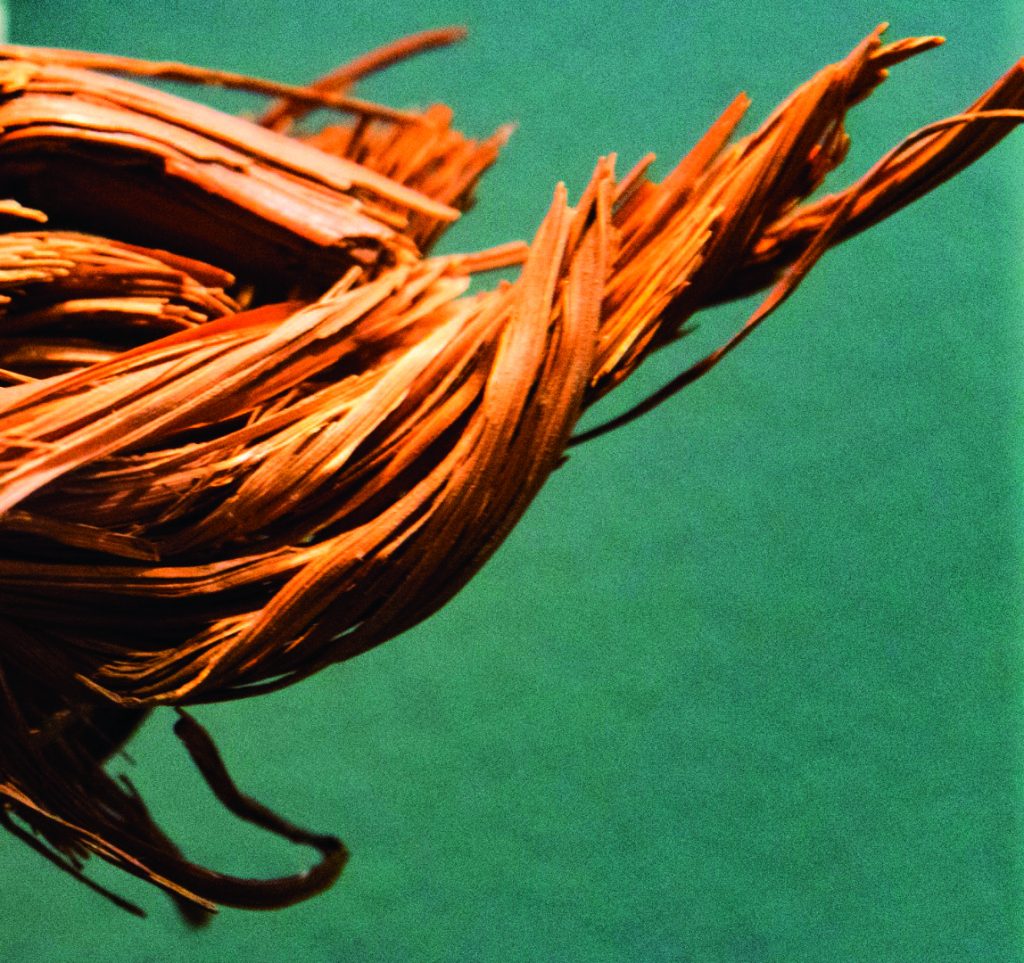
The first archaeological evidence of rope as we know it today dates back almost 50,000 years, after a tiny, three-ply cord fragment made from bark was found in a cave in Abri du Maras, France. However, the first ‘high-performance’ marine ropes we would recognise appeared in Ancient Egypt. The Egyptians utilised papyrus, date palm, and flax fibres to create strong ropes. By 3,000 BC, the Egyptians further improved their technology, developing the ‘rope wrench,’ an early tool that allowed for tighter, more consistent twisting.
The age of sail: the dominance of hemp
During the Middle Ages and the Renaissance, hemp became the gold standard. Hemp was favoured because of its tensile strength and resistance to rot when treated – sailors soaked the rope in pine tar, creating “tarred hemp.” This is why the traditional English nickname for a British merchant marine or Royal Navy sailor was a “Jack Tar.”
The ropewalk
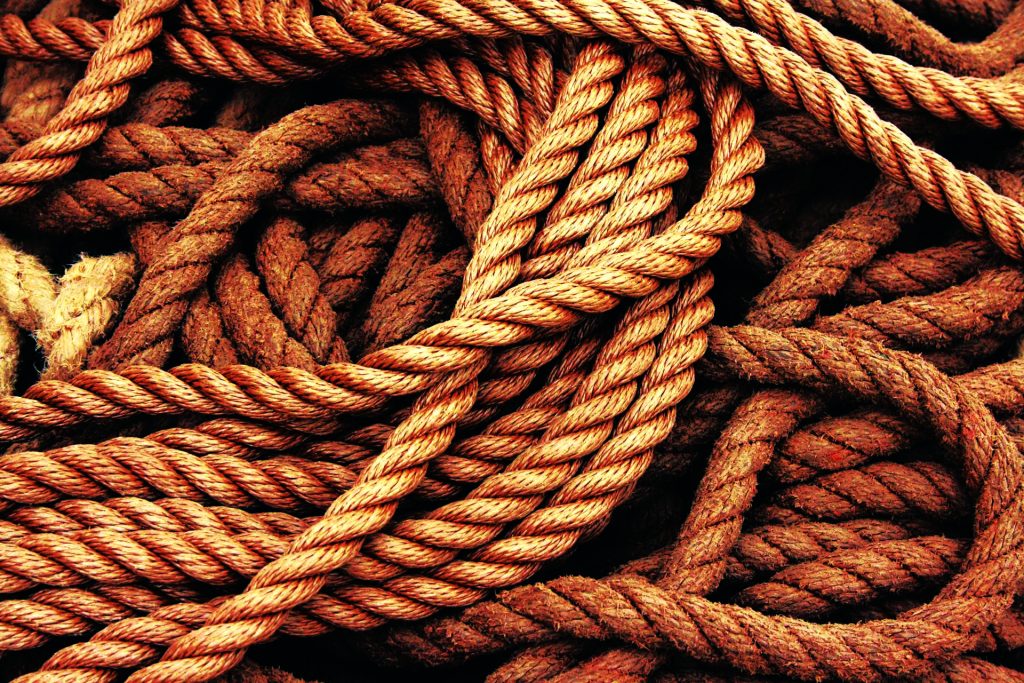
Until the mid-19th century, rope was made in ropewalks – incredibly long, narrow buildings where workers walked backward for hundreds of metres, feeding fibre into a spinning hook. Since a rope’s length was limited by the size of the building it was twisted in, some ropewalks in the UK were over 335m long.

Magnificent manila
The 1800s also saw the introduction of manila rope, made from the fibres of the abacá plant, grown extensively in the Philippines. Captain James Cook named the fibre after the city, which was the central shipping hub for exporting this material. Manila was naturally resistant to saltwater and didn’t require heavy tarring, making it much easier to handle on deck.
The synthetic revolution
During World War II natural fibres were in short supply, and the military needed something lighter and stronger. In the 1930s, DuPont chemist Wallace Carothers invented nylon and by the 1950s, further synthetic fibres helped to revolutionise the industry.
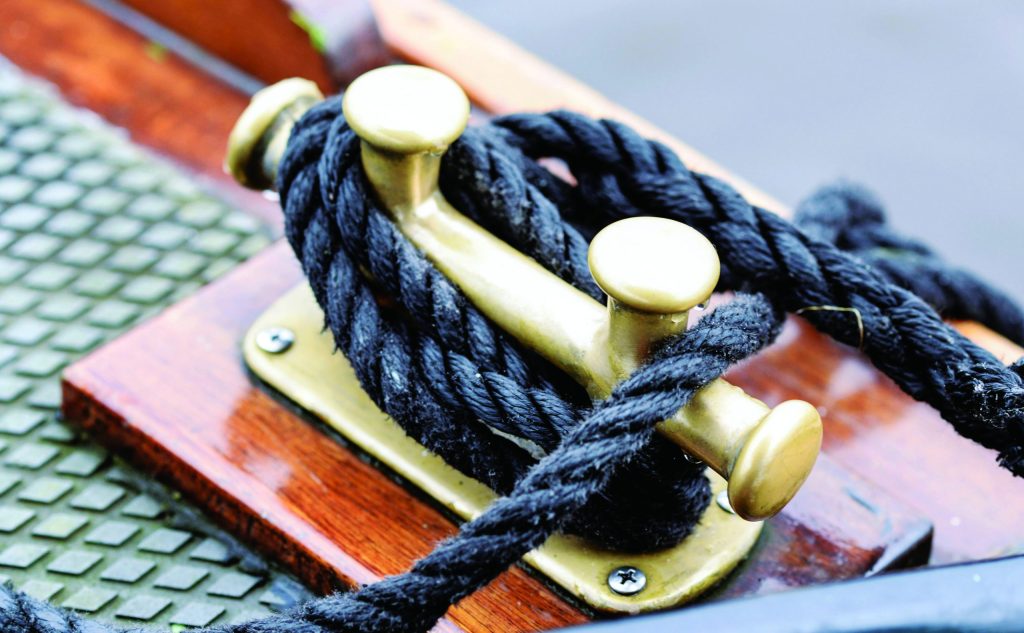
Polypropylene floats and it also doesn’t absorb water, rot, mildew, or lose strength when wet while polyester (Dacron) is low stretch, has a high level of UV resistance, and a high level of abrasion resistance.
The rise of ‘super fibres’
Today, we have entered the era of Ultra-High Molecular Weight Polyethylene (UHMWPE), commonly known by brand names like Dyneema or Spectra.


These modern ropes are up to 15 times stronger than steel, offering superior strength-to-weight ratios, high abrasion resistance, and they float in water.