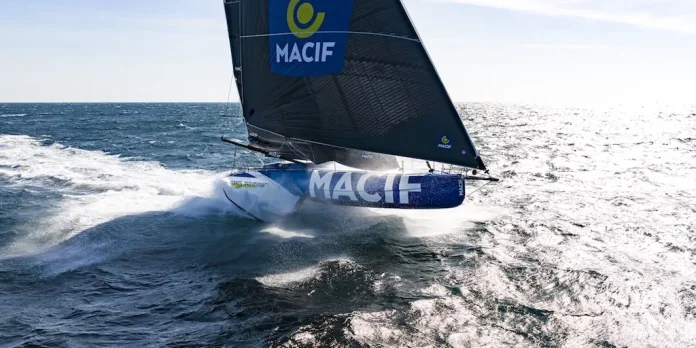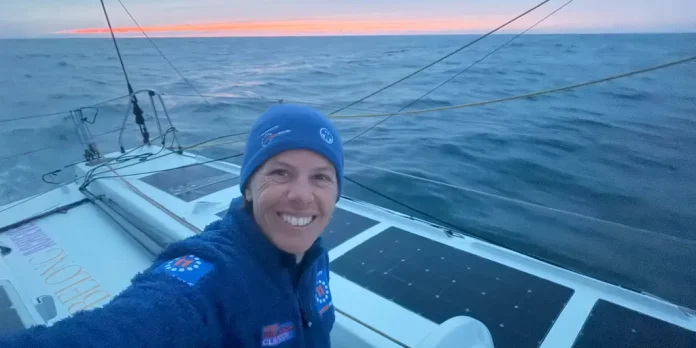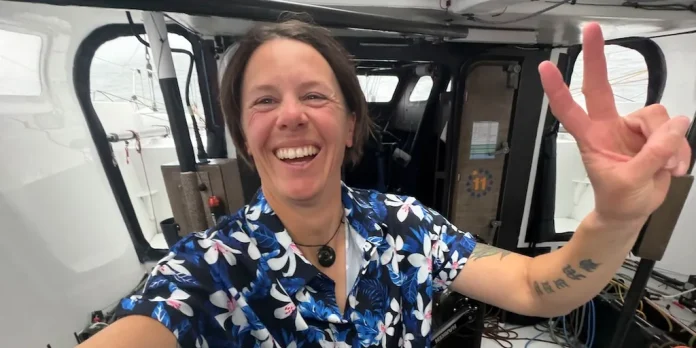
Manu Cousin crossed the Arctic Circle around 1 am NZST on 14 June, the final symbolic moment marking when the entire Vendée Arctique fleet had turned toward home. Yet as the racers streamed southward, the finish line seemed more elusive than ever. Sam Goodchild had threaded through the Celtic Sea. Élodie Bonafous held her course in the Irish Sea. Further west, Ambrogio Beccaria, Violette Dorange and Francesca Clapcich were bound for Fastnet. The strategic choices made around the Irish approaches were finally paying dividends, or so it appeared. Then the weather files shifted again, and new uncertainty crept into the equation. Between Brittany and the Vendée, a broad zone of light wind threatened to shuffle everything. The cards sat on the table. The final reckoning did not.
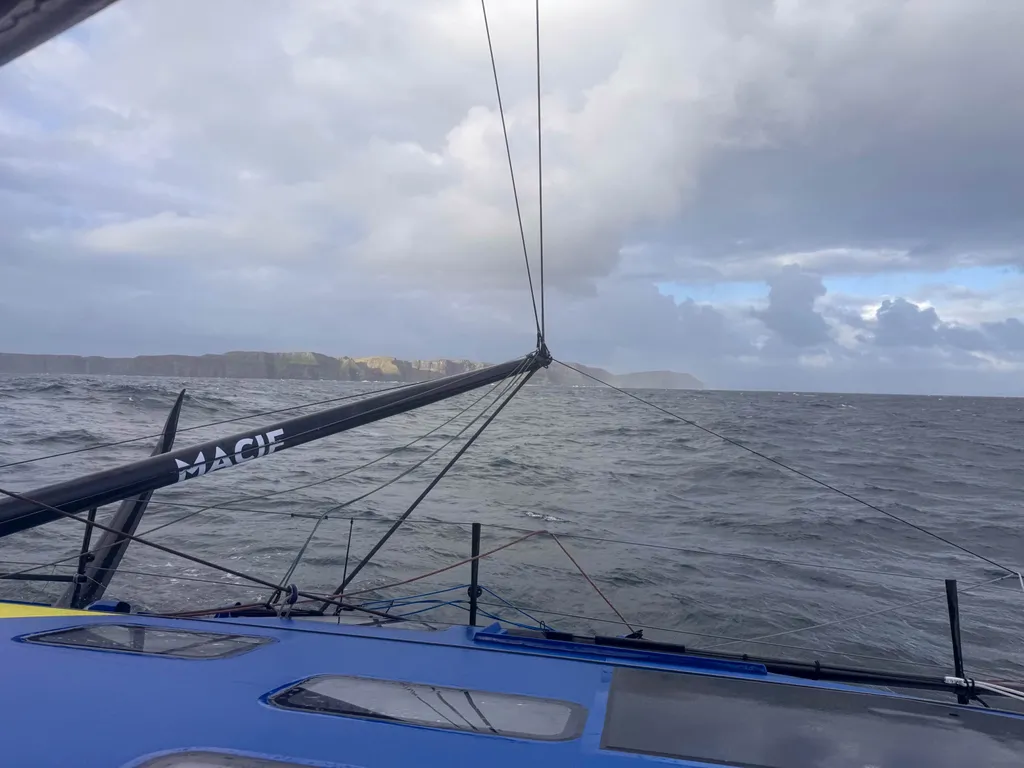
The northerly route through Saint-George Channel had looked brutal on paper. The southern passage by the western approaches seemed safer but slower, a detour that would cost time. Skippers who chose the western road were betting on prudence rather than speed. They accepted losing miles to avoid the notorious hazards: coastal effects, fierce currents, shipping traffic, and the countless traps that had earned those narrows their fearsome reputation. The conventional wisdom said they would pay for that decision at the finish.
Then the forecasts began to tell a different story. As fresh updates rolled in, that cautious gambit took on new credibility. It might not win the race, but it could cost far less than everyone had assumed. Goodchild, who had backed the direct route, now navigated waters where the wind patterns favoured his earlier commitment. Yet the final stretch remained treacherous. Light winds between Brittany and Vendée, if they arrived as predicted, would compress the gaps and hand a reprieve to those who had surrendered ground. Ambrogio Beccaria, slowed by a ridge off Dingle Bay, was refusing to celebrate just yet. The race’s outcome, he knew, hung on hours still to come.