The final push of the Vendée Arctique is shaping up as one of the season’s most unpredictable finishes, with everything from Sam Goodchild’s lead to the entire fleet’s arrival window still in flux. Meteorologist Christian Dumard and race officials have identified a sprawling area of light winds forming across the Bay of Biscay as the main wildcard, one that could reshape positions all the way to Sables-d’Olonne.
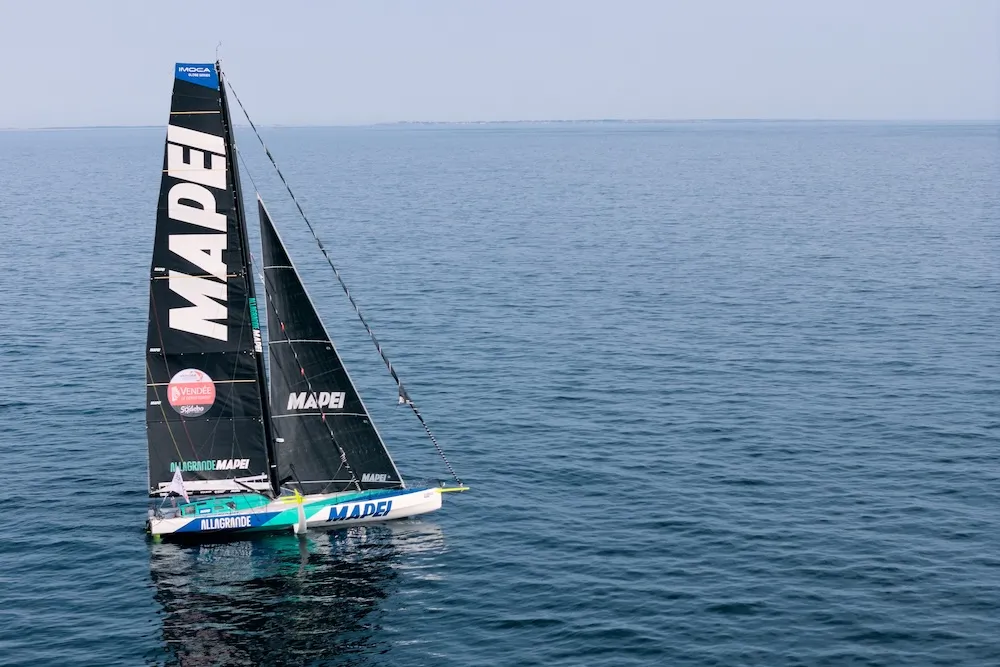
A massive light-wind zone is already taking shape. By Sunday evening, it will stretch from north of Finistère down to the latitude of Bordeaux, then creep eastward toward the finish line through Tuesday morning. Christian Dumard calls this pattern typical for the summer season, but that won’t make it any easier to navigate. The five leading boats will have to hunt for every scrap of wind variation, turning the closing stretch into a test of positioning and instinct rather than pure pace.
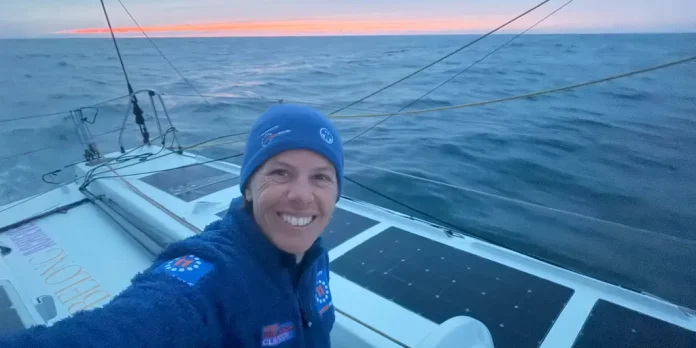
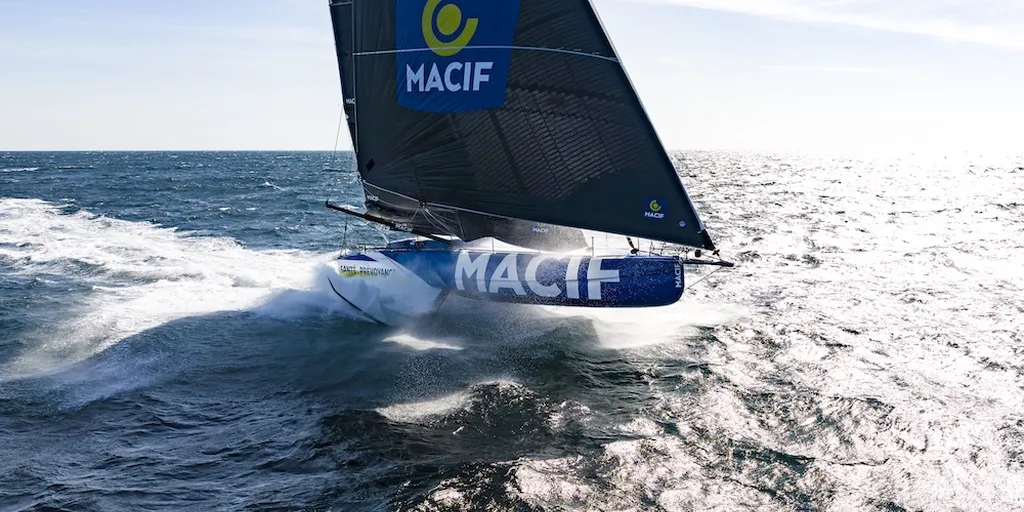
Goodchild’s predicament is acute. As the first skipper to reach the light-wind zone, the MACIF Santé Prévoyance leader carries the burden of choosing a route blindly. His rivals can read what works and what doesn’t, adjusting accordingly. If Goodchild finds himself becalmed while the chasing fleet capitalises on a better wind angle, the gap he has built since the early stages could evaporate. He will be forced to commit first; everyone else gets to follow or deviate based on what they observe. The advantage shifts from certainty to gamble.
Compressed finishes are becoming routine in modern IMOCA racing, and this race appears headed in that direction. The Bay of Biscay’s notorious variable conditions—even in summer—mean no one is truly safe. Goodchild’s lead, solid as it looks on the tracker, dissolves the moment he enters dead air and the boats behind him thread a better breeze. Other skippers recognise this dynamic. They are playing for position, not just chasing the leader. Every mile of this approach phase will matter; the finish could arrive as a cluster rather than a procession, which is precisely what makes it compelling. NZST timestamps are now being pushed back repeatedly as light winds delay arrival estimates, a phenomenon that has become almost comical to those following along.

The unpredictability is the real story. This is not a race being decided by speed alone anymore. It is being decided by who reads the wind, who positions correctly, and who keeps their nerve when everything they thought they understood about their chances gets rewritten in a single afternoon.